Source Custom Size Sunflower Flannel Blanket for Travel, Hotel, and Home Use
Find 30 options for Custom Size Sunflower Flannel Blanket designed for travel, hotel stays, and home comfort. Compare features like anti-pilling polyester construction, portable packaging, and various knitting methods to select the right supplier for your needs.
Key considerations
Products List


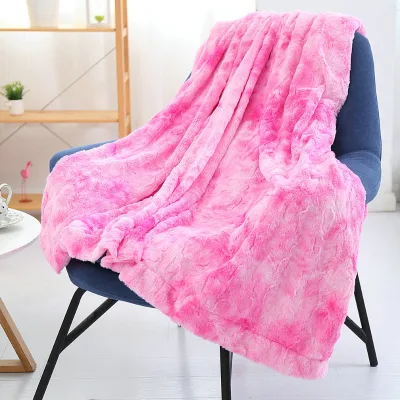


Snowflake Blanket Comforter Summer Sheet Flannel Blanket Single Nap Blanket
$7.20 - $7.60
MOQ: 300 Pieces


Comprehensive Sourcing Guide
Custom Size Sunflower Flannel Blanket Sourcing Guide
Sourcing custom size sunflower flannel blankets requires a nuanced understanding of textile manufacturing capabilities, particularly regarding polyester-based knit structures and decorative printing techniques. The market for these items is characterized by a high degree of customization, where buyers can specify dimensions, color palettes, and packaging formats to align with specific brand identities or functional requirements. While the term "flannel" often implies a brushed cotton surface in consumer retail, the supplied product data indicates that the majority of available options in this category are constructed from polyester chemical fibers using stitch knitting or machine weaving methods. This distinction is critical for procurement teams, as it affects the tactile feel, durability, and care instructions of the final product. Buyers must therefore verify whether the supplier offers true brushed polyester flannel or standard woven polyester fabrics that mimic the aesthetic, ensuring the material choice aligns with the intended use case, whether for travel, hospitality, or home decor.
The visual appeal of these blankets, often featuring sunflower patterns or plain colors, is achieved through various printing or dyeing techniques, including yarn-dyed processes and surface printing. The observed product range includes models with printing patterns, plain colors, and fancy yarn styles, indicating a diverse manufacturing landscape. Procurement specialists should evaluate the quality of the print resolution and color fastness, especially for items intended for frequent washing in hotel or hospital settings. Furthermore, the availability of customization allows for the integration of specific branding elements, such as logos or custom packaging, which can enhance the perceived value of the product. Understanding the interplay between the knitting method, material composition, and decorative finish is essential for selecting a supplier who can deliver consistent quality across large production runs.
Product Scope and Observed Listing Signals
The current market landscape for custom size sunflower flannel blankets reveals a wide variety of product configurations, with observed listings ranging from basic travel blankets to more elaborate home decor items. The price points for these products vary significantly, reflecting differences in material quality, size, and customization complexity. Buyers should note that the observed price range spans from approximately $0.89 to $14.50 per unit, suggesting that entry-level options are available for high-volume, low-margin applications, while premium options cater to boutique or luxury segments. This variance underscores the importance of defining clear specifications early in the sourcing process to avoid misalignment between budget expectations and product capabilities. The minimum order quantities (MOQs) also fluctuate, ranging from as low as 2 units for sampling or small batches to 2,500 units for large-scale industrial orders, providing flexibility for businesses of different sizes.
Product attributes indicate that these blankets are primarily designed for adult use and are suitable for spring and autumn seasons, offering moderate warmth and portability. The materials are predominantly polyester, with some listings specifying 100% polyester standards, which contributes to the fabric's anti-pilling and portable characteristics. The usage scenarios are diverse, encompassing travel, hospital, bath, home, airplane, hotel, picnic, and even military applications, highlighting the versatility of the product. Buyers should carefully match the product features to their specific operational needs; for instance, hospital-grade blankets may require stricter anti-pilling and durability standards, while travel blankets might prioritize compactness and lightweight design. The observed models, such as b34-1, b34-2, and WHJL-MCZZ0348, represent different manufacturing approaches, from simple plain colors to more complex yarn-dyed patterns, allowing buyers to select based on aesthetic and functional preferences.
Technical Specifications to Verify
When evaluating technical specifications, the first priority is to confirm the exact material composition and knitting method, as these factors directly influence the blanket's performance and longevity. The supplied data indicates that most products are made from polyester using stitch knitting or machine weaving techniques, with some variations in warp knitting for specific models. Buyers must verify if the fabric is brushed to achieve a flannel-like texture, as this affects softness and thermal insulation. Additionally, the size specifications vary, with common dimensions including 130x160cm and 160x200cm, as well as standard bed sizes like Queen. It is crucial to confirm whether the supplier can accommodate custom size requests, as this is a key feature for many buyers seeking tailored solutions for specific furniture or travel gear. The manufacturing time is typically within three days, which is advantageous for rapid replenishment, but buyers should clarify if this applies to standard or customized orders.
The pattern and color options are another critical area for verification, as the visual design must align with brand guidelines. The observed product range includes printing patterns, yarn-dyed finishes, and plain colors, with a variety of color choices such as yellow, pink, green, blue, black, and grey. Buyers should request physical samples to assess the color accuracy and print quality, ensuring that the sunflower motif or other designs are vibrant and durable. The packing methods also vary, with options including cartons in containers by sea, PE bags with bandrolls, PVC zipper bags, and flat packing with inlays. These packaging choices impact shipping efficiency and product protection, so buyers should select the option that best suits their logistics strategy. Additionally, the origin of the products, primarily from Zhejiang and Tongxiang in China, should be considered in terms of supply chain reliability and potential shipping costs.
Compliance and Safety Documentation
Compliance and safety documentation are essential for ensuring that the sourced blankets meet regulatory requirements and industry standards, particularly for products intended for use in sensitive environments like hospitals or hotels. While the supplied data mentions SGS as a standard for some models, buyers should verify the specific scope of this certification, including whether it covers chemical safety, flammability, or general quality management. The mention of OEKO-TEX in the background knowledge suggests that some suppliers may offer eco-friendly or skin-safe certifications, which are increasingly important for consumer-facing brands. Buyers should request relevant test reports to confirm that the polyester materials and dyes used are free from harmful substances, ensuring the product is safe for direct skin contact. This is particularly important for blankets used in healthcare settings, where hygiene and safety are paramount.
In addition to material safety, buyers should inquire about the manufacturing standards and quality control processes employed by the supplier. The observed products are labeled with specific model numbers, such as CR1421 and PF-002, which may correspond to internal quality benchmarks or design specifications. Buyers should ask for detailed product specifications sheets that outline the testing procedures for anti-pilling, color fastness, and dimensional stability. It is also advisable to confirm whether the supplier adheres to any international or regional standards for textile products, such as those related to labeling, care instructions, and environmental impact. By establishing clear compliance requirements upfront, buyers can mitigate the risk of receiving non-conforming products and ensure that their supply chain remains robust and reliable.
Cost Drivers and Commercial Terms
The cost of custom size sunflower flannel blankets is influenced by several key factors, including material costs, customization complexity, and order volume. Polyester is a relatively affordable material, but the cost can increase with the addition of brushing, printing, or specialized knitting techniques. Buyers should expect higher unit prices for custom sizes, unique patterns, or complex packaging requirements, as these elements require additional production steps and resources. The observed MOQ range of 2 to 2,500 units suggests that suppliers are flexible, but larger orders typically benefit from economies of scale, resulting in lower per-unit costs. Procurement teams should negotiate pricing based on volume tiers and consider the total cost of ownership, including shipping, duties, and potential returns, to make informed decisions.
Commercial terms, such as payment methods, lead times, and warranty policies, also play a significant role in the overall cost structure. The observed manufacturing time of within three days for standard orders is a competitive advantage, but custom orders may require longer lead times. Buyers should clarify the production schedule and ensure that it aligns with their inventory needs and market demand. Payment terms should be negotiated to balance risk and cash flow, with options such as letters of credit or escrow services providing additional security for large transactions. Additionally, buyers should inquire about the supplier's policy on defects and returns, ensuring that there is a clear mechanism for addressing quality issues. By understanding the cost drivers and commercial terms, buyers can optimize their procurement strategy and achieve better value for their investment.
Supplier Qualification and Quality Control
Supplier qualification is a critical step in the sourcing process, requiring a thorough assessment of the manufacturer's capabilities, reputation, and quality management systems. Buyers should verify the supplier's production capacity, technical expertise, and experience in manufacturing polyester blankets, particularly those with custom features. The observed product origins in Zhejiang and Tongxiang indicate a concentration of textile manufacturing in these regions, which may offer advantages in terms of supply chain efficiency and cost competitiveness. However, buyers should conduct due diligence to ensure that the supplier has a proven track record of delivering high-quality products on time. This may involve reviewing customer references, visiting the factory, or engaging third-party inspection services to assess the production environment and quality control processes.
Quality control measures should be integrated into the procurement process to ensure that the final products meet the specified standards. Buyers should establish clear quality criteria, including dimensions, weight, color accuracy, and fabric integrity, and communicate these requirements to the supplier. Regular inspections during production and before shipment can help identify and address potential issues early, reducing the risk of receiving defective goods. Additionally, buyers should request samples for approval before placing large orders, allowing for a final verification of the product's quality and appearance. By implementing robust supplier qualification and quality control practices, buyers can build a reliable supply chain and maintain consistent product quality, which is essential for long-term success in the market.
Long-Term Procurement Checks
Long-term procurement checks involve continuous monitoring and evaluation of supplier performance to ensure sustained quality and reliability. Buyers should establish key performance indicators (KPIs) to track metrics such as on-time delivery, defect rates, and customer satisfaction, using this data to identify areas for improvement. Regular communication with suppliers is essential for addressing any issues promptly and fostering a collaborative relationship. Buyers should also stay informed about market trends and technological advancements in textile manufacturing, as these developments may offer opportunities for cost savings or product innovation. By maintaining a proactive approach to supplier management, buyers can mitigate risks and capitalize on new opportunities, ensuring that their procurement strategy remains competitive and effective.
Additionally, buyers should consider the environmental and social impact of their sourcing decisions, as these factors are increasingly important to consumers and regulators. Suppliers who demonstrate a commitment to sustainability, such as using eco-friendly materials or implementing energy-efficient production processes, may offer long-term benefits in terms of brand reputation and regulatory compliance. Buyers should encourage suppliers to adopt best practices in waste reduction, water conservation, and ethical labor practices, aligning their procurement strategy with broader corporate social responsibility goals. By integrating sustainability into their long-term procurement checks, buyers can contribute to a more responsible and resilient supply chain, while also meeting the evolving expectations of their stakeholders.
FAQs
Can I request custom sizes for the sunflower flannel blanket?
Yes, customization is available for this product line. Buyers can specify dimensions such as 130x160cm or 160x200cm depending on the model. The manufacturer supports tailored requests to meet specific travel or home needs.
What is the manufacturing time for custom orders?
The production lead time is typically within three days for standard orders. This rapid turnaround applies to the polyester chemical fiber blankets listed. Buyers should confirm specific timelines based on order volume and customization requirements.
Which materials are used for the sunflower flannel blanket?
The blankets are made from 100% polyester chemical fiber. This material ensures durability and features like anti-pilling properties. The fabric is suitable for various uses including travel, hospital, and home environments.
How are the blankets packed for shipping?
Packaging options include cartons in containers by sea or PE bags with bandrolls. Some models use PVC zipper bags with paper bands. Specific packing methods depend on the product model and buyer requests.
What features do these polyester blankets offer?
Key features include anti-pilling, portability, and wearability. The blankets are designed for multiple seasons like spring and autumn. They are suitable for use in hotels, airplanes, and picnics.
Where are these blankets manufactured?
The products originate from Zhejiang, China, specifically Tongxiang and Shaoxing regions. These locations are known for textile manufacturing capabilities. Buyers can expect consistent quality from these established production centers.
What is the minimum order quantity for these blankets?
The minimum order quantity ranges from 2 to 2500 units depending on the supplier. This flexibility allows buyers to start with small batches or place larger orders. Specific MOQs vary by product model and customization level.