Source Customizable Cosmetic Food Cartoning Machine for Tea, Meat, and Cosmetics
Find 30 options for a Customizable Cosmetic Food Cartoning Machine designed for sealing tea, meat, and cosmetics. Buyers can compare electric models with speeds up to 80 bpm and various carton sizes from suppliers in China.
Key considerations
Products List


Intelligent Automatic Box Cartoning Machine for Food Cosmetic Chemicals
$18000.00 - $30000.00
MOQ: 1 Pieces

Automatic Bottle Cartoning Food Cosmetics Box Cartoning Packing Machine
$18000.00 - $30000.00
MOQ: 1 Pieces


Automatic Multi-Function Packaging Machine Box Packing Machine for Food Cartoning
$15000.00 - $18000.00
MOQ: 1 Pieces

Automatic Multi-Function Packaging Machine Food Cartoning Box Packing Machine
$15000.00 - $18000.00
MOQ: 1 Pieces
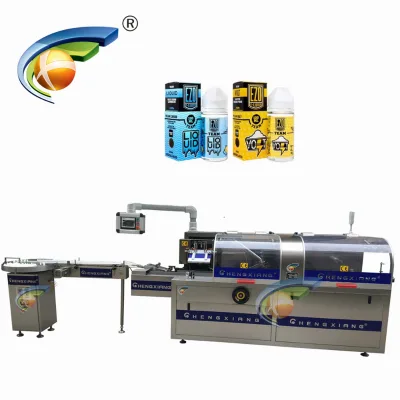


High Quality Automatic Medicine Cartoning Machine Low Price Food Carton Packing Machine
$9000.00 - $13000.00
MOQ: 1 unit


Automatic Horizontal High Speed Cosmetics Cartoning Food Small Box Packing Machine
$20000.00 - $30000.00
MOQ: 1 Pieces
Comprehensive Sourcing Guide
Strategic Sourcing Guide for Customizable Cosmetic and Food Cartoning Machines
The global demand for automated packaging solutions has intensified, particularly within the food and cosmetic sectors where precision, hygiene, and aesthetic presentation are paramount. Buyers seeking a Customizable Cosmetic Food Cartoning Machine face a complex landscape of technical specifications, regulatory requirements, and supplier capabilities. This guide provides a disciplined approach to evaluating these machines, ensuring that procurement decisions are grounded in verifiable data and operational realities rather than marketing assertions. The focus remains on identifying equipment that aligns with specific production needs while adhering to strict quality and safety standards.
Technical Specifications and Operational Capabilities
When evaluating a cartoning machine, the primary consideration is the alignment between the machine's technical specifications and the buyer's production volume and product dimensions. The core functionality of these machines involves the automatic formation, filling, and sealing of cartons. For applications involving food items such as tea, vegetables, fruits, fish, meat, snacks, rice, flour, and seasonings, as well as cosmetic products like hair care, skin care, and cosmetics, the machine must handle a diverse range of carton sizes and materials.
A critical specification to verify is the forming species and function. The equipment should utilize box molding forming functions to ensure structural integrity during the packaging process. The driven type is predominantly electric, which offers consistent power delivery and easier integration with existing factory automation systems. Buyers must scrutinize the cartoning speed, which typically ranges from 30 to 80 boxes per minute (bpm) depending on the specific model and configuration. This speed range is essential for matching the machine's output to the upstream filling and downstream sealing lines.
The physical dimensions of the cartons are another vital parameter. The machine's carton size range must accommodate the specific dimensions of the product being packaged. For instance, some models support a carton size range of approximately 70-230mm in length, 25-135mm in width, and 15-6mm in height. However, buyers should note that these ranges are model-specific and must be cross-referenced with the actual product dimensions. The carton quality requirements also play a significant role; the machine is generally designed to handle cartons with a basis weight of 250-350 G/M2, depending on the box size. This ensures that the cartons are sturdy enough to withstand the automated handling process without collapsing or jamming.
Furthermore, the power supply requirements must be compatible with the local electrical infrastructure. Available options often include 380V 50Hz or 220V 50Hz, with some suppliers offering customized voltage solutions. The main motor power is a key indicator of the machine's capability to handle high-speed operations, with typical values around 0.75kw to 2.2kw. Additionally, the compressed air consumption, which is necessary for pneumatic actuators and sealing mechanisms, should be verified. A standard consumption rate might be ≥150L/Min (Anr), requiring the buyer to ensure their plant's compressed air system can support this demand.
Material Compatibility and Customization Features
The versatility of a cartoning machine is often defined by its ability to handle various materials and adapt to custom requirements. The suitable material for these machines is primarily paper boxes, which are favored for their recyclability and aesthetic appeal in the food and cosmetic industries. The packaging type can vary, including cartons, cans, and bottles, but the core focus for this category is the paper box. The machine's structure, such as the plug type tongue mechanism, is designed to secure the carton flaps effectively, ensuring a tight seal that protects the contents from external contaminants.
Customization is a significant advantage for buyers with unique product lines. The availability of customization allows manufacturers to tailor the machine to specific carton types, such as the 10-120ml paper box range mentioned in some specifications. This flexibility is crucial for companies that frequently introduce new products or change packaging designs. The automatic grade of the machine, often described as full-automatic, ensures that the entire process from carton feeding to sealing is automated, reducing labor costs and minimizing human error.
The inclusion of advanced control systems, such as PLC (Programmable Logic Controller) core components, enhances the machine's adaptability. These systems allow for precise control over the machine's operations, enabling quick changeovers between different product sizes and types. The marketing of these machines often highlights their multi-function capabilities, making them suitable for a wide array of applications beyond just food and cosmetics, including beverages, chemicals, machinery, and hardware. However, buyers should verify that the specific customization options offered by the supplier meet their exact operational needs.
Compliance, Certification, and Safety Standards
Ensuring that a cartoning machine complies with international safety and quality standards is a non-negotiable aspect of the procurement process. While specific certification names may vary by region, buyers should look for evidence of compliance with relevant industry standards. The presence of a machinery test report is a strong indicator that the machine has undergone rigorous testing to verify its performance and safety. This report should be provided by the supplier and reviewed by the buyer's technical team.
The warranty period is another critical factor in assessing the supplier's confidence in their product. A standard warranty of 1 Year is common, but buyers should carefully review the terms and conditions to understand what is covered. Additionally, the after-sales service provided, such as engineer service overseas, is essential for maintaining the machine's operational efficiency. In the event of a breakdown or the need for technical support, having access to qualified engineers can significantly reduce downtime.
Buyers must also consider the environmental and safety implications of the machine's operation. The use of electric drives and compressed air systems should be evaluated for energy efficiency and safety. The machine's design should minimize the risk of injury to operators, with appropriate guarding and safety interlocks. The location of the manufacturer, often China, and the place of origin, such as Shanghai, can influence the supply chain logistics and the availability of spare parts. Buyers should verify that the supplier has a robust network for providing support and parts in their region.
Cost Drivers and Financial Considerations
The total cost of ownership for a cartoning machine extends beyond the initial purchase price. While the observed listed price range for these machines can vary significantly, from 3500 to 160000 USD, the actual cost is influenced by several factors. The complexity of the machine, the level of customization, and the included features all contribute to the final price. Buyers should request detailed quotes that break down the costs of the machine, installation, training, and any additional accessories.
The MOQ (Minimum Order Quantity) is another financial consideration. In many cases, the MOQ is set at 1, allowing buyers to purchase a single unit for pilot testing or small-scale production. This flexibility is beneficial for companies that are testing new markets or products. However, buyers should be aware that larger orders may qualify for volume discounts, which can significantly reduce the per-unit cost.
Lead times are also a critical factor in the procurement process. The time required to manufacture and deliver the machine can vary based on the supplier's workload and the complexity of the order. Buyers should negotiate clear lead times and include penalties for delays in the contract to protect their production schedules. The packaging of the machine, often in standard wooden boxes, should be evaluated to ensure it provides adequate protection during shipping.
Typical Applications and Industry Suitability
Cartoning machines are designed to handle a wide range of applications, making them versatile assets for various industries. The primary applications include food products such as tea, vegetables, fruits, fish, meat, snacks, rice, flour, seasonings, and dairy products. In the cosmetic sector, these machines are used for packaging hair care products, skin care products, and cosmetics. The ability to handle these diverse products is a testament to the machine's flexibility and adaptability.
The machine's suitability for different industries is often highlighted in the product specifications. For example, the application list may include beverages, apparel, chemicals, commodities, food, medical, textile, electrical & electronics, hardware, and machinery. This broad applicability suggests that the machine can be adapted to meet the specific needs of different sectors. However, buyers should verify that the machine's design and components are suitable for the specific products they intend to package.
The marketing of these machines often emphasizes their suitability for the EU market, indicating compliance with European standards and regulations. This is particularly important for buyers who export their products to Europe. The machine's ability to handle different carton types, such as plug type tongue cartons, ensures that the packaging meets the aesthetic and functional requirements of the target market.
Supplier Evaluation and Quality Control
Selecting the right supplier is crucial for the success of any procurement project. Buyers should evaluate suppliers based on their technical expertise, production capacity, and after-sales support. The brand name, such as CHENGXIANG, can be an indicator of the supplier's reputation and experience in the industry. However, buyers should not rely solely on brand recognition and should conduct thorough due diligence.
Quality control is a key aspect of the procurement process. Buyers should request documentation of the supplier's quality control procedures, including inspection protocols and testing methods. The provision of a machinery test report is a positive sign, but buyers should review the report to ensure it covers all relevant aspects of the machine's performance. The warranty period and after-sales service provided are also important indicators of the supplier's commitment to quality.
Buyers should also consider the supplier's location and logistics capabilities. The product origin, often China, and the place of origin, such as Shanghai, can influence the supply chain. Buyers should verify that the supplier has a reliable logistics network to ensure timely delivery and proper handling of the equipment. The weight of the machine, typically around 1000 KG, should be considered when planning the installation and maintenance of the equipment.
Long-Term Procurement and Maintenance Strategies
The long-term success of a cartoning machine depends on effective maintenance and support strategies. Buyers should develop a comprehensive maintenance plan that includes regular inspections, cleaning, and part replacements. The availability of spare parts is critical for minimizing downtime and ensuring the machine operates at peak efficiency. Buyers should verify that the supplier has a robust inventory of spare parts and can provide them quickly when needed.
The training of operators and maintenance personnel is another essential aspect of long-term procurement. Buyers should ensure that the supplier provides comprehensive training programs that cover the operation, troubleshooting, and maintenance of the machine. This training should be tailored to the specific needs of the buyer's team and should include hands-on practice and detailed documentation.
Finally, buyers should consider the scalability of the machine. As production volumes increase, the machine should be able to handle the additional load without significant modifications. The flexibility of the machine, such as the ability to adjust carton sizes and speeds, is a key factor in its long-term viability. By selecting a machine that can grow with their business, buyers can ensure a return on investment that lasts for years.
FAQs
What is the cartoning speed range for these machines?
The cartoning speed typically ranges from 30 to 80 boxes per minute depending on the specific model configuration. Some units operate at 30-60 boxes per minute while others reach up to 80 boxes per minute based on the carton size and material used.
Can the machine handle various food and cosmetic products?
Yes, the machine is designed for diverse applications including tea, vegetables, fruits, meat, snacks, and cosmetics. It supports packaging for hair care, skin care, beverages, dairy products, and various seasonings within the specified carton size limits.
What is the minimum order quantity for purchasing this equipment?
The minimum order quantity is one single item, allowing buyers to purchase a unit for pilot testing or small-scale production. This flexible MOQ supports companies testing new markets without committing to large initial inventory volumes.
Which power supply options are available for the machine?
Available power supply options include 380V 50Hz, 220V 50Hz, or customized voltage solutions to match local infrastructure. The main motor power is typically 0.75kw or 2.2kw depending on the specific model requirements and operational speed.
How is the machine customized for different carton sizes?
Customization is available to adapt the machine for specific carton types such as 10-120ml paper boxes. The equipment supports a carton size range of approximately 70-230mm in length and 25-135mm in width to accommodate various product dimensions.
What warranty and after-sales services are provided?
A standard warranty of one year is provided for the machine to ensure operational reliability. After-sales service includes engineer support overseas to assist with installation, maintenance, and troubleshooting to minimize production downtime.
What is the compressed air consumption requirement for operation?
The machine requires a compressed air consumption of at least 150 liters per minute at normal air pressure. The operating pressure range is typically between 0.5 and 0.7 MPa to ensure proper pneumatic actuator function.