Source Customizable Electric Sightseeing Carriage for Parks, Weddings, and Events
Find 30 Customizable Electric Sightseeing Carriage options for amusement parks, weddings, and scenic spots. Compare specifications like capacity, speed, and customization features to select the right vehicle for your needs.
Key considerations
Products List


4 Wheels Electric Horse Carriage Sightseeing Tour Vintage Electric Carriage
$3980.00 - $5980.00
MOQ: 1 Pieces


3 Row Sightseeing Carriage Special Transportation Electric Carriage Modern New Style
$1980.00 - $2780.00
MOQ: 1 Pieces


Sightseeing Tourist Horse Drawn Wagon Carriage Wedding Electric Horse Carriage
$2080.00 - $2580.00
MOQ: 1 Pieces


4-Wheels Luxury Wedding Carriage/Park Parade Sightseeing Carriage for Sale
$2080.00 - $2580.00
MOQ: 1 Pieces


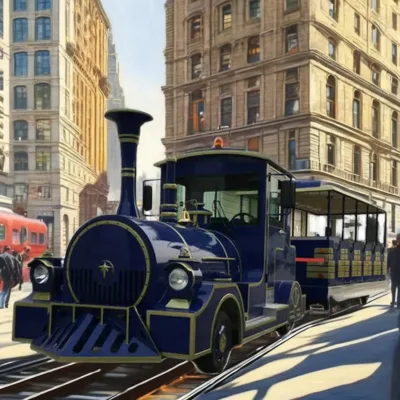


Customized 56-Seater Electric Sightseeing Train with CE Certification
$39980.00 - $98280.00
MOQ: 1 Set


Premium Electric Sightseeing Cart with Reliable Brake System and Stability
$1380.00 - $1880.00
MOQ: 10 Sets


Factory Direct New Horse-Drawn Custom Sightseeing Carriage Three Rows of Sightseeing Carriage
$1990.00 - $2890.00
MOQ: 1 Pieces


Hot Selling Style Sightseeing Carriage Victorian Style Sightseeing Carriage for Sale
$1490.00 - $1990.00
MOQ: 1 Pieces
Comprehensive Sourcing Guide
Strategic Sourcing Guide for Customizable Electric Sightseeing Carriages
The global demand for sustainable, low-emission transportation solutions has elevated the electric sightseeing carriage to a critical asset for amusement parks, wedding venues, and scenic tourism operators. Unlike traditional fossil-fuel vehicles, these units offer a unique blend of aesthetic appeal and operational efficiency, often mimicking historical designs while utilizing modern electric propulsion. For procurement professionals, sourcing a Customizable Electric Sightseeing Carriage requires a disciplined approach that balances technical performance, regulatory compliance, and long-term operational viability. This guide outlines the essential factors buyers must evaluate to ensure a successful procurement process, focusing on the specific attributes observed in the current market, such as the ALGD-72 electric train and various horseless carriage models.
Technical Specifications and Performance Metrics
When evaluating electric sightseeing carriages, the primary focus must be on the technical specifications that dictate operational range, safety, and terrain adaptability. The market offers diverse configurations, ranging from multi-car electric trains to single-unit horseless carriages. A critical specification to verify is the locomotive and cabin dimensions, which determine the vehicle's footprint and compatibility with existing infrastructure. For instance, specific models in the current inventory feature a locomotive size of 460319802500mm and a cabin size of 540023002520mm. These dimensions are substantial and require careful planning regarding storage facilities and track width in amusement parks or narrow pathways in scenic spots.
Performance capabilities are equally vital. Buyers should scrutinize the maximum speed, which typically ranges up to 20km/H for safety in pedestrian-heavy zones. The braking distance is another non-negotiable metric; reliable units must demonstrate a maximum braking distance of less than or equal to 5m to ensure passenger safety during emergency stops. Furthermore, the driving range is a key determinant of operational efficiency. Some units boast a maximum driving range of 60km, which significantly reduces the frequency of charging cycles required during a full day of operation.
The powertrain and suspension systems also require detailed attention. The wheelbase, often standardized at 2600mm, influences stability, while the wheel track, such as 1400mm, affects the vehicle's ability to navigate turns. The minimum turning radius is a crucial factor for maneuverability in tight spaces; observed data indicates a radius of approximately 8.5 meters for certain models. Additionally, the gradeability of the vehicle determines its ability to climb slopes. Specifications often cite a maximum driving grade of 4% or less under no-load conditions and a design grade of 7% or less. Buyers must verify these figures against the topography of their intended operating site to prevent performance issues.
Compliance and Certification Verification
In the B2B procurement of electric vehicles, compliance with international and local safety standards is paramount. The most frequently observed certification in the current market for these units is the CE mark, indicating conformity with health, safety, and environmental protection standards for products sold within the European Economic Area. Buyers should explicitly request and verify the CE certificate for every unit, as this is a primary indicator of regulatory adherence. Some listings also reference "CE Approved" status, which reinforces the manufacturer's commitment to safety protocols.
Beyond the CE mark, buyers must be vigilant about the absence of unverified claims. While ISO9001 is a common background standard for manufacturing quality, it should not be assumed without specific documentation from the supplier. Procurement teams must treat certification claims as observations that require validation rather than guaranteed attributes of every listed product. The verification process should include checking the validity of the certificate number and ensuring it covers the specific model being purchased. For units intended for use in specific regions, additional local certifications may be required, and the supplier must be capable of providing documentation that satisfies these regional regulatory bodies.
Cost Drivers and Pricing Structure
The pricing of customizable electric sightseeing carriages is influenced by a complex array of factors, including customization levels, battery capacity, and material quality. The observed price range in the market spans from $600 to $98,280, a variance that reflects the diversity of the product line, from simple single-seater carriages to complex multi-car electric trains. The lower end of the spectrum typically corresponds to basic models with standard configurations, while the higher end encompasses units with advanced features, custom paint jobs, and larger passenger capacities.
A significant cost driver is the level of customization. Many suppliers offer "Customization: Available" options, allowing buyers to tailor the color, seating arrangement, and branding to their specific needs. For example, units are available in colors such as Golden, White, Blue, Brown, or Black, with the option for fully customized finishes. This flexibility adds value but also increases the unit cost. The seating capacity is another major determinant; models with a rated passenger capacity of 35 + 35 + 2 will naturally command a higher price than those with a capacity of 1-5 people.
Buyers must also consider the Minimum Order Quantity (MOQ), which typically ranges from 1 to 10 units. This flexibility allows small operators to purchase single units while enabling larger parks to negotiate bulk pricing. However, the MOQ can impact the final unit cost, with larger orders often yielding better economies of scale. Shipping costs, typically handled via sea freight, should also be factored into the total cost of ownership, as the dimensions and weight of these vehicles can lead to significant logistics expenses.
Typical Applications and Operational Context
Electric sightseeing carriages are versatile assets deployed across a wide range of industries. The primary application areas include amusement parks, wedding venues, scenic spots, and exhibition centers. In amusement parks, these vehicles serve as both transportation and entertainment, often designed as electric trains or horseless carriages to enhance the thematic experience. The "Suitable for: Amusement Park" attribute is a key indicator of their robustness and safety features required for high-traffic environments.
For the wedding and event industry, the aesthetic appeal of these carriages is paramount. Models such as the "English Style Horse Carriage" and "Victoria Carriage" are specifically designed to provide a romantic and elegant atmosphere. These units often feature leather seats and are available in colors like White or Black to match wedding themes. Their application extends to parties and gift services, where the "Romantic Horse Chariot" keyword highlights their role in creating memorable experiences.
In the context of sightseeing and exhibitions, the focus shifts to durability and passenger capacity. Units with a "Maximum Capacity: >500kg" are essential for transporting groups of tourists through scenic routes. The "Usage: Outdoor Rides" attribute underscores the need for weather-resistant construction and reliable electric systems that can operate in various environmental conditions. Whether for a scenic spot or a large exhibition, the vehicle must balance comfort with the ability to navigate diverse terrains.
Supplier Evaluation and Selection Criteria
Selecting the right supplier is a critical step in the procurement process. Buyers should prioritize suppliers who demonstrate transparency in their product attributes and are willing to provide detailed technical documentation. The origin of the product is a significant factor; many units are manufactured in China, with specific origins noted as Henan. While the location of the factory does not inherently dictate quality, it provides context for the supply chain and logistics planning.
When evaluating suppliers, buyers should look for evidence of a "Condition: New" status for all units, ensuring that the vehicles are not refurbished or used. The availability of customization is another key differentiator; suppliers that offer "Customized: Non-Customized" options alongside standard models provide greater flexibility. Additionally, the packaging method, such as "Iron Shelf and Plywood," indicates the supplier's attention to protecting the product during transit, which is crucial for large, delicate vehicles.
Buyers must also assess the supplier's ability to handle the shipping process. The "Shipping Way: by Sea" is a common method, and suppliers should have established logistics partnerships to ensure timely delivery. The lead time, while not explicitly stated in the provided data, is a factor that should be clarified during negotiations. A reliable supplier will provide a clear timeline from order placement to delivery, allowing the buyer to plan their operations accordingly.
Quality Control and Long-Term Procurement Considerations
Ensuring the long-term reliability of electric sightseeing carriages requires a robust quality control strategy. Buyers should verify that the products meet the specified standards, such as the "prod_standard" dimensions and the "Voltage: 60V, 80A" electrical requirements. The use of solid rubber tires, as seen in some models, is a positive indicator of durability and reduced maintenance needs. However, buyers must confirm that these specifications are consistent across the entire batch of ordered units.
Long-term procurement considerations include the availability of spare parts and after-sales support. The "Customization: Available" feature implies that the supplier should be capable of providing replacement parts for custom components. Buyers should also inquire about the warranty terms and the supplier's policy on handling defects. The "Condition: New" status should be maintained throughout the lifecycle of the product, with the supplier offering maintenance services to ensure the vehicle remains in optimal working condition.
Furthermore, the environmental impact of the vehicle should be considered. Electric carriages offer a significant reduction in carbon emissions compared to traditional vehicles, aligning with sustainability goals. Buyers should verify the battery life and charging infrastructure requirements to ensure that the vehicle can operate efficiently over the long term. The "Maximum Driving Range: 60km" is a strong selling point, but the actual range may vary based on load and terrain, so buyers should plan for realistic operational scenarios.
Comparative Analysis of Key Models
To facilitate informed decision-making, it is helpful to compare the key attributes of different models available in the market. The following table summarizes the specifications of three distinct models, highlighting their unique features and applications.
| Feature | Model ALGD-72 | Model HYS-RC17 | Model SC53 |
|---|---|---|---|
| Type | Electric Train | English Style Horse Carriage | Victoria Carriage |
| Capacity | 35 + 35 + 2 Passengers | 1-5 People | 2-6 Persons |
| Dimensions | 460319802500mm (Locomotive) | 5.6m1.65m3.1m | 3.6m1.6m1.9m |
| Color Options | Golden or Customized | White or Customized | Blue, Brown or Customized |
| Primary Usage | Amusement Park, Outdoor Rides | Wedding, Party, Scenic Spots | Wedding, Sightseeing, Exhibition |
| Certification | CE | CE Approved | CE |
| Tire Type | Standard | Standard | Solid Rubber Tire |
| Voltage | Standard | Standard | 60V, 80A |
This comparison illustrates the diversity of the market. The ALGD-72 is ideal for high-capacity amusement park operations, while the HYS-RC17 and SC53 are better suited for intimate settings like weddings and exhibitions. Buyers should select the model that best aligns with their specific operational needs and budget constraints.
Conclusion
Sourcing a Customizable Electric Sightseeing Carriage is a strategic decision that requires a thorough understanding of technical specifications, compliance requirements, and market dynamics. By focusing on verified facts such as the CE certification, specific dimensions, and performance metrics, buyers can make informed decisions that ensure the safety and efficiency of their operations. The flexibility offered by customization options allows for tailored solutions that meet the unique needs of various industries, from amusement parks to wedding venues. Ultimately, a disciplined approach to supplier evaluation and quality control will result in a successful procurement that delivers long-term value and operational excellence.
FAQs
What certifications do these carriages have?
Most units carry CE certification, indicating compliance with European safety standards. Buyers must verify the specific certificate number for each model, as ISO9001 is not guaranteed for every listing without explicit documentation.
Can I customize the color and seating?
Customization is available for colors like Golden, White, Blue, Brown, or Black. Seating options vary by model, with capacities ranging from 1-5 people up to 72 passengers depending on the specific carriage configuration.
What is the maximum driving range?
Some models offer a maximum driving range of up to 60 kilometers. This range helps reduce charging frequency, though actual performance depends on load weight and terrain conditions during operation.
How many passengers can the train carry?
Rated passenger capacity varies significantly, with some trains holding 35 plus 35 plus 2 people. Other single-unit carriages typically seat between 2 and 6 persons depending on the specific design and model.
What is the minimum turning radius?
Certain models feature a minimum turning radius of approximately 8.5 meters. This dimension is critical for ensuring the vehicle can navigate tight spaces in amusement parks or narrow scenic pathways safely.
Where are these carriages manufactured?
Products originate from China, with specific factories located in Henan province. This origin information helps buyers plan logistics and shipping timelines, typically handled via sea freight for these large units.
What is the typical price range?
Prices range from 600 to 98,280 USD depending on size and features. Basic single-seaters are at the lower end, while complex multi-car electric trains with high capacity command the higher price points.