Source Customizable Egyptian Cotton Comforter for Hotel, Home, Hospital
Find 30 listings for Customizable Egyptian Cotton Comforter options suitable for hotels, homes, and hospitals. Buyers can compare materials, patterns, and customization services across verified suppliers offering OEM and sample availability.
Key considerations
Products List


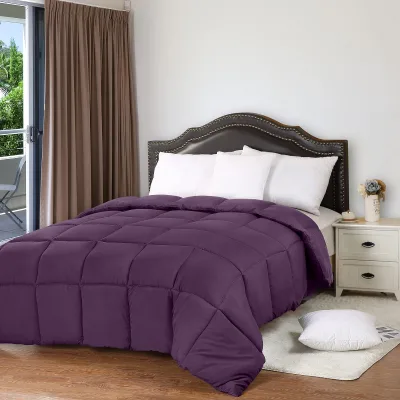


Wholesale Custom Comforter Reversible 4 Piece Luxury King Size Bamboo Comforter
$15.80 - $38.90
MOQ: 200 Pieces


Household Products Cotton Satin Goose Down Comforter Softness Standard Size
$19.50 - $58.80
MOQ: 200 piece


Eco-Friendly Cooling Bamboo Fabric Comforter Quilt Set Breathable Comforter Queen
$15.80 - $38.90
MOQ: 200 Pieces


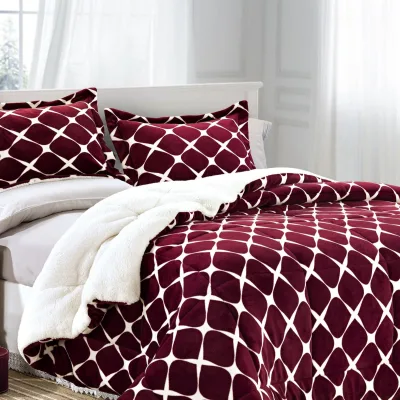
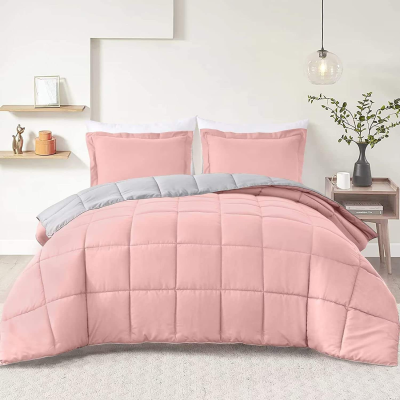
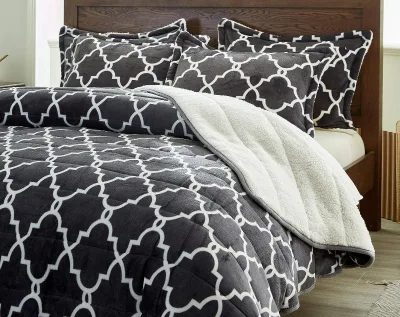

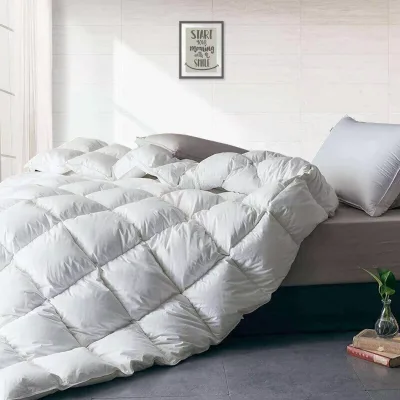


Comprehensive Sourcing Guide
Strategic Sourcing Guide for Customizable Egyptian Cotton Comforters
Understanding Product Attributes and Material Variations
When sourcing customizable comforters, buyers must first distinguish between genuine Egyptian cotton products and alternative blends that may appear similar in marketing but differ significantly in performance. The supplied product data indicates a diverse range of materials available in the market, including 100% Cotton, Polyester/Cotton blends, and Rayon/Polyester combinations. While the core keyword specifies "Egyptian cotton," the observed inventory includes standard cotton and synthetic blends. A rigorous procurement strategy requires verifying the fiber origin and composition through third-party testing rather than relying solely on supplier descriptions. The technical specifications provided show variations in filling materials, ranging from Cotton to Polyester, which directly impacts thermal regulation and durability.
Buyers should note that the observed product attributes include specific technical details such as "Knitted" and "Woven" technics, alongside "Plain Dyed" and "Yarn Dyed" patterns. These manufacturing methods influence the final hand feel and structural integrity of the comforter. For instance, a "Woven" technic with "Yarn Dyed" patterns often suggests a higher thread count and more durable colorfastness compared to "Printing Pattern" methods. The observed styles range from "European-style" to "Plain," indicating that customization extends beyond material to include aesthetic design. The availability of "Customization" for logos and patterns is a standard feature in this category, allowing brands to align the product with their specific identity. However, the presence of "Polyester" filling in some listings suggests that buyers must explicitly request 100% natural fiber fillings if that is a primary requirement, as the default offerings may vary.
Technical Specifications and Standardization
Defining precise technical specifications is critical when ordering custom comforters to ensure consistency across large production runs. The observed data reveals that product standards often align with specific bed sizes, including King, Queen, Full, and Twin, with some suppliers offering fully "Customization" for dimensions. The model numbers, such as ES240823JU-BS and 24SHE-BEDDING-10, serve as unique identifiers for specific configurations, but buyers should not assume that a single model number covers all size requirements. Instead, specifications must be explicitly defined in the purchase order to avoid discrepancies.
The packing specifications observed include "Carton or Customized" and "4PCS in a Vacuum Compression." This variation is significant for logistics planning. Vacuum compression reduces shipping volume but may affect the loft of the comforter upon unpacking, requiring a specific recovery period. For high-end Egyptian cotton products, buyers should verify if the supplier offers non-compressed packing to maintain the premium texture. Additionally, the "prod_packing" attribute indicates that some units come as a "Comforter Set" while others are "Duvet Cover Set." This distinction is vital for inventory management, as a set typically includes matching pillowcases and shams, whereas a duvet cover set focuses on the outer shell. The observed "4 PCS" quantity suggests a standard set configuration, but this must be confirmed against the specific needs of the target market.
Cost Drivers and Minimum Order Quantities
The financial structure of sourcing customizable comforters is heavily influenced by Minimum Order Quantities (MOQ) and the complexity of customization. The observed MOQ range in the market spans from 10 to 2000 units, with specific listings showing MOQs of 1000 and 2000 sets. This wide variance indicates that buyers can access smaller batches through specific suppliers, but larger orders often secure better unit economics. The price range observed is between $1.2 and $68 USD, a disparity that reflects differences in material quality, thread count, and the extent of customization.
For genuine Egyptian cotton products, the cost drivers are primarily the raw material cost and the labor-intensive weaving and finishing processes. The presence of "Polyester/Cotton" blends in the lower price brackets suggests that synthetic content significantly reduces the unit cost. Buyers seeking premium Egyptian cotton must be prepared for a higher price point, likely at the upper end of the observed range. Furthermore, the "Customization" of logos via "Printed, Embroidery, or Customized" methods adds to the cost. Embroidery generally incurs higher setup and production costs compared to printing. The "Sample Service" being available with a "Sampling Lead Time" of 7 days allows buyers to validate costs before committing to full production, but the cost of these samples should be factored into the initial budget.
Compliance, Certification, and Safety Standards
While the supplied data does not explicitly list specific certification bodies, the procurement of bedding for "Home, Hotel, Hospital," and "Airplane" usage necessitates strict adherence to safety and hygiene standards. The "Usage" attributes highlight that these products are intended for high-traffic and sensitive environments, including healthcare and hospitality. Consequently, buyers must verify compliance with flammability standards, chemical restrictions, and hygiene protocols relevant to the destination market.
For products marketed as "Egyptian cotton," buyers should request documentation verifying the fiber origin, as the term is often misused in the industry. Certifications such as Oeko-Tex Standard 100 are industry benchmarks for ensuring that the textile is free from harmful substances, which is crucial for products used in hospitals and by adults. The "Feature" attributes like "Waterproof" and "Wearable" in some listings suggest specialized treatments that may involve chemical coatings. Buyers must ensure these treatments comply with environmental and safety regulations in the target region. The "prod_standard" mentioning "logo: embroidered or label" implies that labeling requirements must be met, which often includes fiber content labeling and care instructions mandated by local laws.
Supplier Evaluation and Operational Capabilities
Evaluating suppliers requires a deep dive into their operational capabilities, particularly regarding lead times and sample services. The observed "Production Lead Time" ranges from 25 to 30 days, which is a standard benchmark for textile manufacturing. However, buyers must confirm if this timeline includes the time for customization setup, such as creating new molds for embroidery or printing plates. The "Sample Service" is noted as "Yes" with "Free Samples Are Available" in some instances, which is a positive indicator of supplier confidence. However, the "Sampling Lead Time" of 7 days must be factored into the overall project schedule.
The "prod_origin" is listed as "China" and "Jiangsu China," indicating a concentration of manufacturing in this region. While this offers access to a robust supply chain, buyers should verify the specific factory's capacity to handle custom orders without compromising quality. The "OEM: Welcome" attribute confirms that most suppliers are open to Original Equipment Manufacturing, allowing for private labeling. Buyers should assess the supplier's ability to manage the "Customization" of the "prod_packing" and "prod_model" to ensure that the final product matches the brand's identity. The "Style" options, ranging from "European-style" to "Plain," suggest that suppliers have design teams capable of adapting to different aesthetic requirements.
Quality Control and Long-Term Procurement Strategy
Implementing a robust quality control (QC) strategy is essential for maintaining the integrity of the product, especially when dealing with natural fibers like cotton. The observed "Technics" include "Knitted" and "Woven," each requiring different QC checks. For woven cotton, buyers should inspect for consistent thread count, color fastness, and the absence of weaving defects. For knitted products, the focus should be on elasticity and stitch integrity. The "Pattern" attributes, such as "Printed," "Emboriodery," and "Yarn Dyed," require specific checks for alignment, color bleeding, and durability.
Long-term procurement considerations involve building a relationship with suppliers who can maintain consistency over multiple production cycles. The "Customization" of the "Material" and "Size" allows for flexibility, but buyers must establish clear specifications to prevent drift in quality. The "Usage" in "Home, Hotel, Wedding, Hospital, Nursing" indicates that the product must withstand repeated washing and heavy use. Buyers should request wash test results to ensure the comforter retains its shape and color after multiple cycles. Additionally, the "Feature" of being "Waterproof" in some listings requires verification of the coating's durability, as this feature can degrade over time if not applied correctly.
Application Scenarios and Market Alignment
The versatility of the observed products makes them suitable for a wide array of applications. The "Usage" attributes explicitly list "Home, Hotel, Hospital," "Travel," "Bath," "Airplane," and "Picnic." This broad applicability means that a single product line can serve multiple market segments, provided the specifications are tailored correctly. For the hospitality sector, the "European-style" and "Plain" designs offer a timeless appeal that fits various hotel decors. In the healthcare sector, the "Cotton" filling and "Woven" technic provide the necessary breathability and comfort for patients.
The "Color" attribute, listed as "Any Pantone Coloe," offers extensive customization options for branding. This is particularly valuable for corporate gifts or hotel chains looking to align bedding with their brand colors. The "Logo" options, including "Printed & Embroidered," allow for subtle branding that enhances the product's perceived value. However, buyers must ensure that the chosen logo placement and method do not compromise the comfort or safety of the product. The "Standard" sizes (King, Queen, Full, Twin) align with global bed sizing, but the "Customization" option allows for unique dimensions for specialized applications like hospital beds or aircraft seating.
Conclusion and Procurement Best Practices
Sourcing customizable Egyptian cotton comforters requires a balanced approach that combines technical precision with strategic supplier management. Buyers must navigate the diverse range of materials, from 100% cotton to synthetic blends, and verify claims through rigorous testing. The observed MOQs and lead times provide a framework for planning, but flexibility is key to managing the complexities of customization. By focusing on clear specifications, verifying certifications, and maintaining strict quality control, buyers can secure high-quality products that meet the demands of various applications. The availability of sample services and OEM capabilities further supports a streamlined procurement process, ensuring that the final product aligns with brand standards and market expectations.
FAQs
What materials are available for customizable comforters?
Materials include 100% Cotton, Polyester/Cotton blends, and Rayon/Polyester combinations. Buyers must verify fiber origin through third-party testing to ensure genuine Egyptian cotton claims are accurate.
How long does production take for custom orders?
Production lead time typically ranges from 25 to 30 days. This timeline may vary depending on the complexity of customization and specific supplier capacity.
Can I get free samples before placing a large order?
Yes, free samples are available from some suppliers. Sampling lead time is approximately 7 days, allowing buyers to validate quality before committing to full production.
What are the minimum order quantity requirements?
Minimum order quantities range from 10 to 2000 sets depending on the supplier. Specific listings show MOQs of 1000 or 2000 sets for standard configurations.
Which customization options are available for logos?
Logos can be customized via printing, embroidery, or other custom methods. The choice of technique affects cost, with embroidery generally incurring higher setup fees than printing.
What sizes are offered for these comforter sets?
Standard sizes include King, Queen, Full, and Twin. Some suppliers also offer fully customized dimensions to meet specific bed requirements or specialized applications.