Source Customizable Paper Ludo Board Game for Home and Office
Explore 30 options for a Customizable Paper Ludo Board Game suitable for home entertainment, educational settings, and corporate events. Compare specifications including materials like ABS and cardboard, dimensions, and OEM/ODM availability to find the right fit for your needs.
Key considerations
Products List


Factory Direct Sales Custom Logo Design Printing Paper Custom Funny Board Game
$0.35 - $0.45
MOQ: 500 Pieces

Custom Board Game Children Board Game High Quality Board Games Sets Production
$0.52 - $0.65
MOQ: 500 Pieces

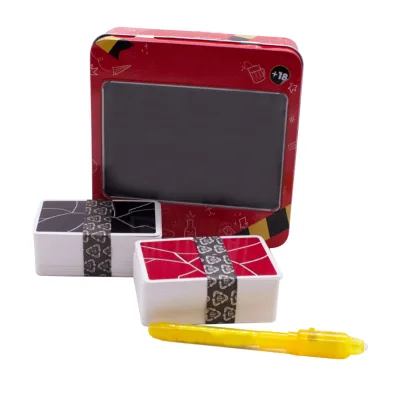
Custom Made Card Game Printing Game Factory Manufacturer Custom Board Game Maker
$0.65 - $0.78
MOQ: 500 Pieces




Comprehensive Sourcing Guide
Customizable Paper Ludo Board Game Sourcing Guide
Sourcing a Customizable Paper Ludo Board Game requires balancing creative branding needs with strict manufacturing realities. Buyers must recognize that while the core product is a board game, the material composition varies significantly across suppliers. Observed listings indicate materials ranging from standard plastic and ABS to various paper types, including cardboard, art paper, and craft paper. This diversity means that "paper" in the keyword may refer to the playing cards or the board substrate, rather than the entire unit. Procurement teams should clarify whether the request is for a fully paper-based construction or a hybrid design that incorporates durable plastic components for longevity.
The customization landscape for these games is broad, with many suppliers offering OEM and ODM services. Attributes such as custom models, specific dimensions, and tailored packaging are frequently available. However, buyers must verify if the customization extends to the game mechanics or is limited to aesthetic elements like printing and surface treatment. The observed data suggests that while the genre is often educational or war-themed, the specific board type can vary from jungle themes to standard table game layouts. Understanding the extent of permissible customization is critical before initiating supplier negotiations, as it directly impacts tooling costs and production timelines.
Product Scope and Observed Listing Signals
The observed market signals reveal a wide variance in product specifications and physical attributes. Listings show dimensions such as 23193cm, 351616cm, and 243111cm, indicating that there is no single standard size for these games. Buyers should expect to define their own packaging and board dimensions during the sourcing process. The presence of accessories like dice, pointers, tokens, and sand timers is common, but the inclusion of these items is not guaranteed across all listings. It is essential to confirm whether the quoted price includes these playing components or if they are sold separately, as this affects the total landed cost and inventory management.
Packaging options are another critical signal, with variations including color boxes, plastic boxes, custom designs, and even PVC bags or cylinders. The observed lead times range from 10 to 20 days, with sample times typically taking 5 to 7 days. These timelines suggest that rush orders may incur additional costs or require expedited shipping arrangements. Buyers should also note that the origin is predominantly Shantou, China, a hub for toy manufacturing. This geographic concentration can offer logistical advantages but also requires due diligence on supplier reliability and export capabilities to ensure consistent quality and timely delivery.
Technical Specifications to Verify
Technical verification must begin with material composition, as the term "paper" can be ambiguous. Buyers should specify whether the board is made from greyboard, whiteboard, KTboard, or a combination with art paper. The surface treatment options observed include varnish, lamination, UV coating, and linen finishes, which affect both durability and tactile experience. It is crucial to confirm that the chosen surface treatment is suitable for the intended use environment, especially if the game will be used in high-traffic areas or by children. The printing methods, such as offset printing and hot stamping, also play a role in the visual quality and longevity of the game components.
Model numbers and standards vary widely, with examples like RFD342948, RFD314200, and BG-003 appearing in listings. Buyers should not assume that these model numbers correspond to specific quality tiers or feature sets. Instead, they should request detailed technical drawings and material specifications for each component. The board type, whether jungle, greyboard, or table game, must align with the game mechanics and target audience. Additionally, the condition of the product is listed as new or 100% new, but buyers should verify the quality of the materials used to ensure they meet their durability and safety expectations.
Compliance and Safety Documentation
Safety compliance is paramount, especially when the target audience includes children. Although specific certification statuses are not confirmed in the observed data, buyers should insist on documentation for relevant safety standards. Trusted category knowledge indicates that standards such as EN71 and ASTM F963 are critical for toys sold in Europe and North America, respectively. Buyers must verify that the supplier can provide test reports from accredited laboratories to prove compliance with these standards. The absence of explicit certification claims in listings does not imply non-compliance, but it does place the burden of verification on the buyer.
Environmental certifications, such as FSC, may be relevant if the paper materials are sourced from sustainable forests. Buyers should inquire about the origin of the paper and cardboard used in production to ensure ethical sourcing practices. Additionally, the use of inks and coatings should be checked for toxicity, particularly for products intended for young children. The observed data mentions various materials, including plastic and ABS, which may have different regulatory requirements compared to paper-based components. A comprehensive compliance strategy should address all materials used in the final product to mitigate legal and reputational risks.
Cost Drivers and Commercial Terms
Cost drivers for customizable paper ludo board games include material selection, printing complexity, and packaging design. The use of premium materials like art paper or wooden components will increase the unit cost compared to standard cardboard. Surface treatments such as UV coating or lamination add to the production cost but enhance durability and aesthetic appeal. Buyers should request detailed cost breakdowns to understand how each customization option impacts the final price. The observed price range of 0.01-9.9 USD suggests significant variation based on these factors, and buyers should align their budget with their quality expectations.
Commercial terms also play a significant role in the total cost of ownership. The observed payment terms include a 30% deposit in advance and 70% before shipment, which is standard for many manufacturing agreements. Buyers should negotiate these terms to align with their cash flow requirements and risk tolerance. The minimum order quantity (MOQ) ranges from 120 to 10,000 units, allowing for flexibility in order sizes. However, smaller orders may incur higher per-unit costs due to setup fees and lower economies of scale. Understanding these commercial dynamics is essential for effective budgeting and supplier negotiation.
Supplier Qualification and Quality Control
Supplier qualification should focus on manufacturing capabilities and quality management systems. Buyers should verify the supplier's experience in producing board games and their ability to handle customization requests. The observed data indicates that many suppliers offer OEM and ODM services, suggesting a level of flexibility and expertise. However, buyers should conduct site audits or request video tours to assess the production environment and quality control processes. The presence of specific finishing processes and printing techniques should be validated to ensure they meet the buyer's standards.
Quality control measures should be established before production begins. Buyers should define clear acceptance criteria for materials, printing quality, and assembly. The observed data mentions various accessories and components, each of which should be inspected for defects. Sample approval is a critical step, with observed sample times of 5 to 7 days. Buyers should request multiple samples if necessary to ensure consistency. Establishing a robust quality control plan, including pre-shipment inspections, will help mitigate the risk of receiving substandard products and ensure customer satisfaction.
Long-Term Procurement Checks
Long-term procurement success depends on continuous supplier performance monitoring and relationship management. Buyers should track key performance indicators such as on-time delivery, defect rates, and responsiveness to issues. The observed lead times of 10-20 days provide a baseline for delivery expectations, but buyers should monitor actual performance against these benchmarks. Regular communication with suppliers is essential to address any emerging issues promptly and to explore opportunities for cost optimization or product improvement. Building a strong partnership with reliable suppliers can lead to better pricing and priority treatment during peak seasons.
Product evolution and market trends should also be considered in long-term planning. The observed data shows a variety of genres, from educational to war-themed games, indicating diverse market demands. Buyers should stay informed about changing consumer preferences and regulatory requirements to ensure their product offerings remain relevant. Continuous improvement initiatives, such as exploring new materials or sustainable packaging options, can enhance the product's value proposition. By maintaining a proactive approach to procurement, buyers can secure a competitive advantage and ensure the long-term success of their Customizable Paper Ludo Board Game offerings.
FAQs
What materials are used for the Customizable Paper Ludo Board Game?
The product uses plastic, ABS, cardboard, art paper, craft paper, and wooden materials. These options allow for durable construction suitable for home and game room applications while maintaining the customizable nature required by buyers.
Can I customize the dimensions of the board game?
Yes, customization is available for dimensions such as 23x19x3cm, 35x16x16cm, and 24x31x11cm. Buyers can also request fully customized standard sizes to fit specific packaging or display requirements for their target market.
What is the lead time for manufacturing these board games?
The standard lead time ranges from 10 to 20 days depending on order volume. Custom samples typically require 5 to 7 days, ensuring that urgent orders can be processed efficiently while maintaining quality standards.
Which printing methods are applied to the game components?
Offset printing and hot stamping are the primary methods used for the game boards and cards. Additional finishing options include varnish, lamination, UV coating, and linen textures to enhance the visual appeal and durability of the product.
What is the minimum order quantity for this product?
The minimum order quantity ranges from 120 to 10,000 units based on specific customization needs. This flexible MOQ structure accommodates both small trial orders and large-scale commercial distribution requirements for various buyers.
How is the product packaged for shipment?
Packaging options include color boxes, plastic boxes, custom designs, cartons, and PVC bags. Specific configurations like base and lid boxes or cylinders are available to ensure safe transport and attractive presentation for retail or wholesale channels.
Is OEM or ODM service acceptable for this game?
Yes, OEM and ODM services are acceptable for this Customizable Paper Ludo Board Game. Buyers can request custom branding, specific game rules, or unique accessory configurations to align with their brand identity and market strategy.