Source Customizable Molle Tactical Waist Belt for Hiking, Patrol, and Training
Find 30 Customizable Molle Tactical Waist Belt options from verified suppliers. Compare alloy and nylon materials, buckle styles, and production times to select the right gear for outdoor activities, security patrols, or tactical training.
Key considerations
Products List


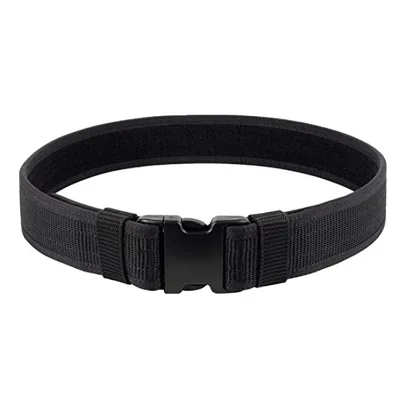
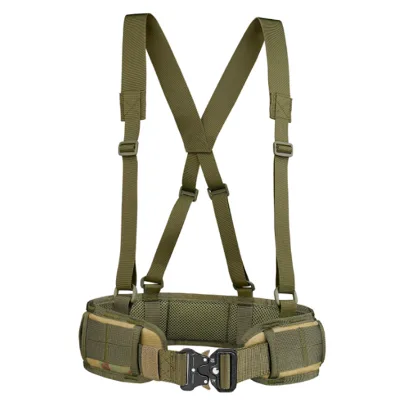
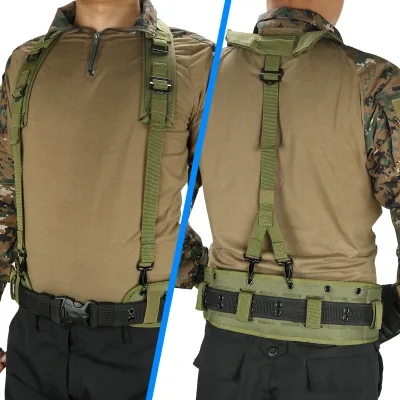
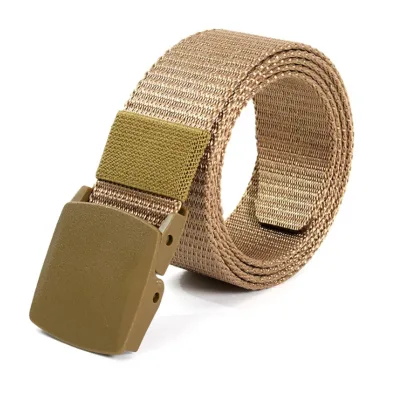
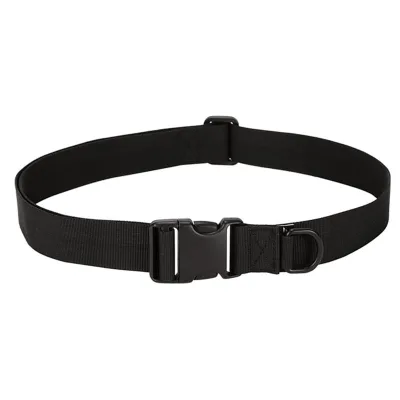
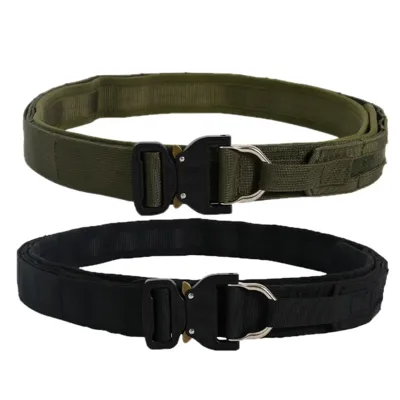


Combat Molle Padded Tactical Waist Belt Outdooor Tactical Belt Metal Buckle
$1.50 - $3.00
MOQ: 20 Pieces


Comprehensive Sourcing Guide
Strategic Sourcing Guide for Customizable MOLLE Tactical Waist Belts
Understanding Product Definitions and Core Specifications
When initiating a procurement process for a Customizable Molle Tactical Waist Belt, buyers must first distinguish between general belt accessories and specialized tactical gear. The market offers a diverse range of items, from standard fashion belts to heavy-duty tactical equipment designed for law enforcement, military applications, and outdoor activities. A critical observation in the current supply landscape is the variation in product naming conventions. Some listings explicitly identify the item as a "High Quality Tactical Belt," while others may categorize it under "Belt Accessories" or simply "Tactical Vest" keywords, which can lead to confusion regarding the actual utility of the product.
The core material composition is a primary differentiator. Supply data indicates that belts are frequently constructed from durable materials such as Nylon or Canvas, with some options allowing for customization based on specific requirements. The structural integrity of the belt is often reinforced by the buckle mechanism. Common hardware specifications include Alloy buckles, which provide a balance of strength and weight. The buckle hardware type is frequently described as a "Buckle Needle" style, a mechanism that ensures a secure fit during high-movement activities. Buyers should verify that the buckle color, often available in Black, Silver, or Green, aligns with their operational or branding needs.
Size specifications vary significantly across the product range. Standard lengths observed in the market include fixed measurements like 125cm, while other models offer adjustable ranges such as 90-150cm with a width of 2.4cm. For a more tailored fit, some specifications indicate a size range that accommodates waists from 32 to 50 inches. This variability necessitates a precise review of the "prod_standard" or size charts provided by the supplier to ensure the belt fits the intended user demographic, which is typically adults. The "Type" of the product is often listed as "Belt Accessories," but the functional intent is clearly tactical, requiring robust construction to support the MOLLE (Modular Lightweight Load-carrying Equipment) system for attaching pouches and gear.
Compliance, Certification, and Quality Standards
In the B2B procurement of tactical gear, verifying supplier compliance and product certifications is non-negotiable. The supply chain for these items often originates from China, a major manufacturing hub for textile and hardware goods. To ensure ethical sourcing and quality consistency, buyers should look for suppliers holding recognized international certifications. Data from the market shows that many reputable manufacturers possess ISO 9001 certification, which validates their quality management systems. Additionally, social compliance certifications such as BSCI (Business Social Compliance Initiative) and Sedex are frequently cited, indicating adherence to labor standards and ethical trading practices.
When evaluating a potential supplier, the presence of these certifications should be treated as a baseline requirement rather than a guarantee of product performance. Buyers must request valid, up-to-date certificates and verify their authenticity through the issuing bodies. The "Certification" field in product listings often aggregates these standards, listing them as "ISO 9001/BSCI/Sedex." However, it is the buyer's responsibility to confirm that the specific production facility for the order holds these credentials.
Quality standards for tactical belts extend beyond documentation to physical specifications. The "prod_standard" often includes detailed dimensions, such as length in centimeters or waist fit ranges. For instance, a standard might specify a length of 125cm or a range of 80-100cm. These measurements are critical for ensuring the belt functions correctly with MOLLE webbing systems. Furthermore, the "Customized" attribute is a key feature for tactical belts, allowing buyers to specify material types, buckle styles, and branding. The ability to accept a "Customized Logo" is a common service offering, enabling companies to brand their tactical gear for uniformity or corporate identity.
Cost Drivers and Pricing Dynamics
The pricing structure for customizable tactical waist belts is influenced by several variables, including material quality, customization complexity, and order volume. The observed price range in the market spans from approximately $0.61 to $60 per unit. This wide disparity reflects the difference between basic belt accessories and high-end, fully customized tactical gear. The lower end of the spectrum typically corresponds to standard models with minimal customization, while the higher end includes premium materials, complex hardware, and extensive branding services.
Minimum Order Quantity (MOQ) is another significant cost driver. The market data indicates an MOQ range from 1 to 3,000 units. Buyers seeking small batches or samples may find suppliers with low MOQs, but this often comes with a higher per-unit cost. Conversely, larger orders allow for economies of scale, reducing the unit price. The "Service" type, often listed as OEM (Original Equipment Manufacturer) or ODM (Original Design Manufacturer), also impacts pricing. OEM services, where the buyer provides the design, may have different cost structures compared to ODM services, where the supplier provides the design and branding.
Additional costs may arise from packaging requirements. Standard packaging might involve placing two pieces of the belt into a single polybag, while other specifications require precise box dimensions, such as 10cm x 10cm x 10cm or 30cm x 25cm x 5cm. Custom packaging solutions, such as 100 pieces per export box, can affect the overall logistics cost. Buyers must factor in these packaging specifications when calculating the total landed cost, as they influence shipping volume and handling fees.
Typical Applications and Functional Requirements
The primary application for customizable MOLLE tactical waist belts is in environments requiring modular equipment attachment. These belts are designed to support the MOLLE system, allowing users to attach various pouches, holsters, and tools securely. The "Match Clothes" attribute often suggests a "Casual" style, but the functional design is inherently tactical. This makes them suitable for law enforcement, military personnel, security teams, and outdoor enthusiasts who require reliable gear for field operations.
The "Buckle Styles" and hardware are critical for these applications. A "Buckle Needle" mechanism ensures that the belt remains secure under stress, preventing accidental release during physical activity. The material choice, whether Nylon or Canvas, must withstand wear and tear. Nylon is often preferred for its water resistance and durability, while Canvas offers a rugged, traditional aesthetic. The "Belt Color" is often customizable, allowing for color coordination with uniforms or operational requirements.
For tactical vests or other gear, the belt serves as a foundational component. The "Item Name" and "Keywords" in product listings sometimes include "Tactical Vest," indicating that these belts are part of a broader gear ecosystem. Buyers should ensure that the belt's width and webbing compatibility match the specific MOLLE systems used in their organization. The "Size" specification, accommodating waists from 32 to 50 inches, ensures a wide range of users can be accommodated, which is essential for uniformed services or large-scale deployments.
Supplier Evaluation and Production Capabilities
Evaluating a supplier for tactical belt production requires a deep dive into their manufacturing capabilities and service offerings. The "Service" attribute, listing "OEM ODM," indicates that the supplier can handle both design and manufacturing. Buyers should assess the supplier's ability to manage the "Customization" process, including logo application and material selection. The "Production Time" is a critical metric, with observed lead times ranging from 50 days for standard production to shorter windows for specific models.
Sample availability is another key factor. Suppliers often provide samples with a "Sample Time" of 7-15 days or even 3-5 days for expedited requests. This allows buyers to verify the quality of materials, the functionality of the buckle, and the accuracy of the customization before committing to a large order. The "Delivery Time" after confirmation is also vital, with typical ranges observed between 35-55 days. Buyers must align these timelines with their operational schedules to avoid delays in deployment.
The "prod_packing" specifications provide insight into the supplier's attention to detail. Whether the belts are packed individually in polybags or in bulk export boxes, the packaging must protect the product during transit. The "prod_origin" being China is a common fact, but buyers should verify the specific factory location and capacity to ensure consistent quality. The "Arrival Time" for shipments, often listed as 30 days or 30-35 days, should be factored into the overall supply chain planning.
Quality Control and Long-Term Procurement Strategy
Implementing a robust quality control (QC) strategy is essential for maintaining the integrity of tactical gear. Buyers should establish clear acceptance criteria based on the "prod_standard" and "prod_model" specifications. Regular inspections should verify the material strength, buckle durability, and stitching quality. The "Buckle Color" and "Buckle Hardware" must match the approved samples exactly to ensure consistency across the order.
For long-term procurement, building a relationship with a reliable supplier is crucial. The "Customization" and "Logo" options allow for brand consistency over time. Buyers should negotiate contracts that include quality guarantees and clear terms for handling defects. The "Certification" status should be reviewed annually to ensure ongoing compliance. Additionally, maintaining a buffer stock of critical components, such as buckles or webbing, can mitigate supply chain disruptions.
The "Lead Time" variability, ranging from 3-5 days for samples to 55 days for full production, requires flexible planning. Buyers should develop contingency plans for urgent orders, leveraging suppliers with faster sample times or local warehousing options. By focusing on these strategic elements, organizations can secure a reliable supply of high-quality, customizable MOLLE tactical waist belts that meet their operational demands.
Summary of Key Sourcing Parameters
To facilitate a streamlined procurement process, buyers should reference the following summary of key parameters observed in the market. This table consolidates the critical data points for quick reference during supplier evaluation.
| Parameter | Observed Range / Standard | Notes for Verification |
|---|---|---|
| Material | Nylon, Canvas, Alloy | Verify tensile strength and water resistance. |
| Buckle Type | Buckle Needle, Alloy | Check for secure locking mechanism. |
| Certifications | ISO 9001, BSCI, Sedex | Request valid certificates for the specific factory. |
| MOQ | 1 - 3,000 Units | Negotiate based on order volume and customization. |
| Production Time | 35 - 55 Days | Confirm timeline against operational deadlines. |
| Sample Time | 3 - 15 Days | Use samples to validate quality before mass production. |
| Packaging | Polybag, Export Box | Ensure packaging protects product during transit. |
| Size Range | 32-50" Waist, 90-150cm | Match to user demographic requirements. |
| Customization | Logo, Color, Material | Define exact specifications in the purchase order. |
By adhering to these guidelines and maintaining a rigorous approach to supplier evaluation and quality control, buyers can effectively source customizable MOLLE tactical waist belts that meet the highest standards of performance and reliability.
FAQs
What materials are used for customizable molle tactical waist belts?
Belts are typically constructed from durable Nylon or Canvas materials. Some models allow for customization based on specific requirements, while the buckle hardware is frequently made of Alloy to ensure strength and a secure fit during high-movement activities.
Which certifications do manufacturers of these belts usually hold?
Reputable suppliers often hold ISO 9001, BSCI, and Sedex certifications. These credentials validate quality management systems and adherence to ethical labor standards, ensuring that the production facility meets international compliance requirements for tactical gear.
How long does production take for a custom order?
Standard production time is approximately 50 days after order confirmation. Sample times vary from 3 to 15 days depending on complexity, while delivery times after confirmation typically range between 35 and 55 days for full shipments.
Can I add a custom logo to the tactical belt?
Customized logos are available on many models to support branding needs. Buyers should verify specific product listings as some items explicitly accept custom logos while others may not, depending on the specific model and customization service offered.
What are the standard size specifications for these belts?
Standard lengths include fixed measurements like 125cm or adjustable ranges such as 90-150cm. Some specifications indicate a size range that accommodates waists from 32 to 50 inches, ensuring a fit for a wide demographic of adult users.
What is the minimum order quantity for these tactical belts?
The minimum order quantity ranges from 1 to 3000 units depending on the supplier. Lower MOQs allow for small batches or samples but often result in higher per-unit costs compared to larger orders that benefit from economies of scale.