Source Customizable Reed Diffuser for Home, Beauty, and Health Care
Explore 30 Customizable Reed Diffuser options with varying capacities, stick materials, and scent strengths. Buyers can compare glass bottle designs, rattan or fiber sticks, and packaging details to find suitable solutions for home, beauty, and health care applications.
Key considerations
Products List


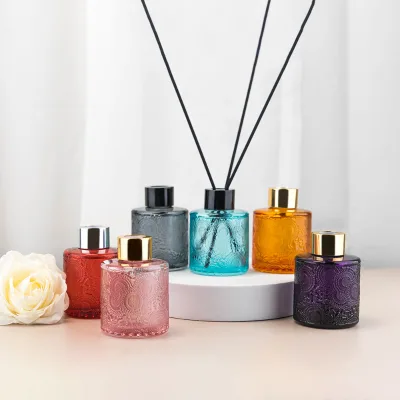


$0.45 - $0.60
MOQ: 3000 Pieces


Comprehensive Sourcing Guide
Strategic Sourcing Guide for Customizable Reed Diffusers
Understanding Product Specifications and Variability
When sourcing customizable reed diffusers, buyers must first navigate the significant variance in technical specifications that define the final product's performance and aesthetic appeal. The core component of this category is the reed stick itself, which acts as the primary mechanism for fragrance volatilization. In the current market, two distinct material profiles dominate: natural rattan and artificial fiber. Natural rattan sticks, often cited as a premium option, possess a porous structure that facilitates the capillary action necessary for liquid fragrance to travel from the bottle to the air. Conversely, artificial fiber reeds offer a consistent manufacturing profile, potentially providing a more uniform scent release over time. The length of these reeds is a critical specification that varies by model, with observed standard lengths ranging from 8 inches to 10 inches. This dimension directly impacts the surface area available for evaporation and the visual proportion of the diffuser within a room.
The liquid component of the diffuser is equally variable, with capacity options observed across a broad spectrum. Buyers may encounter products with capacities as low as 50 ml or as high as 200 ml, with 100 ml and 150 ml being common intermediate sizes. The bottle material is typically glass, chosen for its chemical inertness and aesthetic clarity, though some configurations may incorporate aluminum elements in the cap or neck. The standard dimensions for the bottles also vary significantly, with specific model profiles ranging from compact 9.3 cm squares to taller 25.2 cm configurations. These physical constraints are not merely aesthetic; they dictate the volume of fragrance oil required and the stability of the unit on a shelf or table. Furthermore, the scent strength is a customizable attribute, with market offerings ranging from mild to strong profiles. This variability allows buyers to tailor the product to specific environments, such as a small hotel bathroom requiring a mild scent versus a large lobby needing a strong presence. The duration of the fragrance is another key performance metric, with observed lifespans varying from 30 days to 90 days depending on the ratio of oil to reed surface area and the volatility of the fragrance blend.
Compliance, Certification, and Safety Standards
Navigating the regulatory landscape for reed diffusers requires a rigorous approach to compliance, particularly given the product's classification as a consumer good intended for indoor use. While specific certification statuses for individual suppliers are not universally standardized in the provided data, buyers must verify that the fragrance oils and the materials used in the reeds and bottles meet international safety standards. The primary concern involves the chemical composition of the liquid fragrance, which must be free from prohibited allergens and toxic substances. Buyers should request Safety Data Sheets (SDS) for the fragrance oils to ensure compliance with regulations such as REACH in Europe or TSCA in the United States.
Additionally, the packaging materials must adhere to environmental and safety standards. The observed use of 3-layer corrugated boxes with paper inserts suggests a focus on protection during transit, but buyers should verify that the paper and cardboard are sourced from sustainable forestry programs if sustainability is a procurement goal. The glass bottles must be tested for thermal shock resistance and mechanical strength to prevent breakage during shipping and handling. For products originating from specific regions like Shanghai or Taiwan, local manufacturing standards apply, but international buyers should ensure these align with their destination market's import requirements. The "D6.5H9.2" or "L11.8W11.8*H23.5cm" standards mentioned in product data refer to physical dimensions rather than safety certifications, so buyers must not conflate dimensional specifications with regulatory compliance. Instead, the focus should remain on verifying that the materials used in the glass, the aluminum caps, and the reeds do not leach harmful chemicals into the fragrance oil or the surrounding air.
Cost Drivers and Pricing Dynamics
The pricing structure for customizable reed diffusers is influenced by a complex interplay of material costs, customization levels, and order volume. The observed price range in the market spans from $0.01 to $8.37 USD, a wide variance that reflects the difference between basic, unbranded units and highly customized, premium configurations. Several key factors drive these costs. First, the material of the reed stick plays a significant role; natural rattan is generally more expensive than artificial fiber due to the harvesting and processing requirements. Second, the capacity of the bottle and the quality of the fragrance oil are major cost determinants. A 200 ml bottle filled with a complex, high-concentration fragrance blend will naturally cost more than a 50 ml unit with a standard scent.
Customization is another primary cost driver. The ability to customize the shape, color, and neck size of the bottle adds to the manufacturing complexity and tooling costs. Suppliers offering "ODM" (Original Design Manufacturing) services, as indicated by model numbers like ODMF17-092046, often charge a premium for the design and engineering effort involved. Furthermore, the Minimum Order Quantity (MOQ) significantly impacts the unit price. While some suppliers may accept orders as low as 1 unit for sampling, bulk orders often require MOQs ranging from 3,000 sets to 10,000 units. The relationship between volume and price is inverse; higher volumes typically yield lower per-unit costs due to economies of scale in production and shipping. Buyers must also consider the cost of packaging, which can vary from simple paper boxes to multi-layer corrugated solutions with custom inserts. The weight of the product, observed at approximately 0.3 kg to 0.34 kg, also influences shipping costs, which can be a substantial portion of the total landed cost for international buyers.
Typical Applications and Market Segmentation
Reed diffusers serve a diverse range of applications, extending beyond simple home fragrance to include commercial and institutional settings. The primary usage categories observed include fresh air maintenance, health care, decoration, and odor removal. In the residential sector, these products are widely used in living rooms, bedrooms, and bathrooms to create a welcoming atmosphere and mask household odors. The "Health Care" usage category suggests that some diffusers are formulated with essential oils or aromatherapy blends intended to promote relaxation or improve mental well-being. This positioning allows buyers to target the growing wellness market, where consumers seek products that offer both aesthetic and functional benefits.
In the commercial sector, reed diffusers are increasingly utilized in hotels, spas, and retail stores. The ability to customize the scent strength and duration makes them ideal for creating a signature brand ambiance. For instance, a hotel lobby might require a strong, long-lasting scent to create a memorable first impression, while a spa treatment room might benefit from a mild, calming fragrance. The "Decoration" aspect of the product also makes it a viable option for interior design projects, where the bottle shape and color can be matched to the room's decor. The versatility of the product allows it to be used in various environments, from small offices to large event spaces. Buyers should consider the specific needs of their target market when selecting a supplier, ensuring that the customization options align with the intended application. For example, a supplier offering "Natural Rattan" sticks might be better suited for a luxury home decor brand, while a supplier with "Artificial Fiber" options might be more appropriate for a high-volume commercial contract where consistency and durability are paramount.
Supplier Evaluation and Quality Control Protocols
Evaluating suppliers for customizable reed diffusers requires a multi-faceted approach that goes beyond price comparisons. Buyers should prioritize suppliers who demonstrate transparency in their production processes and offer robust quality control measures. The presence of specific model numbers, such as ODMF14-121104 or DI090_N, indicates a level of standardization and product history, which can be a positive indicator of supplier reliability. However, buyers must verify that the supplier can consistently meet the specified dimensions and material requirements. For instance, if a buyer requires a 10-inch reed stick, they must confirm that the supplier's production line can maintain this length with minimal variance.
Quality control should be a central part of the procurement process. Buyers should implement a sampling strategy before committing to large orders. The observed sample time of 7-15 days provides a window for testing the product's performance, including the volatility of the fragrance, the stability of the reeds, and the integrity of the packaging. During the sampling phase, buyers should test the diffuser in various environmental conditions to ensure the scent strength and duration meet expectations. Additionally, buyers should verify the supplier's ability to handle customization requests, such as custom bottle shapes or colors, by reviewing their design capabilities and past project portfolios. It is also crucial to assess the supplier's logistics capabilities, including their ability to pack products in 3-layer corrugated boxes with paper inserts to prevent damage during transit. The origin of the product, whether from Shanghai, China, or Taipei, Taiwan, may also influence the buyer's decision based on factors such as shipping times, import duties, and geopolitical considerations.
Long-Term Procurement and Relationship Management
Building a sustainable procurement strategy for reed diffusers involves more than just securing a one-time order; it requires establishing a long-term relationship with a reliable supplier. The customization nature of the product means that buyers often need ongoing support for design iterations, scent adjustments, and packaging updates. A supplier who offers flexible MOQs and responsive customer service can be a valuable partner in navigating the evolving market demands. Buyers should look for suppliers who are willing to collaborate on product development, offering insights into new trends in fragrance and design.
Long-term considerations also include supply chain resilience. Buyers should assess the supplier's ability to scale production in response to demand fluctuations and their contingency plans for potential disruptions. The observed lead times and sample times provide a baseline for planning, but buyers should negotiate clear terms for production schedules and delivery timelines. Furthermore, buyers should consider the environmental impact of their procurement choices, seeking suppliers who prioritize sustainable materials and eco-friendly packaging. By fostering a collaborative relationship with a supplier, buyers can ensure a steady supply of high-quality, customizable reed diffusers that meet their specific market needs and brand values. This strategic approach not only mitigates risks but also positions the buyer to capitalize on emerging opportunities in the home fragrance and interior design markets.
Comparative Analysis of Key Product Attributes
To facilitate informed decision-making, the following table summarizes the key attributes observed in the market for customizable reed diffusers. This comparison highlights the variability in specifications and helps buyers identify the features most relevant to their specific procurement needs.
| Attribute | Observation Range / Options | Key Consideration for Buyers |
|---|---|---|
| Stick Material | Natural Rattan, Artificial Fiber | Rattan offers natural aesthetics; Fiber offers consistency. |
| Reed Length | 8 inches, 10 inches | Impacts surface area and visual proportion. |
| Bottle Capacity | 50 ml, 100 ml, 150 ml, 200 ml | Determines fragrance volume and duration. |
| Scent Strength | Mild, Strong | Aligns with room size and intended atmosphere. |
| Duration | 30 days, 90 days | Influences refill frequency and customer satisfaction. |
| Bottle Material | Glass, Aluminum (caps) | Glass for clarity; Aluminum for cap durability. |
| Packaging | 3-Layer Corrugated Box, Paper Insert | Ensures protection during shipping. |
| Customization | Shape, Color, Neck Size, Scent | Critical for brand differentiation. |
| MOQ | 1 (Sample) to 10,000 (Bulk) | Affects unit cost and inventory planning. |
| Origin | Shanghai (China), Taipei (Taiwan) | Impacts shipping costs and lead times. |
This comparative overview underscores the importance of defining clear requirements before engaging with suppliers. By understanding the specific attributes that matter most to their business, buyers can streamline the sourcing process and secure products that deliver value and performance.
FAQs
What materials are used for reed sticks in customizable diffusers?
Reed sticks are typically made from natural rattan or artificial fiber. Natural rattan offers a porous structure for capillary action, while artificial fiber provides a consistent manufacturing profile for uniform scent release over time.
What capacity options are available for the liquid fragrance bottles?
Bottle capacities range from 50 ml to 200 ml, with 100 ml and 150 ml being common intermediate sizes. Buyers can select specific volumes based on their desired scent duration and room size requirements.
How long does the fragrance typically last in a reed diffuser?
The fragrance duration varies from 30 days to 90 days depending on the oil-to-reed ratio and volatility. Longer durations are often achieved with larger capacities and specific fragrance blends designed for slow volatilization.
Can buyers customize the shape and color of the diffuser bottles?
Yes, customization is available for both shape and color of the glass bottles. Suppliers can accommodate specific design requests, allowing buyers to match the diffuser aesthetic to their brand or interior decor needs.
What is the standard reed stick length for these products?
Standard reed stick lengths observed are 8 inches and 10 inches. The length impacts the surface area for evaporation and the visual proportion of the unit within a room or commercial space.
How are the products packaged for safe international shipping?
Products are packed in 3-layer corrugated boxes with paper inserts to prevent damage. Some configurations use 24 or 12 pieces per carton, ensuring stability during transit and handling by logistics partners.
What are the typical minimum order quantities for bulk purchases?
Minimum order quantities vary significantly, ranging from 1 unit for sampling up to 10,000 units for bulk orders. Specific suppliers may require MOQs of 3,000 sets, impacting the unit price through economies of scale.