Source Customizable School Exercise Book for Gift Promotion School
Find 30 options for a Customizable School Exercise Book suitable for gifts, promotions, and school use. Buyers can compare binding styles, paper types, and customization features to select the best fit for their needs.
Key considerations
Products List


Professional Manufacturing Hard Cover Education School Printing Board Book
$0.85 - $1.30
MOQ: 500 Pieces

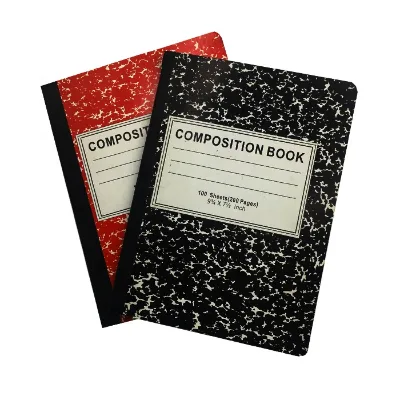
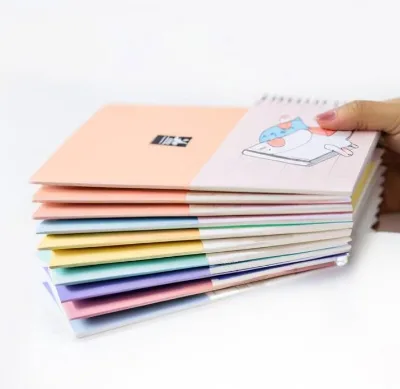


Hot Sell Custom Book Printing Children Activity Workbook Exercise Book Text Book
$0.50 - $1.50
MOQ: 500 pieces


Comprehensive Sourcing Guide
Strategic Sourcing Guide for Customizable School Exercise Books
Navigating the global market for customizable school exercise books requires a disciplined approach that balances educational utility with cost efficiency and brand alignment. For procurement officers and educational administrators, the term "Customizable School Exercise Book" encompasses a wide spectrum of products, from simple spiral-bound notebooks to hardcover diaries designed for specific institutional needs. The following guide synthesizes observed market data and technical attributes to provide a framework for evaluating suppliers and selecting the right product specifications. This analysis focuses on the tangible characteristics of available inventory, ensuring that procurement decisions are grounded in verified product attributes rather than speculative claims.
Technical Specifications and Material Composition
The foundation of any successful procurement of exercise books lies in a precise understanding of technical specifications. Based on current market observations, the Customizable School Exercise Book market offers a diverse array of binding styles, paper types, and cover materials. Buyers must distinguish between these variations as they directly impact durability and usability in a school environment.
The binding method is a primary differentiator. The market data indicates three distinct binding technologies available for these products: Perfect Binding, Saddle Stitched, and Spiral binding. Perfect binding, often associated with a professional, book-like appearance, is suitable for notebooks requiring a clean spine. Saddle stitching is typically found in thinner publications, while spiral binding offers the distinct advantage of allowing the book to lay flat, a feature highly valued in classroom settings for writing and note-taking.
Paper composition is equally critical. The inner material is predominantly identified as Offset Paper, which provides a smooth surface for writing while maintaining cost-effectiveness. The page count is another variable specification; observed ranges indicate inner pages typically consist of 40 to 60 sheets. This range allows for customization based on the intended academic term or subject matter. Furthermore, the inside print format is often bespoke, with horizontal lines being a standard configuration for general school use. However, the capability for bespoke inside printing suggests that buyers can request specific layouts, such as grid or blank pages, depending on the curriculum requirements.
Cover construction varies significantly between flexible and rigid options. Some products feature a hard cover made from hard paper or cardboard, often finished with film lamination to enhance durability and water resistance. Others may utilize a printed cover design. The standard dimensions observed include A5, A4, and specific metric measurements such as 17x22 cm and 21x29.7 cm. Buyers should verify the exact size requirements against their inventory systems, as the market accepts custom sizes, but standardization is often preferred for logistical ease.
Design Customization and Branding Capabilities
One of the primary drivers for sourcing customizable exercise books is the ability to integrate branding or specific educational themes. The market data confirms that customization is widely available, extending from the cover design to the internal layout. Suppliers frequently offer free design services, allowing buyers to submit their own artwork or utilize provided templates.
The printing process for the cover is typically CYMK, ensuring full-color reproduction of logos, illustrations, and text. This is essential for schools looking to create a unified visual identity for their stationery. The ability to add a customized logo is a standard feature, enabling institutions to brand their materials with school crests or educational slogans. Additionally, the surface finish often includes film lamination, which not only protects the cover from wear and tear but also enhances the visual quality of the printed design.
The flexibility of customization extends to the interior as well. While horizontal lines are common, the "bespoke" nature of the inside print allows for tailored educational tools. Whether it is specific subject headers, pre-printed worksheets, or unique page numbering, the ability to modify these elements is a key value proposition. The product type can range from a standard exercise book to a diary or a board book, indicating that the customization scope is broad enough to accommodate various educational stages, from early childhood to secondary education.
Cost Drivers and Pricing Dynamics
Understanding the cost structure of exercise books is vital for budget management. The observed price range in the market spans from $0.03 to $2.80 USD. This wide variance is not indicative of a single product tier but rather reflects the complexity of the order. Several factors drive these costs, with order quantity being the most significant. The Minimum Order Quantity (MOQ) ranges from 50 to 100,000 units, suggesting that economies of scale play a massive role in the final unit price.
For smaller orders, the unit cost will likely be at the higher end of the spectrum due to the fixed costs of setup and printing. Conversely, bulk orders of 100,000 units can drive the price down to the lower end, making these products highly competitive for large school districts or national distribution programs. The pricing is explicitly stated as "subject to order quantity," meaning that buyers should expect a tiered pricing model.
Other cost drivers include the choice of materials and finishing options. A hard cover with film lamination will inherently cost more than a soft cover with standard printing. Similarly, the inclusion of a customized logo or bespoke interior printing may incur additional setup fees or higher per-unit costs compared to standard stock designs. The payment terms are noted as "can discuss," indicating that financial flexibility is often available for established buyers or large-volume contracts. Buyers should factor in these variables when forecasting their total procurement budget.
Typical Applications and Usage Scenarios
The versatility of customizable school exercise books allows them to serve multiple functions within the educational ecosystem. The observed usage categories include School, Gift, Promotion, and Pocket use. This diversity suggests that these products are not limited to traditional classroom instruction but also serve as marketing tools and incentives.
In a school setting, these books are primarily used for note-taking, homework, and examinations. The specific binding type influences their application; for instance, spiral-bound books are ideal for art classes or technical subjects where flat laying is necessary, while perfect-bound books may be preferred for formal coursework or yearbooks. The "Pocket" usage category implies that smaller, more portable versions are available for students who need to carry materials between home and school or for field trips.
Beyond the classroom, these books are frequently utilized for promotional purposes. Schools, educational NGOs, and private tutoring centers often use branded exercise books as gifts to students, parents, or partners. The ability to customize the cover with a logo or specific message makes them effective tools for brand awareness and community engagement. The "Gift" and "Promotion" tags in the product attributes highlight this dual utility, allowing procurement officers to source a single product line that can serve both operational and marketing needs.
Supplier Evaluation and Quality Assurance
When evaluating potential suppliers for customizable exercise books, buyers must look beyond the basic product listing and assess the supplier's capability to meet specific quality standards. The origin of these products is predominantly China, with specific manufacturing hubs noted in Hefei. While the location provides insight into the supply chain logistics, the primary focus should be on the supplier's adherence to quality control processes.
Quality assurance should begin with the verification of material specifications. Buyers must confirm that the "Offset Paper" used for inner pages meets the required weight and opacity standards to prevent ink bleed-through. The cover material, whether hard paper or cardboard, should be tested for rigidity and resistance to tearing. The surface finish, particularly film lamination, should be inspected for uniformity and adhesion to ensure it does not peel during regular use.
The production process also warrants scrutiny. The use of Offset Printing is standard for high-volume runs, but buyers should verify the supplier's color management capabilities to ensure that the CYMK printing matches the approved proofs. The binding process, whether Perfect, Saddle Stitched, or Spiral, must be robust enough to withstand the rigors of student use. A common failure point in exercise books is the binding breaking; therefore, suppliers should provide evidence of binding strength or offer samples for testing.
Packaging is another critical aspect of quality control. The observed packing methods include shrink bags and cartons, with specific configurations like 3 pieces per shrink and 60 pieces per carton. Proper packaging ensures that the books arrive in pristine condition, preventing damage during transit. Buyers should verify that the packaging is sturdy enough to protect the product and that the labeling is accurate to facilitate inventory management upon arrival.
Long-Term Procurement and Sustainability Considerations
Sourcing exercise books is not merely a one-time transaction but part of a long-term supply chain strategy. The market data indicates that suppliers welcome OEM and ODM services, suggesting a capacity for long-term partnership and continuous product development. This flexibility allows schools to update their stationery designs annually without changing suppliers, ensuring consistency in branding and quality.
Sustainability is an increasingly important factor in educational procurement. While the provided data does not explicitly confirm FSC certification for all products, buyers should actively inquire about the sourcing of paper and cardboard. The use of recycled materials or sustainably sourced wood pulp can be a significant differentiator for institutions with green procurement policies. Even if specific certifications are not listed in the initial product data, the ability to discuss specifications and materials with the supplier opens the door for negotiating sustainable alternatives.
Logistical considerations also play a role in long-term planning. The lead time and export capabilities, particularly to regions like Africa, indicate that these suppliers have experience with international shipping. However, buyers should confirm current lead times and shipping terms to ensure that orders arrive before the start of the academic year. The "Sample" acceptance policy is a valuable tool for long-term planning, allowing buyers to test a small batch before committing to a large order. This reduces the risk of quality issues and ensures that the final product meets the institution's standards.
Summary of Key Product Attributes
To facilitate quick reference during the sourcing process, the following table summarizes the key attributes observed in the market for customizable school exercise books. This comparison highlights the variability in specifications that buyers must navigate.
| Attribute Category | Observed Options | Procurement Consideration |
|---|---|---|
| Binding Type | Perfect Binding, Saddle Stitched, Spiral | Select based on usage (lay-flat vs. durability). |
| Cover Material | Hard Paper, Cardboard, Hard Cover | Hard covers offer better protection; soft covers are lighter. |
| Inner Material | Offset Paper | Verify weight and opacity for writing quality. |
| Page Count | 40-60 Sheets | Adjust based on academic term length or subject needs. |
| Standard Sizes | A5, A4, 17x22cm, 21x29.7cm | Custom sizes are available but standard sizes may reduce cost. |
| Printing Type | CYMK, Offset Printing | Ensure color accuracy and logo resolution. |
| Customization | Logo, Cover Design, Inside Print | Leverage free design services for branding. |
| MOQ Range | 50 - 100,000 Units | Higher volumes significantly reduce unit cost. |
| Origin | Hefei, China | Verify shipping logistics and lead times. |
By adhering to these guidelines and focusing on the verified attributes of the product, procurement officers can make informed decisions that balance cost, quality, and functionality. The customizable nature of these school exercise books offers a unique opportunity to align stationery with educational goals and institutional branding, provided that the selection process is grounded in rigorous evaluation of the available specifications.
FAQs
What binding styles are available for these exercise books?
Three binding styles are available: Perfect Binding, Saddle Stitched, and Spiral. Perfect binding offers a professional look, while spiral binding allows the book to lay flat for easy writing in classroom settings.
Can I request a customized logo on the cover?
Yes, customized logos are available for these exercise books. Suppliers typically use CYMK printing to ensure full-color reproduction of your logo, and free design services are often offered to assist with the layout.
What are the standard dimensions for the inner pages?
Standard dimensions include A5, A4, 17x22 cm, and 21x29.7 cm. However, suppliers accept custom sizes, allowing you to specify exact measurements to meet your specific institutional or educational requirements.
How many sheets are typically included in one book?
The inner pages typically consist of 40 to 60 sheets. This range allows for customization based on the intended academic term, ensuring the book is neither too thin nor too thick for its specific use.
What is the minimum order quantity for these products?
The minimum order quantity ranges from 50 to 100,000 units depending on the supplier and specific configuration. Lower MOQs allow for smaller trials, while larger orders significantly reduce the unit price due to economies of scale.
Where are these exercise books manufactured?
These products are primarily manufactured in Hefei, China. This location serves as a key hub for exporting customizable stationery to various regions, including Africa, ensuring a stable supply chain for international buyers.
Is sample testing available before placing a bulk order?
Yes, sample testing is accepted before committing to a large purchase. This allows buyers to verify the quality of the offset paper, binding strength, and cover finish before approving the full production run.