Source Customizable Racing Kart Steering Wheel for Track, Drift, and Rally
Source a Customizable Racing Kart Steering Wheel from 30 verified listings. Compare options featuring aluminum construction, various diameters, and included accessories like horn buttons and wiring kits to find the ideal fit for your vehicle.
Key considerations
Products List


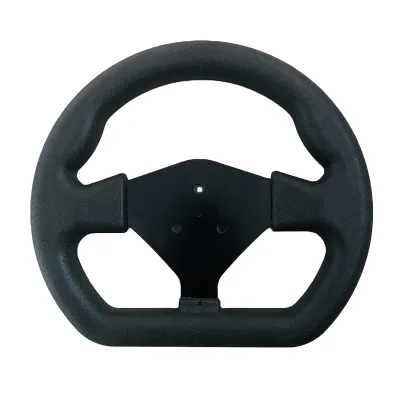


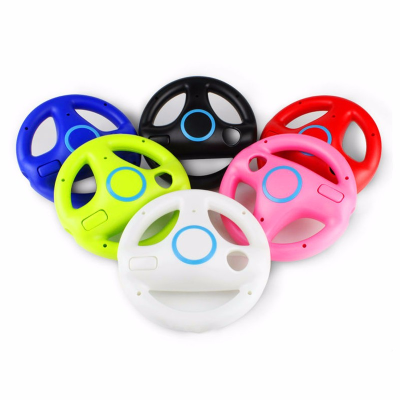
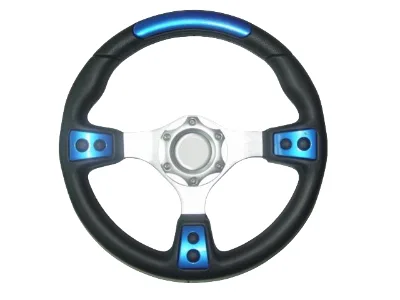


High-Performance Steering Wheel for Go-Kart Racing and Custom Vehicle Builds
$25.00 - $29.00
MOQ: 10 Pieces


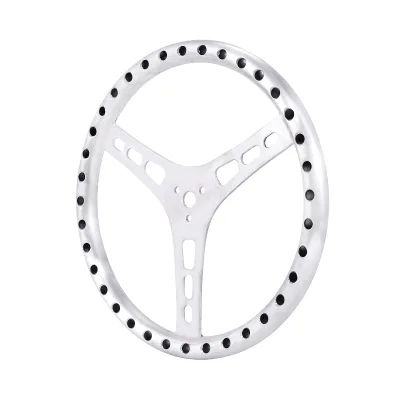
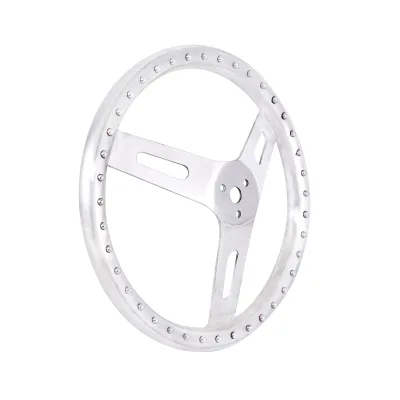
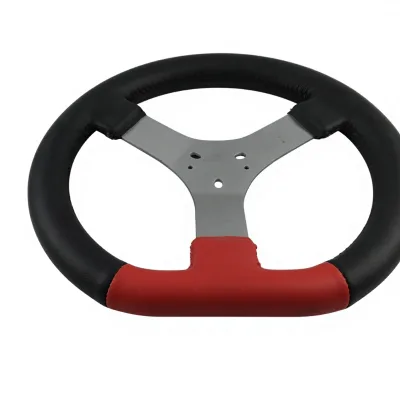
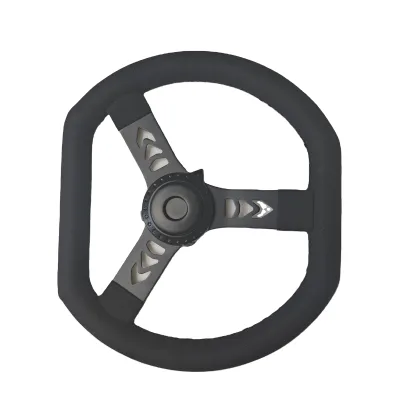

Steel Frame + PU + ABS Racing Steering Wheel Go Kart/Games/Gaming Steering Wheel
$15.00 - $30.00
MOQ: 200 Pieces

Aluminum Alloy Frame+PU Racing Steering Wheel Go Kart/Games/Gaming Steering Wheel
$16.00 - $20.00
MOQ: 50 Pieces

Comprehensive Sourcing Guide
Customizable Racing Kart Steering Wheel Sourcing Guide
Sourcing a Customizable Racing Kart Steering Wheel requires a careful balance between aesthetic personalization and critical safety performance. The market offers a wide array of options, ranging from universal fitment models to those with specific bracket depths and diameters, allowing buyers to tailor the component to their chassis geometry and driver preference. This guide outlines the essential verification steps, technical parameters, and commercial considerations necessary to secure a reliable supply chain for these specialized automotive parts.
Product Scope and Observed Listing Signals
The current market landscape for racing kart steering wheels is characterized by a high degree of variability in dimensions, materials, and included accessories. Listings frequently highlight universal compatibility, suggesting that these components are designed to fit a broad spectrum of kart chassis rather than being exclusive to a single manufacturer. Buyers should observe that product attributes often include specific diameter measurements, such as 330mm, 345mm, or 350mm, which directly influence driver ergonomics and control precision. The presence of "Universal" car fitment tags indicates that the mounting interface is adaptable, but this does not guarantee seamless integration without additional verification of the steering column adapter.
Material composition and aesthetic customization are primary drivers in product selection, with aluminum being a commonly cited material due to its strength-to-weight ratio. Suppliers often provide a variety of color options, including red, blue, black, yellow, silver, orange, green, and purple, allowing teams to match their livery or branding. The outer ring color is frequently described as customizable, supporting the notion that buyers can request specific finishes to meet team identity requirements. However, the inclusion of accessories varies significantly; some packages include horn buttons, covers, screws, wires, and wrenches, while others explicitly state that horn buttons are not included, necessitating a clear review of the packing list before order confirmation.
Technical Specifications to Verify
Dimensional accuracy is paramount when selecting a steering wheel, as incorrect sizing can compromise driver control and safety. Key specifications to verify include the overall diameter, bracket depth, and bracket thickness, as these factors determine how the wheel sits relative to the driver’s hands and the kart’s dashboard. For instance, observed listings indicate bracket depths of 45mm or 65mm and thicknesses of 5mm, which must align with the specific mounting requirements of the kart’s steering column. Buyers must ensure that the selected model’s diameter, whether it is 330mm, 320mm, or 350mm, suits the track type and driver’s physical dimensions, as larger wheels provide more leverage but may reduce maneuverability in tight corners.
The model number and packaging details serve as critical identifiers for inventory management and quality assurance. Each product variant is typically assigned a unique model number, such as 001-GZFXP066-0 or SY-GZFXP0310B, which helps in tracking specific design iterations and compatibility updates. Packaging specifications, such as single package sizes of 36x36x11cm or 47x47x12cm, and gross weights ranging from 1.300kg to 1.600kg, are essential for calculating shipping costs and storage requirements. Additionally, the condition of the product is consistently listed as "New," and the automatic nature of the product attribute suggests a standardized manufacturing process, though buyers should confirm that the "Designed" style does not imply proprietary technology that may limit aftermarket support.
Compliance and Safety Documentation
Safety certification is a non-negotiable aspect of sourcing racing kart components, as the steering wheel is a primary safety interface between the driver and the vehicle. Buyers must verify that the products carry recognized safety certifications, such as CE, which indicates conformity with health, safety, and environmental protection standards for products sold within the European Economic Area. While CE marking is a common observation in listings, it is crucial to understand that this certification primarily addresses general product safety and does not replace specific motorsport safety standards like FIA homologation, which may be required for competitive racing. Therefore, buyers should request detailed certification documents and verify their validity with the issuing body to ensure they meet the regulatory requirements of their target market.
In addition to certification, the structural integrity and material quality of the steering wheel must be assessed through rigorous documentation. The standard designation of "Standard" in product listings suggests adherence to baseline manufacturing norms, but buyers should inquire about specific material grades and testing protocols used in production. Since the material is identified as aluminum, verifying the alloy type and heat treatment process can provide insights into the wheel’s durability and resistance to fatigue under high-stress conditions. Buyers should also confirm that the customization options, such as color finishes, do not compromise the structural integrity of the aluminum or introduce hazardous materials, ensuring that the final product remains safe for high-speed operation.
Cost Drivers and Commercial Terms
The pricing structure for customizable racing kart steering wheels is influenced by several factors, including material costs, customization complexity, and order volume. Observed price ranges in the market span from $0.82 to $36, reflecting the diversity of product quality and feature sets available. Lower-priced items may represent basic models with standard colors and minimal accessories, while higher-priced options likely include premium finishes, custom bracket designs, or comprehensive accessory kits. Buyers should analyze the cost per unit in the context of the included accessories and customization options to determine the true value proposition, avoiding the trap of selecting the lowest price without considering the total cost of ownership.
Minimum Order Quantities (MOQ) and payment terms are critical commercial considerations that impact procurement strategy. MOQs vary widely, with some suppliers requiring as few as 1 piece, while others mandate orders of 10, 50, or up to 200 pieces. This variability allows buyers to test market demand with small orders or secure bulk discounts for larger purchases. Payment methods typically include L/C, D/P, T/T, Western Union, and Money Gram, offering flexibility for international transactions. Buyers should negotiate favorable payment terms based on their relationship with the supplier and the order size, ensuring that financial risks are mitigated through secure payment channels and clear contractual agreements.
Supplier Qualification and Quality Control
Evaluating supplier reliability is essential to ensure consistent product quality and timely delivery. Buyers should assess suppliers based on their production capabilities, quality control processes, and track record in the automotive parts industry. The observation that products originate from Zhejiang, China, provides a geographical context, but buyers should not rely solely on location for quality assurance. Instead, they should request samples to evaluate the build quality, finish, and fitment of the steering wheels before committing to large orders. Additionally, verifying the supplier’s ability to handle customization requests, such as specific bracket colors or diameters, is crucial to ensure that the final product meets the buyer’s specifications.
Quality control measures should be integrated into the procurement process to minimize the risk of defects and non-conformance. Buyers should establish clear quality standards and inspection criteria, including checks for dimensional accuracy, material integrity, and accessory completeness. Regular communication with the supplier regarding production progress and any potential issues can help prevent delays and ensure that the products meet the agreed-upon specifications. Furthermore, buyers should consider implementing third-party inspection services for large orders to provide an independent verification of product quality before shipment, reducing the likelihood of receiving defective or non-compliant goods.
Long-Term Procurement Checks
Establishing a long-term procurement strategy for racing kart steering wheels involves continuous monitoring of supplier performance and market trends. Buyers should regularly review supplier metrics, such as on-time delivery rates, product defect rates, and responsiveness to customer inquiries, to identify areas for improvement. Building a strong relationship with reliable suppliers can lead to better pricing, priority production, and access to new product innovations. Additionally, staying informed about changes in motorsport regulations and safety standards is crucial to ensure that the sourced products remain compliant and competitive in the market.
Sustainability and supply chain resilience are increasingly important considerations in long-term procurement. Buyers should evaluate suppliers’ environmental practices and their ability to maintain supply continuity in the face of potential disruptions, such as raw material shortages or logistical challenges. By diversifying the supplier base and maintaining open lines of communication, buyers can mitigate risks and ensure a steady supply of high-quality steering wheels. Furthermore, investing in feedback loops with end-users, such as kart drivers and teams, can provide valuable insights into product performance and areas for improvement, driving continuous innovation and customer satisfaction.
FAQs
What customization options are available for the steering wheel?
Customization is available for the outer ring color and bracket color, allowing you to support specific design preferences. The product is designed with a universal fitment, making it adaptable for various applications. You can select from multiple colors including red, blue, black, yellow, silver, orange, green, and purple to match your racing kart aesthetic.
What is the minimum order quantity for this steering wheel?
The minimum order quantity varies by model, ranging from 1 piece to 50 pieces. Some listings indicate an MOQ of 10 pieces, while others allow for single unit purchases. This flexibility supports both small-scale testing and larger bulk orders for racing teams or distributors seeking customizable steering components.
How long does delivery take for this product?
The standard delivery time is 7 to 15 days. This timeframe applies to the production and shipping process for the Customizable Racing Kart Steering Wheel. Buyers should account for this lead time when planning inventory or event schedules, ensuring timely arrival of the new condition products with CE certification.
What materials and specifications are used in the steering wheel?
The steering wheel is constructed from aluminum material, offering durability and a lightweight feel. Available diameters include 320mm, 330mm, 345mm, 350mm, and 255mm. The bracket depth ranges from 45mm to 65mm, and the bracket thickness is 5mm. These specifications ensure a secure fit for various racing kart configurations.
What accessories are included with the steering wheel purchase?
Included accessories typically consist of a horn button, horn cover, screws, wire, and a wrench. However, some specific models may not include the horn button. The packaging is provided in black boxes, white boxes, color boxes, or cartons, ensuring safe transport of the single item with its associated hardware components.
Where is this steering wheel manufactured?
The product originates from Zhejiang, China. This location is a known hub for automotive and racing component manufacturing. Buyers can rely on the established supply chain infrastructure in this region to ensure consistent quality and timely production of the customizable steering wheels for global distribution.