Source Customizable Sewing Binding Reading Journal for School, Gift, and Promotion
Find and compare 30 Customizable Sewing Binding Reading Journal options featuring PU covers, magnetic closures, and offset printing. Evaluate specifications like A4/A5 sizes, 60-120 sheet counts, and OEM branding to select the ideal diary or notepad for your business needs.
Key considerations
Products List

Factory Supplied 100 Pages Customized Brand Journal Sewing Hardcover Diary Notebook
$1.09 - $1.31
MOQ: 100 Pieces


Custom Logo PU Leather B5/A5 Sewing Binding Diary Notebook with Thick Pages
$0.99 - $1.21
MOQ: 100 Pieces


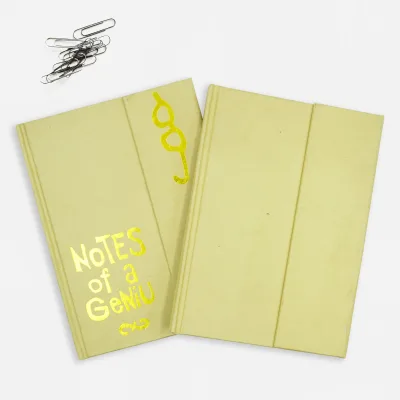
Customized Sewing Binding B5 Magnetic Diary Journal Notebook School Office Use
$0.40 - $0.60
MOQ: 500 pieces


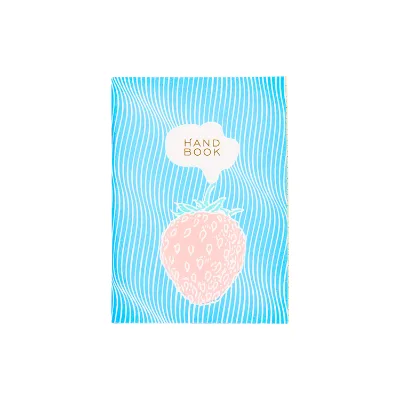
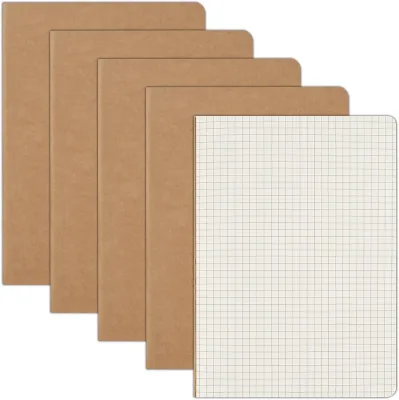
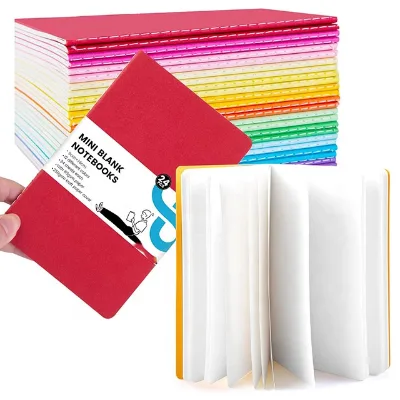


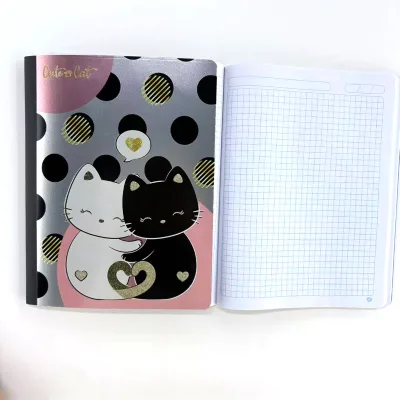
Comprehensive Sourcing Guide
Customizable Sewing Binding Reading Journal Sourcing Guide
Sourcing a Customizable Sewing Binding Reading Journal requires a strategic balance between aesthetic customization and structural durability. The sewing binding method, often referred to as thread sewing or Smyth sewing, is a premium binding technique that allows the journal to lay flat when open, enhancing the reading and writing experience. Unlike perfect binding, which relies on adhesive, sewing binds signatures of pages together with thread, providing superior longevity and resistance to page loss. For buyers seeking high-quality notebooks for promotional gifts, school supplies, or professional diaries, this binding style signals a higher tier of product quality. The customization options available in the market, including cover materials, page counts, and printing methods, allow businesses to tailor the final product to specific brand identities and functional needs.
The current market landscape for these journals is diverse, with suppliers offering a wide range of styles from hardcover diaries to softcover notepads. Observed listings indicate a strong presence of products featuring PU covers, art paper interiors, and various closure mechanisms, including magnetic closures and simple open designs. Buyers must navigate this variety by clearly defining their requirements for page count, cover rigidity, and printing specifications. The availability of OEM and ODM services means that suppliers can accommodate unique design requests, but this also necessitates rigorous verification of the supplier’s capability to execute complex binding and printing processes. Understanding the technical nuances of sewing binding versus other methods is essential for making informed procurement decisions that align with both budget constraints and quality expectations.
Product Scope and Observed Listing Signals
The product scope for customizable sewing binding journals encompasses a broad spectrum of configurations, ranging from mini notepads to full-sized A4 and A5 diaries. Market observations reveal that inner page counts typically range from 60 to 120 sheets, allowing buyers to select the appropriate thickness for their intended use. Cover materials are predominantly PU leather or paper products, with some listings specifying hard cover constructions for enhanced durability. The printing options are extensive, including offset printing and customer-provided artwork, which supports full-color customization for branding purposes. These signals indicate that the market is well-equipped to handle both small-scale promotional items and larger orders for educational or corporate use.
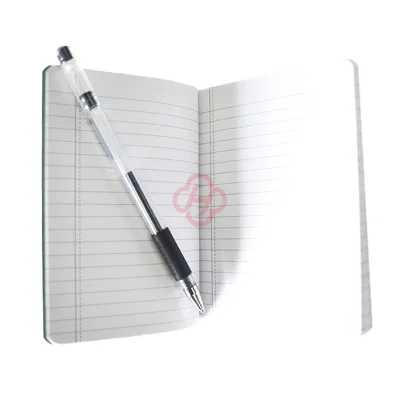
Specific product models observed in the market highlight the versatility of sewing binding applications. For instance, models like MY-76 and MY-116 demonstrate the availability of customized specifications, including size and binding type. Some listings feature horizontal line printing on inside pages, catering to note-taking needs, while others offer plain or specialized paper types. The presence of various styles, such as magnetic closure notebooks and softcover options, suggests that buyers can find products that match specific functional requirements. However, the diversity of offerings also means that buyers must carefully review product descriptions to ensure that the sewing binding is indeed used, as some listings may mix binding types or offer alternative options that do not meet the desired quality standards.
Technical Specifications to Verify
Verifying the technical specifications of sewing binding journals is critical to ensuring product quality and functionality. Buyers should confirm the exact binding method used, distinguishing between true thread sewing and other methods that may mimic the appearance but lack the durability. The number of signatures and the thread type used in the binding process are key indicators of structural integrity. Additionally, the paper type, such as art paper or standard bond paper, should be verified to ensure it meets the writing and printing requirements. The cover material, whether PU or paper, must be assessed for durability and aesthetic appeal, especially if the journal is intended for long-term use or as a premium gift.
Page count and size specifications are also essential technical details that require verification. Listings may indicate inner page counts ranging from 60 to 120 sheets, but buyers should confirm the actual sheet count and paper weight to avoid discrepancies. Size options, including A4 and A5, should be matched to the intended use case, with larger sizes suitable for detailed note-taking and smaller sizes for portability. Printing specifications, such as offset printing and full-color capabilities, should be confirmed to ensure that the final product meets branding standards. Buyers should also inquire about the customization process for artwork and logos, ensuring that the supplier can handle complex designs without compromising the binding quality.
Compliance and Safety Documentation
Compliance and safety documentation are vital for ensuring that customizable sewing binding journals meet regulatory standards and customer expectations. Buyers should request information on the materials used, particularly the PU cover and paper components, to verify that they are free from harmful substances. Certifications related to paper sourcing, such as FSC (Forest Stewardship Council), may be relevant for buyers prioritizing sustainability. Additionally, safety standards for children’s products, if applicable, should be verified to ensure that the journals are safe for use in educational settings. Buyers should also inquire about any testing conducted on the binding strength and durability to ensure that the product can withstand regular use.
Documentation regarding the printing inks and adhesives used in the production process is also important. Buyers should ensure that the inks used for full-color printing are non-toxic and comply with relevant safety standards. If the journals are intended for export, buyers must verify that the products meet the import regulations of the destination country, including labeling and packaging requirements. Requesting a declaration of conformity or a test report from a recognized laboratory can provide assurance that the products meet safety and quality standards. Buyers should also consider the environmental impact of the production process and inquire about any eco-friendly practices adopted by the supplier.
Cost Drivers and Commercial Terms
Cost drivers for customizable sewing binding journals include the complexity of the binding process, the quality of materials used, and the extent of customization required. Sewing binding is more labor-intensive than perfect binding, which can increase production costs. The choice of cover material, such as PU leather versus paper, also impacts the final price, with PU generally being more expensive. Page count and paper quality are additional factors, with higher sheet counts and premium paper types leading to higher costs. Buyers should also consider the cost of customization, including artwork setup fees and minimum order quantities (MOQs), which can vary significantly among suppliers.
Commercial terms, such as pricing structures, payment terms, and lead times, are crucial for effective procurement planning. Buyers should request detailed quotes that break down the costs associated with materials, labor, and customization. MOQs can range from small quantities for promotional items to larger volumes for bulk orders, so buyers should align their order size with their budget and storage capacity. Payment terms, such as deposits and balance payments, should be negotiated to manage cash flow effectively. Lead times are another important consideration, as complex customization and sewing binding processes may require longer production periods. Buyers should also inquire about shipping options and costs to ensure that the total landed cost is within budget.
Supplier Qualification and Quality Control
Supplier qualification is a critical step in sourcing high-quality customizable sewing binding journals. Buyers should assess the supplier’s production capabilities, including their experience with sewing binding and customization. Requesting samples of previous work can provide insight into the quality of the binding, printing, and overall finish. Suppliers with OEM and ODM experience are often better equipped to handle complex design requests and maintain consistent quality. Buyers should also verify the supplier’s production capacity and lead times to ensure that they can meet delivery deadlines.
Quality control measures are essential to ensure that the final products meet the specified standards. Buyers should inquire about the supplier’s quality control processes, including inspections at various stages of production. Requesting a quality assurance plan that outlines testing procedures for binding strength, print quality, and material durability can provide additional assurance. Buyers should also consider conducting third-party inspections or audits to verify the supplier’s compliance with quality standards. Establishing clear communication channels and regular updates during the production process can help identify and address any issues early on, ensuring that the final products meet expectations.
Long-Term Procurement Checks
Long-term procurement checks involve establishing a framework for continuous improvement and relationship management with suppliers. Buyers should regularly review supplier performance based on metrics such as on-time delivery, product quality, and responsiveness to issues. Building a strong relationship with the supplier can lead to better pricing, priority production, and improved service. Buyers should also stay informed about industry trends and technological advancements in binding and printing methods to ensure that their products remain competitive.
Continuous evaluation of product specifications and market demands is essential for adapting to changing customer needs. Buyers should solicit feedback from end-users to identify areas for improvement in design, functionality, and quality. Regularly updating product specifications and customization options can help maintain relevance and appeal in the market. Additionally, buyers should monitor regulatory changes and sustainability trends to ensure that their products remain compliant and aligned with consumer preferences. By maintaining a proactive approach to procurement, buyers can ensure long-term success and sustainability in their sourcing strategies.
FAQs
What customization options are available for the journal?
Customization is available for logos, artwork, and specifications. Buyers can provide their own artwork for printing, and the product accepts customized logos. The inner pages and cover materials can be tailored to specific needs while maintaining the sewing binding style.
How is the journal bound and what is the page count?
The journal features sewing binding, including thread sewing and saddle stitching options. Inner pages typically range from 60 to 120 sheets depending on the specific model. This binding method ensures durability for daily use in schools or promotional events.
Can I order a small quantity of these journals?
Yes, the minimum order quantity starts at 100 pieces for most models. Some listings indicate a range from 50 to 7200 units depending on the supplier. This allows flexibility for small promotional campaigns or sample orders before committing to larger volumes.
What materials are used for the cover and pages?
The cover material is typically PU or paper products, while the inner pages use art paper. The combination of PU and paper creates a durable yet lightweight notebook. These materials support full-color printing and are suitable for diary or planner usage.
Where are these journals manufactured and what is the origin?
The products originate from China, specifically from regions like Guangzhou, Anhui, and Guangdong. Factories in these locations handle the production of various models including softcover and hardcover options. Buyers can expect standard packaging like 1PC per OPP bag.
What styles and colors are offered for the journals?
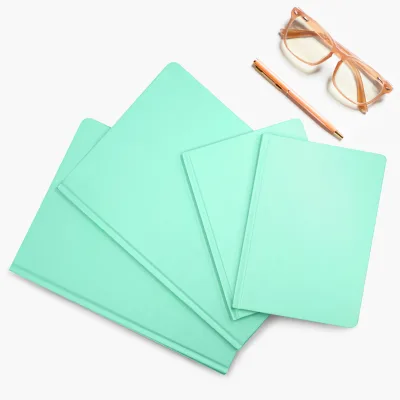
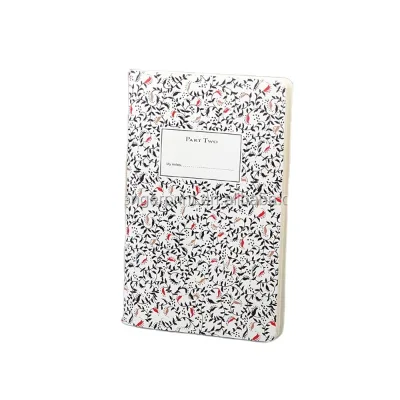
Styles include magnetic closure, hardcover, and softcover designs with printed or customized covers. Colors available range from green and yellow to other custom options. The product models vary from mini notepads to A4 and A5 sizes to suit different user preferences.