Source Customizable Wall Sticker for Home, Office, and Retail
Explore 30 options for customizable wall sticker products suitable for indoor decoration, commercial branding, and household use. Compare features like waterproofing, heat insulation, and self-adhesive application across various materials including vinyl, paper, and PET to find the right fit for your project.
Key considerations
Products List




Comprehensive Sourcing Guide
Customizable Wall Sticker Sourcing Guide
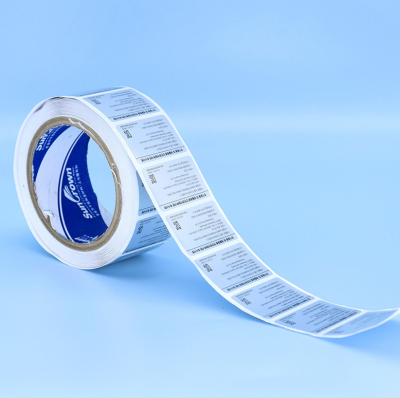
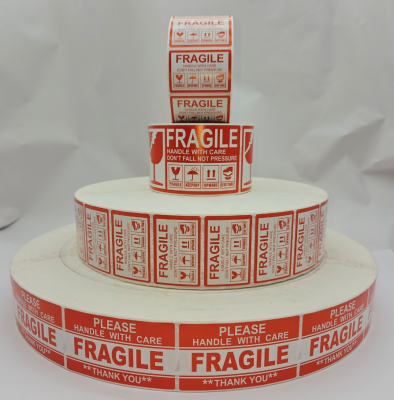
Buyers must first distinguish between decorative wall stickers intended for interior aesthetics and functional adhesive labels designed for industrial packaging. The observed market data indicates a clear divergence where some products feature self-adhesive vinyl for living room decoration, while others utilize PET or paper materials for beverage and food labeling. This distinction is critical because the surface technology and application requirements for a foldable wall sticker differ fundamentally from those required for a shrink label or a barcode sticker.
Procurement teams should verify the specific usage claims against the product model to ensure the selected item matches the intended environment. For instance, a product listed with a "Wall Sticker" name and "Living Room" application requires different durability and aesthetic properties than a "Custom Sticker" designed for medicine or shipping labels. Misidentifying the product type can lead to procurement failures where a decorative item lacks the necessary waterproofing or anti-counterfeit features required for industrial logistics.
Product Scope and Observed Listing Signals
The observed product range reveals significant variation in material composition, with listings explicitly citing Paper, PET, and PVC as primary substrates. Buyers should note that the "Vinyl Wallpaper" category often pairs with "Self Adhesive" application methods for interior decoration, whereas industrial labels frequently employ "Letterpress Printing" or "Offset Printing" on PET films. Understanding these material distinctions is essential for selecting a product that can withstand the specific environmental conditions of its intended use, whether that is a humid bathroom or a cold storage facility.
Surface treatment and finishing processes also vary widely across the available listings, influencing both the visual appeal and functional longevity of the final product. Some suppliers offer "Fold" surface technology for decorative applications, while others provide "Lamination" to enhance the durability of packaging labels. Buyers must carefully review the "Surface Technology" and "Surface Treatment" fields to confirm that the product possesses the necessary resistance to heat, water, or physical abrasion required for the specific project scope.
Technical Specifications to Verify
Dimensional accuracy and standard sizing are primary technical considerations, as observed listings show standards ranging from 70x77 cm to custom requests. While some products adhere to fixed sheet sizes like 77x70 cm, others operate on a "As Per Customer Is Request" basis, allowing for bespoke dimensions. Procurement teams must verify the exact standard dimensions against their installation or packaging requirements to avoid costly rework or material waste during the production phase.
Printing capabilities and design file compatibility are equally critical for ensuring the final output meets brand and functional standards. The market data indicates support for various printing types, including "Offset Printing" and "Letterpress Printing," alongside specific design file formats like Ai, Psd, Pdf, and Cdr. Buyers should confirm that the supplier can handle the required color profiles, such as CMYK or Pantone, and that the printing technology aligns with the need for features like holographic effects or heat-sensitive indicators.
Compliance and Safety Documentation
Safety and regulatory compliance are paramount, particularly when sourcing products intended for food, medicine, or cosmetic applications. The observed listings mention certifications such as ISO 9001 and SGS, which serve as indicators of a supplier's commitment to quality management systems. However, buyers must explicitly request documentation verifying that the specific materials, such as PVC or PET, meet the safety standards required for the intended application, especially regarding chemical migration or toxicity limits.
For products entering the global market, understanding the origin and associated trade terms is necessary to navigate import regulations effectively. Listings indicate origins in cities like Haining and Wuxi, with shipment ports in Shanghai or Ningbo, which influences the logistics chain and potential tariff implications. Buyers should ensure that the supplier provides clear evidence of compliance with destination country regulations, including any specific labeling requirements for food or pharmaceutical products that may differ from general industrial standards.
Cost Drivers and Commercial Terms
Minimum Order Quantities (MOQ) represent a significant cost driver, with observed ranges spanning from 1 unit to 10,000 units depending on the product type. Customized items often carry higher MOQs, such as 3,000 or 5,000 pieces, reflecting the setup costs for specialized printing and material preparation. Buyers must align their order volume with these thresholds to optimize unit pricing, as smaller orders may incur significantly higher per-unit costs or require a premium for custom setup.
Lead times and delivery terms further impact the total cost of ownership and supply chain reliability. The data shows delivery windows ranging from 7 days to 10 days, with some suppliers offering pallet availability and strong export cartons. Procurement teams should negotiate trade terms that account for these lead times and verify the port of shipment to calculate accurate freight costs. Understanding the "Negotiated" nature of trade terms allows buyers to structure contracts that mitigate risks associated with delays or unexpected shipping expenses.
Supplier Qualification and Quality Control
Supplier qualification should extend beyond basic certifications to include an assessment of their customization capabilities and production flexibility. The availability of "Customization" for material, content, usage, and size suggests a high degree of adaptability, but buyers must verify the supplier's capacity to maintain consistency across large batches. It is essential to confirm that the supplier can reliably reproduce the "Design Drawings" provided and that their quality control processes prevent defects in features like waterproofing or anti-counterfeit elements.
Quality control protocols must be rigorously defined to ensure that the final product matches the agreed-upon specifications and standards. Buyers should request samples that demonstrate the "Surface Technology" and "Feature" claims, such as heat insulation or noise deadening, before committing to a large order. Establishing clear acceptance criteria for packing methods, such as polybags or strong export cartons, ensures that the products arrive in pristine condition and are ready for immediate deployment or installation.
Long-Term Procurement Checks
Sustaining a successful procurement relationship requires regular audits of the supplier's ability to maintain consistent quality over time. Buyers should implement periodic checks to verify that the "Material" and "Printing Type" remain unchanged unless a formal variation request is approved. This proactive approach helps prevent drift in product specifications that could compromise the performance of wall stickers or labels in critical applications, ensuring long-term reliability for the end-user.
Strategic planning for future orders involves monitoring the supplier's inventory levels and production capacity to anticipate potential supply chain disruptions. Given the observed lead times and MOQs, buyers should maintain a buffer stock or establish a rolling forecast to ensure continuous availability. Regular communication regarding updates in standards, certifications, or production capabilities will help the procurement team adapt to market changes and maintain a resilient supply chain for customizable wall stickers.
FAQs
Can customizable wall stickers be used for indoor decoration?
Yes, these products are designed for indoor use in living rooms and other interior spaces. They serve as decorative wall stickers that are easy to apply. The self-adhesive feature allows for quick installation on walls without professional help. This makes them ideal for household decoration and entertainment areas.
What materials are used for these wall stickers?
Manufacturers offer options in paper, PVC, and PET materials. Paper versions often use offset printing, while PVC and PET types may feature letterpress printing. The material choice depends on the desired durability and finish. Some variants include waterproof or heat-insulation features for specific application needs.
What are the standard specifications for these stickers?
Common specifications include sizes like 70x77cm, 77x70cm, and 70x70cm. Custom sizes are available based on customer requests. The products are typically packed in polybags, cartons, or films. Standard models like JDL-WALL STICKER or ML-004 follow these dimensions for consistent quality and fit.
How long is the delivery time for orders?
The typical delivery time is around 7 days for standard orders. Some suppliers indicate a range of 7 to 10 days depending on production volume. This lead time applies to most customizable requests. Buyers should confirm specific timelines with the supplier to ensure timely receipt of goods.
What certifications do these products hold?
Products often hold ISO and SGS certifications to ensure quality and safety. Some manufacturers also provide ISO9001 certification for their production processes. These certifications verify that the materials and manufacturing meet international standards. Buyers can request documentation to confirm compliance before placing large orders.
What is the minimum order quantity for customization?
MOQs vary by supplier, with some requiring 3000 pieces and others 5000 pieces. Customization options include material, content, usage, and size. Lower MOQs may be available for standard designs. Buyers should check specific supplier requirements to determine the feasible order volume for their project.