Source Customized Bicycle Bottom Bracket for Mountain Bike, Road Bike, and Kids Bike
Explore 30 listings for Customized Bicycle Bottom Bracket options suitable for mountain bikes, road bikes, and kids bikes. Buyers can compare specifications like material, length, and brand across suppliers from China to find the right fit.
Key considerations
Products List
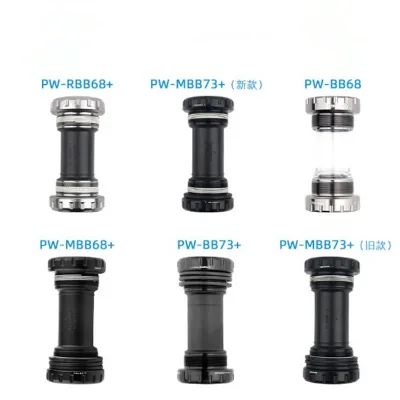
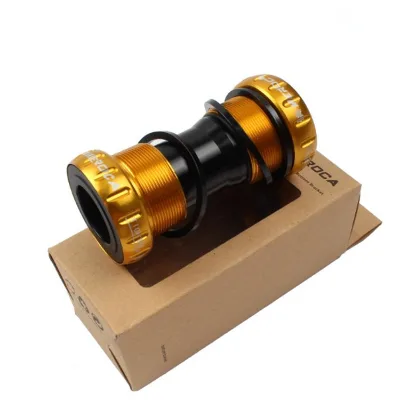
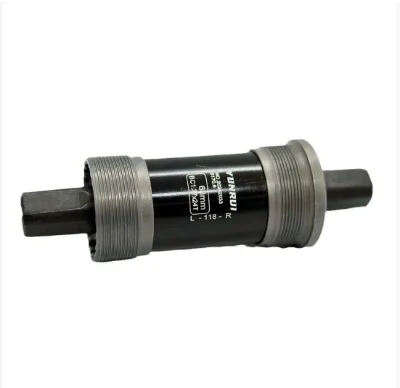
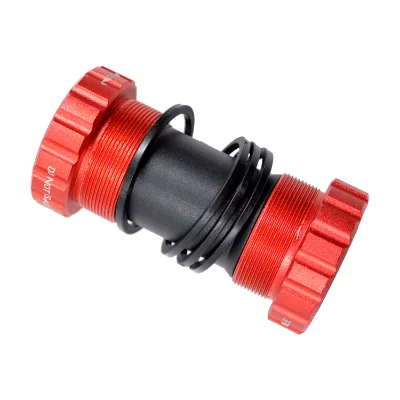
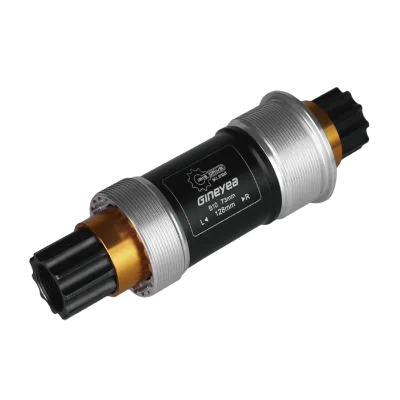


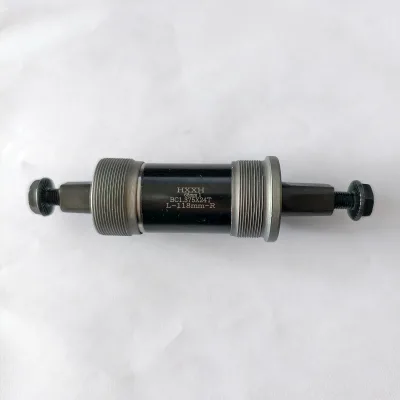
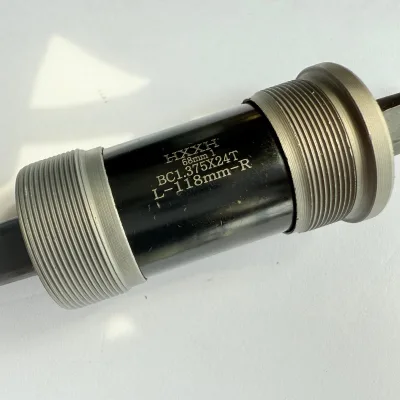
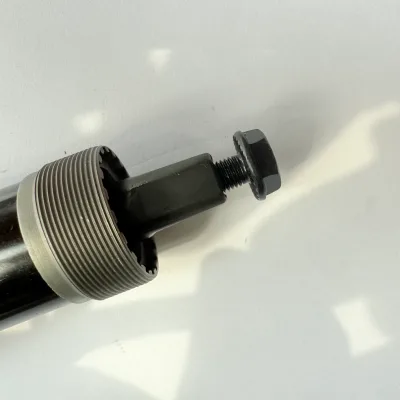
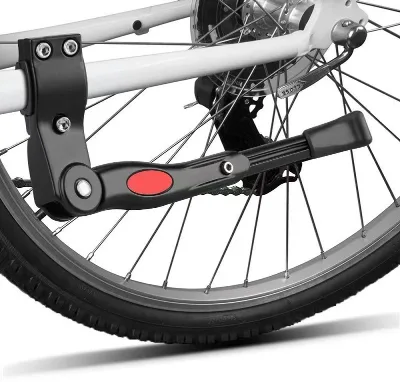
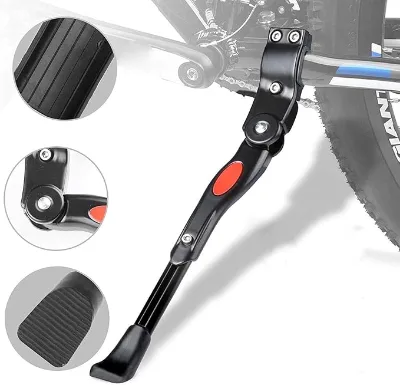
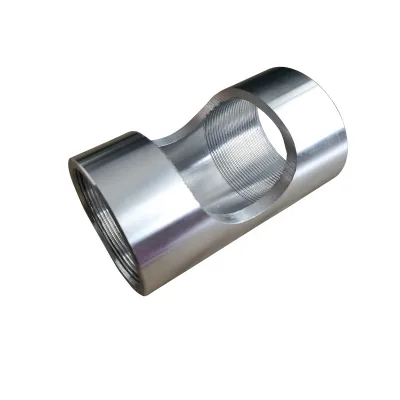


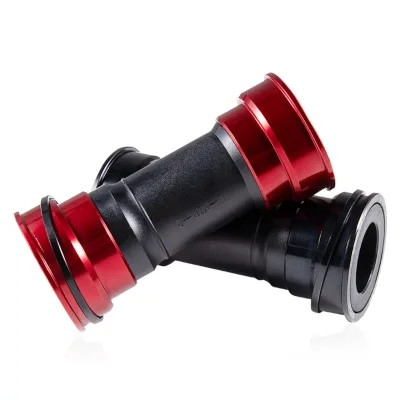
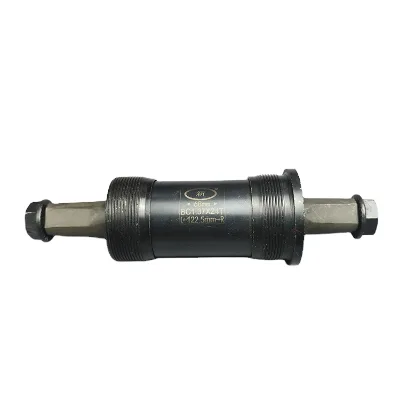
Bicycle Bottom Bracket Bicycle Parts Bb Sealed Bearing Bicycle Middle Axle
$0.16 - $0.36
MOQ: 100 Pieces




Comprehensive Sourcing Guide
Strategic Sourcing Guide for Customized Bicycle Bottom Brackets
The global bicycle component market relies heavily on the bottom bracket as a critical interface between the frame and the drivetrain. For procurement professionals seeking customized bicycle bottom brackets, the decision-making process extends beyond simple price comparison. It requires a deep understanding of material science, thread compatibility, and supply chain reliability. The current market landscape, as observed in active listings, presents a diverse array of options ranging from plastic and aluminum to steel constructions, with origins spanning multiple manufacturing hubs in China. This guide provides a structured approach to navigating these complexities, ensuring that procurement strategies align with technical requirements and quality assurance standards.
Understanding Material Variations and Construction
The foundation of any bottom bracket selection lies in the material composition, which directly influences weight, durability, and cost. Analysis of available product data reveals a significant divergence in material choices. Some listings specify Plastic as the primary material, often paired with specific model numbers like BB68, suggesting applications where weight reduction is secondary to cost efficiency or specific frame compatibility. In contrast, other entries highlight Aluminum construction, sometimes described with specific sub-components such as "Aluminum bowl, nylon middle tube." This hybrid approach aims to balance the structural integrity of metal with the friction-reducing properties of nylon.
Furthermore, Steel remains a prevalent option in the market, particularly for models emphasizing durability over weight savings. A specific observation notes a steel component with a weight of 120g, indicating a robust build suitable for heavy-duty applications. When evaluating suppliers, buyers must verify the exact material grade and composition. The presence of "nylon middle tube" in aluminum descriptions suggests a specific bearing or spacer configuration that requires careful inspection to ensure it matches the intended drivetrain standards. Procurement teams should request material test reports to confirm that the advertised aluminum or steel grades meet the necessary tensile strength and corrosion resistance requirements for the intended use case, whether for mountain biking or road cycling.
Technical Specifications and Thread Compatibility
One of the most critical technical hurdles in sourcing bottom brackets is thread compatibility. The market data indicates a variety of thread standards and dimensions. Specific listings mention a Tooth Size of BC1.37*24T and a Size of 1.37*24T, which are standard specifications for certain international bottom bracket shells. However, other entries reference different length specifications, such as 68mm/73mm or 103-127mm, and suitability ranges like 68-73mm. These dimensions correspond to different frame shell widths and spindle lengths, which are not universally interchangeable.
Buyers must exercise extreme caution when matching these specifications to their frame inventory. The model numbers provided, such as BB68, MBB73, ORCA-BB52, and gfd-987, serve as identifiers but do not guarantee compatibility without cross-referencing the specific frame manufacturer's requirements. For instance, a model labeled for 68-73mm suitability may not fit a frame designed for a 100mm shell. Additionally, the Single package size of 15X10X5 cm and Single gross weight of 1.000 kg for certain aluminum models provide logistical data that must be factored into shipping calculations. Procurement teams should verify the exact thread pitch and shell width against the bicycle frames they intend to service or manufacture, ensuring that the customized order aligns precisely with these physical constraints.
Compliance, Certification, and Quality Assurance
In the realm of B2B procurement, compliance and certification are non-negotiable elements of supplier evaluation. The observed product data includes references to ISOCE certification, which serves as a baseline indicator of a manufacturer's adherence to quality management systems. While this is a positive signal, buyers should not assume that all products from a certified facility automatically meet specific performance standards without further verification. The market also lists Customization: Available and Customized: Customized attributes, suggesting that many suppliers are willing to tailor products to specific client needs.
However, the availability of customization does not imply a reduction in quality control. Buyers must insist on clear documentation regarding the certification scope. Does the ISOCE certification cover the specific manufacturing process for the bottom bracket, or is it a general facility certification? Furthermore, the Condition: New attribute is standard but should be verified against packaging standards to ensure products arrive without defects. When dealing with customized orders, the Sample: Avaliable feature becomes a crucial tool for validation. Procurement teams should mandate a pre-production sample run to test the physical attributes, such as the Weight (ranging from 20g to 120g in observed listings) and the Color options (Black, Red, Purple), before committing to a full production run. This step mitigates the risk of receiving non-compliant goods that fail to meet the technical specifications outlined in the purchase order.
Cost Drivers and Minimum Order Quantities
The financial structure of sourcing bottom brackets is influenced by several variables, including material costs, customization levels, and Minimum Order Quantities (MOQ). The observed market data shows a wide range in MOQs, from 1Pcs to 1000pcs, with specific listings citing 10pcs or 50pcs as standard thresholds. This variability suggests that suppliers have different operational models, with some catering to small-batch or prototype needs while others focus on mass production.
The Selling Units are listed as Single item, which can be misleading if the MOQ is not clearly defined in the initial inquiry. Buyers must clarify whether the "single item" refers to the unit of sale or the minimum order requirement. The Price range of 0.02-55 USD indicates a vast disparity in value, likely driven by the material differences (plastic vs. steel vs. aluminum) and the complexity of the customization. Lower-priced items often correlate with simpler materials like plastic or basic steel, while higher-priced items may involve complex aluminum constructions with nylon components.
When negotiating costs, buyers should consider the Single volume and Single gross weight of the product, as these factors directly impact shipping logistics. For example, a product with a Single gross weight of 1.000 kg will incur significantly higher freight costs than one weighing 0.0 kg (likely a data entry error or indicating a very light component). Understanding these cost drivers allows procurement teams to optimize their total landed cost, balancing the trade-off between unit price and shipping efficiency.
Supplier Evaluation and Geographic Considerations
Geographic location plays a pivotal role in the sourcing strategy for bicycle components. The observed data highlights manufacturing origins in Guangdong, Zhejiang, Tianjin, and Shenzhen, China. Each of these regions has distinct industrial strengths. Guangdong and Shenzhen are often associated with high-tech manufacturing and electronics, which may translate to better precision in machining components like bottom brackets. Zhejiang is known for its extensive manufacturing base, while Tianjin offers a mix of heavy industry and specialized components.
When evaluating suppliers, buyers should look beyond the Brand Name (e.g., gf, GFD, ORCA, Gineyea) and focus on the supplier's ability to deliver consistent quality. The presence of multiple brand names suggests that many manufacturers operate as Original Equipment Manufacturers (OEMs) or Original Design Manufacturers (ODMs). Buyers should verify the supplier's capacity to handle Customization requests, as this often requires a more flexible and responsive production line. Additionally, the Application field, which lists Ordinary Bicycle, Mountain Bike, Road Bike, Kids Bike, indicates the versatility of the supplier's product line. A supplier capable of serving such a diverse range of applications is likely to have robust quality control processes and a deeper understanding of the varying stress requirements for different bike types.
Long-Term Procurement and Application Specifics
Sourcing customized bottom brackets is not a one-time transaction but a long-term partnership that requires strategic planning. The Use attributes observed, such as Moutain Bike Road Bike and Bicycle, highlight the diverse applications for these components. Procurement teams must ensure that the selected bottom bracket can withstand the specific stresses of its intended application. For example, a bottom bracket designed for a Mountain Bike may require different durability standards than one for a Road Bike or Kids Bike.
The Function attribute, noting Sit Comfortablelly, while seemingly unrelated to the mechanical function of a bottom bracket, may indicate a broader product line or a specific design feature that affects the rider's interface with the bike. Buyers should clarify this attribute to ensure it aligns with their product requirements. Furthermore, the Keyword bottom brackets confirms the product category, but the specific model numbers and material compositions must be matched to the exact needs of the end-user.
Long-term procurement considerations also include the scalability of the supply chain. As demand fluctuates, the supplier's ability to adjust production volumes, maintain consistent quality, and manage lead times becomes critical. The Sample: Avaliable feature is a strong indicator of a supplier's willingness to support long-term partnerships through iterative development. By establishing clear communication channels and setting rigorous quality benchmarks, buyers can ensure a steady supply of high-quality, customized bottom brackets that meet the evolving demands of the bicycle market.
Conclusion
Navigating the market for customized bicycle bottom brackets requires a meticulous approach that balances technical specifications, material science, and supply chain logistics. The observed data reveals a complex landscape with diverse materials, varying thread standards, and multiple manufacturing origins. By prioritizing verification of certifications, understanding the nuances of customization, and evaluating suppliers based on their geographic and operational capabilities, procurement professionals can secure a reliable supply of high-quality components. The key to success lies in detailed due diligence, ensuring that every ordered unit meets the rigorous standards required for modern bicycle manufacturing and performance.
FAQs
What materials are available for customized bicycle bottom brackets?
Available materials include plastic, aluminum, and steel constructions. Some aluminum models feature a nylon middle tube for reduced friction, while steel options offer durability for heavy-duty applications.
Which thread specifications are supported for these bottom brackets?
Supported thread sizes include BC1.37*24T and standard dimensions like 1.37*24T. Lengths vary from 68mm to 127mm to accommodate different frame shell widths such as 68-73mm.
Can suppliers provide samples before bulk production?
Yes, samples are available for many customized bottom bracket models. Buyers should request samples to verify weight, color, and fit before committing to larger orders.
What is the minimum order quantity for these components?
Minimum order quantities range from 1 piece to 1000 pieces depending on the supplier. Some listings specify thresholds of 10 or 50 pieces for standard items.
Which certifications do manufacturers hold for quality assurance?
Some manufacturers hold ISOCE certification as a baseline for quality management. Buyers should verify if this certification covers the specific manufacturing process for the bottom bracket.
How do prices vary based on material and customization?
Prices range from 0.02 to 55 USD, influenced by material choice and customization levels. Plastic options are typically lower cost, while aluminum with nylon components command higher prices.