Source Customized Black CPU Heatsink for Laptops, Desktops, and Servers
Find and compare 30 Customized Black CPU Heatsink options for laptops, desktops, and specialized cooling needs. Evaluate features like heatpipe construction, sleeve bearings, and intelligent temperature control to select the right thermal solution for your hardware requirements.
Key considerations
Products List

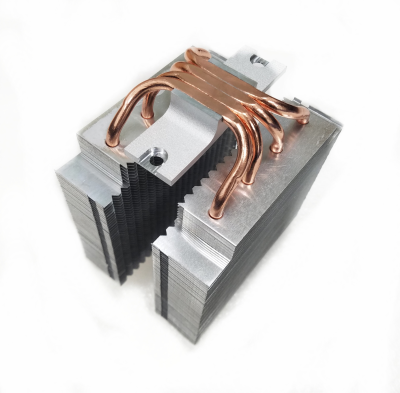
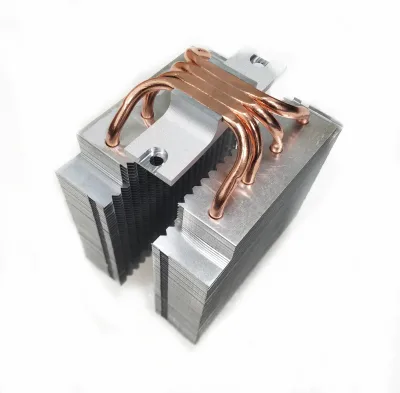
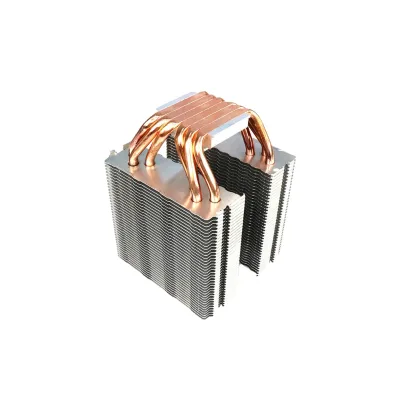
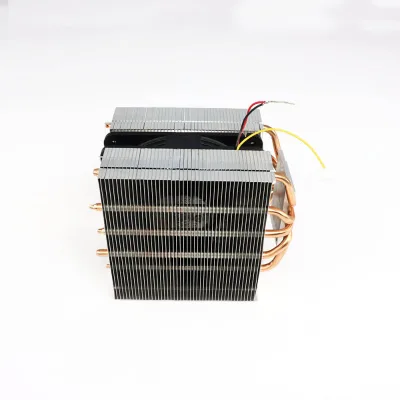
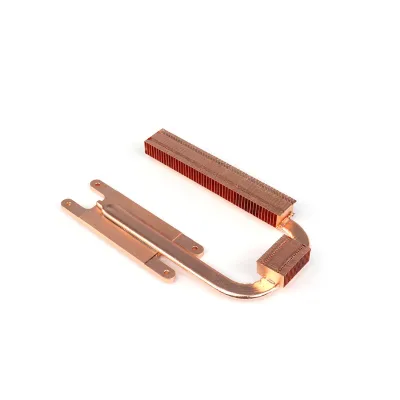
Factory Price Black-Anodized Heat Sink with Heat Pipes for CPU Cooling
$18.00 - $20.00
MOQ: 100 Pieces


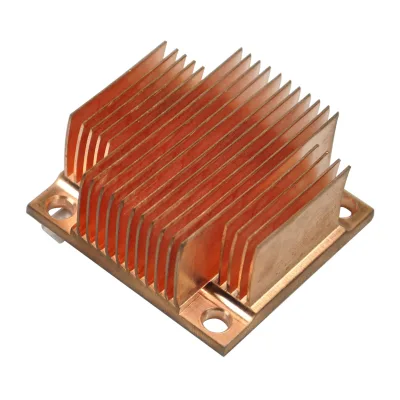
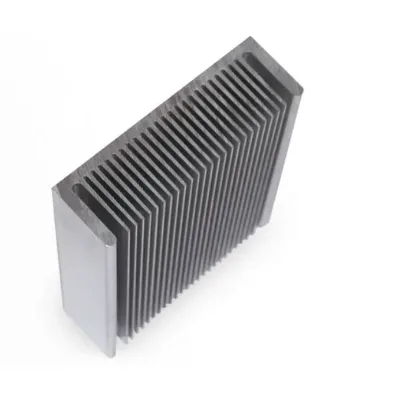
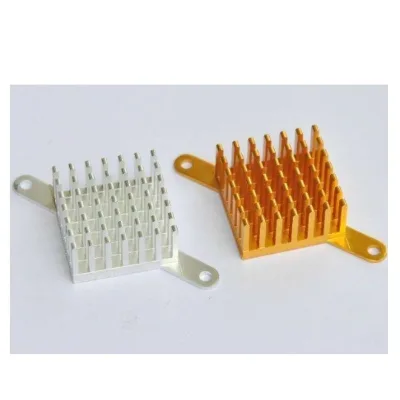
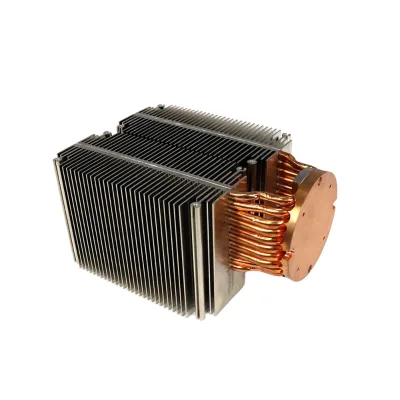
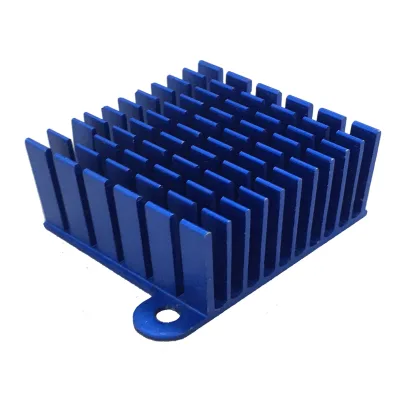
Factory Price Black-Anodized Aluminum Heat Sink Module for CPU and GPU Cooling
$26.00 - $28.00
MOQ: 100 Pieces








Comprehensive Sourcing Guide
Customized Black CPU Heatsink Sourcing Guide
Sourcing customized black CPU heatsinks requires a nuanced understanding of thermal dynamics, aesthetic integration, and supply chain reliability. The market for these components is diverse, ranging from simple air-cooling solutions for desktops to complex liquid cooling systems for high-performance laptops. Buyers must navigate a landscape where visual customization, such as black anodized finishes, often intersects with critical performance metrics like heat dissipation efficiency and acoustic output. This guide provides a structured approach to evaluating suppliers, verifying technical specifications, and ensuring that the final product meets both functional and aesthetic requirements without compromising on safety or compliance.
The procurement process for these components is heavily influenced by the specific cooling architecture required by the end device. Whether the application demands a passive heat pipe system for a silent laptop or an active fan-based solution for a desktop, the choice of materials and structure dictates the supplier’s capability. Buyers should focus on verifying the core thermal properties, such as the use of copper and aluminum alloys, and the effectiveness of surface treatments like anti-oxidant finishes. By aligning technical needs with supplier capabilities, buyers can mitigate risks associated with thermal throttling, premature failure, or aesthetic degradation over time.
Product Scope and Observed Listing Signals
The observed product landscape reveals a wide spectrum of cooling solutions, with prices ranging from $0.02 to $305.33 USD and minimum order quantities (MOQs) varying from 1 to 1000 units. This broad range indicates that suppliers cater to both prototyping needs and large-scale manufacturing runs. The presence of models like HS-2025-47 and HS-2025-90 suggests a standardized product line that can be customized, while other listings highlight specialized components such as radiators and liquid cooling systems. Buyers should interpret these signals as evidence of a mature supply chain capable of handling diverse order sizes and technical requirements.
Key attributes observed in the market include the use of copper and aluminum heatsink materials, which are industry standards for efficient heat transfer. The surface finish is frequently noted as anti-oxidant, a critical feature for maintaining the black aesthetic and preventing corrosion over time. Additionally, the application scope spans both laptops and desktops, with specific models designed for ultra-mute operation or standard mute performance. These observations help buyers narrow down their search to suppliers who possess the specific manufacturing capabilities required for their target application, whether it involves heat pipes, air cooling, or direct-flow radiators.
Technical Specifications to Verify
When evaluating a Customized Black CPU Heatsink, the first technical verification should focus on the cooling type and structure. Buyers must confirm whether the solution relies on heat pipes and air cooling or utilizes a liquid cooling system with a radiator. For air-cooled solutions, the presence of cross fins and soldering techniques is essential for maximizing surface area and thermal conductivity. In liquid cooling contexts, the radiator core type, such as tube-fin, and the structure, whether open or sealed, must be verified to ensure compatibility with the system’s fluid dynamics and leak prevention requirements.
The choice of fan bearing and noise level is another critical specification, particularly for applications where acoustic performance is paramount. Sleeve bearings are commonly observed in mute or ultra-mute configurations, offering a balance between cost and longevity. Buyers should also verify the CPU type compatibility, ensuring that the heatsink base is designed to interface correctly with either Intel or other processor architectures. Additionally, the inclusion of features like intelligent temperature control or cable management can significantly impact the user experience and system integration, making these attributes important points of verification during the sourcing process.
Compliance and Safety Documentation
Compliance with environmental and safety standards is non-negotiable for global procurement. The RoHS standard is explicitly mentioned in several product listings, indicating that suppliers are adhering to regulations that restrict the use of hazardous substances in electronic equipment. Buyers must request and verify RoHS certification documents to ensure that the black coating, soldering materials, and internal components do not contain lead, mercury, or other restricted substances. This verification is crucial for maintaining market access in regions with strict environmental regulations and for protecting brand reputation.
Beyond environmental compliance, safety documentation related to electrical and thermal performance must be scrutinized. While specific test results are not provided in the observed data, buyers should inquire about thermal resistance values, fan durability tests, and leak testing protocols for liquid cooling systems. The presence of certifications such as TSCold Style for water-cooled components suggests that some suppliers may offer additional safety validations. Buyers should ensure that all documentation is up-to-date and issued by recognized testing bodies to guarantee that the products meet international safety benchmarks.
Cost Drivers and Commercial Terms
The cost of customized black CPU heatsinks is influenced by several factors, including material selection, manufacturing complexity, and order volume. The use of copper and aluminum alloys, along with specialized surface finishes like anti-oxidant treatments, adds to the base cost. Customization options, such as tailored sizes, colors, and structural modifications, further increase pricing due to the need for specialized tooling and production adjustments. Buyers should expect higher unit costs for smaller MOQs, as observed in the range of 1 to 1000 units, and negotiate volume discounts for larger orders to optimize total cost of ownership.
Commercial terms also play a significant role in the procurement process. Shipping methods, such as sea or air freight, impact delivery times and logistics costs. Buyers should clarify whether the quoted prices include packaging, such as standard export packages or wooden pallets, and who bears the responsibility for customs clearance. Additionally, the availability of samples should be confirmed, as this allows for physical verification of quality before committing to a large order. Understanding these commercial dynamics helps buyers budget accurately and avoid unexpected expenses during the sourcing journey.
Supplier Qualification and Quality Control
Supplier qualification is a critical step in ensuring the reliability of customized CPU heatsinks. Buyers should verify the supplier’s origin, with many listings indicating production in China or Guangdong, a hub for electronics manufacturing. While ISO9001 is mentioned as a background standard, buyers should request current certification documents to confirm that the supplier adheres to recognized quality management systems. This verification ensures that the supplier has established processes for consistent quality control, from raw material inspection to final product testing.
Quality control measures should extend beyond certification to include specific checks on the manufacturing process. Buyers should inquire about the supplier’s ability to handle customized orders, including the flexibility to adjust alloy compositions, fan bearing types, and radiator structures. The acceptance of samples is a positive indicator of a supplier’s confidence in their product quality and their willingness to collaborate with buyers. By conducting thorough due diligence on supplier capabilities and quality control practices, buyers can mitigate the risk of receiving substandard products that fail to meet performance or aesthetic expectations.
Long-Term Procurement Checks
Long-term procurement success depends on establishing a robust relationship with suppliers who can support ongoing customization and quality consistency. Buyers should implement regular audits and performance reviews to ensure that the suppliers continue to meet agreed-upon standards for thermal performance, noise levels, and aesthetic quality. Monitoring the supplier’s ability to adapt to new CPU architectures and cooling technologies is also essential, as the market evolves rapidly with increasing demands for efficiency and silence.
Additionally, buyers should maintain a clear record of all technical specifications, compliance documents, and commercial terms for each order. This documentation serves as a reference for future purchases and helps in resolving any disputes or quality issues that may arise. By staying informed about market trends and supplier capabilities, buyers can make proactive decisions that enhance the reliability and performance of their products. Continuous engagement with suppliers fosters a collaborative environment where innovation and quality improvement are prioritized, leading to long-term mutual benefit.
FAQs
Can customized black cpu heatsinks support intelligent temperature control?
Support varies by model. Some units feature intelligent temperature control for dynamic adjustment, while others do not support this function. Buyers should verify the specific model's capabilities, such as the HS-2025 series, to ensure compatibility with their thermal management requirements and system architecture.
What materials are used in these heatsinks?
Heatsinks typically utilize copper and aluminum for the heatsink material to optimize thermal conductivity. The body material is often aluminum, and the surface finish includes anti-oxidant treatment. This combination ensures efficient heat dissipation for both laptop and desktop applications while maintaining durability against environmental factors.
Which certifications are available for these products?
Products may carry RoHS certification to ensure compliance with environmental standards. Some listings also reference TSCold style certifications. Buyers should confirm specific certification requirements with suppliers, as standards can vary between different models and manufacturing batches to meet regional regulatory demands.
How are these items packaged for shipping?
Packaging options include standard export packages, standard export packing, and wooden pallets. The choice depends on the order volume and shipping method, which can be by sea or air. Customized packaging is also available to protect the components during transit and meet specific logistical needs.
What is the origin of these cpu coolers?
These products originate from China, with specific manufacturing locations including Guangdong. Buyers can source directly from these regions to leverage established supply chains. The origin ensures access to specialized cooling solutions, including heatpipe and air cooling types, tailored for various computing hardware applications.
Can I get samples before placing a large order?
Yes, suppliers generally accept sample requests for quality verification. This allows buyers to test performance metrics like noise levels and cooling efficiency before committing to bulk purchases. Sample availability supports informed decision-making and ensures the selected model meets specific technical and operational requirements.