Source Customized Blossom Tail Power Outlet for Home, Office, Lab
Find 30 Customized Blossom Tail Power Outlet options from verified manufacturers. Compare metal enclosures, steel plate shells, and various certification standards like CE, RoHS, and ETL to find the right fit for residential, commercial, or industrial applications.
Key considerations
Products List


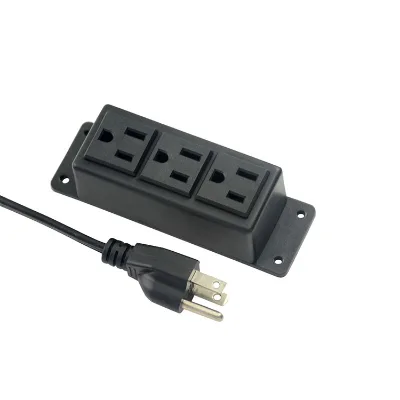


Bayu Black 120V Furniture Power Outlet Us Dual Power Outlets with 2 USB Ports
$5.00 - $6.00
MOQ: 500 Pieces


Travel Adapter Need Electrical Outlets Power Plug
$0.33 - $0.35
MOQ: 5000 Pieces
WANSHUN ELECTRICAL & INTELLIGENT MANUFACTURE (GUANGDONG) CO., LTD.


Comprehensive Sourcing Guide
Customized Blossom Tail Power Outlet Sourcing Guide
Sourcing customized blossom tail power outlets requires a disciplined approach to aligning technical specifications with commercial realities. These components, often integrated into power strips, wall sockets, or industrial enclosures, serve as critical interfaces for electrical connectivity in residential, commercial, and industrial environments. The term "blossom tail" typically refers to a specific connector or plug configuration that allows for flexible, multi-directional, or compact wiring arrangements, often seen in modular power distribution systems. Buyers must navigate a market where customization is not merely an option but a standard expectation, requiring clear communication of electrical ratings, physical dimensions, and safety certifications to ensure the final product meets end-user requirements.
The procurement process for these specialized outlets involves balancing lead times, minimum order quantities (MOQs), and quality assurance protocols. Suppliers in this sector, particularly those originating from manufacturing hubs in China, often offer OEM and ODM services, allowing buyers to tailor products to specific brand identities or functional needs. However, this flexibility introduces complexity in verification. Buyers must establish rigorous validation steps for every customized element, from the shell material and finishing processes to the internal wiring and grounding mechanisms. Understanding the observed market signals, such as price ranges and packaging standards, provides a baseline for negotiation and risk management, ensuring that the customized solution remains cost-effective without compromising on safety or durability.
Product Scope and Observed Listing Signals
The current market landscape for customized power outlets reveals a diverse range of product attributes, indicating that buyers are not limited to standard off-the-shelf components. Observed listings show a wide price range, from approximately $0.33 to $106 USD, reflecting the variance between simple plug components and complex, multi-functional socket assemblies with integrated USB ports and advanced safety features. This disparity underscores the importance of defining the exact scope of customization early in the sourcing process. A basic metal shell with power coating may fall at the lower end of the spectrum, while units featuring multiple AC outlets, USB charging capabilities, and specific certifications like SAA, ETL, or CE will command higher prices due to increased material and compliance costs.
Packaging and origin details further clarify the supply chain dynamics. Products are frequently sourced from regions such as Zhejiang and Guangdong in China, with delivery lead times typically ranging from 30 to 45 days. This timeline is critical for inventory planning, especially for customized orders that may require additional production time for tooling or specific finishing processes. Packaging varies from standard export cases to individual PP bags and small boxes within cartons, with dimensions like 39x39x22cm noted for certain models. Buyers must verify these logistical details to ensure that the packaging protects the delicate internal components during transit and aligns with their own distribution or retail requirements, avoiding unexpected damage or handling issues upon arrival.
Technical Specifications to Verify
Technical verification begins with the core electrical and physical attributes of the outlet. Buyers must confirm the rated voltage and current, as observed listings indicate ratings such as 120V and 12A, which are standard for many residential and general-purpose applications. The interface type, whether AC/DC or specific plug configurations like EP shape, must be explicitly defined to ensure compatibility with the intended power source and connected devices. Additionally, the number of outlets, such as 3 AC outlets or 2 USB ports, and the presence or absence of switches are critical functional decisions. These specifications directly impact the product’s utility and must be documented in the purchase order to prevent discrepancies between the prototype and the bulk production run.
Material composition and finishing processes are equally vital for durability and safety. The shell materials are often specified as steel plate or metal, with power coating applied to enhance corrosion resistance and aesthetic appeal. Colors like black are common, but custom color options may be available through OEM/ODM services. Buyers should also verify the grounding mechanism, ensuring it meets standard grounding requirements to prevent electrical hazards. The model numbers, such as FP01, AL123, or BY213 series, serve as unique identifiers for these technical configurations. It is essential to cross-reference these model codes with the detailed technical drawings to ensure that every component, from the internal contacts to the external housing, matches the agreed-upon specifications.
Compliance and Safety Documentation
Compliance with regional safety standards is non-negotiable for power outlets, as they directly interact with high-voltage electricity. Buyers must verify that the supplier holds valid certifications for the target market, such as SAA for Australia, ETL for North America, or CE and RoHS for Europe. These certifications are not merely labels but evidence that the product has undergone rigorous testing for electrical safety, electromagnetic compatibility, and hazardous substance restrictions. The presence of certifications like ISO and RoHS indicates a commitment to quality management and environmental standards, but buyers should request copies of the actual test reports and certificates to validate their authenticity and current status.
In addition to product-level certifications, the manufacturing process itself should adhere to recognized quality standards. While specific ISO9001 status may be listed as a background attribute, buyers should confirm that the supplier’s quality management system is actively maintained and audited. This includes verifying that the production line follows strict protocols for material inspection, assembly, and final testing. For customized products, it is crucial to ensure that any modifications do not void existing certifications or require additional testing. Buyers should also check for compliance with local building codes and electrical regulations, which may impose additional requirements beyond standard product certifications, such as specific grounding configurations or fire-resistant materials.
Cost Drivers and Commercial Terms
Understanding the cost drivers for customized power outlets helps buyers negotiate better terms and avoid hidden expenses. The primary cost factors include the raw material prices for metal shells and internal components, the complexity of the customization, and the volume of the order. Higher customization levels, such as unique shapes, specific colors, or integrated USB modules, will increase production costs and potentially raise the MOQ. Buyers should also consider the impact of finishing processes like power coating, which adds value but also cost. Transparent pricing structures that break down these elements allow for more accurate budgeting and comparison between different suppliers.
Commercial terms, including MOQs and lead times, significantly influence the total cost of ownership. Observed MOQs range from 1 to 5000 units, offering flexibility for small-scale projects but potentially higher per-unit costs for low volumes. Lead times of 30-45 days are typical for customized orders, but buyers should negotiate for expedited options if needed, understanding that this may incur additional fees. Payment terms, such as deposits and balance payments upon shipment, should be clearly defined to manage cash flow and risk. Additionally, buyers should inquire about warranty policies and return procedures for defective units, ensuring that they are protected against quality issues that may arise after the product is delivered.
Supplier Qualification and Quality Control
Supplier qualification is the first line of defense against procurement risks. Buyers should conduct thorough due diligence on potential suppliers, verifying their business licenses, manufacturing capabilities, and past performance. For customized power outlets, it is essential to assess the supplier’s ability to handle OEM/ODM projects, including their design support, prototyping speed, and production flexibility. Suppliers with a strong track record in exporting to the buyer’s target market are preferable, as they are likely more familiar with the relevant compliance and logistical requirements. Requesting references or case studies from previous clients can provide valuable insights into the supplier’s reliability and quality standards.
Quality control measures must be integrated into the procurement process to ensure consistent product quality. Buyers should establish clear quality acceptance criteria, including visual inspections, electrical performance tests, and durability checks. Implementing a pre-shipment inspection (PSI) or third-party quality audit can help identify defects before the goods are dispatched. For customized products, it is crucial to approve a golden sample before mass production begins, using this sample as the benchmark for all subsequent units. Regular communication with the supplier during the production process can also help catch potential issues early, allowing for timely corrections and ensuring that the final product meets all specified requirements.
Long-Term Procurement Checks
Long-term procurement success depends on continuous monitoring and relationship management with suppliers. Buyers should establish key performance indicators (KPIs) to track supplier performance, including on-time delivery rates, defect rates, and responsiveness to issues. Regular reviews of these metrics can help identify trends and areas for improvement, fostering a collaborative environment for continuous enhancement. For customized products, it is important to maintain open lines of communication regarding any changes in design, materials, or regulations that may affect the product. This proactive approach ensures that the supplier remains aligned with the buyer’s evolving needs and market demands.
Additionally, buyers should plan for supply chain resilience by diversifying their supplier base and maintaining safety stock for critical components. The electronics and electrical components market can be subject to fluctuations in raw material prices and supply chain disruptions. By understanding the lead times and MOQs associated with different suppliers, buyers can develop contingency plans to mitigate these risks. Regularly updating the product specifications and compliance documentation ensures that the sourced power outlets remain relevant and compliant with changing market standards. This strategic approach to procurement not only secures a reliable supply of customized blossom tail power outlets but also supports the long-term growth and competitiveness of the buyer’s business.
FAQs
What materials are used for customized power outlet shells?
The shells are typically constructed from steel plate or general metal materials. These materials provide the necessary durability and structural integrity for both residential and commercial applications. The metal construction ensures long-term reliability while allowing for power coating finishes to enhance surface protection and aesthetic appeal.
Can I customize the specifications for these power outlets?
Yes, customization is available for these products. Buyers can request specific models such as FP01 or AL123 to meet unique requirements. The OEM and ODM paradigms support tailored designs, allowing for adjustments in standard dimensions like 28 inches or specific interface types to fit particular installation needs.
What certifications are required for these power outlets?
Certifications vary by model and target market. Some units hold SAA, ISO, RoHS, CE, or ETL certifications. These credentials ensure compliance with regional safety and environmental standards. Buyers should verify the specific certification required for their destination, as options include Aus standards or general international compliance markers.
What is the typical lead time for delivery?
The standard delivery lead time ranges from 30 to 45 days. This timeframe accounts for manufacturing, quality control, and packaging processes. Buyers should plan their procurement schedules accordingly, especially for large orders, to ensure timely arrival at the destination port or warehouse without causing project delays.
How are the power outlets packaged for export?
Products are packaged in normal export cases or cartons. Specific models may use PP bags and small boxes within larger cartons, such as 39x39x22cm sizes. This packaging ensures protection during transit and complies with standard export requirements, minimizing damage risks while optimizing container space for efficient logistics.
What is the minimum order quantity for these products?
The minimum order quantity ranges from 1 to 5000 units depending on the supplier and product type. This flexibility allows buyers to test samples or place bulk orders. The wide MOQ range accommodates both small-scale procurement needs and large industrial projects, providing sourcing options for various business sizes.