Source Frost Prevention Tractor Windshield for construction, farming, and mining
Compare 25 Frost Prevention Tractor Windshield options from verified suppliers in China. Buyers can evaluate laminated and tempered glass types with customizable sizes, thicknesses, and certifications for use in engineering vehicles and tractors across global markets.
Key considerations
Products List


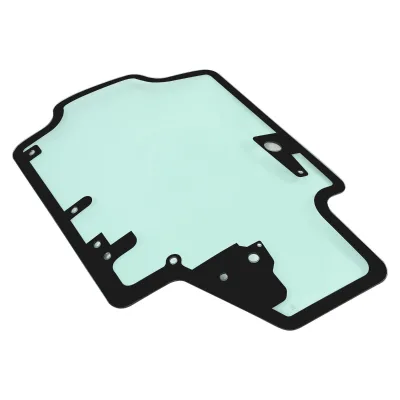
4mm 5mm Windshield Tractor Cab Glass Windshield for Tractor Tempered Glass
$9.23 - $11.16
MOQ: 50 piece


Tractor Windscreen /Auto Glass Windshield Laminated Front Tractor Glass
$10.00 - $11.00
MOQ: 200 Pieces


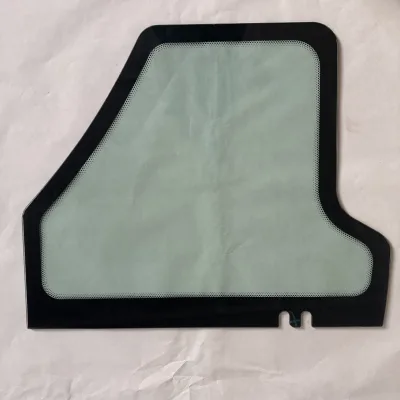
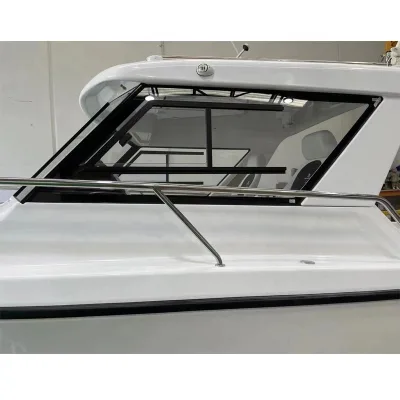
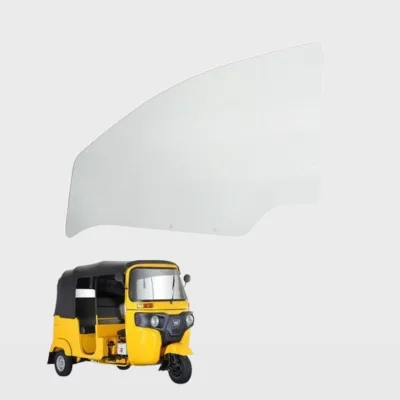
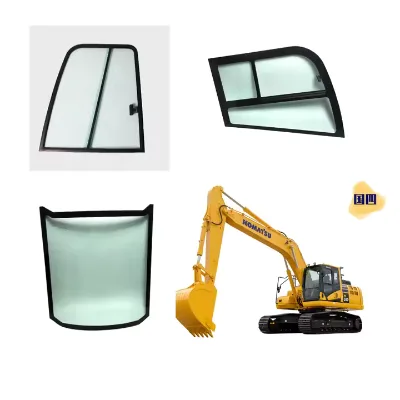


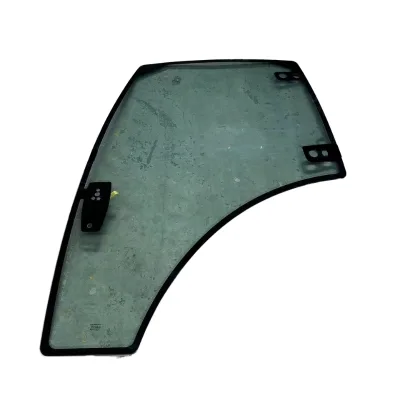
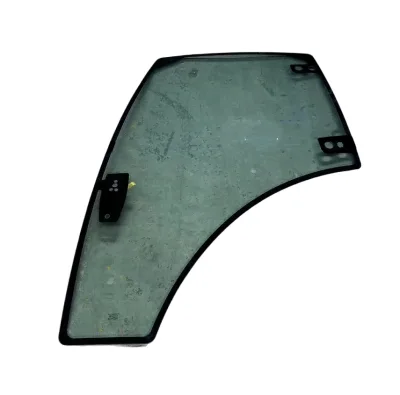
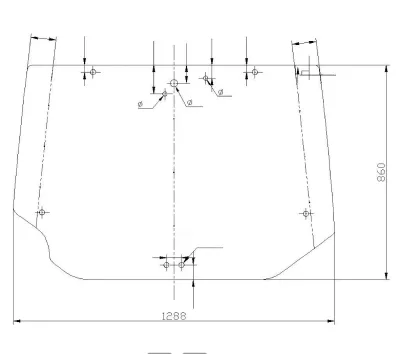
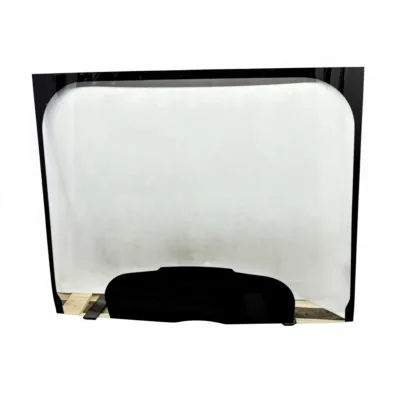


Popular in China Tractor Agriculture Door Glass and Front Rear Windshield
$35.00 - $40.00
MOQ: 25 Pieces


Comprehensive Sourcing Guide
Strategic Sourcing Guide for Frost Prevention Tractor Windshields
Procuring specialized glazing for agricultural and engineering machinery requires a rigorous understanding of material science, regulatory compliance, and supply chain reliability. The core keyword "Frost Prevention Tractor Windshield" points to a specific niche within the heavy equipment glass market where operational safety in extreme cold is paramount. Buyers must navigate a landscape defined by diverse material compositions, varying certification standards, and customized manufacturing capabilities. This guide synthesizes available product data to provide a structured approach for evaluating potential suppliers and selecting the correct windshield solutions for tractor fleets operating in demanding environments.
Technical Specifications and Material Composition
The fundamental performance of a tractor windshield in cold climates relies heavily on its physical construction and chemical makeup. Unlike standard automotive glass, engineering vehicle glass often utilizes specific compositions to withstand thermal shock and mechanical stress. The supplied data indicates that glass composition can vary significantly between products, with observations of both Sodium Oxide and Calcium Oxide as primary components. Buyers must verify the specific chemical formulation for their intended application, as these elements influence the glass's thermal expansion coefficient and resistance to cracking under rapid temperature fluctuations.
The thickness of the windshield is a critical specification that directly impacts durability and insulation properties. Available data suggests a thickness range of 2.1mm to 8mm, with specific models noted in the 2.1mm to 4mm range. Thicker glass generally offers superior resistance to impact and better thermal retention, which is essential for frost prevention. However, the weight implications must be balanced against the structural limits of the tractor cab. The appearance of the glass is equally important, with options ranging from Laminated Glass to Tempered Glass. Laminated glass, often featuring a PVB (Polyvinyl Butyral) interlayer, provides enhanced safety by holding shards together upon impact, while tempered glass offers high strength but shatters into small, less hazardous pieces.
The minimum bending radius is another technical constraint to consider, with observed data indicating a value of R450. This specification dictates the curvature of the windshield and ensures it fits the aerodynamic and structural design of the tractor cab without compromising the integrity of the glass. The size is typically customizable, with standard ranges observed from 300x300mm up to 1200x2400mm, allowing for precise fitting to various tractor models. The position of the glass within the vehicle—whether Front, Rear, Side, Door, or Sunroof—further dictates the required thickness and safety rating.
Compliance and Certification Verification
Navigating the regulatory landscape is essential for ensuring that tractor windshields meet international safety and quality standards. The supply chain for these components is global, with origins noted in regions such as Weifang and Hebei in China. Consequently, verifying the certification status of the product is a non-negotiable step in the procurement process. The data highlights a robust array of certifications, including FCC, ISO, RoHS, CE, ECE, and DOT. These certifications cover electromagnetic compatibility, environmental restrictions, and road safety standards.
Specifically, the ECE (Economic Commission for Europe) and DOT (Department of Transportation) certifications are critical for vehicles intended for export or operation in regulated markets. The presence of IATF 16949 and CCC (China Compulsory Certification) in the data further underscores the importance of automotive-specific quality management systems. For management certifications, suppliers may hold ISO/TSBSCI, GMP, ISOBRC, FSC, GSC, and HACCP. While some of these, like HACCP, are typically associated with food safety, their presence in the supplier's portfolio suggests a high level of organizational discipline and quality control processes that can translate to manufacturing consistency.
Buyers should not assume that every listed product possesses every certification. Instead, the procurement strategy must involve requesting specific test reports and certificates of conformity for the exact model number being purchased. The data mentions "EU ECE" and "IATF 16949" as specific certificates, which are vital for European and global automotive supply chains. Verification of these documents ensures that the glass meets the legal requirements for frost prevention and impact resistance in the target market.
Cost Drivers and Pricing Dynamics
Understanding the factors that influence the price of tractor windshields is crucial for budgeting and cost management. The observed price range for these products spans from $6.76 to $140 USD, a significant variance that reflects differences in specifications, volume, and customization. Several key drivers contribute to this pricing structure. First, the type of glass—laminated versus tempered—plays a major role. Laminated glass with a PVB interlayer typically commands a higher price due to the additional material and manufacturing complexity required to bond the layers.
Second, the level of customization is a primary cost determinant. The data confirms that customization is available for colors, printing, sizes, and thickness. Custom colors such as Clear, Black, Green, Milky, Red, or specific printing in Black, White, or Green add to the production cost. Customized sizes, which deviate from standard molds, also increase the unit price. The minimum order quantity (MOQ) further influences the effective cost per unit, with observed ranges from 1 to 200 units. Buyers purchasing small quantities may face higher per-unit costs, while those meeting higher MOQ thresholds can negotiate more favorable pricing.
Packaging requirements also impact the final landed cost. The data indicates packaging options ranging from Plywood Crates to Strong Wooden Cases. For international shipping, robust packaging is essential to prevent breakage, but it adds to the weight and volume of the shipment, thereby increasing freight charges. Buyers should factor in these logistics costs when comparing the base price of the glass.
Typical Applications and Market Segmentation
Tractor windshields are designed for specific operational environments, and understanding the target market helps in selecting the right product. The data identifies several main markets, including Northern Europe, Africa, South Asia, and South America. Each of these regions presents unique challenges. Northern Europe, for instance, demands high-performance frost prevention and anti-icing capabilities due to prolonged sub-zero temperatures. The product attributes explicitly list "Frost Prevention," "Anti Fog," and "Anti Icing" as key functions, making these windshields ideal for such climates.
In contrast, markets in Africa and South America may prioritize durability against dust, UV exposure, and rough terrain. The "Engineering Vehicles Glass" and "Tractor Glass" classifications suggest these products are intended for heavy-duty agricultural and construction machinery. The specific models listed, such as "Tractor Cab Windshield Glass," "Engineering Machinery-030," and "SETO-PC-0270," indicate a wide variety of applications ranging from standard tractors to specialized engineering vehicles.
The position of the glass also dictates its application. Front windshields require the highest clarity and impact resistance, while side and rear windows may prioritize different safety features. The availability of sunroof glass options suggests versatility for modern tractor designs that incorporate overhead ventilation. Buyers should match the specific model number and position requirements to their fleet's operational needs to ensure optimal performance.
Supplier Evaluation and Origin Considerations
Selecting a reliable supplier is as important as selecting the product itself. The data points to origins in Weifang and Hebei, China, which are known manufacturing hubs for glass and automotive components. When evaluating suppliers, buyers should look beyond the location and focus on the depth of their certification portfolio. A supplier holding both product certifications (like ECE, DOT) and management certifications (like ISO/TSBSCI, GMP) demonstrates a commitment to quality at both the product and organizational levels.
The condition of the product is listed as "New," which is standard for procurement, but buyers should verify the manufacturing date and storage conditions to ensure the glass has not degraded. The supporting parts, including fittings, rubber, sealant, aluminum, and locks, are often sold separately or as part of a kit. Buyers should inquire whether the supplier provides a complete installation package or if these components must be sourced independently.
Furthermore, the standard of the product is noted as "Customized," implying that suppliers may not adhere to a single rigid standard but rather adapt to customer specifications. This flexibility is a strength but requires clear communication. Buyers should request samples or detailed technical drawings before placing large orders to ensure the customized dimensions and features align with their tractor models.
Quality Control and Long-Term Procurement Strategy
Ensuring long-term reliability requires a proactive approach to quality control. The observed thickness range of 2.1mm to 8mm and the minimum bending radius of R450 are parameters that must be consistently maintained. Buyers should implement a quality assurance protocol that includes visual inspections for defects, verification of thickness using calipers, and testing of the interlayer adhesion in laminated glass. The presence of a PVB layer is critical for safety; any delamination or bubbles can compromise the frost prevention and structural integrity of the windshield.
For long-term procurement, establishing a relationship with a supplier that offers consistent customization is beneficial. The ability to order specific colors, printing, and sizes allows for fleet standardization and easier maintenance. Buyers should also consider the lead time and packaging reliability. The use of plywood crates or strong wooden cases indicates a commitment to safe transport, but buyers should verify the supplier's track record for on-time delivery and damage-free arrival.
In conclusion, sourcing frost prevention tractor windshields involves a careful balance of technical specifications, regulatory compliance, and supplier reliability. By leveraging the available data on certifications, material compositions, and market applications, buyers can make informed decisions that enhance the safety and efficiency of their agricultural and engineering fleets. The focus should remain on verifying specific product attributes rather than assuming universal compliance, ensuring that every windshield meets the rigorous demands of its intended operating environment.
FAQs
What certifications do frost prevention tractor windshields typically have?
These windshields commonly carry FCC, ISO, RoHS, CE, ECE, and DOT certifications. Buyers should verify specific test reports for the exact model, as management certifications like IATF 16949 and CCC may also apply depending on the supplier.
How thick is the glass used for frost prevention tractor windshields?
The glass thickness ranges from 2.1mm to 8mm, with some specific models falling between 2.1mm and 4mm. Thicker options generally offer better thermal retention and impact resistance, which is essential for cold climate operations.
Which glass types are available for engineering vehicle windshields?
Available options include Laminated Glass and Tempered Glass. Laminated variants often feature a PVB interlayer for safety, while tempered glass provides high strength. The choice depends on the specific safety and durability requirements of the tractor.
Can buyers customize the size and color of these windshields?
Yes, customization is available for sizes, colors, and printing. Sizes can range from 300x300mm to 1200x2400mm, and colors include Clear, Black, Green, Milky, and Red. Custom printing in Black, White, or Green is also supported.
Where are these tractor windshields typically manufactured?
Products originate from manufacturing hubs in Weifang and Hebei, China. Buyers should confirm the specific place of origin for each order, as this influences logistics, lead times, and the applicable regulatory standards for export.
What is the minimum order quantity for these windshields?
The minimum order quantity ranges from 1 to 200 units depending on the supplier and product configuration. Smaller orders may incur higher per-unit costs, while meeting higher MOQ thresholds often allows for more favorable pricing structures.
How are these windshields packaged for international shipping?
Packaging typically involves Plywood Crates or Strong Wooden Cases to ensure safety during transit. Robust packaging is essential to prevent breakage, though it adds to the shipment weight and volume, impacting overall freight charges.