Source Customized Die Cast Bowling Medal with Lanyard for Sports, Events, and Awards
Find 30 options for a Customized Die Cast Bowling Medal with Lanyard, featuring zinc alloy or brass materials with soft enamel or casting techniques. Compare plating styles, sizes, and MOQs from Chinese manufacturers to select the best fit for your promotional needs.
Key considerations
Products List






Comprehensive Sourcing Guide
Customized Die Cast Bowling Medal with Lanyard Sourcing Guide
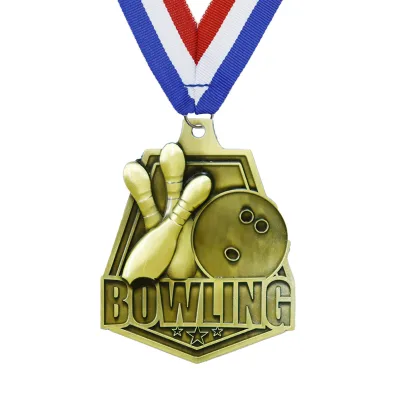
Procuring customized die cast bowling medals requires a strategic approach that balances aesthetic precision with the durability needed for competitive sports environments. These items serve as tangible symbols of achievement, often distributed to participants in marathons, local leagues, and international tournaments. The core value lies in the ability to customize the design, plating, and shape to reflect specific event branding while maintaining the structural integrity expected of metal awards. Buyers must navigate a market where materials range from zinc alloy to brass, each offering distinct advantages in weight, cost, and finish quality.
The sourcing process begins with understanding the specific manufacturing techniques available, such as soft enamel and die casting, which define the final texture and detail of the medal. A die cast process allows for complex, three-dimensional shapes that are particularly effective for bowling-themed designs featuring pins, balls, or abstract sport motifs. However, the buyer must verify that the supplier's casting capabilities align with the desired level of detail, as the thickness and mold complexity directly impact the production timeline and unit cost.
Product Scope and Observed Listing Signals
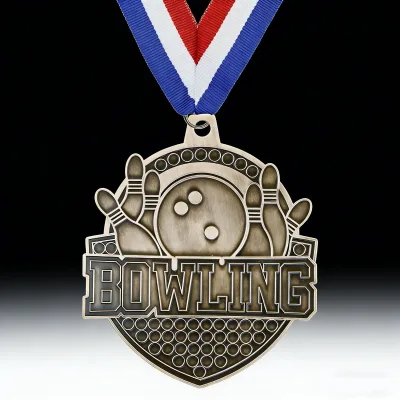
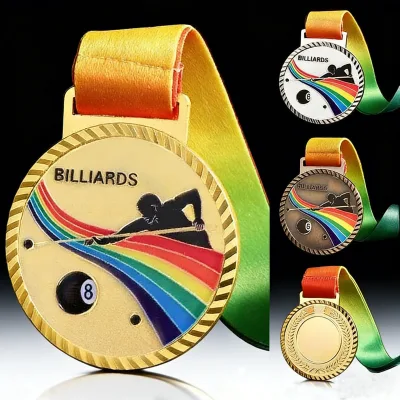
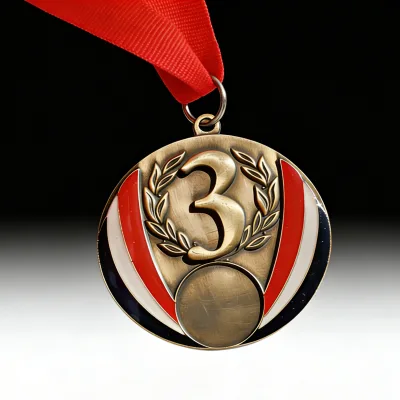
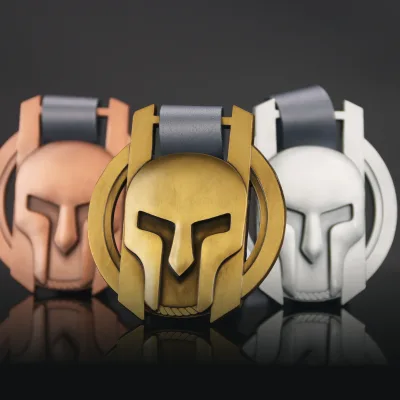
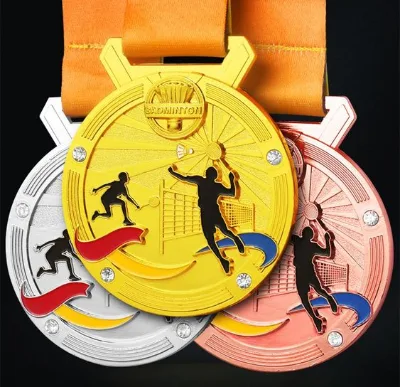
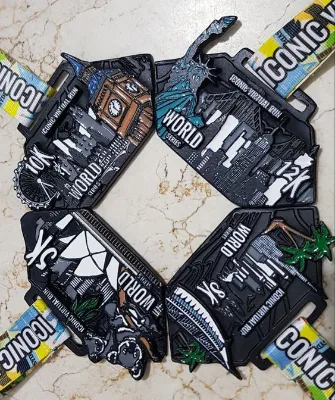
The market for these awards presents a diverse range of product attributes, including irregular, round, and square shapes, which allows for significant creative freedom in event branding. Observed listings indicate that materials frequently include zinc alloy, brass, and general alloys, with plating options spanning nickel, gold, silver, and antique finishes. This variety enables buyers to select a finish that matches their budget and the prestige of the event, whether it is a high-end championship or a community participation award. The presence of accessories like ribbons is standard, ensuring the medal can be worn or displayed immediately upon receipt.
Listing signals also reveal significant variability in minimum order quantities (MOQ), ranging from as low as 10 pieces to 100 pieces, depending on the supplier and the complexity of the customization. While some vendors offer free samples and free artwork services to facilitate the design phase, others may have stricter thresholds for production runs. Buyers should note that while some products are described with specific dimensions like 70mm or 7.5x7.5x0.3 cm, the "customized" nature of the product means these are often starting points rather than fixed constraints. Understanding these signals helps in filtering suppliers who can accommodate the specific volume and design requirements of a bowling tournament.
Technical Specifications to Verify
When evaluating technical specifications, the thickness of the medal is a critical factor that influences both the perceived value and the physical durability of the award. While some observed listings specify a thickness of 3mm, others offer custom thickness options, which allows buyers to adjust the weight and heft of the medal to suit their brand identity. It is essential to confirm the exact thickness with the supplier before finalizing the order, as thinner medals may feel flimsy, while excessively thick ones might increase shipping costs and material waste. The casting technique, often described as soft enamel or die casting, must be verified to ensure the design details are sharp and the enamel fills are even without bubbles or gaps.
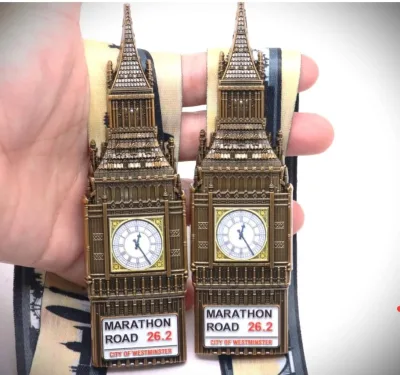
The shape and logo customization capabilities are equally important, as bowling medals often require specific contours or recessed areas to accommodate the sport's imagery. Buyers should verify that the supplier can handle the requested shape, whether it is a traditional round, a square, or an irregular form that mimics a bowling pin or ball. Additionally, the plating process, which may include antique nickel or standard gold and silver finishes, must be tested for adhesion and color consistency. The production time, typically ranging from 10 to 15 working days for production and 5 to 7 days for samples, should be factored into the event timeline to avoid delays in delivery.
Compliance and Safety Documentation
Ensuring compliance with safety standards is paramount when sourcing metal awards intended for public distribution, particularly for events involving children or large crowds. While specific certification documents were not explicitly listed in the provided product facts, buyers must request proof that the materials used, such as zinc alloy or brass, are free from harmful substances like lead, cadmium, or nickel that could cause allergic reactions. The plating process should also be verified to ensure it meets international safety standards for jewelry and wearable items, as the medal is often worn around the neck on a ribbon or lanyard.
Documentation regarding the origin of the materials and the manufacturing process is another key area of verification. Suppliers operating in regions like Zhejiang or Zhong Shan, China, should be able to provide clear documentation on their production standards and quality control measures. Buyers should ask for material safety data sheets (MSDS) or equivalent documentation that confirms the non-toxic nature of the alloys and plating chemicals used. This due diligence protects the event organizer from liability and ensures that the awards are safe for all recipients, maintaining the integrity of the event's reputation.
Cost Drivers and Commercial Terms
The cost of customized die cast bowling medals is driven primarily by the material choice, the complexity of the design, and the quantity ordered. Zinc alloy is generally more cost-effective than brass, making it a popular choice for large-scale events where budget constraints are a concern. However, the choice of plating, such as antique finishes or multi-layer gold and silver, can significantly increase the unit price. Buyers should also consider the cost of custom packaging, as options like individual OPP bags or bulk cartons add to the overall expense but are necessary for protecting the medals during transit.
Commercial terms, including minimum order quantities and sample policies, play a crucial role in the financial planning of the procurement. While some suppliers offer free samples and free artwork services to reduce initial costs, others may charge for these services or require a higher MOQ to justify the setup costs. The lead time, which can vary from 5 working days for samples to 15 working days for production, also impacts the cost structure, as expedited shipping or rush orders often incur additional fees. Buyers should negotiate clear terms regarding payment schedules, shipping responsibilities, and penalties for delays to ensure a predictable budget.
Supplier Qualification and Quality Control
Selecting a qualified supplier involves a rigorous assessment of their production capabilities and quality control processes. Buyers should verify that the supplier has experience with die casting and soft enamel techniques, as these require specialized molds and skilled labor to achieve high-quality results. The ability to provide custom designs and handle irregular shapes is a strong indicator of a supplier's technical proficiency. Additionally, the supplier's track record in handling similar projects, such as sports medals or promotional gifts, should be reviewed to ensure they can meet the specific demands of a bowling event.
Quality control measures must be established before production begins to prevent defects and ensure consistency across the order. Buyers should request a pre-production sample to verify the design, color, and finish before the full batch is manufactured. During production, regular inspections should be conducted to check for issues such as uneven plating, misaligned logos, or structural weaknesses. The supplier's ability to provide detailed inspection reports and their willingness to address any quality issues promptly are critical factors in maintaining the high standards expected for event awards.
Long-Term Procurement Checks
Establishing a long-term relationship with a reliable supplier requires ongoing monitoring of performance and consistency. Buyers should track the supplier's ability to meet deadlines, maintain quality standards, and respond to changes in design or volume requirements. Regular communication and feedback loops are essential to ensure that the supplier remains aligned with the event organizer's evolving needs and expectations. This proactive approach helps in identifying potential issues early and fosters a collaborative partnership that can lead to better pricing and service over time.
Future procurement checks should also include an evaluation of the supplier's adaptability to new trends and technologies in medal manufacturing. As design preferences and material standards evolve, the supplier must be capable of incorporating these changes seamlessly. Buyers should periodically review the supplier's portfolio to ensure they are offering the latest finishes, shapes, and customization options. By maintaining a dynamic and informed procurement strategy, event organizers can ensure that their bowling medals remain high-quality, cost-effective, and reflective of the event's prestige for years to come.
FAQs
What materials are used for custom medals?
Custom medals are typically manufactured from zinc alloy, brass, or general alloy materials. These metals provide the necessary durability and weight for sports and commemorative events. The choice of material influences the casting quality and the final finish, allowing for various plating options such as nickel, gold, or silver to meet specific aesthetic requirements.
Can I get a free sample before ordering?
Yes, free samples are available for most custom medal orders. The sample production time is approximately 5 to 7 working days. This allows buyers to verify the design, material quality, and plating finish before committing to a bulk order. Free artwork services are also often provided to assist with the design process.
What is the minimum order quantity for medals?
The minimum order quantity varies by supplier and product type, ranging from 10 pieces to 100 pieces. Some standard items may have an MOQ of 100 pcs, while others accept orders as low as 10 pcs. Buyers should confirm the specific MOQ with the manufacturer, as it depends on the customization level and production method.
How long does production take for custom medals?
Production time is typically about 10 to 15 working days after sample approval. This timeline covers the casting, plating, and packaging processes. Buyers should account for this lead time when planning for events or holidays. Rush orders may be available but could affect the final cost and delivery schedule.
What plating options are available for medals?
Common plating options include nickel, gold, silver, and antique finishes. These finishes are applied to zinc alloy or brass bases to enhance the visual appeal. Buyers can choose from traditional, modern, or antique styles to match their event theme. Custom plating colors are also available to meet specific branding or design requirements.
Are accessories like ribbons included with medals?
Yes, accessories such as ribbons or lanyards are commonly included with sports and running medals. The ribbon is often attached to the medal for easy wearing during events. Buyers can customize the ribbon color and design to match the medal's theme. This ensures a complete and professional presentation for award ceremonies.