Source Customized Digital Print Hotel Apron for Chefs, Waiters, and Bakers
Find 30 options for a Customized Digital Print Hotel Apron designed for kitchen staff, waiters, and bakers. Compare features like adjustable sizes, various fabric types including canvas and twill, and multiple color choices to find the right uniform for your establishment.
Key considerations
Products List
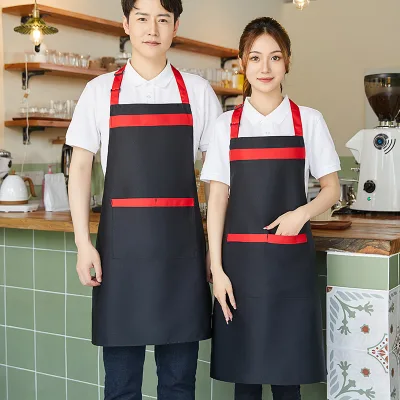
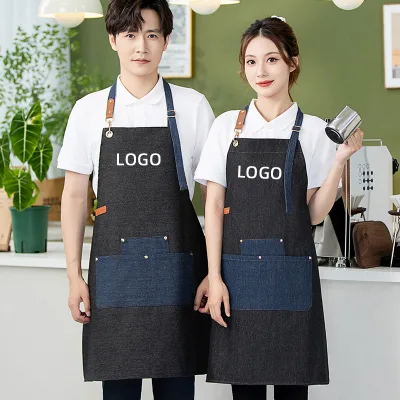

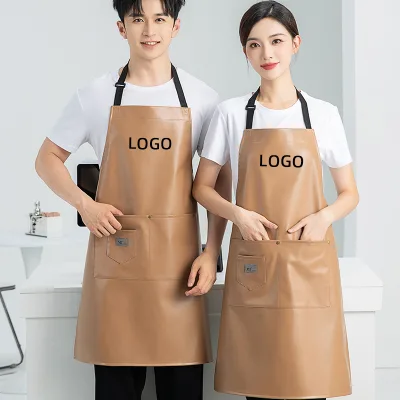

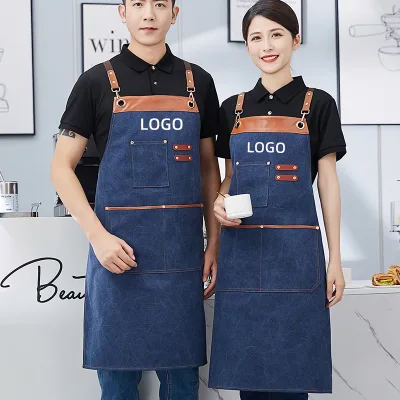


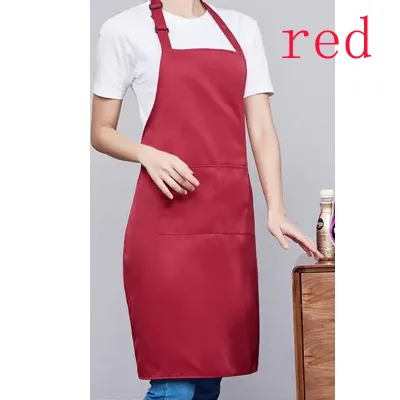
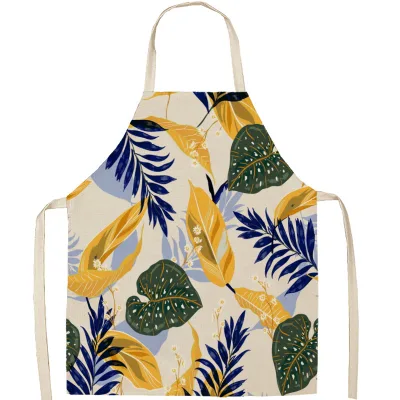
Promotional Kitchen Use High Quality Cotton Apron with Silk Screen Printing
$1.20 - $1.50
MOQ: 3000 Pieces

Promotional Kitchen Use High Quality Polyester Apron with Silk Screen Printing
$1.20 - $1.50
MOQ: 3000 Pieces




Comprehensive Sourcing Guide
Customized Digital Print Hotel Apron Sourcing Guide
Sourcing customized digital print hotel aprons requires a strategic balance between aesthetic flexibility and operational durability. The hospitality industry demands uniforms that withstand frequent industrial laundering while maintaining brand visibility through high-quality graphics. Buyers must navigate a market where digital printing offers extensive design freedom, yet the underlying fabric and construction must meet the rigorous wear-and-tear standards of professional kitchen and service environments. This guide outlines the critical verification steps, technical considerations, and commercial terms necessary to secure a reliable supply chain for these specialized garments.
The procurement process begins with understanding the specific operational context of the hotel or restaurant. Aprons serve as both protective gear and brand ambassadors, requiring materials that resist stains, heat, and moisture. Digital printing allows for complex, full-color designs that traditional screen printing cannot achieve cost-effectively at low volumes. However, the longevity of these prints depends heavily on the fabric composition and the printing method used. Buyers should prioritize suppliers who demonstrate expertise in both textile performance and print durability, ensuring that the visual appeal does not compromise the functional integrity of the uniform.
Product Scope and Observed Listing Signals
The current market for customized aprons includes a wide variety of styles, from short-sleeve waiter uniforms to heavy-duty chef coats. Observed listings indicate a diverse range of materials, including canvas, polyester, cotton, nylon, and twill blends. These materials are selected for their specific properties, such as breathability, stain resistance, and ease of cleaning. The presence of items labeled as "wait staff" or "kitchen cooking" uniforms suggests that buyers can source specialized aprons tailored to different roles within the hospitality sector, from front-of-house service to back-of-house food preparation.
Price points and minimum order quantities (MOQs) vary significantly across suppliers, with observed ranges indicating entry-level options starting at very low costs and higher MOQs. Buyers should note that while some listings offer low MOQs, such as 10 pieces, others may require larger commitments. The availability of in-stock items versus made-to-order pieces also impacts lead times. Digital printing capabilities are frequently highlighted, with suppliers offering various methods including sublimation, heat-transfer, and direct injection. These options allow for intricate designs but require careful selection based on the desired finish and durability requirements.
Technical Specifications to Verify
Fabric composition is a primary technical specification that directly impacts the performance and longevity of the apron. Common materials observed include polyester-cotton blends, nylon, and canvas, each offering different levels of durability and comfort. Polyester-cotton blends are often preferred for their balance of strength and breathability, while nylon may be used for lighter, more water-resistant applications. Buyers should verify the exact fabric weight and weave, as these factors influence how well the material holds up to repeated washing and exposure to kitchen environments. Twill fabrics, for instance, offer enhanced durability and a professional appearance.
Printing methods and design customization options are critical for achieving the desired brand representation. Digital printing allows for high-resolution, full-color designs, but the method of application—such as sublimation, heat-transfer, or direct injection—affects the print's resistance to fading and cracking. Buyers must verify that the printing process is compatible with the chosen fabric to ensure adhesion and colorfastness. Additionally, features such as adjustable sizes, unisex designs, and specific color options like black, white, or custom hues should be confirmed. The inclusion of needle detection in some products indicates a commitment to safety standards, which is particularly relevant for kitchen environments where metal contaminants must be avoided.
Compliance and Safety Documentation
Safety and compliance are paramount in the hospitality industry, particularly for kitchen staff who are exposed to heat, steam, and potential hazards. Buyers should verify that suppliers adhere to relevant safety standards, such as needle detection protocols, which help prevent metal fragments from contaminating food or causing injury. While specific certifications like GOTS, OEKO-TEX, or BSCI are mentioned in some contexts, buyers must confirm the current status and scope of these certifications with the supplier. These certifications can provide assurance regarding the environmental and social responsibility of the manufacturing process, as well as the safety of the materials used.
Documentation regarding the washability and durability of the aprons is essential for long-term cost management. Buyers should request test results or guarantees regarding the apron's ability to withstand industrial laundering cycles without significant shrinkage, color loss, or fabric degradation. The feature of washability is often highlighted, but the specific conditions under which the apron remains durable—such as temperature limits and detergent compatibility—should be clarified. Ensuring that the printed designs do not peel or crack after multiple washes is crucial for maintaining a professional appearance over time.
Cost Drivers and Commercial Terms
The cost of customized digital print aprons is influenced by several factors, including material selection, printing complexity, and order volume. High-quality fabrics and intricate digital designs typically command higher prices, while larger order volumes can reduce the per-unit cost through economies of scale. Buyers should be aware of the minimum order quantities (MOQs) set by suppliers, which can range from small batches for testing to large orders for full-scale deployment. Understanding these MOQs helps in planning inventory and budgeting effectively.
Lead times and sample availability are also significant commercial considerations. Many suppliers offer sample orders with specific lead times, allowing buyers to evaluate quality before committing to large purchases. The availability of in-stock items can expedite delivery for standard designs, while custom orders may require additional time for production and printing. Buyers should negotiate clear terms regarding payment schedules, shipping costs, and return policies. Flexibility in these terms can provide valuable leverage in building a strong supplier relationship and ensuring timely delivery of uniforms.
Supplier Qualification and Quality Control
Evaluating supplier qualifications involves assessing their production capabilities, quality control processes, and customer service responsiveness. Buyers should verify the supplier's experience in producing hospitality uniforms and their ability to handle custom digital printing orders. Requesting references or case studies from previous clients can provide insights into the supplier's reliability and consistency. Additionally, suppliers should have robust quality control measures in place, including inspections for fabric defects, print alignment, and stitching integrity.
Communication and support are critical components of supplier qualification. Buyers should assess the supplier's responsiveness to inquiries and their willingness to provide detailed information about materials, printing methods, and customization options. A supplier that offers proactive support and clear communication is more likely to deliver a satisfactory product and resolve any issues that may arise during production. Building a relationship with a supplier who understands the specific needs of the hospitality industry can lead to better collaboration and improved outcomes.
Long-Term Procurement Checks
Establishing long-term procurement checks ensures that the quality and service levels remain consistent over time. Buyers should implement regular audits or reviews of supplier performance, focusing on metrics such as on-time delivery, product quality, and responsiveness to issues. Continuous feedback loops with the supplier can help identify areas for improvement and foster a collaborative relationship. Additionally, staying informed about industry trends and new technologies in fabric and printing can help buyers make informed decisions about future orders.
Flexibility in procurement strategies is essential for adapting to changing business needs. Buyers should maintain a diversified supplier base to mitigate risks associated with supply chain disruptions. Regularly reviewing and updating specifications and requirements can ensure that the aprons continue to meet the evolving needs of the hotel or restaurant. By prioritizing quality, compliance, and supplier relationships, buyers can secure a reliable supply of customized digital print hotel aprons that enhance brand image and operational efficiency.
FAQs
What printing methods are available for these aprons?
Multiple printing methods are available including digital print, silk screen printing, and heat-transfer printing. The product supports various techniques such as embossed, puff printing, and sublimation transfer print to meet specific design needs.
Can I order a sample before placing a bulk order?
Yes, a sample order is supported with a lead time of 7 days. This allows buyers to verify quality and customization options before committing to larger quantities for their restaurant or hotel staff uniforms.
Which materials are used to make these waiter uniforms?
The uniforms are crafted from materials like canvas, polyester, cotton, and nylon. Specific items may also feature twill fabric or cowboy material to ensure durability and comfort for kitchen and serving staff.
What is the minimum order quantity for these products?
The minimum order quantity is typically 10 pieces for most items. Some listings indicate a range starting from 2 pieces up to 3000, but the standard requirement for customization is 10 pieces.
Are these aprons suitable for hot pot restaurants?
Yes, these aprons are explicitly designed for usage in hot pot restaurants, fast food, and general catering. They serve as functional work clothes for chefs, waiters, and kitchen staff in various hospitality environments.
Do you accept custom logos on the uniforms?
Customers can accept custom logos on the uniforms as a standard service. The product supports customized designs and logo printing to help businesses brand their staff uniforms effectively for hotels and restaurants.
Where are these products manufactured?
These products originate from Hubei, China. The supply type is listed as in-stock items, ensuring availability for immediate sourcing needs for restaurant and bar staff uniforms.