Source Engine Valve Cover Gasket for Excavators, Vehicles, and Machinery
Find and compare 30 Engine Valve Cover Gasket options for excavators, vehicles, and industrial machinery. Evaluate specifications such as material, pressure type, and customization availability to select the right seal for your application.
Key considerations
Products List


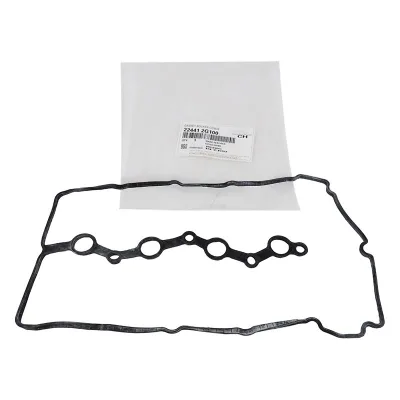


$1.00 - $10.00
MOQ: 1000 Pieces

$1.00 - $10.00
MOQ: 1000 Pieces

$1.00 - $10.00
MOQ: 1000 Pieces


Comprehensive Sourcing Guide
Engine Valve Cover Gasket Sourcing Guide
Procuring engine valve cover gaskets requires a nuanced understanding of material compatibility, sealing mechanics, and supply chain reliability. These components are critical for maintaining engine integrity by preventing oil leaks and keeping contaminants out of the combustion chamber. Buyers must navigate a market that offers everything from generic rubber seals to high-performance composite gaskets, often with varying degrees of customization and quality assurance. This guide provides a structured approach to evaluating suppliers, verifying technical specifications, and ensuring long-term supply chain stability for this essential automotive component.
The sourcing landscape for engine valve cover gaskets is diverse, ranging from mass-produced standard parts to bespoke solutions tailored for specific industrial or heavy machinery applications. Suppliers often list a wide array of materials, including rubber, silicone, plastic, and composite options, each suited to different temperature and pressure environments. Understanding the specific operational demands of your engine—such as high-speed rotation, medium pressure, or extreme temperature fluctuations—is the first step in narrowing down the supplier pool and selecting the appropriate gasket type.
Product Scope and Observed Listing Signals
The current market for engine valve cover gaskets exhibits a broad range of product attributes, with observed prices spanning from $0.01 to $1,500 USD. This wide variance reflects the difference between simple, single-material O-rings and complex, multi-layered composite gaskets designed for heavy-duty applications. Buyers should note that the minimum order quantity (MOQ) typically ranges from 1 to 1,000 units, indicating that suppliers are flexible enough to accommodate both prototype testing and large-scale production runs. This flexibility is crucial for businesses that need to scale their procurement orders based on production cycles or inventory requirements.
Listing signals also reveal significant variation in packaging and shipping methods, which can impact total landed cost and product integrity. Common packaging options include neutral packing, carton boxes, and polywooden boxes for heavier items, while some suppliers offer palletized shipping for bulk orders. Shipping is frequently handled via express couriers such as DHL, FedEx, UPS, and TNT, with delivery times often cited as 1-3 working days after payment. While these rapid delivery windows are attractive, buyers must verify if these timelines apply to stock items or if they are contingent on manufacturing lead times for customized orders.
Technical Specifications to Verify
Material selection is the most critical technical factor when sourcing engine valve cover gaskets. Suppliers offer a variety of materials, including rubber, silicone, PU, PVC, ABS, and nylon, each with distinct properties regarding heat resistance, chemical compatibility, and durability. For instance, silicone gaskets are often preferred for high-temperature environments due to their stability, while rubber gaskets may offer better elasticity for sealing irregular surfaces. Buyers must verify the specific material composition against the engine’s operating conditions, ensuring that the gasket can withstand the expected temperature range and pressure without degrading or losing its sealing capability.
Structural design and dimensional accuracy are equally important for ensuring a proper seal. Gaskets may come in various forms, such as flat gaskets, O-rings, or composite lip designs, and must match the specific geometry of the engine valve cover. Customization is widely available, allowing buyers to specify dimensions, colors, and surface finishes to meet precise engineering requirements. It is essential to confirm that the supplier can produce gaskets with tight tolerances, as even minor deviations in size or thickness can lead to oil leaks or engine performance issues. Additionally, verifying the cross-section shape and lip design ensures compatibility with the engine’s fastening system and sealing surface.
Compliance and Safety Documentation
Regulatory compliance is a key consideration for engine valve cover gaskets, particularly when they are used in vehicles or machinery that must meet international safety and environmental standards. Many suppliers claim certifications such as RoHS, CE, and ISO9001, which indicate adherence to quality management systems and restrictions on hazardous substances. Buyers should request valid certification documents to verify these claims, ensuring that the gaskets do not contain materials that could pose environmental or health risks. Compliance with these standards is often a prerequisite for selling products in regulated markets, making it a critical factor in supplier selection.
In addition to product certifications, buyers should inquire about the supplier’s adherence to industry-specific standards, such as Chinese Standard, ANSI, DIN, or JIS. These standards govern the dimensions, material properties, and performance criteria of gaskets, ensuring consistency and reliability across different manufacturers. Verifying that the supplier follows recognized standards helps mitigate the risk of receiving substandard products that may fail prematurely. Buyers should also confirm whether the supplier conducts internal quality tests and maintains records of these tests, as this demonstrates a commitment to quality control and continuous improvement.
Cost Drivers and Commercial Terms
Several factors influence the final cost of engine valve cover gaskets, including material type, production volume, and customization requirements. Basic rubber or silicone gaskets are generally more affordable, while composite or custom-designed gaskets command higher prices due to the complexity of manufacturing and the cost of specialized materials. Buyers should also consider the impact of packaging and shipping costs, which can vary significantly depending on the order size and destination. Negotiating favorable shipping terms, such as free shipping for large orders or consolidated shipments, can help reduce overall procurement costs.
Commercial terms, including payment methods and delivery schedules, play a crucial role in managing cash flow and supply chain efficiency. Suppliers often offer flexible payment options, but buyers should clarify the terms for customized orders, which may require upfront deposits or full payment before production begins. Delivery times can also vary, with some suppliers offering rapid delivery for stock items and longer lead times for custom orders. Understanding these terms allows buyers to plan their inventory levels and production schedules more effectively, avoiding delays that could disrupt manufacturing operations.
Supplier Qualification and Quality Control
Evaluating a supplier’s qualifications is essential for ensuring the reliability and consistency of engine valve cover gaskets. Buyers should look for suppliers with a proven track record in the industry, ideally with 40+ years of experience and a team of 50+ engineers. Such experience often translates to a deeper understanding of customer needs and the ability to provide technical support and troubleshooting assistance. Additionally, suppliers that offer OEM/ODM services demonstrate flexibility and a willingness to collaborate on custom solutions, which can be valuable for businesses with unique requirements.
Quality control processes are another critical aspect of supplier evaluation. Buyers should inquire about the supplier’s quality management systems, including inspection procedures, testing protocols, and defect rate monitoring. Suppliers that adhere to ISO9001 standards typically have robust quality control measures in place, ensuring that products meet specified requirements before shipment. Buyers may also request samples for testing to verify material properties, dimensional accuracy, and sealing performance. Establishing a clear quality agreement with the supplier, including criteria for acceptance and rejection, helps maintain consistent product quality over time.
Long-Term Procurement Checks
Building a sustainable supply chain for engine valve cover gaskets requires ongoing monitoring and relationship management. Buyers should regularly review supplier performance metrics, such as on-time delivery rates, product quality, and responsiveness to issues. Establishing a feedback loop with the supplier allows for continuous improvement and addresses any emerging problems before they impact production. Additionally, maintaining open communication about future needs and potential changes in specifications helps ensure that the supplier can adapt to evolving requirements.
Diversifying the supplier base is another strategy for mitigating risk and ensuring supply continuity. Relying on a single supplier can expose buyers to disruptions caused by production delays, quality issues, or geopolitical factors. By qualifying multiple suppliers, buyers can compare pricing, quality, and service levels, fostering healthy competition and reducing dependency on any one source. Regularly auditing suppliers and conducting periodic performance reviews helps maintain high standards and ensures that the supply chain remains resilient and efficient over the long term.
FAQs
What is the delivery time for engine valve cover gaskets?
Delivery takes 1-3 working days after payment is received. This applies to orders with sufficient stock available from the China origin facility.
Can I request custom specifications for these gaskets?
Yes, customization is available for molds and products including color, material, size, and surface finish. Suppliers offer OEM and ODM services to meet specific needs.
Which certifications do the manufacturers hold?
Manufacturers hold RoHS, CE, and ISO9001 certifications. These standards ensure quality compliance for industrial components and machinery applications.
What materials are used for the gaskets?
Available materials include plastic, rubber, silicone, PU, nylon, PVC, and ABS. Selection depends on the specific application requirements like engine or vehicle use.
How are the products packaged for shipping?
Packaging includes neutral packing, TE packing, carton boxes, or polywooden boxes for heavy items. Pallets are also used for larger shipments.
What is the minimum order quantity for these parts?
The minimum order quantity ranges from 1 to 1000 units depending on the specific product model. Sufficient stock is maintained to support various order sizes.
Where are the gaskets manufactured?
Products originate from China, with specific facilities located in Jinan. The manufacturing process utilizes injection, CNC, and compression technologies.