Source Customized Fire Extinguisher Sign for signs, stickers, and safety labels
Find 30 options for Customized Fire Extinguisher Sign products featuring materials like aluminum, PVC, and acrylic. Buyers can compare sizes, printing methods, and customization capabilities from verified Chinese manufacturers.
Key considerations
Products List


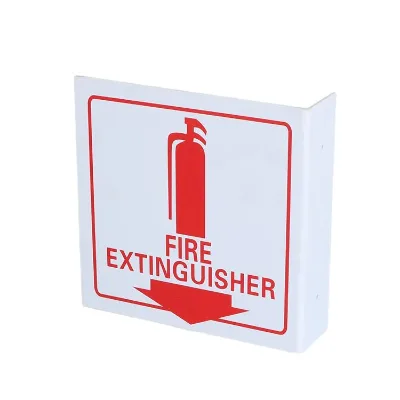
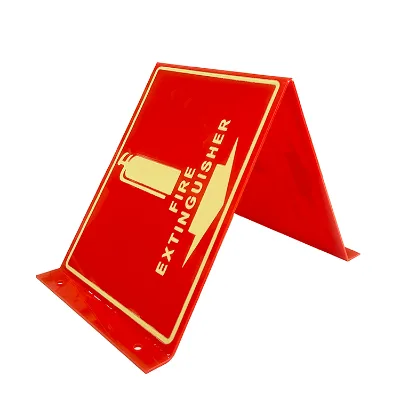
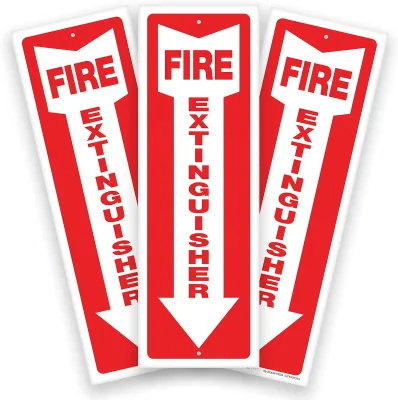
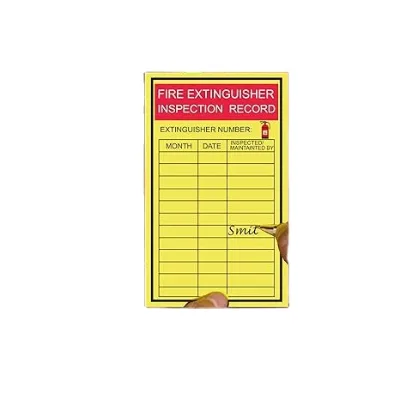
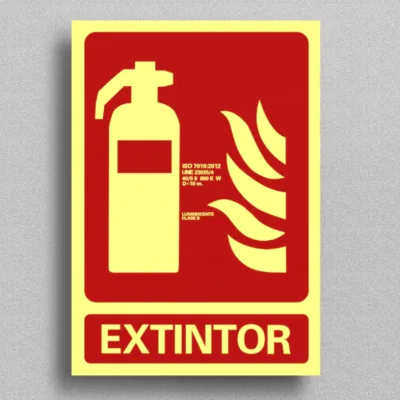
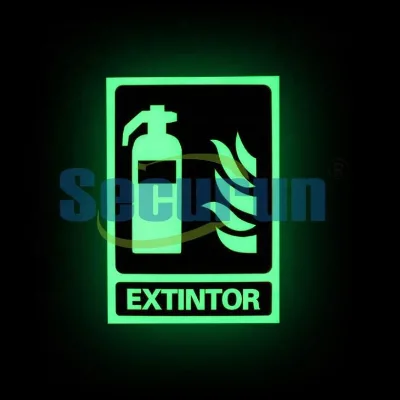
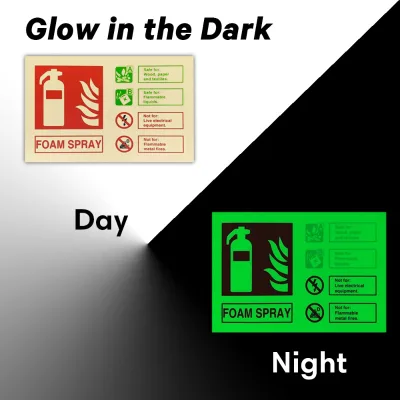
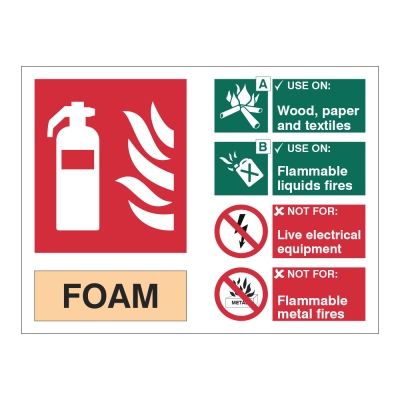


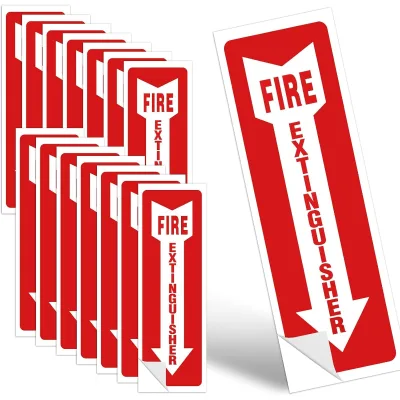
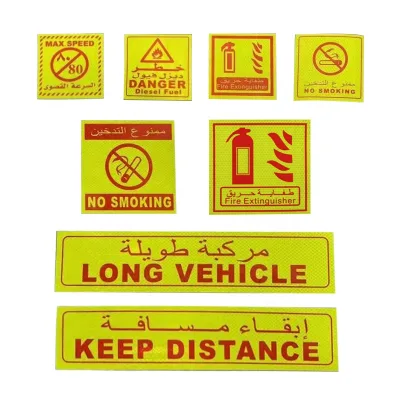
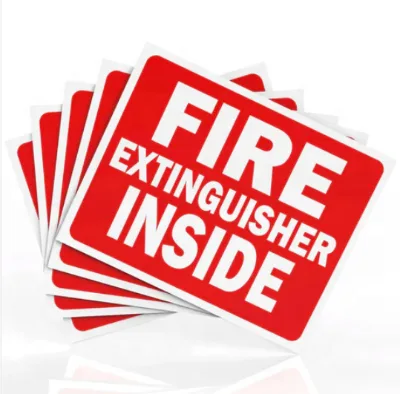
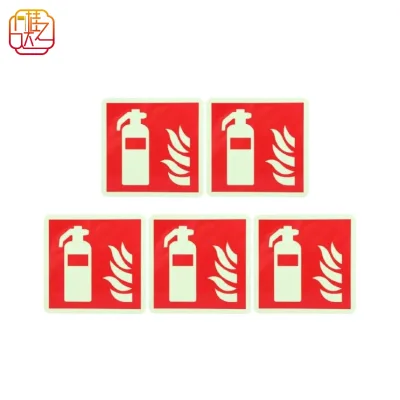
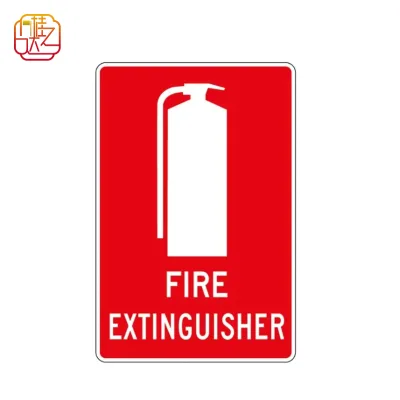
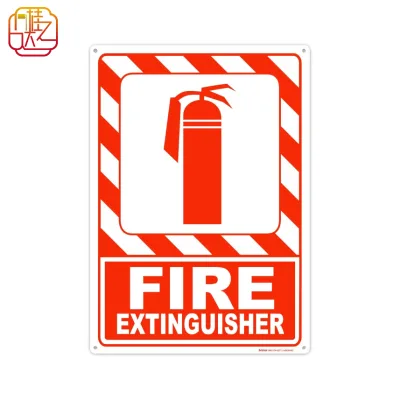

Comprehensive Sourcing Guide
Strategic Sourcing Guide for Customized Fire Extinguisher Signs
Navigating the global market for customized fire extinguisher signs requires a disciplined approach that balances visual clarity, regulatory compliance, and material durability. These safety assets are not merely decorative; they are critical components of facility safety protocols, ensuring that emergency equipment is immediately identifiable in high-stress situations. The sourcing landscape for these items is characterized by a high degree of customization, with manufacturers offering a wide array of materials, dimensions, and printing techniques to meet specific site requirements. Buyers must move beyond simple price comparisons to evaluate the technical integrity of the product, the reliability of the supply chain, and the adherence to safety standards. This guide provides a comprehensive framework for evaluating suppliers and specifications based on verified market data and industry best practices.
Technical Specifications and Material Selection
The foundation of a reliable fire extinguisher sign lies in its material composition and physical dimensions. Market observations indicate a diverse range of materials available for production, including PVC, PP, PS, Acrylic, and Aluminum. Each material offers distinct advantages depending on the environmental conditions of the installation site. For instance, Aluminum is frequently cited for its durability and resistance to rust, making it suitable for industrial environments or outdoor applications where exposure to moisture and harsh chemicals is a concern. Conversely, PVC and PP materials offer flexibility and cost-effectiveness, often preferred for indoor signage where impact resistance is less critical than budget constraints.
Dimensional customization is a primary feature of this product category. While standard sizes such as 7x10 inches, 10x14 inches, 300mm x 200mm, and 200mm x 150mm are commonly referenced, the market strongly supports fully customized sizing. Specific model numbers like SA13-422-27, SA18-103-12, and SA13-422-26 illustrate the granularity of available options, though these codes are specific to individual manufacturers. Buyers should verify that the supplier can accommodate exact dimensions required by local fire codes, which may dictate specific aspect ratios or minimum visibility areas. Thickness is another critical specification, with options ranging from standard 1 mm to fully customizable gauges. The ability to select a specific thickness ensures the sign maintains its structural integrity and does not warp or curl over time, particularly in high-temperature environments.
Compliance, Certification, and Safety Standards
When sourcing safety signage, compliance with local and international safety standards is non-negotiable. While specific certification names were not universally listed in the product data, the presence of features such as "High-Visibility," "Rust-proof," and "Rain-resistant" suggests that products are designed to meet rigorous performance criteria. The core requirement for fire extinguisher signs is that they must remain legible and intact under emergency conditions. Buyers must verify that the chosen material and printing method do not degrade under UV exposure or extreme weather, as faded signage can lead to compliance violations and safety hazards.
The "Hazardous Chemical" attribute is explicitly noted as "No" for the products observed, indicating that the materials used are generally safe for handling and installation. However, buyers should not assume universal compliance without verification. It is essential to request documentation confirming that the signs meet the specific fire safety regulations of the destination country, such as OSHA standards in the United States or ISO standards in Europe. The standard sizes observed, including 150mm x 100mm and 12x4 inches, often align with common regulatory requirements for visibility distance, but local authorities may have unique mandates. Therefore, the procurement process must include a step where the supplier confirms adherence to the specific regulatory framework of the buyer's location.
Cost Drivers and Pricing Dynamics
Understanding the cost structure of customized fire extinguisher signs is vital for budget planning. The observed price range in the market spans from $0.10 to $99.00 USD, a wide variance that reflects differences in material quality, customization complexity, and order volume. The primary cost drivers include the choice of material, the printing technique, and the order quantity. Aluminum signs, offering superior durability, will naturally command a higher price point compared to PVC or PP alternatives. Similarly, the printing method significantly impacts cost; UV printing and Silkscreen printing are the two dominant techniques observed. UV printing typically offers higher color fidelity and durability, while Silkscreen printing is a robust, cost-effective method for simpler designs.
Order volume plays a decisive role in unit pricing. The market data indicates a Minimum Order Quantity (MOQ) range of 1 to 1000 pieces, with specific listings showing MOQs of 100 pcs or 200 pcs. Buyers purchasing small quantities may face higher per-unit costs due to setup fees for custom molds or printing plates. Conversely, larger orders benefit from economies of scale. The "Supply Ability" of suppliers, noted as up to 1,000,000 pieces per month, suggests that volume discounts are likely available for large-scale procurement projects. Buyers should negotiate based on their projected annual usage to optimize the balance between upfront investment and long-term unit cost.
Typical Applications and Design Requirements
The application of customized fire extinguisher signs extends across various sectors, from manufacturing plants and warehouses to commercial buildings and public spaces. The primary usage is to mark the location of fire extinguishers, ensuring rapid identification during an emergency. The design must be intuitive, typically utilizing a high-contrast color scheme of Red and White to maximize visibility. The "Full color" printing capability allows for the inclusion of detailed instructional graphics, such as the PASS (Pull, Aim, Squeeze, Sweep) technique, which enhances the utility of the sign beyond simple location marking.
Customization extends to the shape and layout of the sign. While rectangular shapes are standard, the market supports customized shapes to fit unique architectural features or space constraints. The "Logo" and "Design" attributes confirm that suppliers can integrate corporate branding or specific facility identifiers onto the sign. This is particularly useful for large organizations with multiple sites, where consistent branding aids in quick recognition. The "Place of Origin" data points to manufacturing hubs in Zhejiang and Anhui, China, regions known for their robust manufacturing ecosystems capable of handling complex design requirements. Buyers should ensure that the design file provided meets the resolution and format requirements of the chosen printing method to avoid quality issues.
Supplier Evaluation and Logistics
Selecting the right supplier involves more than just reviewing product specifications; it requires an assessment of the supplier's logistical capabilities and reliability. The "Port of dispatch" is frequently listed as Shanghai and Ningbo, major shipping hubs in China that offer efficient access to global markets. Buyers should verify the supplier's experience with international shipping, particularly regarding the packaging of safety signs to prevent damage during transit. The "Packing Details" indicate that products are typically packed into standard export packing boxes, which is a good baseline for protection, but buyers may need to request reinforced packaging for fragile materials like acrylic.
Payment terms are another critical factor in supplier evaluation. The observed standard terms include T/T (Telegraphic Transfer) or Western Union. Buyers should be aware of the risks associated with these payment methods and consider using secure trade assurance platforms or letters of credit for large orders. The "Custom-made" and "Customization" attributes highlight that the supplier must be responsive to design changes. A reliable supplier will have a clear workflow for approving proofs and making adjustments before mass production begins. The "Brand Name" and "Product Name" fields suggest that while some suppliers operate under their own brands, many function as OEM providers, meaning the buyer's brand may be the primary identifier on the final product.
Quality Control and Long-Term Procurement
Maintaining quality over the lifecycle of the procurement relationship is essential for safety signage. The "Feature" set, including "High-Visibility" and "Rain-resistant," must be validated through quality control checks. Buyers should request sample products to test for color fastness, adhesion of the print, and the durability of the material against environmental stressors. The "Thickness" and "Size" specifications must be verified against the ordered specifications to ensure consistency across the batch. Inconsistent dimensions can lead to installation issues, while variations in thickness can affect the sign's rigidity and longevity.
For long-term procurement, buyers should consider the scalability of the supplier. With a supply ability of up to 1,000,000 pieces per month, the identified suppliers are capable of handling large, recurring orders. Establishing a long-term contract can provide stability in pricing and lead times. Buyers should also consider the environmental impact of the materials used, as sustainability is becoming an increasingly important factor in procurement decisions. While the specific recyclability of PVC or Aluminum was not detailed in the data, buyers should inquire about the end-of-life disposal options for the signs. Finally, maintaining a clear record of the "Model Number" and "Specification" for each order ensures that future reorders can be processed accurately, reducing the risk of errors in subsequent batches.
Summary of Key Procurement Considerations
To summarize, sourcing customized fire extinguisher signs requires a holistic approach that integrates technical, logistical, and compliance factors. The market offers a wide spectrum of options, from basic PVC signs to durable aluminum variants, with dimensions ranging from standard 7x10 inches to fully custom sizes. The key to a successful procurement strategy lies in verifying the material properties, confirming compliance with local safety regulations, and establishing a reliable relationship with a supplier capable of meeting volume and quality demands. By focusing on these core areas, buyers can ensure that their facility is equipped with high-quality, compliant, and effective safety signage that stands the test of time.
| Feature Category | Observed Options | Key Verification Points |
|---|---|---|
| Materials | PVC, PP, PS, Acrylic, Aluminum | Verify suitability for indoor/outdoor use; check rust resistance. |
| Dimensions | 7x10", 10x14", 300x200mm, Custom | Confirm exact size requirements against local fire codes. |
| Printing | UV Printing, Silkscreen, Full Color | Check color fastness and print adhesion durability. |
| MOQ | 1 - 1000 pcs (Commonly 100 or 200) | Negotiate pricing based on volume tiers. |
| Origin | Zhejiang, Anhui, China | Verify port of dispatch (Shanghai/Ningbo) and lead times. |
| Compliance | High-Visibility, Rain-resistant | Request documentation for specific regional safety standards. |
By adhering to these guidelines and leveraging the detailed specifications available in the market, buyers can make informed decisions that prioritize safety, quality, and value.
FAQs
What materials are available for customized fire extinguisher signs?
Signs are commonly made from PVC, PP, PS, Acrylic, or Aluminum. Aluminum offers rust-proof durability for harsh environments, while plastic options provide cost-effective flexibility for indoor use.
Can the size of the fire extinguisher sign be customized?
Yes, the size is fully customizable to meet specific requirements. Standard options include 7x10 inches or 300mm by 200mm, but buyers can request unique dimensions to fit their facility.
Which printing methods are used for these safety signs?
Manufacturers utilize UV printing and Silkscreen printing for production. These techniques ensure high visibility and color fidelity, allowing for full-color designs and detailed instructional graphics.
What is the typical minimum order quantity for these signs?
The minimum order quantity ranges from 1 to 1000 pieces depending on the supplier. Specific listings indicate MOQs of 100 or 200 pieces for standard customization requests.
How are these signs packaged for international shipping?
Products are packed into standard export packing boxes to ensure safety during transit. This packaging protects the signs from damage while they are shipped from ports like Shanghai or Ningbo.
Can the logo and design be customized for my brand?
Yes, both the logo and design can be customized to your specific requirements. Suppliers welcome custom designs to integrate corporate branding or specific facility identifiers onto the safety signs.