Source Customized Logo Caps and Shirts Set for events, gifts, and branding
Compare 30 listings for Customized Logo Caps and Shirts Set designed for promotional events, corporate gifts, and brand awareness campaigns. Buyers can evaluate options with eco-friendly features, custom colors, and various packing styles from Chinese manufacturers.
Key considerations
Products List


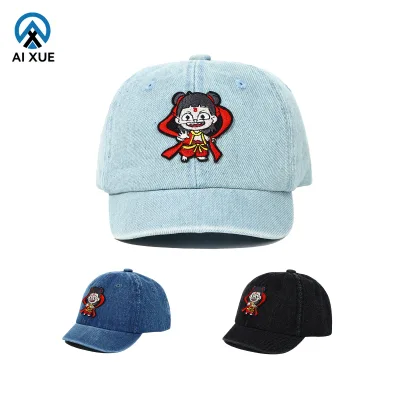
Cotton Flight Cap Five-Piece Set Camping Sports Street Fashion Caps for Men and Women
$1.99 - $2.59
MOQ: 500 Pieces


Comprehensive Sourcing Guide
Strategic Sourcing Guide for Customized Logo Caps and Shirts Sets
Understanding Product Attributes and Customization Capabilities
When sourcing a Customized Logo Caps and Shirts Set, buyers must first distinguish between the specific product categories and the broad customization capabilities offered in the market. The available product data indicates a diverse range of offerings that span from specific apparel items like caps to broader promotional gift sets. The core keyword suggests a bundle, yet the underlying supply chain often treats these as distinct SKUs that can be mixed. The observed product attributes reveal that "Customization" is a primary feature, with specific mentions of "Customized" materials, "Customized Colors," and "Customized" sizes. This confirms that the market for these items is heavily driven by OEM (Original Equipment Manufacturer) and ODM (Original Design Manufacturer) models, where the buyer defines the final aesthetic and functional parameters.
The product types identified in the supply data include "Apparel/Cap," "Gift Set," and "Card Holder," suggesting that a "set" might not always be a physical bundle of a cap and a shirt, but rather a curated collection of branded items. The "Type" attribute frequently lists "Promotion Gift Set" or "Gift Set," while the "Usage" spans "Decoration," "Daily Use," and "Gift." This flexibility allows buyers to tailor the procurement to specific campaign goals, whether the goal is brand visibility through apparel or functional utility through gift sets. The "Feature" attribute highlights "With Logo," "Eco-Friendly," and "Novelty," indicating that the customization process is not limited to simple logo placement but extends to material selection and design novelty.
Buyers should note that the "Material" attribute varies significantly across listings, ranging from "Cotton" and "Polyester" to "Other" and "Customized Materials." This variance implies that a single supplier may offer different tiers of quality or that the market is fragmented. The "Color" attribute is listed as "Multicolour," "Custom," and "Color," reinforcing the need for precise color matching specifications during the design phase. The "Style" is described as both "Fashion" and "Business," suggesting that the sourcing strategy must align with the intended brand image. Whether the target audience requires a casual fashion statement or a professional business uniform, the available product data supports a wide spectrum of stylistic outcomes.
Technical Specifications and Material Standards
Defining the technical specifications is critical when ordering a Customized Logo Caps and Shirts Set, as the "Standard" and "Specification" attributes in the supply data show significant variability. The "prod_standard" field lists values such as "OEM," "Standard size," and "customize size," while the "prod_model" includes codes like "DV-BC-01," "DV," and "OE-036." These model numbers serve as internal references for suppliers but do not guarantee a universal fit or material composition. Buyers must verify the specific "Size" attribute, which is explicitly noted as "Customized" in several records, meaning that off-the-shelf sizing may not apply.
The material composition is a primary technical driver. The data confirms the availability of "Cotton" and "Polyester," which are standard for caps and shirts. However, the presence of "Other" and "Customized Materials" suggests that suppliers may offer blends, recycled fabrics, or performance textiles depending on the order volume and specific request. For a set that includes both caps and shirts, the buyer must ensure that the material quality is consistent across both items to maintain brand integrity. The "Feature" attribute also lists "Luminous" and "Without Logo," indicating that technical specifications can include functional elements like light-emitting components or the option for unbranded base items.
Packaging specifications are equally important for logistics and presentation. The "prod_packing" attribute shows a range of options, including "Carton," "OPP Bag or Gift Box," "1 Piece 1plastic Bag," and "Multiple Colors." The "Single Package Siz" is noted as "30X30X30 Cm" in some instances, with a "Single Gross Weigh" of "0.100 Kg." These figures are likely representative of a specific unit or a small batch, and buyers should not assume these dimensions apply to a full set of caps and shirts. The "Packing" attribute also mentions "100PCS/CTN," which is a standard bulk packaging metric. When sourcing a set, the buyer must clarify whether the packaging is designed for individual retail display or bulk industrial transport, as this impacts the "Delivery Time" and handling requirements.
Compliance, Certification, and Regulatory Verification
In the realm of B2B procurement for apparel and promotional gifts, compliance and certification are often the most misunderstood aspects of the supply chain. The provided product data does not explicitly list specific certifications such as ISO, GRS (Global Recycled Standard), or OEKO-TEX. Instead, the "Feature" attribute mentions "Eco-Friendly," which is a claim that requires independent verification. Buyers must treat "Eco-Friendly" as an observation rather than a guaranteed certification status. Without explicit mention of a recognized standard in the supply data, the buyer's responsibility is to request third-party test reports or certificates of compliance from the supplier.
The "Standard" attribute lists "OEM" and "Standard size," but these are manufacturing models rather than regulatory standards. For apparel, particularly items intended for "Indoor, Outdoor" use as noted in the "Application" attribute, buyers should verify that the materials meet local safety regulations regarding flammability, chemical content (such as AZO dyes), and labeling requirements. The "Location" attribute confirms the "prod_origin" is "China," which is a major manufacturing hub but also a region where regulatory enforcement can vary. Buyers should not assume that products originating from this location automatically meet the safety standards of their destination market.
Furthermore, the "Customized" nature of the "Material" and "Colors" introduces additional compliance risks. Custom dyes and treatments must be vetted for compliance with REACH (in Europe) or TSCA (in the US) regulations. The "Feature" attribute also includes "Novelty," which may imply the inclusion of small parts or electronic components (like the "Luminous" feature). If the set includes items with small parts, buyers must ensure compliance with child safety standards if the product is marketed for younger demographics. The absence of explicit certification data in the source material necessitates a proactive approach where the buyer mandates proof of compliance before placing a bulk order.
Cost Drivers and Pricing Dynamics
Understanding the cost drivers for a Customized Logo Caps and Shirts Set requires analyzing the interplay between customization, volume, and logistics. The observed price range in the supply data is listed as 0.01-13.9 USD. This wide range is indicative of the diverse product types included in the search results, from low-cost individual items like a single plastic bag or a basic card holder to higher-value gift sets or branded apparel. The lower end of the range likely corresponds to simple, mass-produced items with minimal customization, while the upper end reflects complex sets with premium materials, custom packaging, and extensive branding.
The "MOQ" (Minimum Order Quantity) range of 2-10000 units is a significant cost driver. The ability to order as few as 2 units suggests that suppliers cater to small businesses or sampling needs, but the unit cost will be significantly higher than bulk orders. Conversely, the 10000-unit threshold indicates economies of scale are available for large corporations. The "Delivery Time" is listed as "Within 30 Days" or "15-30 Days," which impacts the total cost of ownership. Faster lead times often incur premium charges, while longer lead times allow for more efficient production scheduling and lower costs.
Customization is the primary variable affecting price. The "Customized" attribute for "Material," "Colors," and "Size" implies that each unique specification may require a separate production run or setup fee. The "Feature" of "With Logo" involves additional costs for screen printing, embroidery, or heat transfer, depending on the complexity of the design and the number of colors. The "Packing" options, such as "Gift Box" versus "OPP Bag," also influence the final cost. A "Gift Box" adds material and assembly costs, whereas a simple "1plastic Bag" is more economical. Buyers must balance the desire for premium presentation with the budget constraints, understanding that the "Type" of the product (e.g., "Promotion Gift Set" vs. "Apparel/Cap") dictates the baseline cost structure.
Typical Applications and Use Cases
The versatility of the Customized Logo Caps and Shirts Set is evident in the "Application" and "Usage" attributes provided in the data. The products are suitable for "Indoor, Outdoor" environments, making them ideal for a wide range of events and corporate activities. The "Occasion" is listed as "Celebration," which encompasses corporate anniversaries, product launches, and team-building events. The "Usage" attributes of "Decoration," "Daily Use," and "Gift" further expand the potential applications.
For corporate branding, the "Business" style and "Branded" usage suggest that these sets are effective for employee uniforms, client gifts, or trade show giveaways. The "Fashion" style indicates that the items can also be used for lifestyle marketing, appealing to a younger demographic. The "Suitable for" attribute, which includes "All" and "Universal," implies that the sizing and design can be adapted for various body types and preferences, enhancing the inclusivity of the brand message.
The "Feature" of "Eco-Friendly" aligns with the growing trend of sustainable corporate social responsibility (CSR) initiatives. Companies looking to project an environmentally conscious image can leverage the "Eco-Friendly" claim, provided they verify the material sources. The "Novelty" feature suggests that these sets can be used for promotional campaigns that require a unique or memorable item to capture attention. Whether the goal is to provide a functional "Daily Use" item or a special "Gift" for a specific "Celebration," the customization options allow for precise alignment with the brand's messaging and the event's theme.
Supplier Evaluation and Quality Control Protocols
Evaluating suppliers for a Customized Logo Caps and Shirts Set requires a rigorous approach to quality control and capability assessment. The "prod_model" variations (e.g., "DV-BC-01," "OE-036") suggest that different suppliers may have different product lines, and buyers must ensure the specific model matches their requirements. The "Standard" attribute of "OEM" indicates that the supplier is capable of manufacturing to the buyer's specifications, but this does not guarantee consistent quality without proper oversight.
Quality control should begin with the verification of the "Material" and "Feature" claims. Since the data lists "Cotton," "Polyester," and "Other," buyers must request physical samples to verify the fabric weight, texture, and durability. The "Color" attribute, listed as "Custom" or "Multicolour," requires a color matching process to ensure brand consistency. The "Feature" of "With Logo" necessitates a review of the print or embroidery quality, checking for alignment, color fastness, and durability after washing.
The "Packing" specifications, such as "100PCS/CTN" and "30X30X30 Cm," must be verified against the actual shipment to ensure that the goods arrive in good condition. The "Single Gross Weigh" of "0.100 Kg" serves as a baseline for checking weight discrepancies, which could indicate missing items or incorrect packaging. Buyers should also assess the supplier's ability to handle the "Customized" nature of the order, ensuring they can manage the "Customized Materials" and "Customized Colors" without compromising the production timeline.
Long-Term Procurement Considerations and Supply Chain Resilience
Long-term procurement of customized logo caps and shirts sets involves considerations beyond the initial order. The "Delivery Time" of "15-30 Days" suggests a moderate lead time, which buyers must factor into their inventory planning. For recurring needs, establishing a relationship with a supplier who can consistently meet this timeline is crucial. The "MOQ" range of 2-10000 offers flexibility, but buyers should aim to consolidate orders to leverage volume discounts and reduce per-unit costs.
The "Location" of "China" presents both opportunities and risks. While it offers cost-effective manufacturing, buyers must consider geopolitical factors, shipping logistics, and potential tariffs. Building a diversified supplier base can mitigate these risks. The "Customization" capability is a long-term asset, allowing the brand to evolve its product line without changing suppliers. However, maintaining the "Eco-Friendly" and "Novelty" features over time requires ongoing communication with the supplier to ensure that materials and designs remain up-to-date with market trends.
Finally, the "Feature" of "Without Logo" offers a strategic advantage for future product iterations. Suppliers that can provide unbranded base items allow for flexibility in rebranding or creating different product lines without retooling the entire supply chain. By focusing on the "Standard size" and "Customized size" options, buyers can ensure that their long-term inventory remains relevant and adaptable to changing consumer preferences. The key to successful long-term procurement lies in maintaining a clear, documented specification sheet that aligns with the supplier's capabilities and the buyer's evolving brand strategy.
FAQs
How can I customize the colors and materials for the set?
You can customize colors and materials by selecting options like cotton, polyester, or other materials. The supplier offers customized colors and materials to match your brand identity, ensuring the final product meets your specific aesthetic requirements.
What is the minimum order quantity for a promotional gift set?
The minimum order quantity ranges from 2 to 10,000 units depending on the specific supplier and product type. This flexibility allows small businesses to order samples while larger corporations can secure bulk pricing for extensive campaigns.
Can I get these items with a logo within 30 days?
Yes, you can receive items with a logo within 30 days as the delivery time is listed as 15-30 days. This timeline applies to customized products featuring logos, eco-friendly materials, and novelty designs suitable for various occasions.
Which packaging options are available for bulk orders?
Packaging options include cartons, OPP bags, gift boxes, or individual plastic bags. Bulk orders may be packed as 100 pieces per carton, with specific dimensions and weights provided for logistics planning and efficient shipping management.
What are the standard sizes for the apparel and gift sets?
Sizes are often customized to your requirements, though standard sizes are also available for some models. You can specify dimensions like 40*20*15 cm for packaging or request specific apparel sizes to ensure a perfect fit for your target audience.
How do I verify the eco-friendly claims for these products?
While the products are labeled eco-friendly, you must request third-party test reports to verify this claim. The supply data does not list specific certifications, so independent verification is necessary to ensure compliance with international environmental standards.