Source Customized Logo Billiard Joint Screw for Pool, Snooker, and Bar Tables
Find and compare Customized Logo Billiard Joint Screw options for 30 products. Evaluate specifications for pool, snooker, and bar table applications to ensure secure cue stick assembly and reliable performance for your equipment needs.
Key considerations
Products List

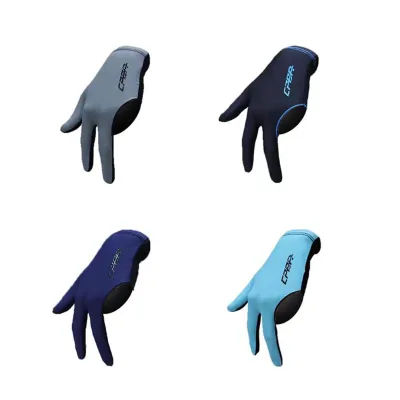
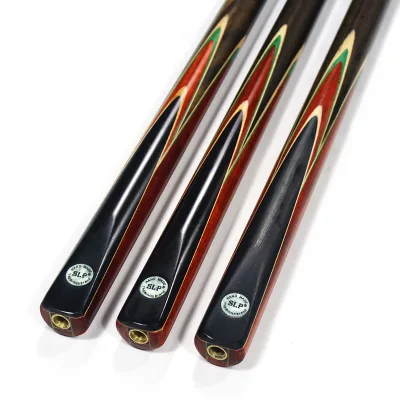


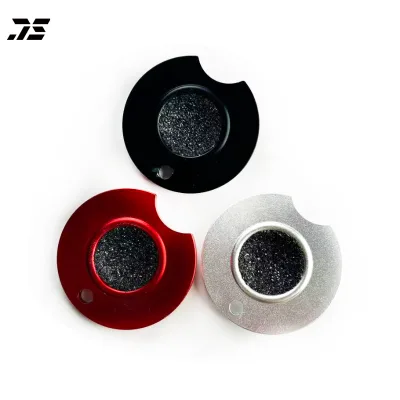


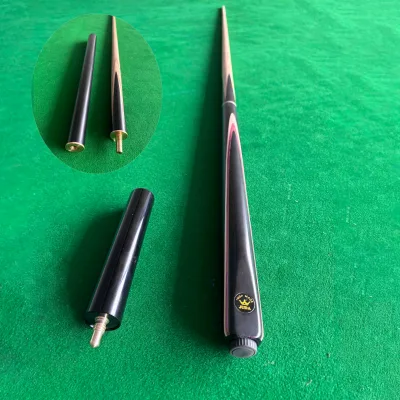
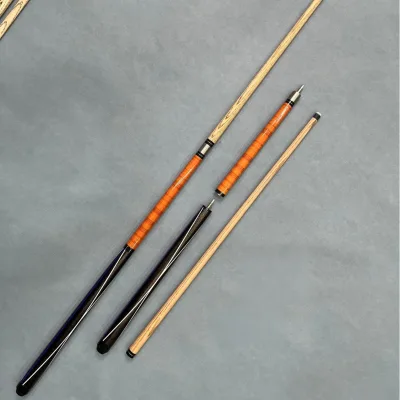
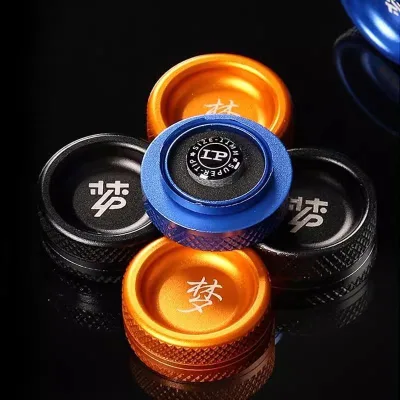
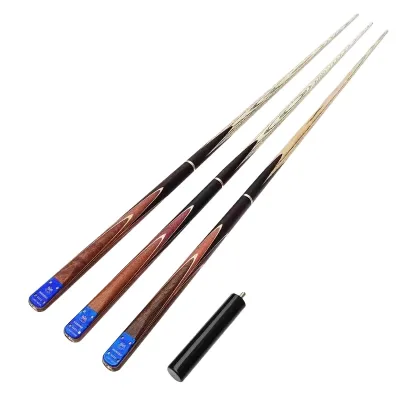
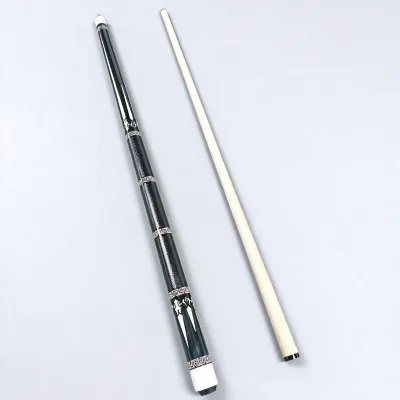


Comprehensive Sourcing Guide
Customized Logo Billiard Joint Screw Sourcing Guide
Sourcing high-performance billiard joint screws requires a nuanced understanding of the intersection between precision engineering and aesthetic customization. These components serve as the critical mechanical link between the shaft and the butt of a cue stick, directly influencing the transfer of energy, the stability of the joint, and the overall feel of the instrument. For procurement professionals, the primary challenge lies in identifying suppliers who can deliver not only tight mechanical tolerances but also the specific branding and finish requirements demanded by premium cue manufacturers. The market offers a wide array of options, ranging from standard aluminum alloy joints to more complex, customized solutions that may include proprietary threading or unique surface treatments.
The decision to source customized logo billiard joint screws often stems from a need for brand differentiation in a competitive market. Buyers must recognize that the "joint" is not merely a screw but a system involving the joint pin, the joint sleeve, and the mating threads on both the shaft and butt. While the core keyword focuses on the screw or joint mechanism, the surrounding product ecosystem includes the cue stick itself, which may be constructed from materials like ash wood shafts and ebony butts, as observed in current listings. Understanding this holistic context is essential for evaluating whether a supplier’s joint solution is compatible with the specific wood types, finishes, and structural designs (such as 3/4 split cues) that define the final product.
Product Scope and Observed Listing Signals
The current market landscape for billiard accessories reveals a diverse range of products that inform the scope of joint screw sourcing. Listings indicate a strong presence of cue sticks with specifications such as 7/8/9FT lengths, big specifications, and various joint structures including 3/4 split cues. These structural variations directly impact the design requirements for the joint screw. For instance, a 3/4 split cue requires a joint mechanism that accommodates a longer butt section, potentially demanding different thread lengths or pin diameters compared to a standard 1/2 joint. Procurement teams must analyze these structural signals to ensure that the sourced joint screws are compatible with the specific cue architectures they intend to support.
Furthermore, observed product attributes highlight the importance of material and finish customization. Suppliers frequently offer cues with ash wood shafts and ebony butts, paired with aluminum alloy joints. This suggests that the joint screw itself is likely made from or coated with aluminum alloy or similar metals to ensure durability and smooth operation. The presence of "Customized" and "OEM ODM" attributes in the product data indicates that buyers have significant latitude to request specific branding, such as engraved logos on the joint pin or custom thread pitches. However, buyers must verify that these customization options do not compromise the structural integrity or the precise fit required for high-level play, particularly for sports like snooker and pool where consistency is paramount.
Technical Specifications to Verify
When evaluating potential suppliers for customized billiard joint screws, the verification of technical specifications is the most critical step. Buyers must confirm the exact material composition of the joint components, ensuring that the metal used meets the hardness and wear-resistance standards required for repeated assembly and disassembly. The supplied data mentions aluminum alloy joints, which is a common industry standard, but buyers should request detailed metallurgical reports or material certifications to verify the alloy grade. Additionally, the thread pitch and diameter must be precisely matched to the corresponding shaft and butt components. Even a minor deviation in thread tolerance can lead to loose joints, which negatively impact shot accuracy and cue stability.
Another vital technical aspect is the compatibility with the cue’s overall dimensions and weight distribution. Listings show cue weights ranging from 19-21 oz and tip sizes of 9mm or 10mm. The joint screw design must account for these variables to ensure that the center of gravity remains optimal. Buyers should also inquire about the surface finish of the joint screw, as this affects both the aesthetic appeal and the friction characteristics during tightening. Custom logos or engravings must be applied in a way that does not create stress concentrations or weaken the structural integrity of the screw. Verification of these technical details often requires sample testing and dimensional analysis before committing to large-scale production orders.
Compliance and Safety Documentation
While billiard joint screws are not typically subject to stringent safety regulations like consumer electronics or children’s toys, compliance with general manufacturing standards is still essential. Buyers should ensure that suppliers adhere to international quality management standards, such as ISO 9001, to guarantee consistent production quality. Although specific safety certifications may not be mandatory for the joint screw itself, the materials used must be free from harmful substances, particularly if the cue is intended for professional use where players have prolonged physical contact with the equipment. Verifying that the metal alloys and any coatings used in the joint assembly are compliant with relevant environmental and health regulations is a prudent step for risk mitigation.
Documentation should also include detailed technical drawings and specifications for the customized joint screws. These documents serve as the legal and technical basis for the procurement contract, ensuring that both parties have a clear understanding of the product requirements. Buyers should request certificates of conformity or material test reports from the supplier, especially when dealing with OEM or ODM arrangements. This documentation helps in tracing any potential quality issues back to the source and ensures that the customized logo or branding does not interfere with the functional performance of the joint. Maintaining a robust paper trail of these compliance documents is crucial for long-term supplier relationships and quality assurance.
Cost Drivers and Commercial Terms
The cost of customized billiard joint screws is influenced by several key factors, including material costs, manufacturing complexity, and the extent of customization. The use of high-grade aluminum alloys or other specialized metals will impact the base price, while the addition of custom logos, engravings, or unique thread designs will increase production costs due to the need for specialized tooling and setup. Buyers should be aware that smaller order quantities may result in higher per-unit costs due to these setup fees. Understanding the minimum order quantity (MOQ) requirements is essential for budgeting, as suppliers may have different MOQ thresholds for standard versus customized products.
Commercial terms such as payment methods, lead times, and shipping arrangements also play a significant role in the total cost of ownership. Buyers should negotiate clear terms regarding price adjustments for raw material fluctuations and define the responsibilities for shipping and insurance. It is advisable to request a detailed breakdown of costs, including tooling fees, unit prices, and any additional charges for customization. This transparency allows for better cost control and helps in comparing offers from different suppliers. Additionally, buyers should consider the potential costs associated with quality control and potential returns, factoring these into the overall procurement strategy to ensure a sustainable and profitable sourcing model.
Supplier Qualification and Quality Control
Selecting the right supplier for customized billiard joint screws requires a thorough qualification process that goes beyond price comparisons. Buyers should assess the supplier’s manufacturing capabilities, including their precision machining equipment and quality control procedures. Suppliers with experience in producing components for high-end cue manufacturers are likely to have the necessary expertise to deliver consistent quality. It is also important to verify the supplier’s ability to handle customization requests, such as logo engraving or specific thread designs, without compromising the structural integrity of the joint. Requesting references or case studies from previous clients can provide valuable insights into the supplier’s reliability and performance.
Quality control measures should be clearly defined and agreed upon before production begins. This includes establishing acceptance criteria for dimensional accuracy, surface finish, and functional performance. Buyers should consider implementing pre-shipment inspections or third-party quality audits to ensure that the delivered products meet the specified requirements. Additionally, establishing a clear process for handling defects or non-conforming products is crucial for maintaining supply chain continuity. Regular communication with the supplier regarding quality issues and continuous improvement initiatives can help in building a strong partnership and ensuring long-term success in sourcing customized billiard joint screws.
Long-Term Procurement Checks
Long-term procurement success depends on the ability to monitor and adapt to changes in the market and supplier performance. Buyers should regularly review supplier performance metrics, including on-time delivery rates, quality consistency, and responsiveness to issues. Establishing a periodic review process allows for the identification of potential problems early and the implementation of corrective actions. Additionally, staying informed about industry trends and technological advancements in cue manufacturing can help buyers anticipate future needs and adjust their sourcing strategies accordingly. This proactive approach ensures that the procurement function remains aligned with the company’s strategic goals and market demands.
Furthermore, maintaining a diversified supplier base can mitigate risks associated with single-source dependencies. Buyers should explore opportunities to qualify additional suppliers for customized billiard joint screws, ensuring that there are viable alternatives in case of supply chain disruptions. Building strong relationships with multiple suppliers can also provide leverage in negotiations and improve overall supply chain resilience. Regularly updating the supplier qualification criteria and quality standards ensures that the procurement process remains robust and effective in the face of changing market conditions. By focusing on long-term partnership development and continuous improvement, buyers can secure a reliable and high-quality supply of customized billiard joint screws.
FAQs
Can I get a customized logo on the billiard joint screw?
Yes, customization including logos is available for these products. The supplier offers OEM and ODM services to meet specific branding needs for billiard accessories like joint screws and cue sticks.
What materials are used for the billiard cue shafts?
The shafts are constructed from Ash Wood with Ebony Butts for durability and performance. This combination ensures high quality and stability during play for both pool and snooker applications.
Which specifications are available for the cue stick models?
Available specifications include sizes like 7/8/9FT and model numbers such as BCC-02 and CPBA. These cues feature aluminum alloy joints and come in various tip sizes like 9mm or 10mm.
How is the product packed for shipping?
Products are packed in wood packing to ensure safety during transit. Single package sizes vary, with some items measuring 10X2X1 cm while others are larger at 148.0X10.0X8.0 cm.
What is the origin location of these billiard products?
The products originate from Jiujiang Jiangxi China and Guangdong, China. These locations serve as the primary production hubs for the billiard accessories and cue sticks listed in the catalog.
Can I order a small quantity of customized items?
Yes, you can order small quantities as the minimum order quantity starts at 1 unit. This flexibility allows buyers to test customized billiard joint screws and accessories before placing larger orders.