Source Customized Logo Bicycle Flag for Events, Gifts, and Sports
Find 30 options for a Customized Logo Bicycle Flag designed for training, team building, and walk/run events. Buyers can compare specifications including material, size, and printing methods to select the right product for their needs.
Key considerations
Products List
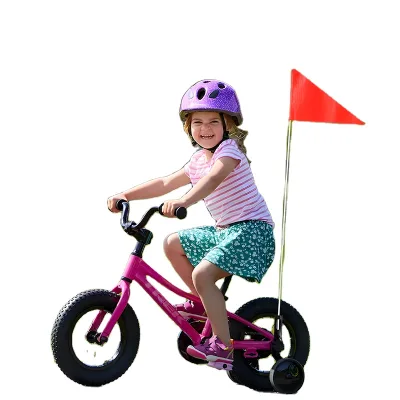


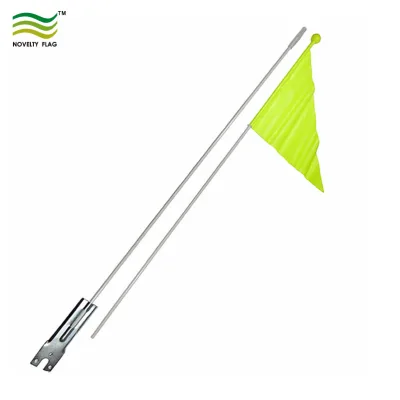
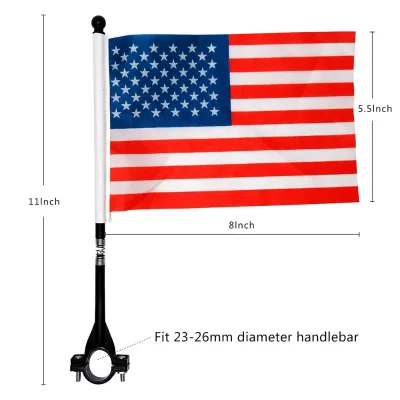
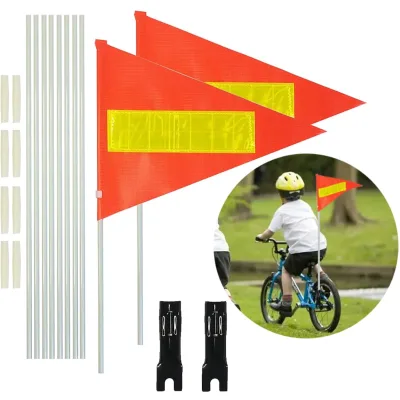


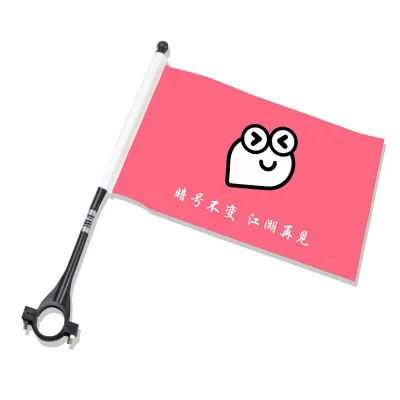
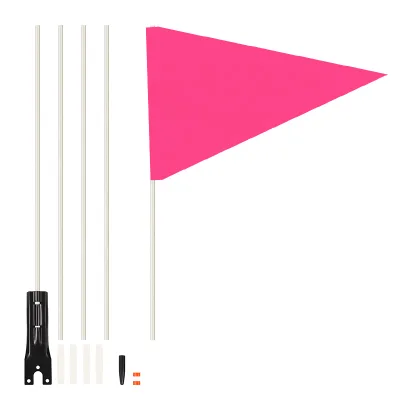
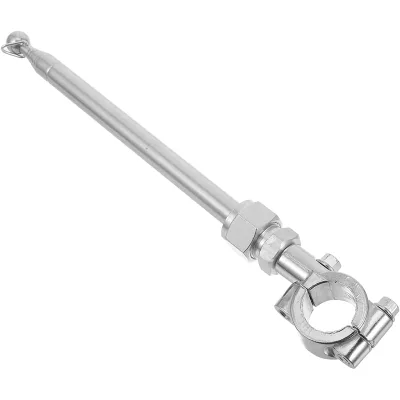

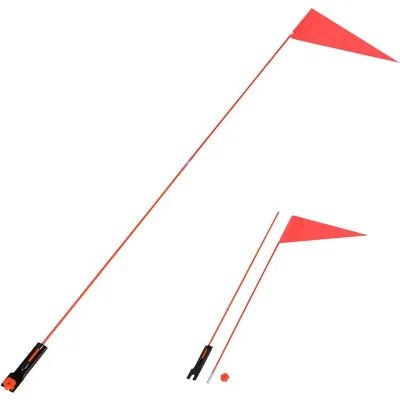

Comprehensive Sourcing Guide
Strategic Sourcing Guide for Customized Logo Bicycle Flags
Understanding Product Variants and Technical Specifications
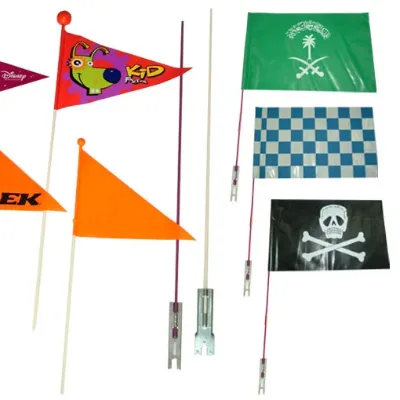
The market for customized logo bicycle flags presents a complex landscape where terminology often overlaps with beach flags, promotional banners, and safety accessories. When sourcing "customized logo bicycle flags," buyers must first distinguish between the specific product configurations observed in current listings. The core product definition typically involves a banner attached to a pole, designed to be mounted on a bicycle axle or frame. However, the technical reality is that specifications vary significantly based on the intended application, whether for safety visibility, team branding, or event decoration.
A critical observation in the current supply base is the divergence in material composition. Some listings specify a construction of Aluminium and Polyester, while others indicate a combination of Fiberglass poles with Vinyl or 100% Polyester fabric. This variation is not merely cosmetic; it dictates the durability and mounting method. For instance, the "Bicycle Safety Flag" category often references a specific 2-piece axle mount design, whereas "Beach Flag" or "Advertising Bike Flag" listings may describe a pole system intended for ground insertion or vehicle mounting. The dimensions also fluctuate, with observed sizes ranging from 15x25cm to 20x30cm, alongside custom options that allow for larger surface areas.
The flagpole material is a primary differentiator. The supply data indicates the availability of both Aluminium and Fiberglass poles. Aluminium poles are generally noted for their rigidity and weight, suitable for direct axle mounting where stability is paramount. Conversely, Fiberglass poles offer flexibility and are often associated with beach flag applications, though they appear in the bicycle flag category as well. The pole length is another variable, with specific listings mentioning 100cm and 150cm options. Buyers must verify the exact pole length against their bicycle's axle diameter and the desired height for visibility. A mismatch in pole length can result in the flag dragging on the ground or failing to clear the rider's head, compromising both safety and branding effectiveness.
Furthermore, the printing method influences the visual output and cost. Digital printing is a common feature, allowing for high-resolution, full-color logos and complex designs. However, some listings reference Silk Screen Printing, which may be more cost-effective for simple, single-color logos but less suitable for detailed gradients. The fabric itself is equally critical; while Polyester is the standard for durability and color retention, Vinyl options are also present, offering different texture and weather resistance profiles. The "Customization" attribute is universally available, meaning the logo design, color, and dimensions can be tailored, but the underlying material constraints must be respected to ensure the final product functions as intended.
Compliance, Certification, and Safety Standards
When procuring safety-critical accessories like bicycle flags, compliance and certification checks are paramount, even if the product is marketed primarily as a promotional item. The supply data reveals a fragmented approach to standards, with some listings citing EN71, a standard typically associated with toy safety, while others reference ISO9001 for quality management systems. It is essential for buyers to understand that the presence of a certification label on a listing does not guarantee that every unit in a production run meets that standard, nor does it imply the product is certified for road safety in all jurisdictions.
The EN71 standard mentioned in the context is a European standard for toy safety, covering mechanical and physical properties, flammability, and chemical migration. If a bicycle flag is classified or marketed as a toy or a child's accessory, compliance with EN71 is a logical requirement. However, for adult cycling safety flags, this standard may not be the primary regulatory benchmark. Buyers should verify whether the specific flag model is intended for use on bicycles used by children, which would necessitate stricter adherence to toy safety regulations. Relying solely on the presence of an EN71 reference without confirming the product's intended user demographic could lead to non-compliance in markets with specific road safety laws.
ISO9001 is a quality management standard, not a product safety standard. Its presence indicates that the supplier has a documented system for maintaining quality control processes, but it does not certify the specific physical attributes of the flag, such as its tensile strength or fire resistance. Some listings mention "Fire-Proof" characteristics, yet no specific fire rating standard (such as UL94 or NFPA) is provided in the core data. This discrepancy requires rigorous verification. Buyers must request specific test reports from the supplier to validate any fire-resistance claims, as the material composition (Polyester vs. Vinyl) significantly impacts flammability.
Additionally, the "Sunscreen" and "Waterproof" characteristics listed in the product attributes are functional claims rather than certifications. While these terms suggest the material is treated to resist UV degradation and water penetration, they do not equate to a standardized test result. Buyers should inquire about the specific UV resistance rating (e.g., UPF rating) and the waterproofing method used (e.g., coating vs. material weave). In regions with harsh weather conditions, a flag that fades quickly or degrades after a single rainstorm will fail to deliver the promised branding value. The "Safety" aspect of the product also implies a need for high visibility, which is often achieved through bright colors like Orange, Blue, Red, Yellow, Purple, Pink, and Green. However, the specific colorfastness of these dyes should be verified to ensure the flag remains visible over time.
Cost Drivers and Pricing Dynamics
The pricing structure for customized bicycle flags is influenced by a complex interplay of material costs, customization complexity, and order volume. The observed price range in the market spans from $0.10 to $53.03, a wide disparity that reflects the difference between basic, unbranded units and high-end, fully customized, bulk orders. The lower end of the spectrum likely corresponds to simple, standard-sized flags with minimal customization, possibly using basic Polyester and Aluminium poles. The higher end may include complex designs, premium materials like Vinyl, specialized pole lengths, or small-batch orders where the setup costs for digital printing are amortized over fewer units.
Material selection is a primary cost driver. Aluminium poles are generally more expensive than Fiberglass alternatives due to the raw material costs and manufacturing processes involved. Similarly, the choice between standard Polyester and high-performance Vinyl can significantly impact the unit price. Vinyl often commands a premium due to its durability and specific aesthetic qualities, but it may also be heavier, affecting shipping costs. The printing method also plays a crucial role; digital printing allows for complex, full-color logos but incurs higher setup and per-unit costs compared to silk screen printing, which is more economical for large runs of simple designs.
Order volume, represented by the Minimum Order Quantity (MOQ), is another critical factor. The observed MOQ range is from 1 to 1000 units. For buyers seeking small quantities, the per-unit cost will be substantially higher due to the fixed costs of setup and tooling. Conversely, ordering near the 1000-unit threshold can drastically reduce the unit price, making it a viable strategy for large corporate events or extensive marketing campaigns. The packaging also influences cost; options range from individual OPP bags to bulk cartons of 100 pieces. Custom packaging, such as branded boxes, will add to the overall cost but may be necessary for specific gifting or retail requirements.
Shipping and logistics are often overlooked cost drivers. The single package size of 25x2x2 cm and a gross weight of 0.250 kg suggest that the product is relatively compact and lightweight. However, when multiplied by thousands of units, the volume and weight can significantly impact freight charges. Buyers should consider the shipping method (air vs. sea) and the destination location, as these factors can add a substantial percentage to the landed cost. The "Place of Origin" is listed as Zhejiang, China, and Hebei, China, indicating multiple manufacturing hubs. Different regions may have varying labor costs and logistics efficiencies, which can subtly influence the final price.
Typical Applications and Use Cases
The versatility of customized bicycle flags allows them to serve a wide array of applications, extending far beyond simple safety warnings. The product attributes explicitly list a broad spectrum of use cases, including training and team building, welcome gifts, back-to-school events, and graduation ceremonies. This diversity highlights the flag's dual nature as both a safety device and a promotional tool. In the context of "Training and Team Building," the flag serves as a visual identifier for groups, helping to distinguish teams during races or organized rides. The ability to customize the logo and color allows organizations to create a cohesive brand identity for their events.
For "Welcome Gifts" and "New Business Giveaways," the flag acts as a memorable promotional item. Unlike traditional brochures or pens, a bicycle flag is functional and likely to be used repeatedly, increasing the longevity of the brand exposure. The "Walk/Run Events" and "Sports and Games" categories further emphasize the flag's role in active environments where visibility is key. In these scenarios, the flag not only promotes the brand but also enhances the safety of the participant by making them more visible to traffic. The "Family Reunions/Party" and "Wedding Favors & Bridal Party Gifts" applications suggest a more personal use, where the flag serves as a keepsake or a fun accessory for guests.
The "Tradeshow Giveaways" and "Other Activities" categories indicate that these flags are also used in static or semi-static environments. While primarily designed for bicycles, the inclusion of bases like "Cross Base," "Square Base," and "Car Base with Water Bag" suggests that the flags can be adapted for stationary display. This adaptability makes them suitable for outdoor marketing campaigns, where they can be anchored to the ground or attached to vehicles to catch the attention of passersby. The "Decoration" usage attribute reinforces this, indicating that the flags are often used to add a splash of color and branding to events.
It is important to note that the specific application dictates the required specifications. For example, a flag intended for a "Walk/Run Event" might require a longer pole and a more durable material to withstand the rigors of movement and potential weather exposure. In contrast, a flag for a "Wedding Favor" might prioritize aesthetic appeal and lightweight construction over extreme durability. Buyers must align the product specifications with the intended use case to ensure the flag performs effectively in its specific environment.
Supplier Evaluation and Quality Control
Evaluating suppliers for customized bicycle flags requires a rigorous approach to quality control and verification of capabilities. The supply data indicates multiple origins, including Zhejiang and Hebei, China, suggesting a competitive market with various manufacturing capabilities. Buyers should not rely solely on the "Brand Name" or "Product Name" listed in the catalog but must investigate the actual manufacturing process. The presence of "Customization: Available" is a standard claim, but the quality of the customization—specifically the print resolution, color accuracy, and adhesion of the logo—varies significantly between suppliers.
Quality control should begin with the material verification. Buyers must request samples to test the durability of the Polyester or Vinyl fabric and the strength of the Aluminium or Fiberglass poles. The "Waterproof" and "Sunscreen" claims should be validated through physical testing, such as exposing the sample to water and UV light to observe any degradation. The "Fire-Proof" characteristic, if claimed, requires specific test documentation to ensure it meets safety expectations. Additionally, the construction of the flag, including the attachment points and the stability of the pole, should be inspected to ensure it can withstand the forces exerted during cycling.
The packaging and logistics process are also indicators of supplier reliability. The listed packaging options, such as "1PC/OPP BAG" or "100PCS/CTN," should be evaluated for their ability to protect the product during transit. Damaged flags upon arrival can indicate poor handling or inadequate packaging design. Buyers should also verify the supplier's ability to meet lead times and handle large orders without compromising quality. The "MOQ" range of 1 to 1000 suggests flexibility, but buyers must confirm that the supplier can scale production to meet their specific volume requirements without delays.
Communication and responsiveness are critical factors in supplier evaluation. A reliable supplier should be able to provide detailed technical specifications, answer questions about material composition, and offer samples for testing. They should also be transparent about any potential limitations or risks associated with the product. Buyers should avoid suppliers who are vague about their certifications or who cannot provide evidence of their quality control processes. The "Low-confidence background" regarding ISO9001 and CE certifications underscores the need for buyers to verify these claims independently rather than accepting them at face value.
Long-Term Procurement Considerations
Sourcing customized bicycle flags is not a one-time transaction but a strategic decision that impacts long-term brand visibility and safety. Buyers must consider the lifecycle of the product, including its durability, maintenance requirements, and potential for reordering. The "Customization" aspect allows for flexibility in future orders, enabling companies to update logos or designs as their branding evolves. However, this flexibility must be balanced with the need for consistency in product quality.
Long-term procurement also involves managing the relationship with the supplier. Building a partnership with a reliable manufacturer can lead to better pricing, priority production, and improved quality control over time. Buyers should establish clear communication channels and set expectations for quality standards and delivery timelines. Regular audits or sample checks can help maintain these standards and ensure that the supplier continues to meet the buyer's requirements.
The environmental impact of the product is another consideration. The use of Polyester and Vinyl raises questions about sustainability and recyclability. Buyers may want to explore options for more eco-friendly materials or request information on the supplier's environmental policies. Additionally, the packaging materials, such as OPP bags and cartons, should be evaluated for their environmental footprint.
Finally, buyers should plan for the scalability of their procurement strategy. As the demand for customized flags grows, the ability to source larger quantities efficiently becomes crucial. The observed MOQ range and price variability suggest that buyers can optimize their costs by adjusting order volumes. However, they must also be prepared for potential supply chain disruptions and have contingency plans in place to ensure a steady supply of high-quality flags for their events and marketing campaigns. By taking a holistic approach to procurement, buyers can maximize the value of their investment in customized bicycle flags.
FAQs
What materials are used for the flag and pole?
The flag is made of Polyester or Vinyl, while the pole is constructed from Aluminium or Fiberglass. Buyers should verify the specific material combination as listings vary between these options to ensure durability and weight suitability for their bicycle.
Can the flag dimensions be customized for my brand?
Yes, customization is available for size, with standard options like 15x25cm or 20x30cm and fully custom dimensions. This allows buyers to tailor the surface area for maximum visibility while adhering to the specific mounting requirements of their bicycle axle.
Which printing methods are supported for custom logos?
Digital Printing and Silk Screen Printing are the supported methods for applying custom logos. Digital printing is ideal for complex, full-color designs, whereas silk screen printing may be more cost-effective for simpler, single-color branding on the polyester or vinyl fabric.
What is the minimum order quantity for these flags?
The minimum order quantity ranges from 1 to 1000 units depending on the supplier and customization level. Small orders starting at one piece are available, but bulk orders near the 1000-unit threshold typically offer better per-unit pricing and shipping efficiency.
Are these flags waterproof and suitable for outdoor use?
Yes, the flags are characterized as waterproof and suitable for outdoor applications like sports events and team building. This ensures the printed logos remain visible and the materials do not degrade quickly when exposed to rain or sun during training or promotional activities.
Which certifications are relevant for safety compliance?
Some listings reference EN71 for toy safety and ISO9001 for quality management systems, though specific road safety certifications are not universally guaranteed. Buyers must verify if the EN71 standard applies to their intended user demographic, such as children, before purchasing.