Source Customized Logo Cardboard Sleeve for Wine, Cosmetics, Electronics
Compare 30 listings for Customized Logo Cardboard Sleeve options tailored for wine, cosmetics, and electronics packaging. Buyers can evaluate customization features, material types, and shipping methods from verified suppliers in China.
Key considerations
Products List


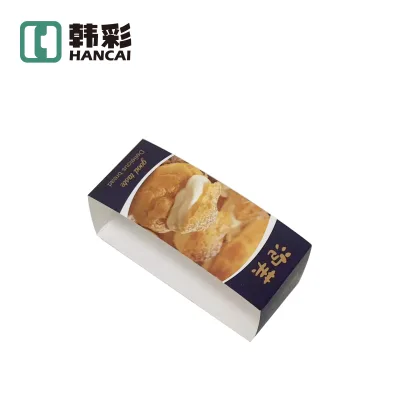


Rectangle Printed Box Sleeves Paper Package Cardboard Custom Sleeve Pack
$0.12 - $0.68
MOQ: 1000 Pieces




Comprehensive Sourcing Guide
Strategic Sourcing Guide for Customized Logo Cardboard Sleeves
Understanding Product Definitions and Core Specifications
When sourcing customized logo cardboard sleeves, buyers must first distinguish between the specific product attributes observed in the market and general category assumptions. The core keyword often encompasses a range of packaging solutions, but the specific data points provided indicate a product that functions primarily as a protective and decorative outer layer for various items. The observed product profile identifies the primary material as paper, specifically coated paper, which is selected for its ability to hold high-quality prints and provide a premium feel. The standard classification for this item often includes "Folders" or "Cardboard Sleeves" designed to encase products ranging from electronic devices to cosmetic bottles and food items.
A critical technical specification to verify is the dimensional consistency. While the general category allows for "Custom Size," specific listings indicate a standard model dimension of 255.5 cm with a thickness of 0.2 mm. However, the "Custom Size" standard is a dominant feature, meaning the 255.5 cm figure should be treated as a reference point rather than a universal constraint. Buyers should expect the manufacturer to accommodate "Customized Different Shape" requirements, allowing for unique geometries that fit irregular product forms. The single package size for bulk shipping is often recorded around 45X30X30 cm, with a single gross weight of 0.500 kg, which are vital metrics for calculating freight costs and warehouse storage requirements.
The surface finish and printing capabilities are equally critical for brand differentiation. The product supports a wide array of printing handling techniques, including UV Coating, Matt Lamination, Stamping, and Embossing. These processes allow for "High-End" visual results. The color options typically range from standard White to full Cmyk or Pantone matching, or even a "No Printing" option for minimalist branding. The artwork formats accepted by suppliers are generally restricted to Pdf, Ai, or CAD files, ensuring that the digital design translates accurately to the physical print. Understanding these specifications is the first step in ensuring the final product meets the intended aesthetic and functional goals.
Technical Compliance and Certification Verification
In the realm of packaging, particularly for industries like Food, Health Care, and Cosmetics, technical compliance is not merely a suggestion but a regulatory necessity. While the provided data mentions "Recyclable" as a key feature, buyers must independently verify the specific environmental certifications of the paper source. The background information notes FSC (Forest Stewardship Council) as a potential certification, but this should not be assumed as a standard for every listed product. Instead, procurement teams must explicitly request proof of FSC certification or equivalent standards from the supplier to ensure the supply chain meets sustainability goals.
For products intended for food contact or personal care, the material composition must be verified against local safety standards. The listed material is "Paper," but the specific grade and the adhesives used in the lamination or coating processes must be food-safe or non-toxic. Buyers should not rely on general claims of "High-End" quality to imply safety compliance. Instead, they must request Material Safety Data Sheets (MSDS) or specific compliance certificates relevant to the destination market. The "Customized" nature of the product means that every design change could potentially alter the material interaction, making batch-specific compliance testing essential.
Furthermore, the "Recyclable" attribute requires clear communication with the end consumer. If the sleeve includes UV coatings or metallic stamping (Gold/Silver), these elements can sometimes complicate the recycling process. Buyers should inquire whether the specific combination of materials (e.g., coated paper with UV coating) is accepted in the recycling streams of their target markets. This verification prevents greenwashing claims and ensures that the packaging aligns with corporate social responsibility (CSR) initiatives. Without explicit documentation, the "Recyclable" claim remains an observation rather than a verified fact.
Cost Drivers and Pricing Structure Analysis
The pricing of customized logo cardboard sleeves is influenced by a complex interplay of variables, primarily driven by customization levels and order volume. The observed price range in the market spans from 0.01 to 12 USD, a significant variance that reflects the difference between basic stock items and highly specialized, multi-process custom orders. The "Custom Order: Accept" attribute indicates that the base price is rarely fixed; it fluctuates based on the complexity of the design, the number of printing colors, and the specific surface finishes applied.
Volume is the second major cost driver. The observed Minimum Order Quantity (MOQ) ranges from 200 to 30,000 units. A buyer ordering at the lower end of this spectrum (e.g., 200 units) will likely face a higher unit cost due to the setup costs for printing plates and machine calibration. Conversely, orders approaching the upper limit (30,000 units) benefit from economies of scale, potentially bringing the unit price closer to the lower end of the observed range. However, buyers must be cautious; the low-end price of 0.01 USD may only apply to bulk orders with minimal customization, such as single-color printing on standard white paper.
Additional cost factors include the choice of surface finish. Processes like Embossing, Stamping, and UV Coating require additional machinery time and specialized materials, which increase the unit cost. The "Custom Size" and "Customized Different Shape" options also add to the cost, as they often require custom die-cutting tools. Buyers should request a detailed breakdown of costs that separates the base material cost from the printing and finishing charges. This transparency allows for better budget management and helps identify areas where cost-saving measures, such as simplifying the design or reducing the number of colors, can be implemented without compromising the brand image.
Typical Applications and Industry Use Cases
The versatility of customized logo cardboard sleeves makes them suitable for a broad spectrum of industries. The observed usage data explicitly lists Wine & Drinks, Cosmetic, Health Care Products, Electronic Products, Food, and Garment & Shoes. This wide applicability stems from the product's ability to provide both protection and a premium unboxing experience.
In the Food and Beverage sector, sleeves are often used to protect bottles or cans from condensation and to provide a canvas for nutritional information and branding. The "Recyclable" nature of the paper material is particularly advantageous here, aligning with consumer preferences for sustainable packaging. For the Cosmetic and Personal Care industry, the "High-End" feature is crucial. The ability to apply Matt Lamination, Stamping, and Embossing allows brands to create a tactile experience that elevates the perceived value of the product. The "Customized Different Shape" attribute enables sleeves to fit unique bottle contours that standard boxes cannot accommodate.
The Electronic Products sector utilizes these sleeves for packaging items like USB drives, memory cards, or small gadgets. The "Single package size" and "Cartons Packaging" specifications suggest efficient logistics for these small, high-value items. The "Identification, Payment, Encrypt/Decrypt" functions mentioned in the context of PVC cards highlight a related but distinct product category; however, for cardboard sleeves, the application is primarily protective and branding-focused. In the Garment & Shoes industry, sleeves serve as a protective layer for delicate items or as a stylish hang-tag alternative. The "Industrial Use: Gift & Craft" classification further underscores their role in enhancing the presentation of promotional items and luxury gifts.
Supplier Evaluation and Operational Capabilities
Selecting the right supplier requires a rigorous evaluation of their operational capabilities, particularly regarding customization and logistics. The "Custom Order: Accept" and "Customization: Available" attributes indicate that the supplier is capable of handling bespoke requests. However, buyers must verify the supplier's capacity to manage the "Sample Time" of 3-5 days. A quick turnaround on samples is essential for validating design proofs before committing to a large production run.
Logistics and shipping capabilities are equally important. The observed shipping methods include Express, Air, and Ocean transport. The "Lead Time" for production is listed as 7-12 Work Days, which is a critical metric for supply chain planning. Buyers must confirm if this lead time is inclusive of sample approval or if it starts only after the final artwork is approved. The "Place of Origin" is identified as Guangdong, China, with specific mentions of Shenzhen. This region is a known manufacturing hub, but buyers should verify the specific factory location to assess the logistics chain and potential shipping delays.
The "Artwork Format" requirement of Pdf, Ai, or CAD files suggests a need for technical proficiency on the buyer's part. Suppliers should provide clear guidelines on file preparation to avoid production errors. Additionally, the "Single package size" of 45X30X30 cm and the "Cartons Packaging" method must be evaluated for compatibility with the buyer's distribution network. If the buyer requires palletized shipping or specific labeling, the supplier must demonstrate the ability to accommodate these requirements. A supplier that offers "Customized Logo" and "Your Logo or Design Print" services must also have a robust quality control process to ensure that the printed logo is accurate, aligned, and free from defects.
Quality Control and Long-Term Procurement Strategy
Implementing a robust quality control (QC) strategy is essential for maintaining brand integrity when sourcing customized packaging. Given the "Customized" nature of the product, QC must focus on both the structural integrity of the sleeve and the fidelity of the print. Buyers should establish clear acceptance criteria for color accuracy, specifically regarding Cmyk or Pantone matching. The "UV Coating, Matt Lamination, Stamping, Embossing" processes introduce variables that can lead to defects such as peeling, misalignment, or uneven texture. A pre-production sample approval process is non-negotiable to mitigate these risks.
For long-term procurement, consistency is key. The "Custom Size" and "Customized Different Shape" options mean that every production run might involve different tooling. Buyers should work with suppliers to standardize these elements where possible to reduce setup costs and ensure consistency. The "Recyclable" feature should be monitored over time to ensure that the supplier maintains the same material standards and does not switch to cheaper, non-recyclable alternatives without notification.
Furthermore, the "Lead Time" of 7-12 Work Days should be integrated into the buyer's inventory planning. In times of high demand, lead times may extend, so maintaining a buffer stock or establishing a relationship with the supplier for priority production can prevent stockouts. The "MOQ" range of 200-30,000 units allows for flexibility, but buyers should negotiate terms that allow for smaller, more frequent orders if their sales volume fluctuates. Finally, maintaining open communication regarding "Artwork Format" and "Surface Finish" changes ensures that the supplier can adapt to market trends without compromising the quality of the product. By focusing on these operational and quality aspects, buyers can build a sustainable and reliable supply chain for their customized logo cardboard sleeves.
FAQs
Can I get a customized logo on the cardboard sleeve?
Yes, you can get a customized logo printed on the sleeve. The product accepts custom designs and offers printing options like UV coating, matte lamination, and stamping to ensure high-end branding results.
What is the typical lead time for production?
The typical lead time for production is 7 to 12 work days. This duration applies after the final artwork is approved and depends on the order volume and specific customization requirements requested.
Which materials are used to make these sleeves?
The sleeves are primarily made from coated paper. This material is selected for its recyclable properties and ability to hold high-quality prints suitable for food, electronics, and cosmetic packaging applications.
How much is the minimum order quantity required?
The minimum order quantity ranges from 200 to 30,000 units depending on the supplier. Lower quantities may incur higher unit costs, while bulk orders benefit from economies of scale in production.
What shipping methods are available for delivery?
Shipping is available via express, air, and ocean freight. Buyers can choose the method that best fits their urgency and budget, with sample times typically taking 3 to 5 days before bulk production.
Can the size and shape be customized?
Yes, the size and shape can be customized to fit specific product needs. While standard dimensions exist, the product supports custom sizes and different shapes to accommodate unique packaging requirements.
What surface finishes are available for printing?
Available surface finishes include glossy, matte, UV coating, and gold or silver stamping. These options allow for high-end visual results and can be combined with embossing for a premium tactile experience.