Source Customized Logo Tape Measure for gifts, sales, and promotional items
Compare 30 listings of Customized Logo Tape Measure options from verified suppliers. Buyers can evaluate specifications, pricing, and customization support for measuring tools used in gifts, sales, and promotional activities.
Key considerations
Products List


Various Colors 1.5m Mini Custom Your Logo Plastic ABS Retractable Tape Measure
$0.30 - $1.00
MOQ: 5000 Pieces


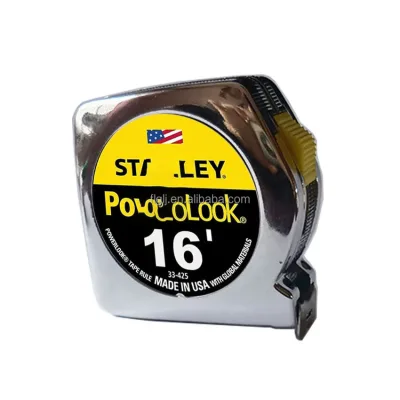
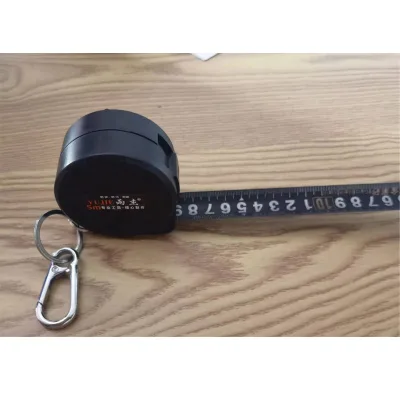
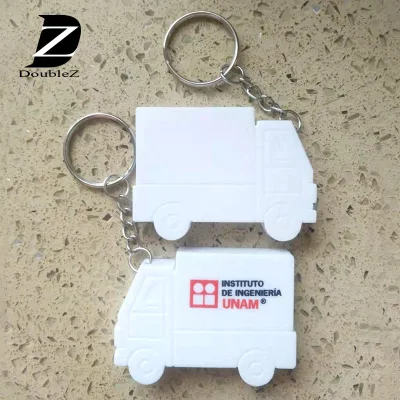
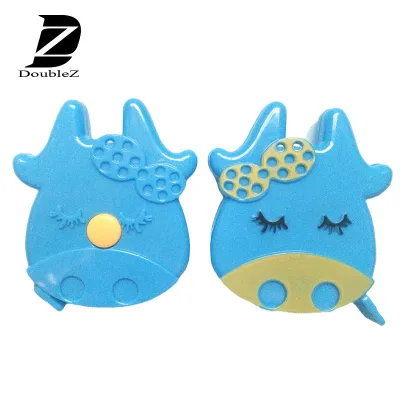

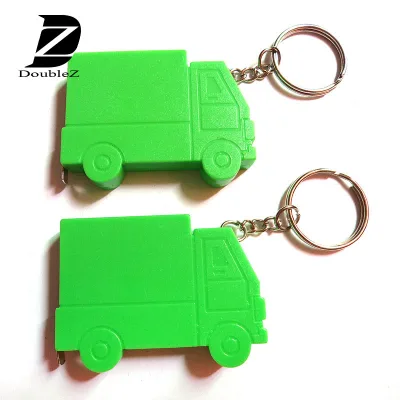


Heavy Duty Tape Measures Retractable Measuring Tape Custom Tape Measure
$13.50 - $14.00
MOQ: 500 Pieces


Retractable High Precision Measuring Tool Measure Tape High Quality Measuring
$12.50 - $13.00
MOQ: 500 Pieces


Comprehensive Sourcing Guide
Strategic Sourcing Guide for Customized Logo Tape Measures
The global market for precision measuring instruments and promotional tools has seen a steady evolution, with customized logo tape measures emerging as a high-demand item for corporate branding and industrial utility. For procurement professionals, navigating the landscape of these products requires a disciplined approach that distinguishes between general promotional tools and high-precision industrial instruments. The available data indicates a diverse product ecosystem ranging from standard measuring tapes to specialized micrometers and square boxes, all potentially available with customization options. This guide outlines the critical factors buyers must evaluate to ensure successful sourcing, focusing on technical specifications, compliance, cost structures, and supplier reliability without relying on unverified market claims.
Technical Specifications and Product Diversity
When sourcing customized logo tape measures, the first step is to define the precise technical requirements of the end-use application. The market presents a wide array of product types, including standard measuring tapes, micrometers, and square boxes, each serving distinct functions. A buyer must verify the specific model number and physical dimensions to ensure compatibility with their intended use. For instance, product data reveals specific model identifiers such as TM80009, TM80011, TM80004, TM80012, and TM80002, alongside generic model names like "Measuring Tape" or "tape." These identifiers often correlate with specific standard dimensions, such as 515116mm, 5511mm, 525213mm, or 6.43.6*1.1cm.
Precision is a critical differentiator in this category. The observed data highlights varying levels of accuracy and resolution across different product lines. Some items are specified with a resolution of 0.01mm, while others offer 0.02mm or even 0.001mm precision. The measurement range also varies significantly, with observed specifications covering ranges from 0~150mm up to 0~500mm. Buyers must confirm whether the product utilizes a manual measurement method or if it falls under the category of a "Precision Measuring Device." Furthermore, the physical construction matters; materials observed in the supply chain include plastic, stainless steel, and iron. The choice of material directly impacts durability, weight, and resistance to environmental factors, which should be aligned with the operational environment of the end-user.
Compliance, Certification, and Standards Verification
In the B2B sector, compliance is not merely a formality but a prerequisite for market access and liability protection. When sourcing customized products, buyers must rigorously verify the certification status of the supplier and the specific products. The available data indicates that suppliers may offer products certified under various standards, including RoHS, GB, JIS, ISO, CE, and DIN. It is essential to note that these certifications are not universal to all listed items; a specific product model might carry RoHS certification while another carries GB and JIS standards.
Buyers should request current certification documents for the specific batch or model they intend to purchase. The presence of a "RoHS" certification suggests compliance with restrictions on hazardous substances, which is often mandatory for electronics and consumer goods in many regions. Similarly, certifications like ISO and CE indicate adherence to international quality management and safety standards, respectively. The data also references specific product standards, such as "515116mm" or "Measure," which serve as internal or industry-specific benchmarks. Procurement teams must ensure that the claimed standards match the regulatory requirements of the destination market. Relying on a supplier's general claim of compliance without verifying the specific certificate for the ordered SKU can lead to significant legal and operational risks.
Cost Drivers and Pricing Dynamics
Understanding the cost structure of customized logo tape measures is vital for budgeting and negotiation. The observed price range in the market spans from 0.01 to 25.35 USD, a wide spectrum that reflects the diversity in product quality, material, and customization complexity. Several factors drive these costs. First, the material composition plays a significant role; stainless steel components typically command a higher price point than plastic or iron equivalents due to superior durability and corrosion resistance. Second, the precision level is a major cost driver. A device with a resolution of 0.001mm involves tighter manufacturing tolerances and more advanced tooling than a standard tape with 0.02mm resolution, directly influencing the unit price.
Customization is another primary cost variable. The data confirms that customization is available, including options for customized logo printing and specific packing requirements. The complexity of the logo application, the type of ink or engraving used, and the packaging design (e.g., OPP bag vs. custom retail packaging) all add to the final cost. Additionally, the Minimum Order Quantity (MOQ) affects the per-unit price. Observed MOQs range from 1 to 5000 pieces, with specific instances showing thresholds of 1000 PCS or 600 pcs. Higher volumes generally yield lower unit costs, but the buyer must balance this against inventory holding costs. Lead times, observed between 15-25 days, also impact the overall cost of goods sold, particularly if expedited shipping is required to meet project deadlines.
Typical Applications and Usage Scenarios
The versatility of customized logo tape measures allows them to serve a broad range of applications, from industrial quality control to corporate gifting. The data explicitly mentions usage categories such as "Measuring" and suitability for "Gift, sales, promotional" purposes. In an industrial context, high-precision devices like micrometers with resolutions of 0.001mm are essential for quality assurance in manufacturing, where even minute deviations can affect product integrity. These are often branded with company logos to reinforce brand identity among technicians and engineers.
Conversely, standard measuring tapes with ranges up to 500mm and resolutions of 0.02mm are ideal for construction, DIY projects, and general trade use. These items are frequently used as promotional giveaways. The availability of "Free" samples and "Customized Logo Printing" supports their use in marketing campaigns. The product's suitability for gifts and sales promotions suggests that aesthetic appeal and brand visibility are as important as functional accuracy in these scenarios. Buyers should consider the end-user's environment; a tape measure intended for a construction site requires robust materials like stainless steel or reinforced plastic, whereas a promotional item for a corporate event might prioritize lightweight design and vibrant branding.
Supplier Evaluation and Operational Capabilities
Selecting the right supplier is a critical decision that impacts product quality, delivery reliability, and long-term partnership success. When evaluating potential suppliers, buyers should look for evidence of established manufacturing capabilities and a track record of meeting specific requirements. The data indicates that suppliers offer various customization supports, including OBM, ODM, and OEM services. This flexibility allows buyers to tailor products to their specific branding and functional needs.
Key operational metrics to verify include the loading port, delivery time, and warranty terms. The observed data lists "Guangzhou" as a loading port and a delivery time of 15-25 days. Buyers must confirm if these lead times are consistent with current production schedules and if the supplier can guarantee these timelines for large orders. Additionally, warranty terms, such as the observed "1month" warranty, should be scrutinized. A short warranty period might indicate a focus on low-cost, high-volume sales rather than long-term product reliability. Buyers should also inquire about the sample policy; the availability of free samples is a positive indicator of supplier confidence in their product quality.
Quality Control and Inspection Protocols
Implementing a robust quality control (QC) strategy is essential to mitigate the risks associated with sourcing customized products. Given the variation in precision levels and materials, a one-size-fits-all inspection approach is insufficient. Buyers should establish clear acceptance criteria based on the product's technical specifications, such as the specific resolution (0.01mm vs. 0.001mm) and measurement range. For high-precision instruments, calibration certificates and test results are non-negotiable.
The inspection process should cover multiple dimensions: visual inspection for logo quality and packaging integrity, dimensional verification to ensure the product matches the stated standard (e.g., 556317mm), and functional testing to confirm accuracy. Since the data notes that the measurement method is "Manual," buyers should verify the consistency of manual operations in the supplier's facility. For products with certifications like RoHS or ISO, third-party audit reports or factory inspection certificates can provide additional assurance. It is advisable to conduct pre-shipment inspections, especially for large orders, to ensure that the final goods meet the agreed-upon specifications before they leave the loading port.
Long-Term Procurement Considerations
Sourcing customized logo tape measures is not a transactional event but a strategic initiative that requires long-term planning. Buyers should consider the scalability of the supplier's operations and their ability to maintain consistent quality over time. The availability of customized logo printing and various packing options suggests that suppliers are equipped to handle evolving branding needs. However, buyers must also plan for supply chain resilience. Factors such as the origin of the product (observed as "China" or "China Guangzhou") and the specific lead times should be factored into inventory management strategies to avoid stockouts.
Furthermore, the relationship with the supplier should be built on clear communication and mutual understanding of quality standards. Regular reviews of performance metrics, including on-time delivery rates and defect rates, can help identify areas for improvement. As the market evolves, buyers should stay informed about changes in international standards and certifications that may affect their products. By maintaining a proactive approach to supplier management and quality assurance, organizations can ensure a steady supply of high-quality, customized measuring tools that meet their operational and branding objectives.
FAQs
What customization options are available for logo tape measures?
Customization is available including customized logo printing and specific packing requirements. Buyers can request OBM, ODM, or OEM support to tailor the product to their branding needs.
Which certifications do these measuring instruments typically hold?
Products may hold certifications such as RoHS, GB, JIS, ISO, CE, or DIN depending on the specific model. Buyers must verify the exact certificate for the ordered SKU to ensure regulatory compliance.
How does the material affect the product durability and price?
Materials observed include plastic, stainless steel, and iron, which directly impact durability and cost. Stainless steel components typically command higher prices due to superior corrosion resistance compared to plastic or iron.
What is the typical lead time for delivery of these items?
The observed delivery time ranges from 15 to 25 days from the loading port. Buyers should confirm if these timelines are consistent with current production schedules for their specific order volume.
Can buyers request free samples before placing a bulk order?
Free samples are available for qualified buyers to verify product quality before committing to a bulk order. This policy allows procurement teams to assess precision and customization options without immediate financial risk.
What are the standard measurement ranges and resolutions offered?
Ranges vary from 0 to 150mm up to 0 to 500mm with resolutions of 0.01mm, 0.02mm, or 0.001mm. The specific resolution depends on whether the item is a standard tape or a precision micrometer device.