Source Customized Logo Sunglasses Display Stand for Retail Shops, Exhibitions, and Showrooms
Explore 30 options for a Customized Logo Sunglasses Display Stand designed for retail shops, exhibitions, and showrooms. Buyers can compare materials like acrylic and metal, sizes, and customization features to find the ideal display solution.
Key considerations
Products List
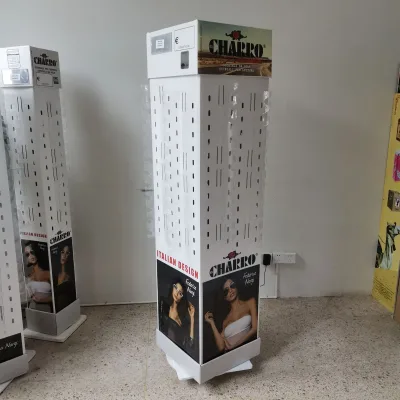
Custom Logo Turntable Sunglasses Display Stand Eyeglass Display Stand Retail
$81.54 - $101.93
MOQ: 1 pieces
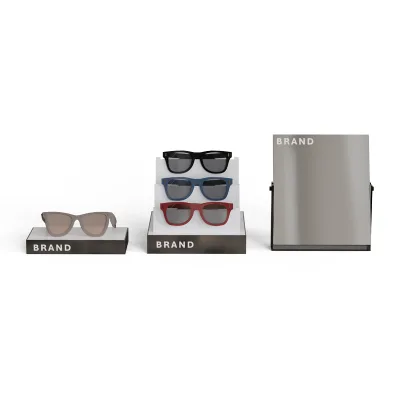
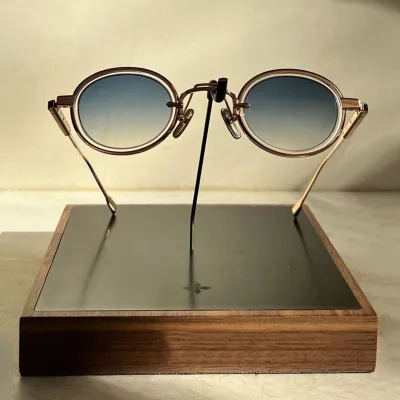


Optical Shop Metal Eyeglass Custom Logo Fashionable Promotion Sunglasses Display
$18.00 - $100.00
MOQ: 2 pieces

Custom Logo Sunglass Display Shelf Delicate Square Eyewear Showcase Stand
$18.00 - $100.00
MOQ: 2 pieces


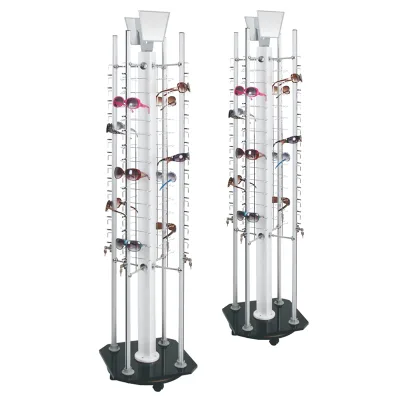


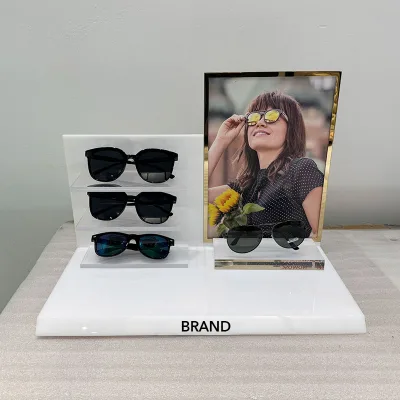
Customization Acrylic Optical Eyeglasses Sunglasses Display Stand for Showroom
$160.00 - $230.00
MOQ: 20 Pieces


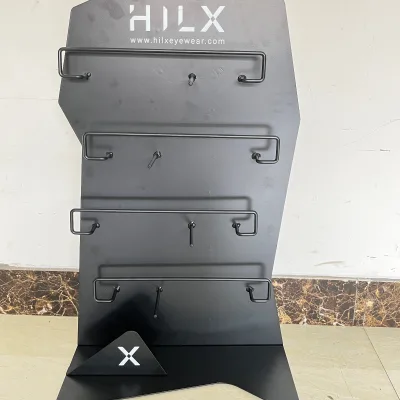
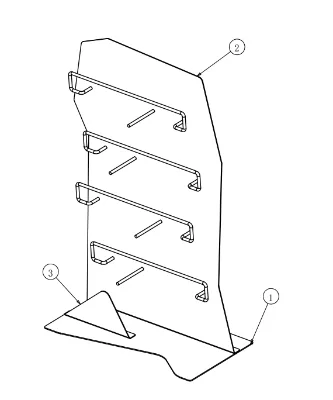
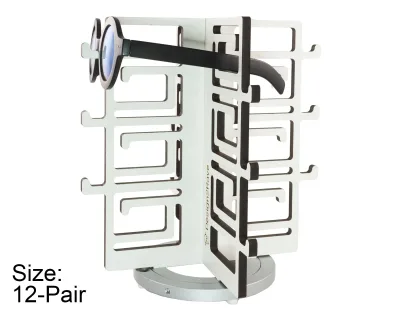
Comprehensive Sourcing Guide
Strategic Sourcing Guide for Customized Logo Sunglasses Display Stands
Understanding Product Specifications and Material Composition
When sourcing a Customized Logo Sunglasses Display Stand, the primary objective is to align the physical attributes of the unit with the brand's aesthetic and functional requirements. Based on available market data, these units are predominantly constructed from a combination of acrylic, metal, and occasionally glass or wood. The material selection is not merely a stylistic choice but a critical determinant of durability and visual appeal. Acrylic is frequently cited as a primary material due to its transparency and ability to mimic glass while offering superior impact resistance. Metal components often provide the necessary structural integrity for taller units or those designed to hold heavier inventory. Some advanced configurations integrate LED lighting directly into the frame, enhancing product visibility in retail environments.
The physical dimensions of these stands are rarely standardized. The observed specifications indicate that "Customized Size" is the prevailing standard, allowing buyers to tailor the footprint to specific retail floor plans or shelf configurations. This flexibility extends to the color palette, where "Any Customized Color Available" is a common offering. Buyers should verify that the manufacturer can match specific Pantone codes or brand colors to ensure consistency with their store's interior design. Furthermore, the model numbers observed in the market, such as Caamatech-001 or LS1739, suggest that while there are baseline designs, the final product is often a bespoke iteration. The "Single package size" varies significantly, necessitating careful logistics planning, especially when shipping large or irregularly shaped units.
Compliance, Certification, and Quality Assurance
In the B2B procurement of retail fixtures, verifying compliance and certification is essential for mitigating risk. While the specific regulatory landscape varies by destination market, certain certifications serve as indicators of a supplier's operational maturity. One notable certification observed in the product data is ISO9001. This standard relates to quality management systems and suggests that the manufacturer has established processes for consistent quality control. However, buyers must treat this as an observation of the supplier's capabilities rather than a guarantee that every single unit produced meets a specific performance threshold without independent verification.
Beyond general quality management, buyers should investigate material safety certifications, particularly for acrylic and metal components that will be exposed to the public. In regions with strict fire safety codes, verifying the fire rating of the acrylic and the structural stability of the metal frame is mandatory. The "Custom" standard noted in the product data implies that many units are built to order, which can complicate compliance if the supplier does not adhere to international standards for retail fixtures. It is prudent to request specific test reports regarding load-bearing capacity, especially for stands intended to hold multiple pairs of sunglasses. The "Durable" and "Easy Assembly" features listed in product descriptions should be validated through physical prototypes rather than accepted as marketing claims.
Cost Drivers and Pricing Structures
The pricing landscape for customized sunglasses display stands is highly variable, reflecting the complexity of the customization and the materials used. The observed price range spans from approximately $1.30 to $1,600 USD. This wide disparity is driven by several factors. At the lower end, the cost likely reflects simple acrylic units with minimal customization or small-scale production runs. Conversely, the upper end of the spectrum likely encompasses complex, multi-tiered metal and acrylic structures with integrated LED lighting, custom branding, and specialized finishes.
Material costs are a primary driver. The inclusion of metal, glass, and LED components significantly increases the base cost compared to single-material acrylic units. Additionally, the "Customized Logo" requirement introduces a secondary cost layer. While many suppliers offer "Customized Logo Acceptable" services, the method of application—whether laser engraving, screen printing, or 3D molding—will impact the final price. The Minimum Order Quantity (MOQ) also plays a crucial role in unit economics. The data indicates an MOQ range of 1 to 100 pieces. Suppliers offering an MOQ of 1 piece may charge a premium for the setup and tooling costs associated with small batches. Buyers should analyze the total cost of ownership, including shipping, which can be substantial given the "Express, air, boat" options available. Air freight is faster but more expensive, while sea freight is cost-effective for larger orders but extends the lead time.
Typical Applications and Functional Versatility
The versatility of customized sunglasses display stands allows them to serve a wide array of commercial environments. The primary application is in retail shops, where the unit functions as a "Store Display and Storage" solution. These stands are designed to maximize visibility and accessibility for customers while organizing inventory efficiently. The "Indoor" placement specification is consistent across most product data, indicating that these units are not typically designed for harsh outdoor conditions without additional protective treatments.
Beyond standard retail, the data suggests these units are suitable for "Exhibition Show," "Speciality Stores," and "Supermarkets." In exhibition settings, the "Customized Logo" feature becomes a critical marketing tool, allowing brands to create immersive brand experiences. The "Home" usage category indicates that some designs are compact enough for residential use, perhaps for collectors or enthusiasts. The "Optical Shop Metal Eyeglass" designation highlights a specific niche where the stand must accommodate not just sunglasses but also prescription frames, requiring adjustable shelving or specific mounting mechanisms. The "Application" field lists "Shops/Hospital/Companies/Hotels/Restaurants," suggesting a broad adaptability, though the primary focus remains on retail and hospitality environments where visual merchandising is paramount.
Supplier Evaluation and Customization Capabilities
Selecting the right supplier requires a deep dive into their customization capabilities and production flexibility. The presence of "Caamatech" and "CMT" as brand identifiers in the data suggests a market populated by specialized manufacturers, though buyers should not rely on these names as exclusive recommendations. Instead, the focus should be on the supplier's ability to handle "Customized Color," "Customized Logo," and "Customized Size" requests. A robust supplier will offer a prototyping phase, with some data points indicating a "Prototyping" timeline of up to one year, though this may vary based on the complexity of the design.
The "Sample: Avilable" attribute is a critical checkpoint for buyers. Before committing to a large order, requesting a physical sample is essential to verify the quality of the acrylic, the finish of the metal, and the precision of the logo application. The "Small Orders: Accepted" feature is particularly valuable for startups or businesses testing new designs, as it lowers the barrier to entry. However, buyers must balance this flexibility with the potential for higher per-unit costs. When evaluating suppliers, inquire about their assembly process. The "Easy Assembly" claim should be tested to ensure that the components fit together without requiring specialized tools or excessive labor, which can drive up installation costs.
Quality Control and Long-Term Procurement Considerations
Establishing a rigorous quality control (QC) protocol is vital for maintaining brand reputation. Given the "Customized" nature of these products, the risk of deviation from the design specification is higher than with off-the-shelf items. Buyers should implement a multi-stage QC process: pre-production verification of the prototype, in-process checks during manufacturing, and final inspection before shipment. The "ISO9001" certification mentioned in the data provides a framework for these processes, but it should not be the sole basis for trust.
Long-term procurement considerations include the durability of the materials and the availability of replacement parts. The "Durable" feature is a key selling point, but buyers must define what durability means in their specific context. Will the stand withstand daily handling in a high-traffic retail environment? Does the acrylic resist yellowing over time? The "Package" options, including "Carton, Wood Box, Plate," indicate that suppliers offer various levels of protection for shipping. Selecting the appropriate packaging is crucial to prevent damage during transit, which can be a significant source of loss for fragile materials like acrylic and glass.
Furthermore, the "Lead Time" and "Shipping" logistics must be factored into the procurement strategy. With options ranging from express to boat shipping, the timeline can vary from days to weeks. Buyers should plan for potential delays, especially when dealing with custom orders that require tooling or special material sourcing. The "Single package size" of "XX cm" highlights the need for precise logistics planning to optimize container space and reduce shipping costs. Ultimately, a successful procurement strategy for customized sunglasses display stands relies on clear communication, rigorous testing, and a partnership with a supplier who understands the nuances of retail merchandising and brand identity.
Comparative Analysis of Material and Feature Options
To assist buyers in making informed decisions, the following table summarizes the key material and feature variations observed in the market. This comparison highlights the trade-offs between cost, durability, and aesthetic flexibility.
| Feature Category | Option A: Acrylic Focus | Option B: Metal & Acrylic Hybrid | Option C: Premium Integrated |
|---|---|---|---|
| Primary Materials | Acrylic, Plastic | Metal, Acrylic | Metal, Acrylic, LED Light |
| Durability | Moderate; prone to scratching | High; structural strength | High; reinforced structure |
| Visual Appeal | Transparent, modern look | Industrial or sleek finish | High-end, illuminated display |
| Customization | Color, Logo, Size | Color, Logo, Size, Structure | Color, Logo, Size, Lighting |
| Typical Use | Small retail, pop-ups | Standard retail shops | Luxury boutiques, exhibitions |
| Cost Driver | Low material cost | Medium; metal fabrication | High; electronics integration |
| Assembly | Simple | Moderate complexity | Complex; electrical integration |
This table illustrates that while acrylic-only units offer a cost-effective solution for basic display needs, hybrid and premium options provide superior durability and visual impact at a higher price point. The choice depends heavily on the specific retail environment and the brand's positioning. Buyers should weigh the "Luxury" feature against the budget constraints, ensuring that the selected option aligns with the intended "Display Place" and "Usage" requirements. By carefully evaluating these variables, procurement teams can secure display stands that not only meet functional needs but also enhance the overall customer experience.
FAQs
What materials are used for customized logo sunglasses display stands?
These stands are primarily constructed from acrylic, metal, and sometimes glass or wood. Some advanced models integrate LED lighting to enhance product visibility in retail environments while maintaining structural integrity.
Can I order a single unit with a customized logo?
Yes, suppliers accept small orders with a minimum quantity of one piece. Customized logos are acceptable, though buyers should verify specific application methods like laser engraving or screen printing before production.
Which certifications should I look for in a supplier?
Look for ISO9001 certification which indicates a quality management system. This suggests the manufacturer has established processes for consistent quality control, though independent verification of specific unit performance is still recommended.
How does the price vary for these display units?
Prices range from approximately 1.30 to 1600 USD depending on complexity and materials. Simple acrylic units cost less, while metal and acrylic hybrids with LED lighting command higher prices due to fabrication and electronics.
Where are these products typically manufactured?
Most units originate from Jiangsu, China, where specialized manufacturers operate. This location is a hub for acrylic and metal fabrication, offering a wide range of customization options for international buyers.
What customization options are available for size and color?
Buyers can request customized sizes and any customized color to match brand aesthetics. The standard offering allows for bespoke dimensions to fit specific retail floor plans or shelf configurations.
How are these stands packaged for shipping?
Packaging options include cartons, wood boxes, and plates to ensure safe transit. Selecting the appropriate packaging is crucial to prevent damage to fragile materials like acrylic and glass during long-distance shipping.