Source Customized Logo Waist Trainer for Gym, Sports, and Posture
Find 30 options for a Customized Logo Waist Trainer designed for fitness, sports, and daily support. Compare features like polyester materials, adjustable sizes, and professional protection to select the right supplier for your brand needs; compare the available evidence and request quotations based on your requirements.
Key considerations
Products List


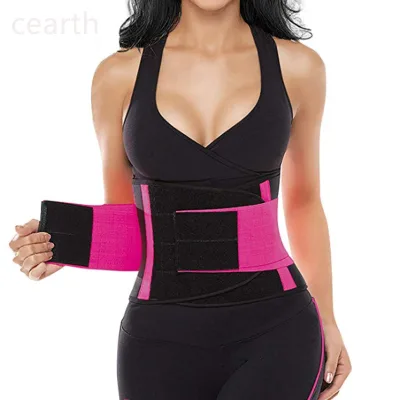
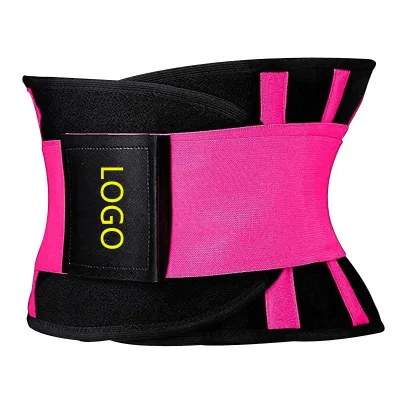

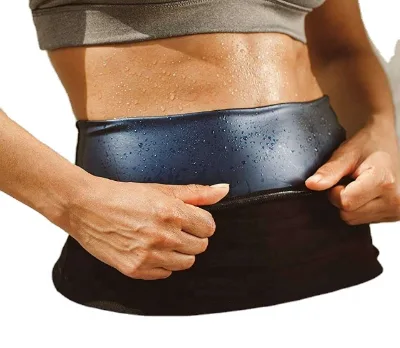
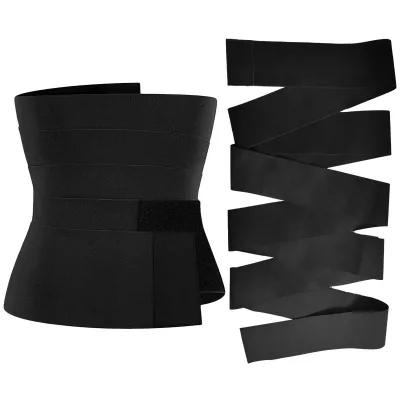
Custom Logo Men's Sports Belt Waistband Waist Trainer Girdle Body Shaper
$4.85 - $6.85
MOQ: 100 Pieces






Comprehensive Sourcing Guide
Customized Logo Waist Trainer Sourcing Guide
Buyers must first distinguish between general posture correction belts and specialized waist trainers designed for body shaping and slimming. The observed product range includes items explicitly labeled as "Waist Trainer," "Waist Support," and "Body Shaper," indicating a functional spectrum from medical-grade support to fitness-oriented compression. Understanding this distinction is critical because the material composition and structural rigidity vary significantly between a simple back support belt and a high-compression waist cincher intended for active use.
Procurement decisions should also account for the specific customization capabilities observed in the market, such as the availability of custom logos and packaging options. While many listings confirm that logo customization is accepted, the extent of this service varies from simple branding to full package design, including color boxes or specialized poly bags. Buyers need to clarify whether the supplier can handle complex branding requests without compromising the structural integrity of the garment, especially when the product is marketed for professional protection or specific athletic activities like basketball or tennis.
Product Scope and Observed Listing Signals
The market data reveals a diverse array of product models, ranging from specific identifiers like "Waist Trainer-11" to generic "Waist Support" listings, suggesting a fragmented supply chain with varying levels of standardization. Buyers should expect to encounter products with different model numbers such as "CEH-WS08" or "R-WS155," which often correlate with distinct design features or target demographics. This variety implies that a single supplier may offer multiple SKUs, requiring careful verification to ensure the specific model selected matches the intended application, whether it is for general fitness, postural support, or professional waist slimming.
Color and size availability are significant signals that influence inventory planning and customer satisfaction. Listings indicate a wide color palette, including specific numbered options from 1 to 12, as well as standard black or fully custom color requests. Size ranges typically span from Small to XXXL, with some suppliers offering a more limited S, M, L selection. Procurement teams must verify that the supplier's size chart aligns with their target market's demographics, as the "Applicable People" are consistently listed as adults, but the fit and compression levels may differ across the various size tiers provided.
Technical Specifications to Verify
Material composition is a primary technical factor that dictates the performance and durability of the waist trainer. The observed supply chain includes products made from Polyester, Polyester & Cotton blends, and Spandex / Cotton combinations, each offering different levels of breathability, elasticity, and moisture management. Buyers must verify the specific material ratio for their intended use case, as a blend with higher Spandex content is generally required for effective body shaping and compression, whereas a Polyester-heavy mix might be more suitable for basic support and durability in high-friction environments.
Thickness and weight specifications provide essential data for logistics planning and product feel. The observed products generally feature a "Medium" thickness and a single gross weight around 0.200 kg to 0.3kgs, which suggests a balance between providing adequate support and maintaining comfort during extended wear. However, buyers should confirm the exact thickness and weight for the specific model number they intend to source, as these attributes directly impact the product's ability to function as a "Body Shaper" versus a simple "Posture Correction" aid, and they also influence the volume and cost of shipping.
Compliance and Safety Documentation
Certification status is a critical verification point for buyers targeting markets with strict medical or safety regulations. The observed listings mention certifications such as CE, ISO13485, and BV, which indicate that some suppliers have undergone third-party validation for quality and safety standards. ISO13485 specifically relates to medical device quality management systems, suggesting that certain products in this category may be positioned as medical-grade support devices rather than general fitness accessories. Buyers must request valid, current certificates for the specific models they are purchasing to ensure compliance with local import regulations.
Protection class and intended use claims must be rigorously cross-referenced with the supplier's documentation to avoid regulatory missteps. Some products are marketed with a "Professional Protection" class, implying a higher standard of safety and efficacy for therapeutic or heavy-duty use. It is essential to verify that the supplier's claims regarding "Protect Your Waist" or "Health Care" functions are backed by the appropriate testing data or certification, particularly if the product is being sold in regions where health claims are strictly regulated. Without this documentation, the product may face rejection at customs or legal challenges in the destination market.
Cost Drivers and Commercial Terms
Minimum Order Quantity (MOQ) and pricing structures are the primary commercial variables that affect the feasibility of sourcing customized waist trainers. The observed MOQ ranges from as low as 2 pieces to as high as 3000 units, offering flexibility for both small startups and large distributors. However, the price range of 0.5 to 20 USD per unit indicates a significant variance based on material quality, customization complexity, and order volume. Buyers should negotiate based on the specific model and material requirements, understanding that lower MOQs often come with higher per-unit costs due to the setup fees for custom logos and packaging.
Packaging and logistics details represent a hidden cost driver that can significantly impact the final landed cost. Listings show options ranging from simple OPP bags to more elaborate packaging involving boxes, with some suppliers offering 100 pieces per carton. The single package size of 96x20x0.5 cm and the gross weight of 0.200 kg are critical for calculating freight charges, especially for air shipping. Buyers must clarify whether the supplier includes the cost of custom packaging in the unit price or charges it separately, as this can vary widely and affect the overall budget for the procurement project.
Supplier Qualification and Quality Control
Supplier origin and production capacity are fundamental indicators of reliability and consistency in the waist trainer market. The majority of observed products originate from China, with specific mentions of Hebei as a place of origin, a region known for textile manufacturing. Buyers should verify the supplier's production capacity to ensure they can meet demand spikes, particularly when dealing with custom orders that require additional time for logo application and packaging assembly. Understanding the supplier's location helps in assessing lead times and the potential for on-site quality audits.
Quality control processes must be explicitly defined before placing an order, especially for products with custom branding. The availability of "Customized Logo" and "Customized Package" options introduces variables that can lead to defects if not managed correctly. Buyers should request a pre-production sample that includes the custom logo and packaging to verify print quality, color accuracy, and structural integrity. Establishing a clear quality acceptance criteria, such as checking for stitching defects or material inconsistencies, is essential to ensure that the final product meets the "Durable" and "Professional Protection" standards observed in the market.
Long-Term Procurement Checks
Sustainability and supply chain resilience are becoming increasingly important for long-term procurement strategies in the apparel sector. Buyers should evaluate whether suppliers are adopting sustainable practices in their material sourcing, particularly for the Polyester and Cotton blends used in these products. While the current data does not explicitly mention eco-friendly certifications, forward-thinking buyers should inquire about the environmental impact of their materials and packaging to align with evolving consumer expectations and potential future regulatory requirements regarding textile waste.
Continuous performance monitoring is necessary to maintain a reliable supply of customized waist trainers over time. Buyers should establish a system for tracking defect rates, delivery timeliness, and the consistency of custom logo application across multiple production batches. Given the wide range of models and specifications available, maintaining a clear record of the specific product attributes for each order is crucial. Regular communication with the supplier to review performance metrics and discuss potential improvements will help mitigate risks and ensure a stable supply chain for future business needs.
FAQs
Can I get a customized logo on the waist trainer?
Yes, customized logos are available for this waist support belt. The product page confirms that logo customization is accepted, allowing buyers to add their branding to the black or custom-colored items for fitness and gym activities.
What materials are used for the waist trainer belt?
The waist trainer is constructed from durable polyester, polyester and cotton blends, or spandex and cotton materials. These fabrics provide the necessary support and body shaping features while ensuring comfort during all-season use for adults.
Which certifications do the waist support products hold?
The products hold CE, ISO13485, and BV certifications. These standards ensure professional protection and health care compliance, making the waist trainer suitable for various sports activities like basketball, tennis, and general fitness gym routines.
What is the minimum order quantity for this item?
The minimum order quantity is as low as 2 pieces for some listings. However, other options may require up to 3000 units, so buyers should check specific supplier requirements for the Waist Trainer-11 or Waist Support 522851 models.
How is the product packaged for shipment?
Items are typically packed in OPP bags, boxes, or poly bags with boxes. Customized packaging options are available, including 100 pieces per carton or single piece per bag, ensuring safe delivery for the waist cincher and body shaper belt.
Where are these waist trainers manufactured?
These waist support belts originate from China, specifically from the Hebei region. The products are designed for unisex adults and feature medium thickness to provide posture correction and protect your waist during various physical activities.