Source Inflatable Educational Human Organ Model for Medical Training
Find 30 options for the Inflatable Educational Human Organ Model to compare sizes, materials, and printing services. These units support medical training, advertising, and event decoration with customizable dimensions and durable PVC or Oxford cloth construction; compare the available evidence and request quotations based on your requirements.
Updated
Key considerations
Products List
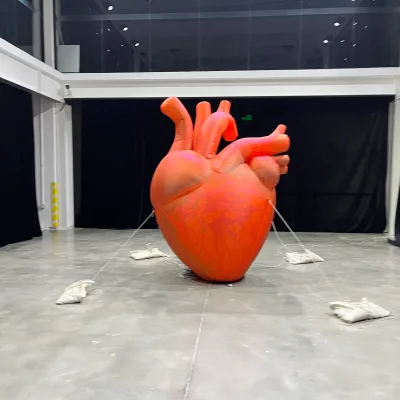
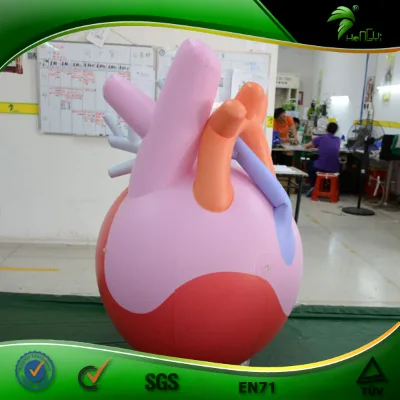
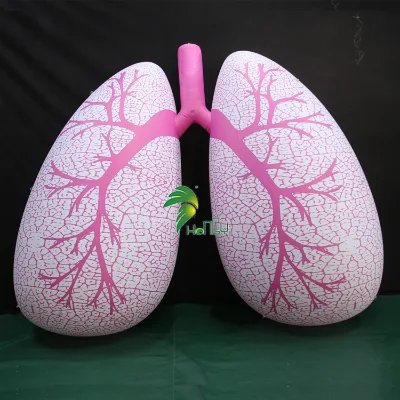
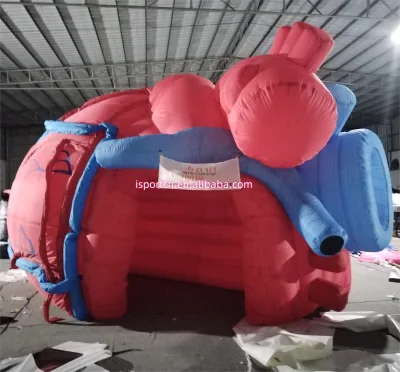
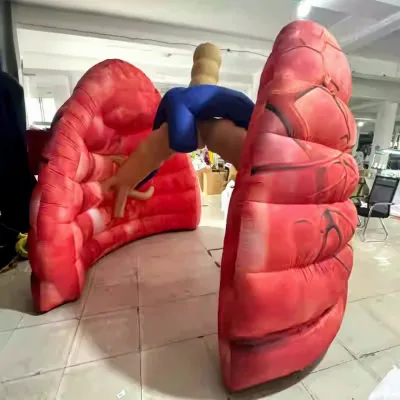
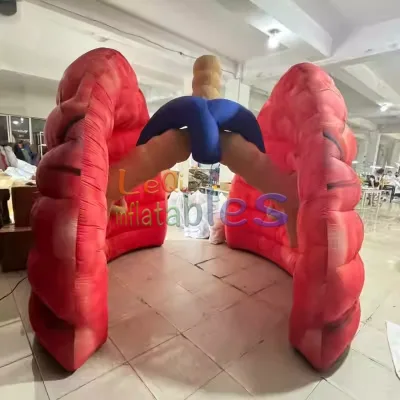
Custom Realistic Inflatable Human Organs Inflatable Lung Blow up Lung Model for Event Decoration
$213.2757 - $409.1186
MOQ: 1 Minimum
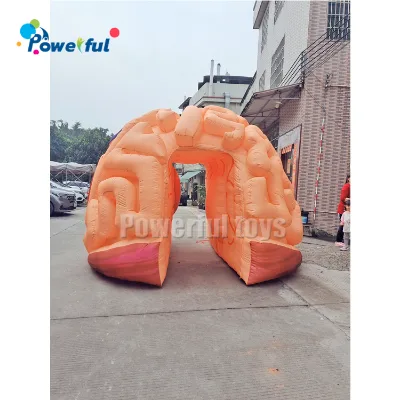
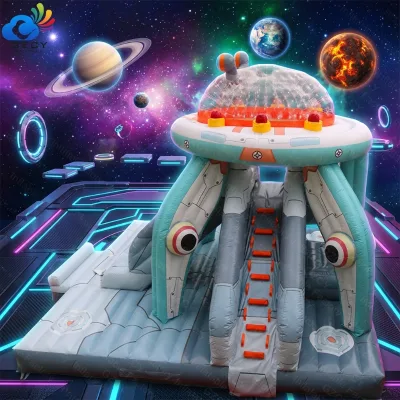
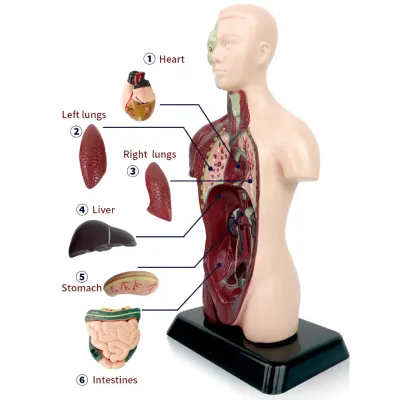


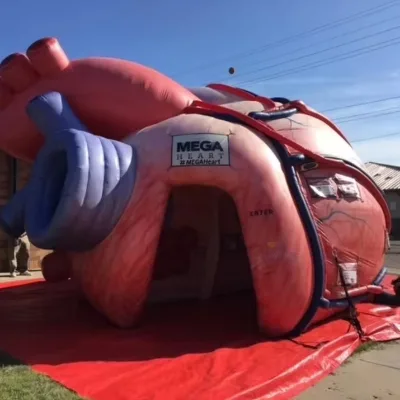
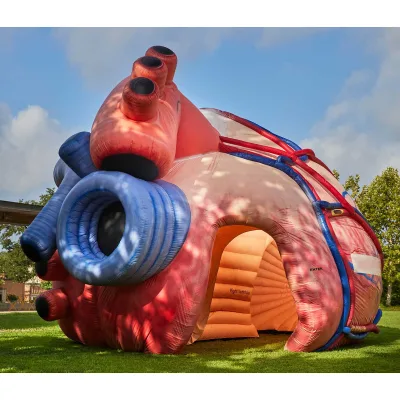
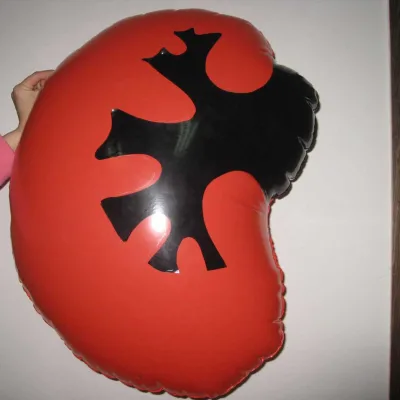

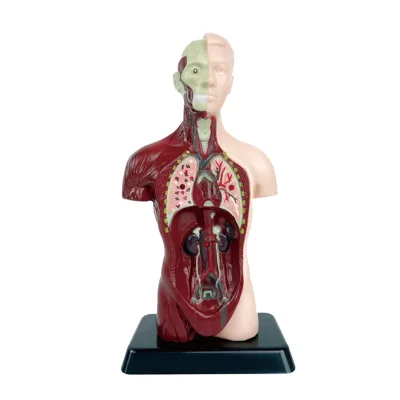
Human Medical Internal and External Genital Organ Model Simulation in Education
$88.00 - $150.00
MOQ: 1 Pieces


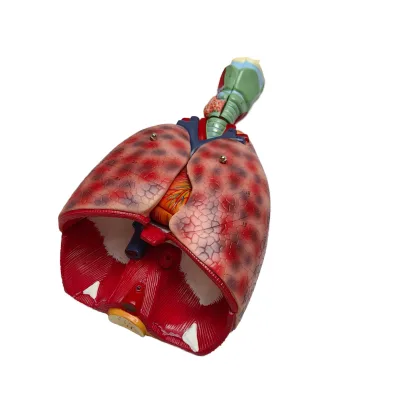
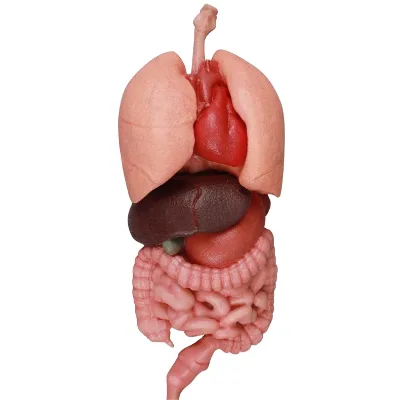
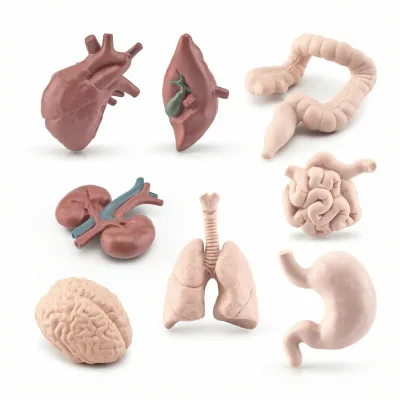
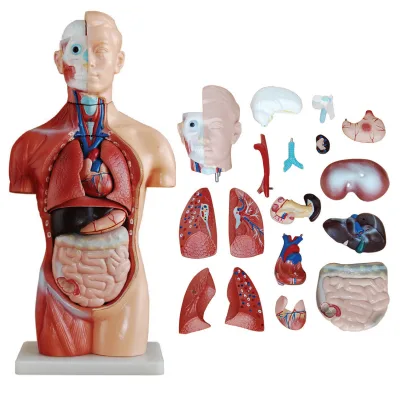
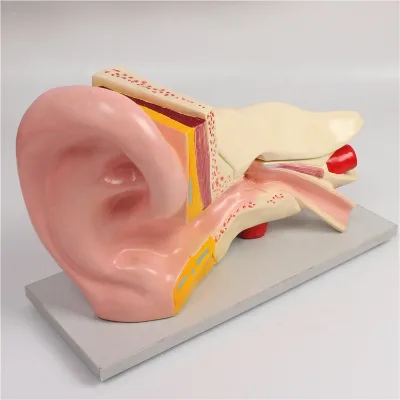
Medical Education Giant Human Ear Model Detachable Manikin for Training
$8.00 - $45.00
MOQ: 10 Minimum
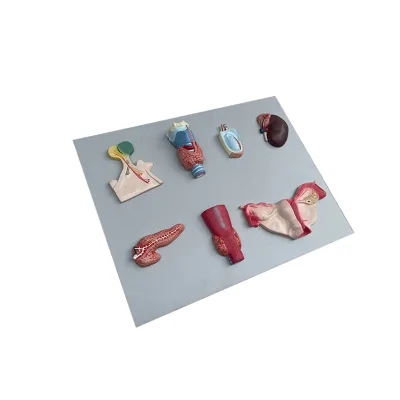

Human Medical Internal and External Genital Organ Model Simulation in Education
$21.90 - $30.00
MOQ: 1 Pieces



Comprehensive Sourcing Guide
Inflatable Educational Human Organ Model Sourcing Guide
Procuring inflatable educational human organ models requires a strategic approach that balances visual impact with anatomical accuracy for training or promotional events. These large-scale props serve as effective tools for medical education, health awareness campaigns, and interactive exhibitions, allowing learners to engage with complex biological structures in a tangible, three-dimensional format. Buyers must prioritize suppliers who understand the specific design requirements for internal organs, ensuring that the inflated structures maintain their shape and detail under various environmental conditions. The primary goal is to select a product that not only captures attention but also delivers clear, recognizable representations of human anatomy for diverse audiences.
The sourcing process involves evaluating multiple dimensions, from material durability to the ease of setup and storage. Since these items are often used in high-traffic outdoor or indoor environments, the integrity of the fabric and the reliability of the inflation system are critical. Buyers should focus on vendors who offer customizable options, allowing for specific organ selections or branding integration. Understanding the logistical requirements, such as packaging dimensions and shipping methods, is equally important to ensure that the models arrive in pristine condition and can be deployed efficiently at the intended venue without unnecessary delays or complications.
Product Scope and Observed Listing Signals
The market for inflatable educational models features a variety of configurations, including lung models and other organ representations, with sizes ranging from one to twenty meters in diameter or customized dimensions. Listings indicate that materials commonly include PVC, Oxford cloth, and Nylon, with some options offering PVC-coated cloth for enhanced durability and weather resistance. These material choices directly influence the product's lifespan and suitability for different environments, with heavier fabrics providing better protection against abrasion and UV exposure. Buyers should verify the specific material composition for each model to ensure it aligns with the intended usage frequency and environmental conditions.
Inflation methods vary, with options including built-in fans, electric air pumps, and manual air pumps, allowing for flexibility in power availability and setup speed. The observed price range spans from two point five to one thousand US dollars, reflecting differences in size, complexity, and material quality. Minimum order quantities typically start at one piece, making these products accessible for single-event purchases or small-scale educational initiatives. However, larger orders may benefit from economies of scale, and buyers should consider the total cost of ownership, including accessories like repair kits, glue, and ropes, which are often included to facilitate maintenance and quick fixes during use.
Technical Specifications to Verify
When evaluating technical specifications, buyers must confirm the inflated dimensions, which can range from four to six feet up to greater than twelve feet in width and height, or be fully customized to meet specific spatial requirements. The model numbers, such as HY-260728-19 or HY082024CIH, serve as unique identifiers for tracking and reordering, so it is essential to record these details accurately. Additionally, the single package size and gross weight are critical for logistics planning, as they determine the shipping volume and handling requirements. Buyers should request precise packaging dimensions to calculate freight costs and ensure that the product fits within the available storage and transport infrastructure at the destination.
The inflation system's reliability is a key technical factor, with some models featuring built-in fans for continuous operation while others rely on external pumps. Buyers should verify the power requirements and noise levels of the inflation equipment, especially for indoor or quiet environments. The warranty period, observed to be between two to three years, indicates the manufacturer's confidence in the product's durability, but buyers should clarify what is covered under this warranty. Furthermore, the ease of setup is a significant feature, with products designed for quick deployment, which is crucial for events with tight schedules or limited staffing resources.
Compliance and Safety Documentation
Safety and regulatory compliance are paramount when sourcing inflatable products, particularly those used in educational or public settings. Buyers should request certification documents such as CE, EN71, EN14960, and SGS to ensure that the materials and construction meet international safety standards. These certifications verify that the product is free from harmful substances and meets specific requirements for flammability, mechanical strength, and chemical composition. It is essential to confirm that the certifications are current and applicable to the specific model being purchased, as standards can vary by region and product type.
In addition to product certifications, buyers should inquire about the supplier's quality management systems and production processes. Documentation should include test reports for material strength, seam integrity, and inflation stability. For products intended for use with children or in public spaces, additional safety features such as rounded edges and secure anchoring points are critical. Buyers must ensure that the supplier provides clear instructions for safe setup and operation, including guidelines for wind resistance and maximum occupancy limits, to prevent accidents and ensure a safe environment for all users.
Cost Drivers and Commercial Terms
Several factors influence the final cost of inflatable educational models, including material selection, size customization, and printing requirements. Custom logos or brand printing can add to the cost, but it is often necessary for promotional purposes. Buyers should compare quotes based on identical specifications to ensure accurate comparisons, as differences in material thickness or inflation system quality can significantly impact the price. The observed minimum order quantity of one piece allows for flexibility, but bulk orders may offer better unit pricing, so buyers should evaluate their volume needs to optimize costs.
Payment terms typically include T/T, PayPal, Western Union, and credit cards, providing various options for financial transactions. Buyers should negotiate clear payment schedules, such as a deposit upon order confirmation and the balance before shipment, to mitigate risk. Delivery times generally range from five to fifteen days, depending on the order quantity and customization level. It is crucial to confirm the production timeline and shipping method, whether by air, express, or sea, to align with event schedules. Buyers should also consider the cost of shipping and insurance, as these can add significant expenses to the total procurement budget.
Supplier Qualification and Quality Control
Selecting a qualified supplier involves verifying their manufacturing capabilities, experience, and reputation in the inflatable product industry. Buyers should request company profiles, production facility images, and references from previous clients to assess reliability. Suppliers located in regions like Guangdong, China, often have established supply chains and expertise in producing high-quality inflatable goods, but buyers should still conduct due diligence to ensure consistent quality. It is advisable to ask for samples or visit the factory if possible, to inspect the craftsmanship and material quality firsthand.
Quality control processes should be transparent, with suppliers providing details on inspection stages during production and before shipment. Buyers should inquire about defect rates and how issues are handled, including return policies and warranty claims. A reputable supplier will have a robust quality assurance system that includes material testing, dimensional checks, and functional testing of the inflation system. Establishing a clear communication channel with the supplier is essential for addressing any concerns promptly and ensuring that the final product meets the agreed-upon specifications and quality standards.
Long-Term Procurement Checks
For ongoing procurement needs, buyers should establish a relationship with a reliable supplier to ensure consistency in product quality and service. Regular reviews of supplier performance, including delivery times, product durability, and customer support, are essential for maintaining a high standard of procurement. Buyers should also stay updated on industry trends and new product developments, as suppliers may introduce improved materials or designs that offer better value or functionality. Building a long-term partnership can lead to better pricing, priority production, and access to exclusive products.
Maintenance and storage are critical for extending the lifespan of inflatable models. Buyers should ensure that the supplier provides comprehensive care instructions, including cleaning methods, storage recommendations, and repair procedures. Having a standard repair kit on hand, including glue and patches, allows for quick fixes and reduces downtime. Regular inspections of the product before and after use can identify potential issues early, preventing major damage. By implementing a proactive maintenance strategy, buyers can maximize the utility of their inflatable educational models and achieve a better return on investment over time.
FAQs
What materials are used for inflatable educational human organ models?
These models are typically constructed from durable PVC, Oxford cloth, or Nylon. The material choice depends on specific durability and aesthetic needs. Suppliers often offer PVC coated cloth for enhanced weather resistance. Buyers can select materials based on their intended application, whether for indoor display or outdoor promotional events requiring robust construction.
Can I customize the size of the inflatable organ model?
Yes, customization is widely available for these inflatable models. Standard sizes range from 1 meter to 20 meters in diameter, or 2 to 8 meters in height. Buyers can request specific dimensions to fit their venue or display requirements. Customized sizes ensure the model meets exact spatial constraints while maintaining structural integrity during inflation.
What certifications do these inflatable models typically hold?
Many manufacturers provide products with CE, EN71, EN14960, and SGS certifications. These standards ensure safety and quality for commercial and educational use. Buyers should verify specific certification documents with suppliers before ordering. Certified models are essential for events in regulated markets, ensuring compliance with international safety and environmental standards for inflatable structures.
How long does production and delivery take for these models?
Production time generally ranges from 5 to 15 days, depending on order quantity. Delivery methods include air, express, or sea freight. Buyers should confirm lead times with suppliers as production schedules vary. Standard export packaging ensures safe transport. Early planning helps accommodate potential delays and ensures timely arrival for scheduled events or promotional campaigns.
What accessories are included with the inflatable organ model?
Standard packages usually include a repair kit, glue, and ropes. Inflation can be achieved via built-in fans, electric pumps, or manual pumps. Buyers should confirm included accessories with the supplier. These components facilitate easy setup and maintenance. Having a repair kit on hand ensures quick fixes, extending the lifespan of the inflatable model during extended use.
What is the minimum order quantity for these models?
The minimum order quantity can be as low as 1 piece. This flexibility allows buyers to test market response or purchase single units for specific events. Higher quantities may offer better pricing or production efficiency. Buyers should inquire about bulk discounts. Low MOQs make these models accessible for small businesses, educational institutions, or individual promotional campaigns.
Where are these inflatable models typically manufactured?
Many of these products originate from Guangdong, China. This region is known for its manufacturing capabilities in inflatable goods. Buyers can source directly from factories in this area. Origin affects shipping logistics and lead times. Understanding the manufacturing location helps buyers assess supply chain reliability and potential shipping costs when importing these educational or promotional items.