Source Foldable Garment Wire Grid Display for Retail
Explore 30 Foldable Garment Wire Grid Display options from Chinese suppliers. Compare features such as powder-coated finishes, custom dimensions, and easy assembly for department stores and retail shops to find durable storage solutions; compare the available evidence and request quotations based on your requirements.
Updated
Key considerations
Products List
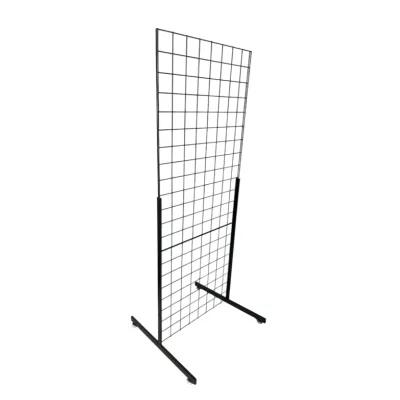
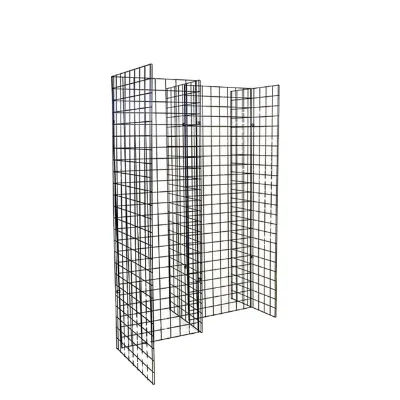
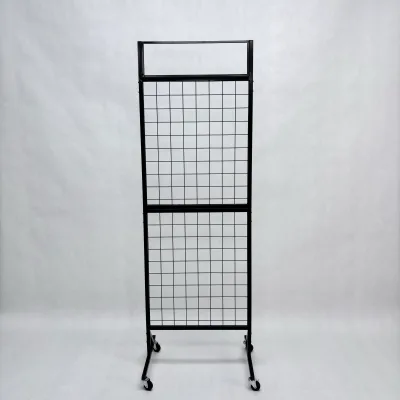
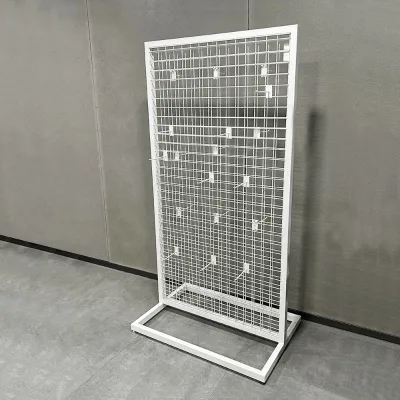
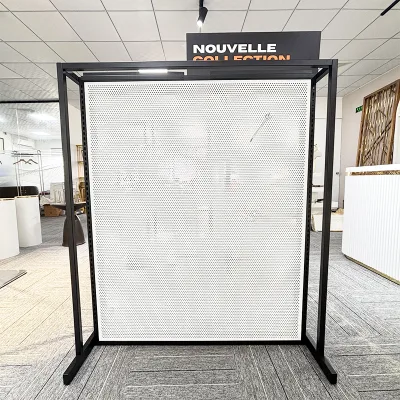
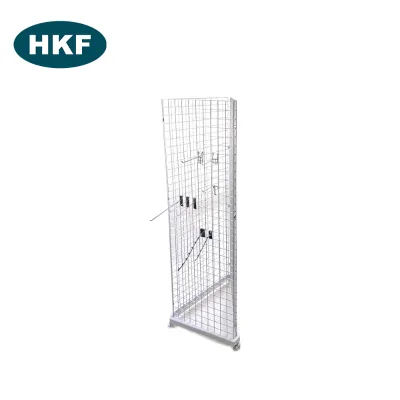
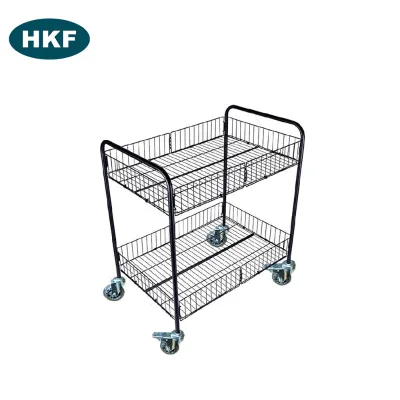

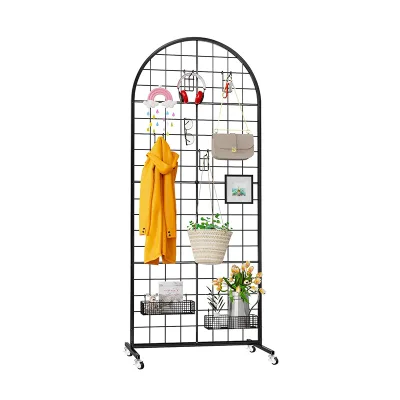


Movable Metal Display Stand Display Advertising Exhibition for Garments
$130.00 - $155.00
MOQ: 200 Pieces


Garment Store Display Stand Store Furniture Fitting Display for Clothing
$110.00 - $120.00
MOQ: 300 Sets


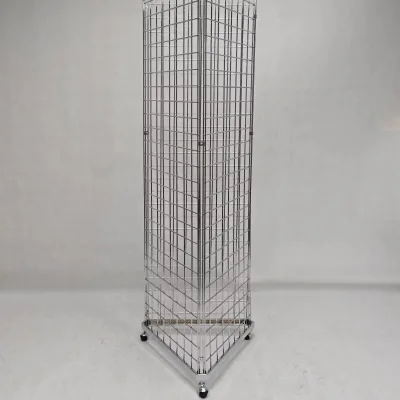
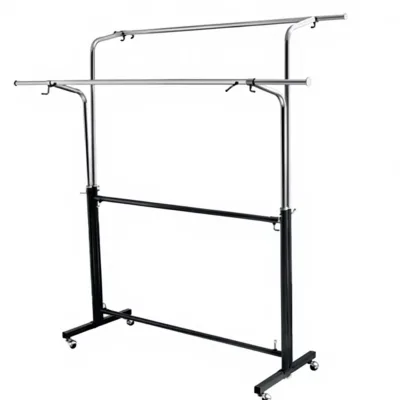
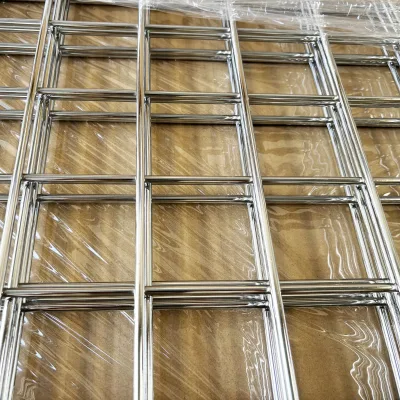
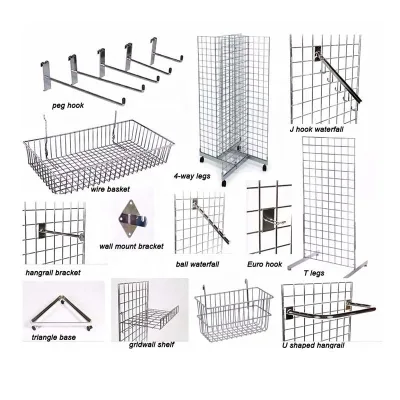
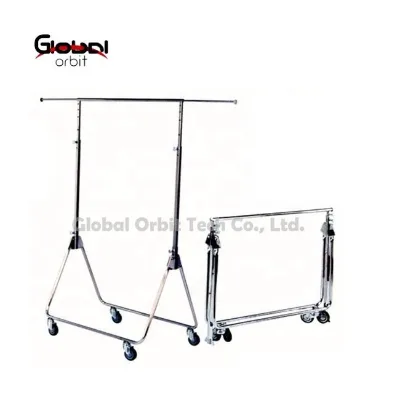
New Product Collapsible Clothing Display Folding Garment Hanging Rack
$55.00 - $69.00
MOQ: 500 Minimum




Comprehensive Sourcing Guide
Foldable Garment Wire Grid Display Sourcing Guide
Sourcing foldable garment wire grid displays requires a nuanced understanding of retail fixture versatility and structural integrity. These units serve as critical tools for visual merchandising, allowing retailers to maximize floor space while maintaining an organized and accessible product presentation. The core appeal lies in their adaptability; they can be reconfigured to suit seasonal changes or specific promotional needs without requiring permanent installation. Buyers must recognize that while the form factor is consistent, the execution varies significantly across manufacturers, impacting both durability and aesthetic alignment with brand identity.
The procurement process involves balancing immediate logistical needs with long-term operational efficiency. Retail environments demand fixtures that are not only visually appealing but also robust enough to withstand frequent handling and heavy loads. Understanding the specific use cases, such as department store promotions or boutique advertising, helps narrow down the supplier pool. This guide provides a structured approach to evaluating these products, ensuring that buyers make informed decisions based on verified specifications rather than marketing claims. By focusing on key technical and commercial factors, purchasers can mitigate risks associated with quality inconsistencies and supply chain disruptions.
Product Scope and Observed Listing Signals
The market for foldable garment wire grid displays presents a diverse range of options, primarily characterized by their material composition and assembly methods. Observed listings indicate that metal is the predominant shelf material, often treated with powder coating or polishing to enhance durability and visual appeal. These units are typically designed for freestanding installation, offering flexibility in placement within retail shops or department stores. The product scope extends beyond simple storage, encompassing advertising and promotional uses where brand visibility is paramount. Buyers should note that many suppliers offer customization services, allowing for tailored dimensions and colors to match specific store aesthetics.
Listing signals reveal significant variation in product attributes, including shape, orientation, and shelf type. Some units are described as having a modern or classic style, with features such as foldability and easy assembly being key selling points. The observed price range spans from approximately $9.99 to $155, reflecting differences in material quality, size, and customization levels. Minimum order quantities (MOQs) vary widely, from single items to thousands, catering to both small boutiques and large retail chains. It is crucial for buyers to verify these details against their specific requirements, as generic descriptions may not accurately reflect the final product’s capabilities or limitations.
Technical Specifications to Verify
Verifying technical specifications is essential to ensure that the selected display units meet operational demands. Key parameters include the single package size, gross weight, and overall dimensions, which directly impact shipping costs and storage requirements. For instance, observed package sizes range from compact dimensions suitable for small items to larger formats designed for substantial garment displays. Buyers should confirm the thickness of the layer board or panel, as this affects load-bearing capacity and longevity. Additionally, the number of shelves and their height, such as the observed 175CM specification, must align with the intended merchandise and customer accessibility needs.
Assembly and installation processes also require careful evaluation. Products marketed as having easy assembly or foldable features should be tested for stability and ease of use. The surface treatment, whether powder-coated or polished, influences resistance to wear and tear, particularly in high-traffic retail environments. Buyers must also consider the model numbers and brand names associated with each product, as these can indicate specific design features or quality standards. Ensuring that the display units are compatible with existing retail infrastructure, such as floor types or lighting, is another critical step in the verification process.
Compliance and Safety Documentation
Compliance and safety documentation are non-negotiable aspects of sourcing retail fixtures, even for seemingly simple items like wire grid displays. Buyers must request relevant certifications to ensure that the products meet international safety and quality standards. While specific standards may vary by region, general compliance with material safety regulations is crucial to prevent issues such as chemical exposure or structural failure. Documentation should include test reports that verify the durability of the metal components and the effectiveness of surface treatments like powder coating. These documents provide assurance that the products are safe for use in public spaces and comply with local regulations.
In addition to safety, buyers should verify that the suppliers adhere to ethical manufacturing practices. This includes ensuring that the production processes do not involve harmful substances or unsafe working conditions. Requesting detailed product specifications and material safety data sheets (MSDS) can help in assessing the environmental impact of the fixtures. Buyers must also consider the potential for product liability, ensuring that the suppliers have adequate insurance and quality control measures in place. By prioritizing compliance and safety, retailers can protect their brand reputation and avoid legal complications associated with non-compliant products.
Cost Drivers and Commercial Terms
Understanding the cost drivers behind foldable garment wire grid displays is vital for effective budgeting and negotiation. Primary factors influencing price include the material quality, customization options, and order volume. Customized colors, sizes, and shapes typically incur additional costs, as they require specialized production processes. The observed price range of $9.99 to $155 reflects these variations, with higher prices often associated with premium materials or complex designs. Buyers should also consider the minimum order quantities (MOQs), which can range from one to 1000 units, impacting the overall cost per unit and cash flow management.
Commercial terms such as lead times, payment methods, and shipping arrangements significantly affect the total cost of ownership. Buyers must negotiate clear terms regarding delivery schedules to avoid delays that could disrupt retail operations. It is advisable to request detailed quotes that break down costs for materials, labor, and logistics. Additionally, buyers should inquire about warranty policies and after-sales support, as these can mitigate risks associated with product defects or damage during transit. By carefully evaluating these commercial terms, purchasers can optimize their procurement strategy and achieve better value for their investment.
Supplier Qualification and Quality Control
Supplier qualification is a critical step in ensuring the reliability and consistency of foldable garment wire grid displays. Buyers should conduct thorough due diligence on potential suppliers, verifying their business licenses, production capabilities, and quality management systems. Visiting manufacturing facilities or requesting virtual tours can provide insights into the production processes and quality control measures in place. It is essential to assess the supplier’s ability to meet specific customization requirements and maintain consistent quality across large orders. Suppliers with a proven track record in the retail fixture industry are often more reliable and capable of delivering high-quality products.
Quality control procedures should be clearly defined and agreed upon before placing orders. This includes establishing inspection criteria for materials, assembly, and final product appearance. Buyers may request pre-shipment inspections or third-party quality audits to ensure that the products meet the specified standards. Communication with the supplier regarding any deviations or issues is crucial for maintaining quality standards. Additionally, buyers should evaluate the supplier’s responsiveness and willingness to address concerns promptly. By prioritizing supplier qualification and robust quality control, retailers can minimize the risk of receiving substandard products and ensure customer satisfaction.
Long-Term Procurement Checks
Long-term procurement checks are necessary to maintain the quality and reliability of foldable garment wire grid displays over time. Regular audits of supplier performance, including delivery times, product quality, and customer service, help identify areas for improvement. Buyers should establish key performance indicators (KPIs) to measure supplier effectiveness and hold them accountable for meeting agreed-upon standards. Continuous feedback loops between the procurement team and the supplier can facilitate ongoing improvements and address emerging issues proactively. This collaborative approach fosters a strong partnership and ensures that the supplier remains aligned with the retailer’s evolving needs.
Additionally, buyers should monitor market trends and technological advancements in retail fixtures to stay competitive. Regularly reviewing product specifications and exploring new suppliers can provide opportunities for cost savings and innovation. It is also important to assess the environmental impact of the products and suppliers, aligning procurement practices with sustainability goals. By implementing long-term procurement checks, retailers can ensure that their supply chain remains resilient, efficient, and capable of supporting their business objectives. This strategic approach to procurement helps mitigate risks and enhances overall operational performance.
FAQs
Can I customize the color and size of the display rack?
Yes, customization is welcomed for both color and size. The product features a customized color option and customized size dimensions to meet specific retail needs. This flexibility allows buyers to tailor the gridwall display rack to their brand identity or store layout requirements effectively.
What is the minimum order quantity for this product?
The minimum order quantity ranges from 1 to 1000 units depending on the specific supplier and configuration. Buyers can start with a single item as the selling unit is listed as a single item. This low MOQ allows for easy testing of the Foldable Garment Wire Grid Display before bulk purchasing.
How durable is the metal shelf material used?
The display stand is made from metal with a powder-coated surface treatment, ensuring durability. This construction supports garment displays, hangers, and racks while withstanding regular retail use. The durable feature makes it suitable for department stores and retail shops requiring reliable storage and presentation solutions.
Is assembly required for the freestanding display unit?
Yes, the product requires assembly, but it is designed for easy assembly. The freestanding type allows for straightforward setup in retail environments. This ease of installation ensures that store staff can quickly deploy the gridwall display rack without specialized tools or extensive training time.
What are the package dimensions for shipping?
The single package size varies by model, with observed dimensions including 60x30x15 cm and 2x5x8 cm. These compact packaging sizes facilitate efficient shipping and storage. Buyers should verify the specific model number, such as FAM3157 or HBE-NY-41, to confirm the exact package dimensions for logistics planning.
Where are these display racks manufactured?
These products are manufactured in China, specifically in Fujian, Jiangsu, and Guangdong provinces. The place of origin varies by brand and model number. Buyers can select suppliers from these regions based on their preferred logistics routes and supplier location preferences for the Foldable Garment Wire Grid Display.