Source Customized Silicone Wrist Watch Band for sports, fitness, and daily wear
Explore 30 listings for Customized Silicone Wrist Watch Band options featuring eco-friendly materials, reflective designs, and various customization services. Buyers can compare specifications, MOQs, and processing details from verified manufacturers in Shenzhen.
Key considerations
Products List
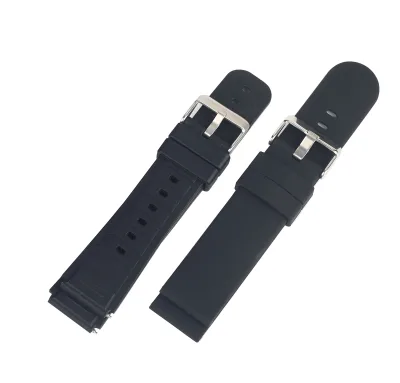


Pin Buckle Multi Color Size Sport Wrist Rubber Silicone Watch Strap Band
$1.70 - $2.00
MOQ: 100 Pieces


Factory Custom Make Silicone Rubber Watch Strap Band Wristband with Custom Logo
$0.04 - $0.28
MOQ: 10 Pieces


Wholesale Fashion 20mm 22mm Watch Strap Watchband Waterproof Sports Silicone Watch Bands
$0.75 - $0.85
MOQ: 1000 Pieces
Comprehensive Sourcing Guide
Strategic Sourcing Guide for Customized Silicone Wrist Watch Bands
The global market for wearable accessories has seen a significant surge in demand for durable, flexible, and customizable components, with customized silicone wrist watch bands emerging as a dominant category. For procurement professionals, navigating this sector requires a disciplined approach that balances technical performance, regulatory compliance, and supply chain reliability. The following guide outlines the critical factors buyers must evaluate when sourcing these products, ensuring that the final selection aligns with both functional requirements and brand standards.
Technical Specifications and Material Composition
The foundation of a successful silicone wrist watch band lies in the precise definition of material properties and physical dimensions. Based on observed market data, the primary material type is consistently identified as high-quality silicone. This material is selected for its inherent elasticity, resistance to water, and comfort against the skin. When evaluating potential suppliers, buyers should verify that the material composition meets specific industry benchmarks for durability and safety.
Dimensions are a critical variable in this category. Observed specifications indicate standard sizes such as 20mm and 22mm, which are common widths for watch lugs. However, the market also supports a "Custom Size" option, allowing for bespoke dimensions to fit unique timepiece designs. The manufacturing process typically involves injection molding or general molding techniques, which ensure consistent wall thickness and structural integrity. Buyers must confirm that the supplier's molding capabilities can handle the specific tolerances required for their watch models.
Furthermore, the physical features of the band often extend beyond simple color and size. Advanced product attributes include reflective elements, glow-in-the-dark capabilities, and even RFID integration. These features require specific additives or structural modifications during the molding process. For instance, a band designed with RFID functionality must incorporate conductive materials or specific chip placements without compromising the silicone's flexibility. The "Case Shape" of the associated watch, often round, influences the curvature and fit of the strap, necessitating precise tooling designs.
Compliance and Certification Verification
Regulatory compliance is non-negotiable when sourcing silicone products intended for skin contact. The supply chain for these bands is heavily regulated to ensure that the materials do not contain harmful substances. High-confidence data indicates that reputable suppliers adhere to several key standards, including ROHS, ISO9001, ITAF16949, and ISO 13485. These certifications cover environmental restrictions, quality management systems, and medical device quality standards, respectively.
In addition to general certifications, specific material safety tests are essential. Buyers should demand evidence of compliance with CE, EN71, and REACH standards. These tests verify that the silicone is free from phthalates and other toxic compounds, ensuring the product is safe for prolonged wear. The "Material Test" data often cites SGS as an independent verification body, which adds a layer of credibility to the supplier's claims.
When reviewing a supplier's documentation, procurement teams should look for a clear statement of conformity for each batch. The "prod_standard" field often lists SGS, RoHS, and EN71, indicating that the product has undergone rigorous third-party testing. It is crucial to note that while some suppliers may claim "Customized" standards, the baseline safety requirements for silicone wristbands remain constant. Buyers must verify that the specific batch they are purchasing has been tested against these exact standards, rather than relying on general company certifications alone.
Cost Drivers and Pricing Dynamics
Understanding the cost structure of customized silicone bands is vital for budgeting and negotiation. The observed price range in the market spans from $0.02 to $9.70 USD per unit. This wide variance is driven by several factors, including the complexity of the design, the volume of the order, and the specific features incorporated into the band.
The Minimum Order Quantity (MOQ) is a primary cost driver. Data suggests that the standard MOQ for these products is 500 pieces, though some suppliers may offer ranges from 10 to 5000 units. Orders falling below the standard MOQ often incur higher per-unit costs due to the setup time required for mold creation and machine calibration. Conversely, larger orders benefit from economies of scale, reducing the unit price significantly.
Additional cost factors include the customization level. Features such as custom logos, specific colors, and unique packaging add to the production cost. The "LOGO Type" can vary from silkscreen printing to concave or raised molding, each with different tooling and labor requirements. For example, a "Concave" logo requires a more complex mold than a simple "Printing" application. Furthermore, specialized features like "Glow in the Dark" or "RFID" integration require specialized materials and processing steps, which will increase the final price.
Supplier Evaluation and Manufacturing Capabilities
Selecting the right supplier involves more than just comparing prices; it requires a deep dive into their manufacturing capabilities and operational flexibility. The "Place of Origin" for many of these products is Shenzhen, China, a hub known for its advanced manufacturing infrastructure. Buyers should evaluate the supplier's capacity to handle "OEM & ODM" requests, as most vendors in this sector welcome customer designs.
Production capacity is another critical metric. Some suppliers boast a "Fast Process" capability of 20,000 pieces per day, which is essential for meeting tight deadlines or large-scale distribution needs. The "Sample Time" is typically between 2 to 7 days, allowing buyers to validate the product before committing to a full production run. The "Production Time" for bulk orders generally ranges from 12 to 15 days, though this can vary based on order complexity and current factory load.
Suppliers should also demonstrate a commitment to "Good Quality" and "Fine Workmanship." This is often reflected in their "Fast Service" and attention to detail during the molding process. The ability to offer "Customer Design" services indicates a flexible approach to engineering, allowing for the creation of unique shapes and features. Buyers should verify that the supplier has the necessary equipment for "Injection" molding and can handle the specific "Processing Service" requirements of their project.
Quality Control and Inspection Protocols
Maintaining consistent quality throughout the production run is essential for brand reputation. The "Feature" set of these bands often includes "Eco-Friendly" attributes, which must be verified through material sourcing and production practices. Quality control should begin at the raw material stage, ensuring that the "High quality silicone" meets the specified purity and elasticity standards.
Inspection protocols should cover dimensional accuracy, color consistency, and logo placement. The "prod_packing" specifications, such as "1PC/Polybag" or "100PCS/Bigbag," must be strictly followed to prevent damage during transit. Buyers should establish clear acceptance criteria for defects, such as air bubbles, uneven coloring, or misaligned logos.
The "Competitive" nature of the market means that suppliers are under pressure to deliver high-quality products at low costs. However, this should not come at the expense of quality. Buyers should request pre-shipment inspections and ensure that the supplier has a robust internal quality control system in place. The "Good Quality" attribute observed in the market should be backed by tangible inspection reports and test data.
Long-Term Procurement Considerations
Sourcing customized silicone wrist watch bands is not a one-time transaction but a long-term partnership. Buyers should consider the scalability of the supplier's operations and their ability to adapt to future design changes. The "Customization" options available, including logo, color, and package, should be flexible enough to accommodate evolving brand strategies.
Supply chain resilience is also a key consideration. The "Production Time" of 12-15 days is a baseline, but external factors such as raw material shortages or logistical disruptions can impact delivery. Buyers should maintain open communication with suppliers to anticipate potential delays and have contingency plans in place.
Finally, the environmental impact of the product is increasingly important. The "Eco-Friendly" feature should be a core part of the product's identity, supported by sustainable manufacturing practices. Buyers should encourage suppliers to adopt green initiatives and provide transparency regarding their environmental footprint. By focusing on these long-term factors, procurement teams can build a reliable and sustainable supply chain for their customized silicone wrist watch bands.
Comparative Analysis of Product Attributes
To assist in decision-making, the following table summarizes key attributes observed in the market for customized silicone wrist watch bands. This comparison highlights the variability in features and specifications that buyers should consider.
| Attribute Category | Standard Observation | Customization Options | Verification Requirement |
|---|---|---|---|
| Material | High Quality Silicone | Any color, customized | CE, EN71, REACH test reports |
| Dimensions | 20mm, 22mm | Custom Size Is Welcomed | Physical measurement of samples |
| Logo Type | Silkscreen, Printing | Concave, Raised, Recessed | Visual inspection of mold samples |
| Features | Eco-Friendly, Reflective | Glow in Dark, RFID, USB | Functional testing of features |
| MOQ | 500 pcs | 10-5000 pcs | Negotiation of volume pricing |
| Lead Time | 12-15 Days | 2-7 Days (Sample) | Confirmation of production schedule |
| Certifications | ROHS, ISO9001, SGS | Customized Standards | Validity of certification documents |
This table serves as a checklist for buyers to ensure that all critical aspects of the product are addressed during the sourcing process. By systematically evaluating each attribute against the supplier's capabilities, buyers can make informed decisions that minimize risk and maximize value.
In conclusion, sourcing customized silicone wrist watch bands requires a meticulous approach that balances technical specifications, regulatory compliance, and supplier reliability. By adhering to the guidelines outlined in this guide, procurement professionals can navigate the complexities of this market and secure high-quality products that meet their specific needs. The key lies in thorough verification, clear communication, and a commitment to long-term partnership with capable suppliers.
FAQs
What certifications do customized silicone wrist watch bands meet?
Products typically meet ROHS, ISO9001, ITAF16949, and ISO 13485 standards. Additionally, material tests often verify compliance with CE, EN71, and REACH regulations to ensure safety for skin contact.
Can I customize the size and color of the silicone strap?
Yes, customization for logo, color, and package is available. Standard sizes include 20mm and 22mm, but custom sizes are welcomed to fit unique watch models and brand requirements.
What is the minimum order quantity for these silicone bands?
The standard minimum order quantity is 500 pieces. However, observed ranges in the market can vary from 10 to 5000 units depending on the specific supplier and order complexity.
How long does production take for a bulk order?
Production time generally ranges from 12 to 15 days for bulk orders. Sample preparation is faster, typically taking between 2 to 7 days before full manufacturing begins.
Where are these silicone watch bands manufactured?
The place of origin is typically Shenzhen, China. This location is a known manufacturing hub offering advanced processing services like injection molding for high-quality silicone products.
What features are available for these silicone watch straps?
Features include eco-friendly materials, reflective elements, and glow-in-the-dark capabilities. Some variants also offer RFID integration or mosquito repellent properties depending on the design.
Does the supplier accept OEM and ODM requests?
Yes, OEM and ODM services are warmly welcomed. Suppliers support customer designs with options for raised, recessed, or printed logos and various case shapes to match specific needs.