Source Cut Level 5 Safety Gloves for Construction and Industry
Find 30 options for Cut Level 5 Safety Gloves designed for mechanical, construction, and industrial applications. Compare specifications including EN 388 testing, material compositions like stainless steel and cotton, and packaging details to select the right protective gear for your team.
Key considerations
Products List


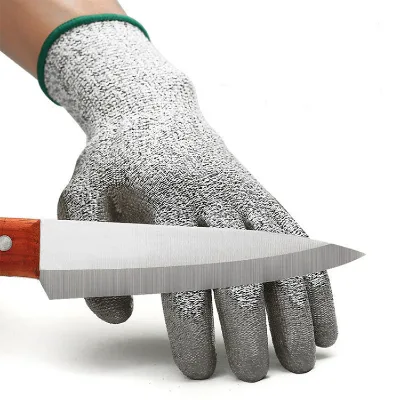


High - Quality Work Labor Protection Gloves - Cut - Resistant & Durable
$2.50 - $2.80
MOQ: 300000 pieces


Cut Resistant Gloves Level 5 for Multipurpose Safety Gloves Manufacturer
$1.20 - $1.30
MOQ: 6000 Pairs


Comprehensive Sourcing Guide
Cut Level 5 Safety Gloves Sourcing Guide
Procuring Cut Level 5 Safety Gloves requires distinguishing between general industrial protection and specialized high-performance gear designed for extreme hazards. The observed market data indicates a diverse range of products, from stainless steel mesh variants to coated cotton options, each serving distinct operational needs. Buyers must carefully align their specific risk assessment with the material composition and coating technology listed in supplier catalogs to ensure the selected glove meets the rigorous demands of their environment.
Verification of the actual cut resistance rating is critical, as the term "cut level 5" implies a specific performance threshold that not all listed products may satisfy. While some listings mention anti-cut functions and flexible features, others focus on heat insulation or general anti-scratch properties. Sourcing teams should prioritize suppliers who explicitly define their cut resistance standards and provide clear evidence that their specific models, such as those labeled with high-performance coatings, meet the necessary safety benchmarks for high-risk tasks.
Product Scope and Observed Listing Signals
The current market landscape for safety gloves presents a wide spectrum of specifications, including varying lengths from medium to long and sizes ranging from XXS to XXL. Listings reveal diverse material compositions, such as stainless steel, cotton, and latex outer materials, which directly influence the glove's protective capabilities and comfort. Buyers should note that while some products are designed for household electrical appliances, others are explicitly intended for construction, industry, and mechanical applications, necessitating a precise match between the product description and the intended work zone.
Packaging and customization options vary significantly across the observed inventory, with some items offered in polybags or boxes and others available in customized configurations. The presence of OEM capabilities suggests that many manufacturers can adapt product attributes like cuff tightness, color, and specific dimensions to meet unique procurement requirements. However, the diversity in listed models, including specific codes like GDS-Glove and RTCMG-001, indicates that buyers must scrutinize individual product pages to confirm that the specific item matches the required cut resistance and functional profile.
Technical Specifications to Verify
When evaluating technical specifications, the wire diameter and ring size are critical parameters for metal mesh gloves, with observed data showing specific measurements like 0.53mm wire diameter and 3.81mm ring size. These physical dimensions directly correlate with the flexibility and cut resistance of the final product, meaning that even minor deviations can impact the glove's ability to protect against sharp objects. Procurement teams must verify that the listed dimensions align with the manufacturer's engineering standards to ensure the glove provides the necessary dexterity without compromising safety.
Thickness and material composition are equally vital, as observed listings range from flimsy cotton options to thickened variants designed for heat insulation. The distinction between disposable and non-disposable models further complicates the selection process, requiring buyers to assess the longevity and cost-effectiveness of each option. It is essential to confirm whether the outer material, such as latex or specific coatings, complements the inner structure to provide the advertised anti-cut, anti-impact, and anti-vibration functions without causing excessive hand fatigue during prolonged use.
Compliance and Safety Documentation
Compliance with safety standards is a non-negotiable aspect of sourcing high-performance gloves, particularly when dealing with cut resistance claims. While some listings reference the EN 388 standard, buyers must demand specific test reports that validate the cut level 5 rating for the exact model being purchased. Relying on general standard mentions without accompanying test data can lead to procurement of gloves that do not meet the required safety thresholds, potentially exposing workers to significant injury risks in high-hazard environments.
Documentation should also include clear evidence of the glove's suitability for the intended application, such as construction or mechanical work. Buyers should verify that the supplier provides detailed safety data sheets and compliance certificates that explicitly state the cut resistance level and other protective features like anti-impact or heat insulation. Without these specific documents, it is impossible to confirm that the product has undergone the rigorous testing necessary to justify its classification as a cut level 5 safety glove.
Cost Drivers and Commercial Terms
Cost drivers in this category are heavily influenced by the complexity of the materials used, such as stainless steel mesh or specialized coatings, and the level of customization required. The observed price range of 0.01 to 22.9 USD suggests a vast disparity in product value, where higher prices often correlate with superior cut resistance, durability, and advanced features like heat insulation. Buyers must analyze the total cost of ownership, considering factors like replacement frequency and the potential cost of workplace injuries, rather than focusing solely on the unit price.
Commercial terms, including Minimum Order Quantities (MOQ) and packaging configurations, vary widely and can significantly impact the overall procurement budget. Listings show MOQs ranging from 1 to 300,000 units, with packaging options like 12 pairs per polybag or 120 pairs per carton. Procurement teams should negotiate terms that balance inventory costs with operational needs, ensuring that the chosen supplier can accommodate the required volume while maintaining consistent quality and delivery schedules.
Supplier Qualification and Quality Control
Supplier qualification should focus on verifying the manufacturer's origin and their ability to maintain consistent quality across large production runs. The observed data indicates that many products originate from China, specifically Shi Jiazhuang, but buyers must ensure that the specific factory has a robust quality control system in place to prevent defects in critical safety features. It is essential to audit the supplier's production processes to confirm that they adhere to the stated standards and that their quality control measures are rigorous enough to catch any deviations in cut resistance or material integrity.
Quality control checks should extend to the final product inspection, ensuring that every batch meets the specified technical requirements before shipment. Buyers should request pre-shipment samples and independent third-party testing results to validate the cut resistance and other functional claims. Establishing a clear communication channel with the supplier for addressing any quality issues is also crucial, as this ensures that any deviations from the agreed-upon specifications are identified and resolved promptly to maintain the safety of the workforce.
Long-Term Procurement Checks
Long-term procurement success depends on establishing a reliable supply chain that can consistently deliver high-quality gloves over an extended period. Buyers should implement a system for regular performance reviews of the gloves in the field, tracking metrics such as wear rates, comfort levels, and any incidents related to glove failure. This data-driven approach allows for continuous improvement in the selection process and helps identify any emerging issues with specific models or suppliers before they become significant problems.
Maintaining strong relationships with suppliers is also vital for ensuring that the procurement team has access to the latest innovations and improvements in cut-resistant technology. Regular communication regarding updates in safety standards, new material developments, and changes in production capabilities can help buyers stay ahead of potential risks. By fostering a collaborative partnership, organizations can ensure that their safety glove procurement strategy remains effective and aligned with the evolving needs of their workforce and regulatory environment.
FAQs
What materials are used for Cut Level 5 Safety Gloves?
These gloves typically utilize stainless steel mesh or high-performance synthetic fibers like cotton and latex blends. The stainless steel variant offers superior cut resistance, while the cotton and latex options provide flexibility and comfort for general industrial tasks. Selecting the right material depends on the specific hazard level and dexterity requirements of your work environment.
Can Cut Level 5 Safety Gloves be customized for specific sizes?
Yes, customization is available for many models, including sizes ranging from XS to XXL. Manufacturers often support OEM requests and can adjust cuff tightness or packaging configurations. This ensures a proper fit for diverse hand sizes and allows businesses to tailor branding or packaging to their specific operational needs and safety protocols.
Which certifications apply to Cut Level 5 Safety Gloves?
Many cut-resistant gloves are tested against the EN 388 standard, which evaluates mechanical risks. This standard assesses cut, tear, and abrasion resistance to ensure worker safety. Buyers should verify that the specific product model meets the required EN 388 performance levels for their industry, ensuring compliance with international safety regulations and workplace standards.
How are Cut Level 5 Safety Gloves packaged for bulk orders?
Standard packaging often includes 12 pairs per polybag and 120 pairs per carton. Some models may use box or OPP bag packaging depending on the product type. Carton dimensions are typically around 65cm by 28cm by 38cm. This standardized packing facilitates efficient storage, handling, and shipping for large-scale industrial procurement and distribution channels.
What are the typical applications for Cut Level 5 Safety Gloves?
These gloves are suitable for construction, industry, and mechanical environments where cut hazards exist. They protect against scratches, impacts, and vibrations during handling of sharp materials. Their durable design supports tasks involving household electrical appliances or heavy machinery, providing essential hand protection while maintaining the flexibility needed for precise manual operations in demanding work settings.