Source Cute Freshness Preservation Thermos for Travel, Office, and Gym
Compare 30 listings of Cute Freshness Preservation Thermos featuring double wall vacuum insulation and leak-proof designs. Buyers can evaluate stainless steel options with customized logos and various certifications for adult and children use.
Key considerations
Products List


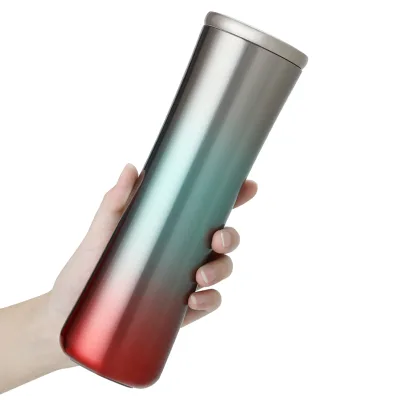
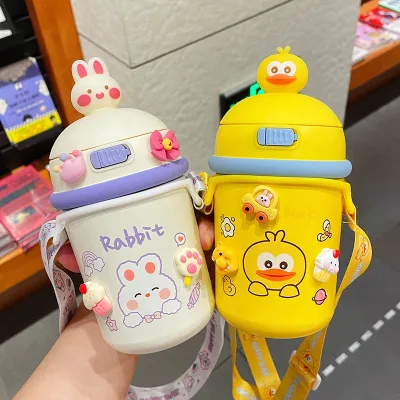


Comprehensive Sourcing Guide
Sourcing Guide for Cute Freshness Preservation Thermos Products
The global market for portable hydration solutions has evolved significantly, with a distinct surge in demand for vessels that combine aesthetic appeal with rigorous temperature retention capabilities. When sourcing a "Cute Freshness Preservation Thermos," buyers are typically navigating a complex landscape where visual design, such as bullet shapes or multicolor finishes, must coexist with high-performance engineering. This guide provides a disciplined framework for evaluating suppliers and products based on verified technical attributes, compliance requirements, and supply chain realities. The focus remains on stainless steel vacuum-insulated bottles, which represent the dominant category for freshness preservation in the current B2B environment.
Technical Architecture and Material Specifications
The core functionality of a freshness preservation thermos relies heavily on its double-wall vacuum construction. In the observed product data, the structural integrity is defined by a specific configuration: an inner wall made of Stainless Steel 304 and an outer wall constructed from Stainless Steel 201. This combination is critical for balancing food-grade safety with structural durability and cost-efficiency. The 304 grade ensures that the liquid contact surface is non-reactive and resistant to corrosion, which is essential for maintaining the purity of beverages over extended periods. The 201 outer shell provides the necessary mechanical strength to withstand drops and impacts without compromising the vacuum seal.
The manufacturing technique for these units often involves blow molding or bottle blowing processes, which allow for the creation of complex geometries like the "bullet" shape or straight body cups observed in the market. These shapes are not merely aesthetic; they influence the surface-area-to-volume ratio, which can impact heat retention rates. The mouth diameter is frequently categorized as "fine mouth," a design choice that minimizes heat loss through evaporation and prevents spills, thereby enhancing the "freshness preservation" aspect of the product. Furthermore, the inclusion of accessories such as covers is standard, ensuring that the vacuum seal remains intact when the bottle is not in active use. Buyers must verify that the specific model, such as the KT0224 or CW-802, aligns with the desired capacity, as observed ranges vary from 12 oz to 1000ml equivalents.
Compliance, Certification, and Safety Standards
In the B2B procurement of food and beverage containers, regulatory compliance is non-negotiable. The product data indicates that high-confidence suppliers typically provide certifications from LFGB (German Food and Feed Code) and FDA (U.S. Food and Drug Administration). These certifications verify that the materials used, particularly the stainless steel and any plastic components like PP (Polypropylene) lids, are safe for human consumption and do not leach harmful substances.
Beyond basic food safety, international trade often requires additional verification. The observed market includes products certified under CE/EU standards, CIQ (China Inspection and Quarantine), and EEC (European Economic Community) directives. These are not optional add-ons but rather prerequisites for entering regulated markets in Europe and North America. Buyers must ensure that the supplier can provide valid, up-to-date documentation for these specific certifications. The presence of "First Grade" quality levels in the product attributes suggests a focus on meeting these rigorous standards, but verification is essential. A product labeled as "Health Care" or "Health" must be backed by these tangible certifications rather than marketing claims alone. The absence of specific test data in the general listing means that buyers should request batch-specific test reports to confirm that the vacuum integrity and material composition meet the stated standards.
Cost Drivers and Pricing Dynamics
Understanding the cost structure of thermos production is vital for accurate budgeting. The observed price range in the market spans from $0.63 to $7.55 USD per unit. This wide variance is driven by several factors, including the thickness of the stainless steel, the complexity of the customization, and the packaging requirements. The lower end of the spectrum typically corresponds to standard, non-customized units with basic packaging, while the higher end reflects products with custom logos, intricate printing, or specialized finishes like "colored" or "printed" fancy designs.
Material costs are a primary driver. The use of 304 stainless steel for the inner wall is more expensive than lower-grade alternatives, directly influencing the base price. Additionally, the "Double Wall" and "Vacuum" features require precise manufacturing tolerances; any deviation can lead to product failure and increased waste costs. Packaging also plays a significant role. Options range from simple OPP bags to more premium "Box" or "Carton" packaging, with some suppliers offering a "Polybag + White Box" combination. The choice of packaging affects the unit cost and the shipping volume, as denser packaging reduces the number of units per container. Buyers should note that customization, such as adding a "Customerized Logo," often incurs additional tooling or setup fees, which can impact the total landed cost even if the unit price remains stable.
Supplier Evaluation and Production Capabilities
When evaluating potential suppliers, buyers must look beyond the product images and examine the operational capabilities detailed in the product attributes. The data indicates that suppliers are located primarily in Guangdong, China, a hub known for its extensive manufacturing ecosystem. However, the specific location is less important than the supplier's ability to meet specific production requirements. Key evaluation points include the "Sample Time," which varies between 3 and 5 days in the observed data. A shorter sample time suggests a more agile production line, which is beneficial for rapid prototyping and market testing.
The "MOQ" (Minimum Order Quantity) is another critical factor, with observed ranges from 1 to 5000 units. Suppliers offering an MOQ of 1 are ideal for testing new designs or small-scale pilots, while those requiring 5000 units are better suited for large-scale distribution contracts. Buyers should also assess the "Customization" capabilities. While some products are listed as "Customized" with options for logos and colors, others are marked as "Non-Customized." It is essential to clarify whether the supplier can accommodate mixed orders or if they require strict adherence to a single SKU. The "Shipping" options, including Express, Sea, and Air Cargo, indicate the supplier's logistical flexibility. A supplier offering multiple shipping methods demonstrates a robust supply chain capable of adapting to different urgency levels and budget constraints.
Quality Control and Performance Verification
Ensuring consistent quality is paramount, especially when the product is marketed for "freshness preservation." The "First Grade" quality level mentioned in the attributes is a positive indicator, but it must be validated through a structured quality control process. Buyers should verify the vacuum integrity of the bottles, as a compromised vacuum will render the double-wall insulation ineffective. This can be tested by observing condensation on the outer wall when filled with ice water or by measuring the temperature retention over a set period.
The "Leak Proof" feature is another critical performance metric. Given that the bottles are designed for "Universal" use and "Drinking," any leakage can lead to customer dissatisfaction and potential liability. Quality control protocols should include drop tests to ensure the "Bullet" or "Straight Body" shapes maintain their structural integrity. Additionally, the "Printed" or "Colored" finishes must be checked for durability and resistance to fading or peeling, especially if the bottles are intended for "Children" or "Adult" use in active scenarios. The "Sample Time" of 3 to 5 days allows for the creation of pre-production samples, which should be subjected to these rigorous tests before mass production begins.
Long-Term Procurement and Strategic Considerations
For long-term success, buyers must consider the scalability and adaptability of their supply chain. The "Applicable Scenarios" listed as "Universal" suggest that these thermos products can be marketed across various demographics, from "Children" to "Adults." However, the "Style" variations, ranging from "Simple" to "Sport," indicate that different market segments may require different product configurations. A strategic procurement plan should account for the ability to switch between these styles based on seasonal trends or regional preferences.
The "Standard" attributes, such as "Carton Sizes 50pcs/ctn" or specific dimensions like "19196cm," are crucial for logistics planning. Consistent packaging standards ensure efficient stacking in shipping containers, reducing freight costs and minimizing damage during transit. Buyers should also consider the "prod_packing" options, such as "Box" or "Carton," and how they align with retail requirements. For instance, a "White Box" might be preferred for premium retail channels, while "OPP Bag" packaging might be suitable for promotional giveaways.
Finally, the "Logo" customization options offer a significant opportunity for brand differentiation. Whether the supplier offers "Customerized Logo" services or standard printed designs, the ability to personalize the product is a key value driver. Buyers should establish clear guidelines for logo placement and color matching to ensure brand consistency. By focusing on these strategic elements, buyers can build a resilient supply chain that not only meets immediate procurement needs but also adapts to future market demands.
Summary of Key Product Attributes
To facilitate quick reference during the sourcing process, the following table summarizes the critical attributes observed in the market for Cute Freshness Preservation Thermos products.
| Attribute Category | Observed Specifications | Procurement Note |
|---|---|---|
| Material | Stainless Steel (Inner 304, Outer 201) | Verify food-grade certification for 304. |
| Structure | Double Wall, Vacuum, Leak Proof | Test vacuum integrity and seal performance. |
| Shape | Bullet, Straight Body Cup | Align shape with target demographic (Sport vs. Simple). |
| Certification | LFGB, FDA, CE/EU, CIQ, EEC | Require valid certificates for target export markets. |
| Customization | Logo, Color, Printing, Size | Confirm MOQ and setup costs for custom runs. |
| Packaging | Box, Carton, OPP Bag, Polybag | Check carton dimensions for shipping efficiency. |
| Capacity | 12 oz to 1000ml (varies by model) | Ensure capacity matches the "freshness" claim. |
| Origin | Guangdong, China | Verify factory audits for quality assurance. |
By adhering to these guidelines and focusing on the verified attributes provided, buyers can navigate the complex landscape of thermos procurement with confidence, ensuring that the final products meet both functional and aesthetic expectations while maintaining high standards of safety and quality.
FAQs
What certifications do these thermos bottles hold?
These bottles typically hold LFGB and FDA certifications to ensure food safety. Some models also include CE/EU, CIQ, and EEC standards for international trade compliance. Buyers must verify valid documentation for these specific certifications before procurement.
How is the double wall structure constructed?
The structure features an inner wall made of Stainless Steel 304 and an outer wall of Stainless Steel 201. This combination balances food-grade safety with structural durability while maintaining vacuum insulation for temperature retention during use.
Can I customize the logo and color of the bottle?
Yes, customerized logos and colored or printed finishes are available for customization. Suppliers offer options for multicolor designs, but buyers should confirm specific MOQs and setup costs for custom runs before placing a large order.
What is the typical sample time for these products?
The sample time varies between 3 to 5 days depending on the supplier and specific model requirements. This short turnaround allows for rapid prototyping and quality testing before committing to mass production of the stainless steel bottles.
Which packaging options are available for bulk orders?
Packaging options include Box, Carton, OPP Bag, or a Polybag combined with a White Box. Carton sizes are often standardized, such as 50 pieces per carton, to optimize shipping volume and reduce freight costs for international buyers.
What is the price range for these thermos bottles?
The observed price range spans from 0.63 to 7.55 USD per unit. Costs vary based on material thickness, customization complexity, and packaging choices, with higher prices reflecting custom logos or specialized finishes like colored or printed designs.
Can the bottles be used by children and adults?
Yes, these bottles are designed for both children and adults with universal applicable scenarios. The leak-proof and vacuum features ensure safety for drinking across different age groups while maintaining freshness preservation in various environments.