Source Deep Cycle Lithium Battery Pack for Solar, E-bike, Golf
Find a Deep Cycle Lithium Battery Pack from 30 verified listings. Compare options for solar systems, e-bikes, and golf carts. View specs like 12.8V to 36V nominal voltage, 15Ah to 60Ah capacity, and LiFePO4 or Li-ion types with CE and RoHS certifications.
Updated
Key considerations
Products List
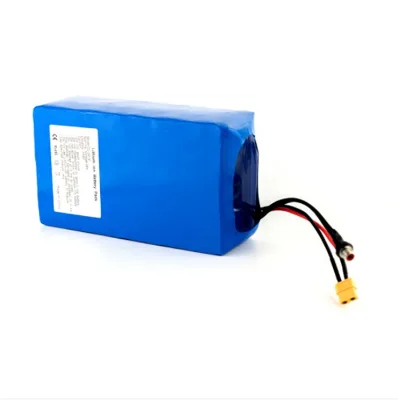
Deep Cycle 32v Lithium Battery Pack 32v 15Ah 20Ah Lifepo4 Lithium Battery Pack
$7.1772 - $8.204
MOQ: 10 pieces
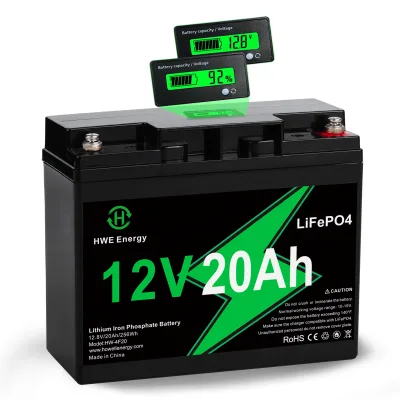

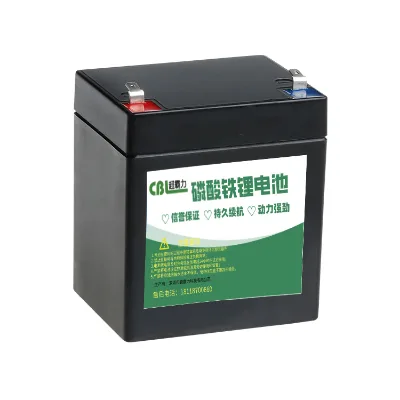


Lithium Rechargeable Battery Pack 25kwh 224V 560V Deep Cycle Lithium Batteries
$1050.00 - $1820.00
MOQ: 2 Pieces

OEM High Voltage Lithium Battery 50kwh Deep Cycle Lithium Storage Battery Pack
$7700.00 - $9200.00
MOQ: 1 Sets


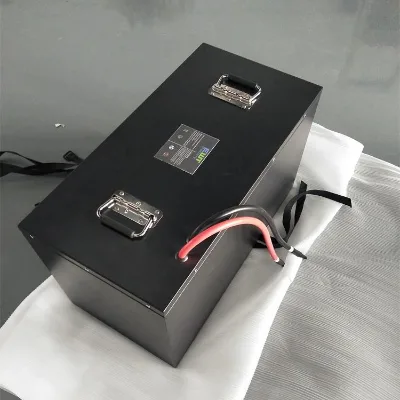
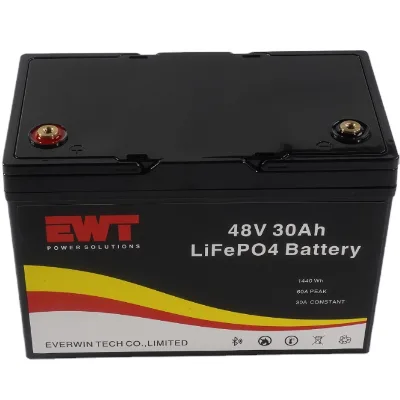
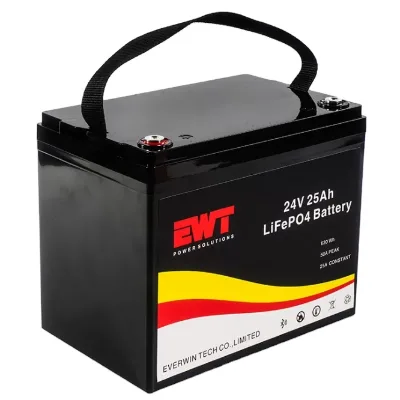
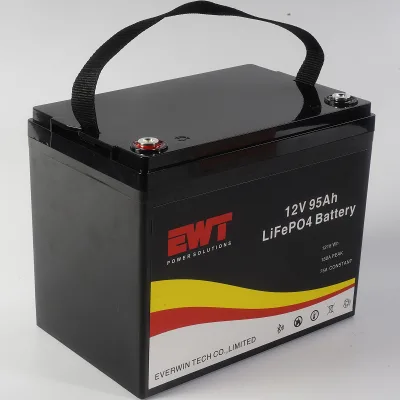
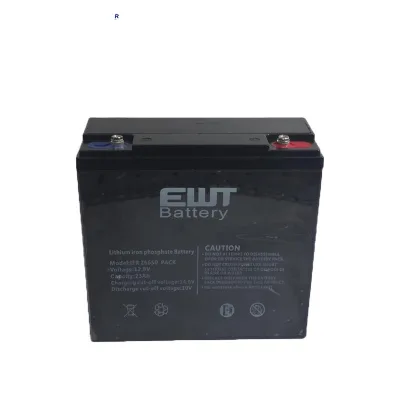
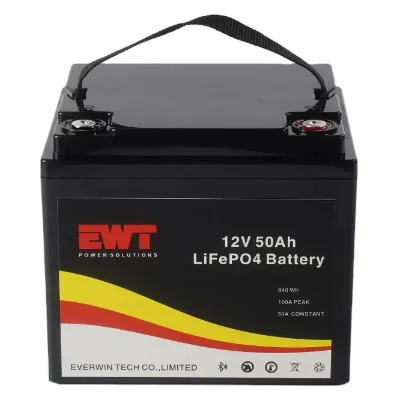

Outdoor Energy Storage System Lithium Deep Cycle Rechargeable Power Pack
$60.50 - $66.55
MOQ: 1 Pieces
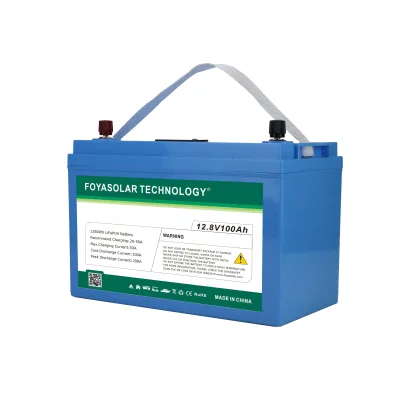


$1020.00 - $1115.00
MOQ: 4 Pieces


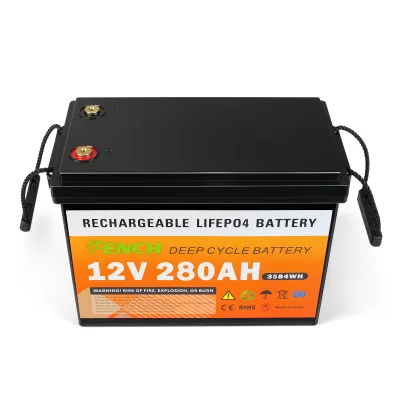

LiFePO4 Battery Pack Deep Cycle 12.8V 12ah Battery Pack for Solar Storage
$49.00 - $69.00
MOQ: 100 Pieces
Comprehensive Sourcing Guide
Deep Cycle Lithium Battery Pack Sourcing Guide
Buyers must first distinguish between specific chemistries and voltage configurations, as the market offers distinct LiFePO4 and Li-ion options with varying nominal voltages. Observed listings indicate a range from 12.8V to 36V systems, with capacities spanning from 10Ah to 60Ah depending on the intended application. Procurement teams should verify whether the supplier provides a standardized 32V LiFePO4 pack or a customized 12V 10Ah unit, as these differences dictate compatibility with solar inverters or electric bikes.
The physical form factor and energy density are equally critical, with some units utilizing 18650 cells while others are packaged in PVC or custom enclosures. Buyers should confirm the working temperature range, which typically spans from -20℃ to 80℃, to ensure reliability in extreme environments. Additionally, the cycle life varies significantly between 2000 and 4000 cycles, requiring a clear assessment of the total cost of ownership against the initial purchase price for long-term projects.
Product Scope and Observed Listing Signals
Sourcing teams should analyze the observed price range of 1 to 9200 USD to understand the variance between small consumer-grade packs and large industrial solutions. This wide disparity often reflects differences in capacity, such as the 32Wh unit versus larger 1000mAh+ rated capacities, and the inclusion of advanced features like built-in smart BMS protection. Buyers must correlate the listed price with the specific selling units, noting that some vendors offer single items while others may require bulk orders for custom configurations.
The minimum order quantity (MOQ) presents another variable, ranging from a single unit to 5000 pieces, which directly impacts inventory strategy and cash flow. Procurement officers should identify whether the supplier supports OEM/ODM services, as this flexibility is often required for brands needing specific branding or custom dimensions. Understanding these commercial signals helps in filtering suppliers who can meet both immediate replacement needs and large-scale deployment requirements without unnecessary delays.
Technical Specifications to Verify
Verification of the discharge rate and standard current is essential for ensuring the battery can handle the peak loads of the intended application. While some products specify a standard discharge current of 0.2C, others are marketed with high discharge capabilities suitable for golf carts or remote control vehicles. Buyers must confirm the specific discharge rate, such as medium discharge rates, to prevent premature degradation when powering high-demand equipment like e-bikes or solar systems.
Capacity and voltage consistency are paramount, with observed nominal capacities including 10Ah, 15Ah, 20Ah, and up to 60Ah options. The nominal voltage also varies, with listings showing 12.8V, 32V, and 36V configurations, requiring precise matching to the system architecture. Additionally, the rechargeable nature and electrolyte type, typically Li-ion, must be confirmed to ensure the battery chemistry aligns with the safety and performance expectations of the end-user environment.
Compliance and Safety Documentation
Safety certifications are non-negotiable for deep cycle lithium batteries, with CE and RoHS being the most commonly observed standards in the supply chain. Buyers should request proof of these certifications to ensure the product meets international safety requirements for electrical equipment and hazardous substances. The presence of a built-in smart BMS is a critical safety feature that should be verified alongside these certifications to guarantee protection against overcharging, short circuits, and thermal runaway.
Beyond basic certifications, the product standard documentation, such as CE and SGS, provides an additional layer of assurance regarding manufacturing quality and material safety. Procurement teams must ensure that the supplier can provide test reports or compliance certificates that match the specific model number and battery size. This documentation is vital for customs clearance and for meeting the regulatory requirements of the destination market, particularly for applications involving solar systems or electric mobility.
Cost Drivers and Commercial Terms
The total cost of ownership is heavily influenced by the cycle life and service life, which can range from 3 to 8 years depending on usage patterns and maintenance. A battery with a 4000-cycle life may have a higher upfront cost but offers better long-term value compared to a 2000-cycle unit, especially for high-utilization applications like golf carts or solar storage. Buyers should calculate the cost per cycle to make an informed decision that balances initial expenditure with long-term performance reliability.
Warranty terms and customization availability also play a significant role in the commercial negotiation process. Most observed listings offer a one-year warranty, which serves as a baseline for supplier confidence in product durability. However, the availability of customization for size, color, and branding can add value for specific projects. Buyers should clarify the lead times and whether the factory, often located in Shenzhen or Guangdong, can accommodate urgent orders without compromising on quality control standards.
Supplier Qualification and Quality Control
Supplier location and factory capabilities are key indicators of supply chain stability, with many manufacturers based in Shenzhen and Guangdong, China. These regions are known for their robust electronics manufacturing ecosystems, but buyers should verify the specific factory address and production capacity to ensure they can meet volume requirements. The presence of a dedicated factory rather than a trading company often implies better control over the manufacturing process and quality assurance protocols.
Quality control extends to the physical characteristics of the battery, such as weight, which ranges from 6 to 30KG, and the connection mode, which supports series and parallel configurations. Buyers should request samples to verify the build quality, including the packaging type and color consistency, before committing to a large order. Establishing a clear communication channel with the supplier regarding their quality control procedures ensures that any deviations from the agreed specifications are identified and resolved promptly.
Long-Term Procurement Checks
Establishing a reliable supply chain requires ongoing monitoring of the battery's performance over its service life, which is typically cited as 3 to 8 years. Buyers should implement a schedule for regular performance checks to ensure the battery maintains its nominal capacity and voltage output over time. This proactive approach helps in identifying potential degradation early, allowing for timely replacements or adjustments to the charging strategy to maximize the lifespan of the asset.
Finally, the ability of the supplier to support future orders and provide consistent product specifications is crucial for long-term procurement success. Buyers should verify that the supplier can maintain the same quality standards and certification levels for subsequent batches, especially if the initial order was customized. Building a partnership based on transparent communication and shared quality goals ensures that the Deep Cycle Lithium Battery Pack remains a reliable component of the broader system for years to come.
FAQs
What is the cycle life of a Deep Cycle Lithium Battery Pack?
The cycle life typically ranges from 2000 to 4000 cycles depending on the specific model and usage conditions. Higher quality packs often feature LiFePO4 chemistry which supports extended durability. This longevity ensures reliable performance for applications like solar systems and e-bikes over several years of regular use.
Can I customize the capacity and voltage of these battery packs?
Yes, customization is available for nominal capacity and voltage to meet specific project requirements. Manufacturers offer options such as 12.8V, 36V, or 32V configurations with capacities ranging from 10Ah to 60Ah. This flexibility allows buyers to tailor the battery size and energy output for unique industrial or consumer applications.
What certifications do deep cycle lithium battery packs usually have?
Most reputable deep cycle lithium battery packs carry CE and RoHS certifications to ensure safety and environmental compliance. Some products may also include SGS standards verification. These certifications indicate that the batteries meet international regulatory requirements for electrical safety and material restrictions, providing assurance for global sourcing and deployment.
What is the operating temperature range for these lithium battery packs?
The working temperature generally spans from -20°C to 80°C for discharge, with charging often limited to 0°C to 45°C. This wide range allows operation in diverse climates. The built-in smart BMS helps manage thermal conditions, ensuring safe performance whether used in cold environments or high-temperature industrial settings.
What is the typical warranty period for a Deep Cycle Lithium Battery Pack?
The standard warranty period is usually one year for most deep cycle lithium battery packs. This coverage protects against manufacturing defects and ensures product reliability. Buyers should verify specific warranty terms with suppliers, as some may offer extended options. A one-year warranty is common for applications like golf carts and remote control devices.
How does the BMS protect the Deep Cycle Lithium Battery Pack?
The built-in smart BMS provides essential protection against overcharging, over-discharging, and short circuits. It monitors cell balance and temperature to prevent damage during operation. This intelligent management system extends the service life of the battery pack and ensures safe usage in high-discharge applications, making it suitable for demanding power requirements.