2375mAh Intelligent Flight Battery Suppliers and Manufacturers
Find 22 verified sources for the 2375mAh Intelligent Flight Battery with options from Guangdong and Fujian. Compare response times, lead times, and certifications like IEC 62133 before requesting quotes; review the available evidence before requesting comparable quotations from suitable candidates.
Updated
Suppliers List
Shenzhen Pioneer Times Trading Co., Ltd.
- Manufacturer, Trading Company
- Guangdong, China
- Lead time15 days
- Avg. response≤ 9h
Main productsDJI Drones,Stabilizer,Toys drones,DJI accessories,Underwater robot
Main marketsCentral America(30.00%), North America(25.00%), Northern Europe(20.00%), Western Europe(15.00%), South America(10.00%)
Ccrosy (Quanzhou) Import & Export Co., Ltd.
- Trading Company
- Fujian, China
- Lead time3 days
- Avg. response≤ 4h
Main productsdrone lithium battery,Solid State Battery,High Voltage Drone Battery,Battery Pack,lipo battery
Main marketsNorth America(50.00%), Mid East(10.00%), Oceania(10.00%), South Asia(5.00%), Northern Europe(5.00%), Western Europe(5.00%), Eastern Europe(5.00%), South America(5.00%), Southeast Asia(5.00%)
Dongguan Juhai Electronic Technology Co., Ltd.
- Verified by TüVRheinland
- Manufacturer, Trading Company
- Lead time0 days
- Avg. response≤ 2h
Main productsFPV Drone Batteries, RC Car Lipo Batteries, RC Heli Lipo Battery, RC Boat Batteries, High-Capacity Lithium-Ion Batteries
Main marketsDomestic Market(30%), North America(20%), Northern Europe(15%)

Padi Fly Technology Company Limited
- Verified by CTI
- Trading Company,Manufacturer/Factory
- China Guangdong
- Lead time15 days
- Avg. response≤ 2h
Main productsAnti-Drone Modules, Fpv Drones, Drone Detections, Drone Optical Fiber, Anti Fpv Module, Drone Defense, Fpv Drone Jammer, Fpv Suppressor, Antenna, Drone Accessories
Main marketsSouth America,Eastern Europe,Mid East,North America,Southeast Asia,Eastern Asia,Western Europe
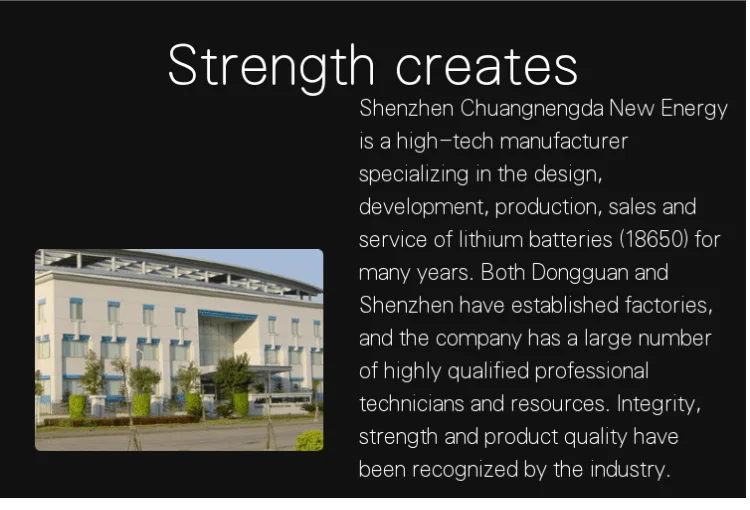
Dongguan Chuangnengda New Energy Co., Ltd.
- Manufacturer, Trading Company
- Guangdong, China
- Lead time0 days
- Avg. response≤ 6h
Main productslithium battery,Power Tool Battery,scooter battery,Vacuum cleaner battery,Bicycle battery
Main marketsNorthern Europe(50.00%), Western Europe(30.00%), Eastern Europe(10.00%), South America(5.00%), South Asia(4.00%), Eastern Asia(1.00%)

Guangzhou Gongdi Electronic Tech Limited
- Manufacturer, Trading Company
- Guangdong, China
- Lead time0 days
- Avg. response≤ 3h
Main productsBattery,Mobile phone battery,Consumer battery,Power Inverter,Power station
Main marketsNorth America(20.00%), South America(15.00%), Southeast Asia(10.00%), Eastern Europe(10.00%), Central America(8.00%), Mid East(8.00%), Northern Europe(5.00%), Oceania(5.00%), Western Europe(5.00%), Southern Europe(5.00%), Africa(5.00%), South Asia(2.00%), Domestic Market(1.00%), Eastern Asia(1.00%)

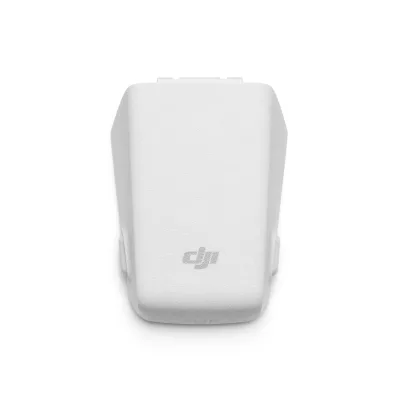
Suitable for the DJI Air 3 Intelligent Flight Battery, Providing up to 46 Minutes of Flight Time.
$189.479 - $237.6847
MOQ: 1 pieces
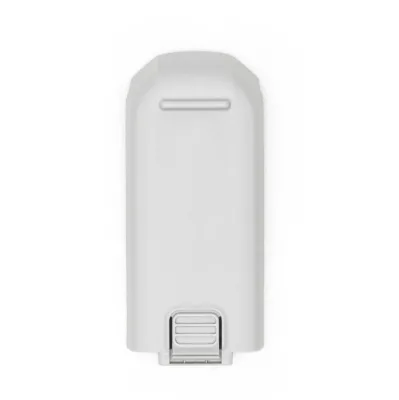
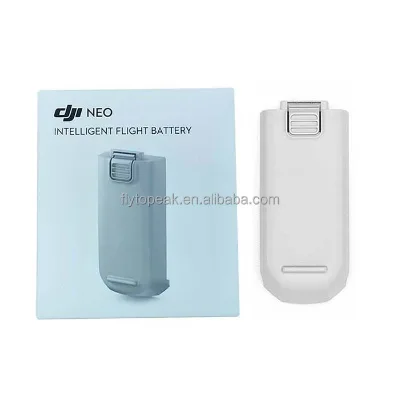
For DJI Neo Intelligent Flight Battery, Neo Drone Battery, Genuine DJI Drone Photography Accessory.
$57.7569 - $64.7151
MOQ: 2 bags
Shenzhen Bostai Trading Co., Ltd.
- Manufacturer, Trading Company, Buying Office
- Guangdong, China
- Lead time5 days
- Avg. response≤ 2h
Main productsODM,OEM,Acrylic markers,permanent markers,paint pens
Main marketsMid East(80.00%), South Asia(80.00%), Africa(80.00%), Southeast Asia(80.00%), Central America(80.00%), South America(80.00%), North America(80.00%), Oceania(50.00%), Southern Europe(50.00%), Northern Europe(50.00%), Eastern Europe(50.00%), Western Europe(50.00%), Eastern Asia(50.00%), Domestic Market(6.00%)

Taixing Shengya Electronic Technology Co., Ltd.
- Verified by BV
- Combined
- China Jiangsu
- Lead time15 days
- Avg. response≤ 3h
Main productsSolid-State Lithium-Ion Battery, Terminal Block
Main marketsSoutheast Asia/ Mideast,Domestic
Chongqing Dolan Trading Co., Ltd.
- Trading Company
- Chongqing, China
- Lead time0 days
- Avg. response≤ 4h
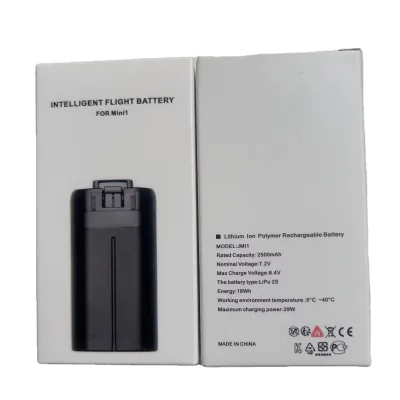
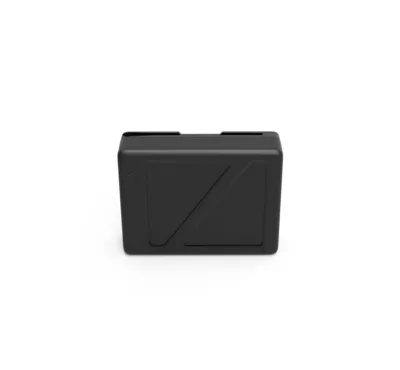
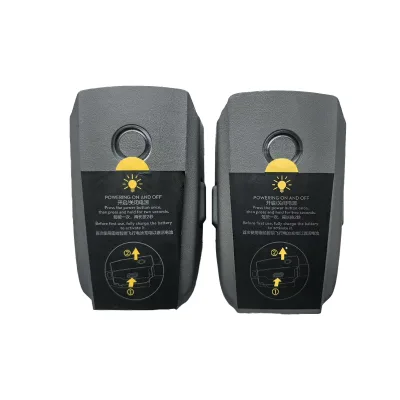
New Battery for Mavic 2 Mavic 3 Mavic 3 Pro 3850mAh Max 47min Intelligent Flight Battery Replacement
$58.3246 - $91.0679
MOQ: 1 Minimum
Shenzhen Joy Battery Technology Co., Ltd.
- Manufacturer
- Guangdong, China
- Lead time7 days
- Avg. response≤ 1h
Main productsLithium battery,Li-polymer battery,Ebike battery,18650 battery,LiFePO4 battery
Main marketsWestern Europe(20.00%), North America(20.00%), Central America(10.00%), Eastern Europe(10.00%), Southern Europe(10.00%), Oceania(10.00%), Northern Europe(10.00%), Eastern Asia(5.00%), Southeast Asia(5.00%)

14.76V 4241mAh Rechargeable Air 3 Intelligent Flight Battery 3S Drone Accessory
$100.6506 - $106.7819
MOQ: 2 pieces
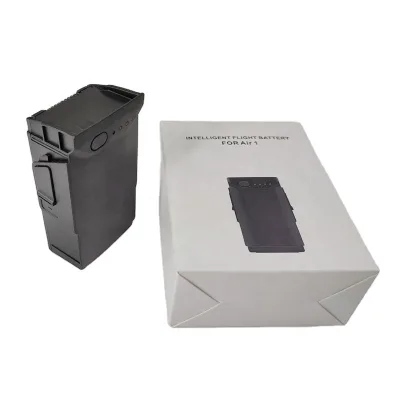
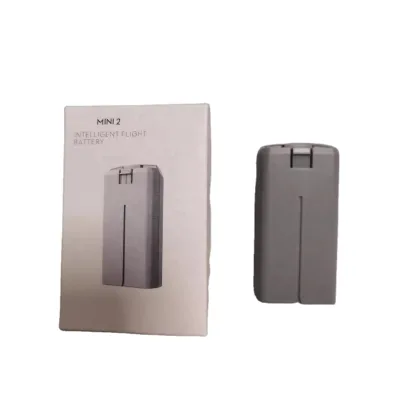
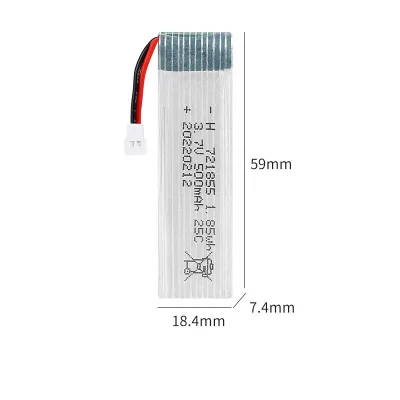
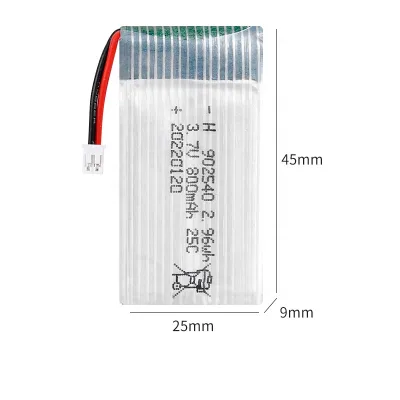
902540 3.7v 800mah 25C Li-po Batteries Quadcopter Drone Rechargeable Lithium Battery Pack Toys
$1.90 - $2.30
MOQ: 10 pieces
- Trading Company
- Chongqing, China
- Lead time10 days
- Avg. response≤ 4h
Main productsConsumer Drone,Professional Drone,Commercial Drone,RC Toys
Main marketsNorth America(20.00%), Eastern Europe(15.00%), Western Europe(15.00%), Domestic Market(10.00%), South America(10.00%), Mid East(10.00%), Oceania(10.00%), Southeast Asia(10.00%)
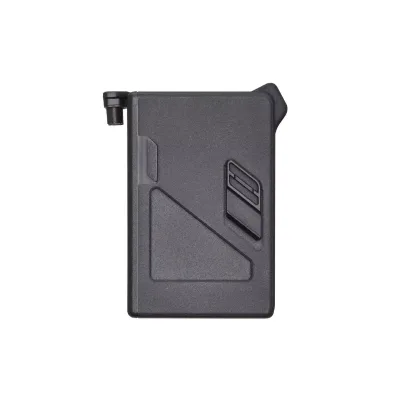
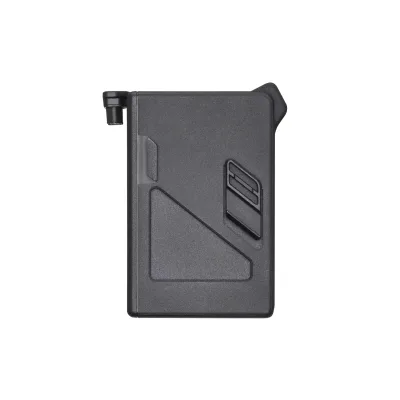
Original 2000mAh FPV Intelligent Flight Battery for DJI Fpv Battery
$116.4306 - $129.944
MOQ: 1 pieces
$2.4118 - $3.712
MOQ: 1 Minimum
7.4V 3000mAH Battery 5000mAh Drones Battery AE3 Pro Max Drone Battery 25-28 Minutes
$11.00 - $12.00
MOQ: 1 pieces
Shenzhen Jiaying Shidai Technology Co., Ltd.
- Verified by Intertek
- Manufacturer, Trading Company
- Lead time30 days
- Avg. response≤ 2h
Main productsDrone Battery, Home energy storage system
Main marketsSoutheast Asia(20%), South Asia(20%), Western Europe(10%)
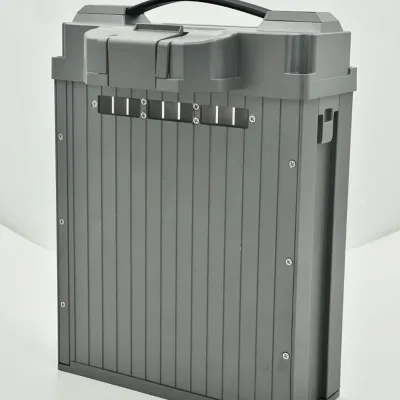
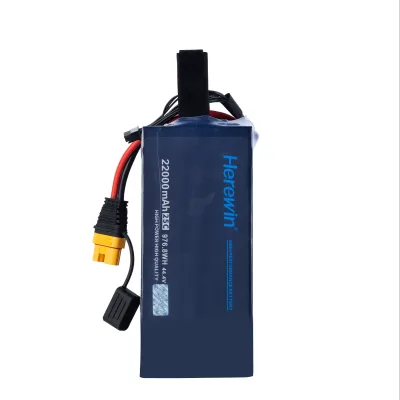
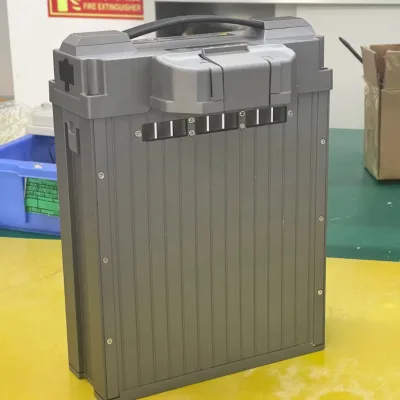
Smart 14S 53.2V 30000mAh Lithium Battery for Heavy Duty UAVs, Mapping and Inspection Drones
$371.00 - $414.00
MOQ: 2 pieces
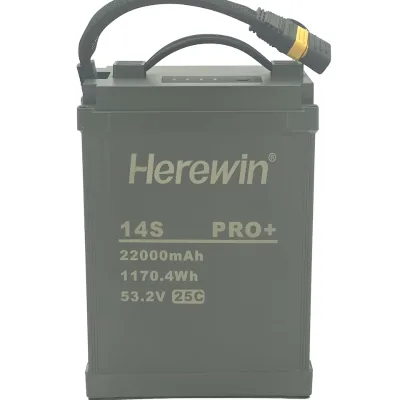
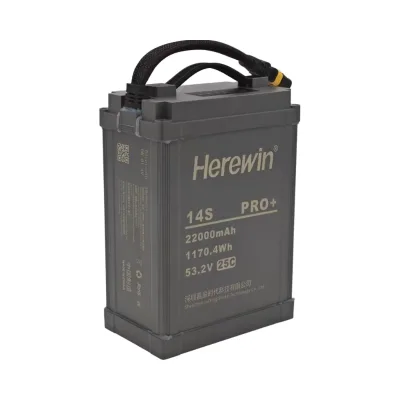
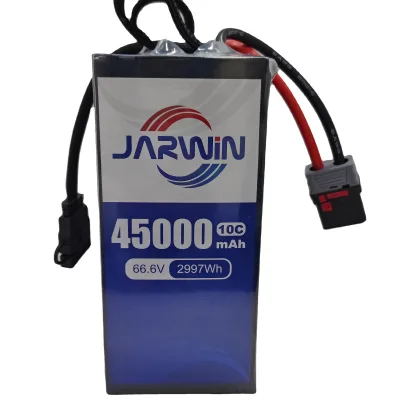
Ultra-Powerful 18S 68.4V 30Ah Smart Battery Pack for Industrial UAV and Automation
$600.00 - $642.00
MOQ: 2 pieces
Shenzhen Huaxunneng Technology Co., Ltd.
- Manufacturer, Trading Company, Distributor/Wholesaler
- Lead time旺季: "1 - 1":7,"> 1":"To be negotiated", 淡季: "1 - 1":7,"> 1":"To be negotiated"
- Avg. response≤ 14h
Main productsFPV drone kits,Blushless motor,FPV camera,FPV Transmitter&Receiver,Flight Controller
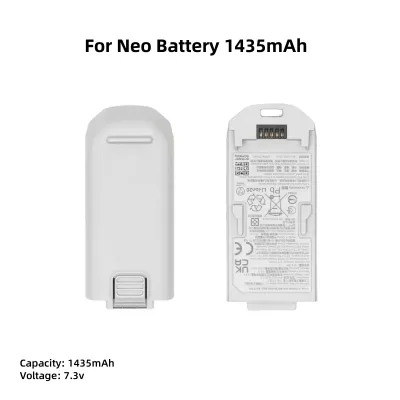
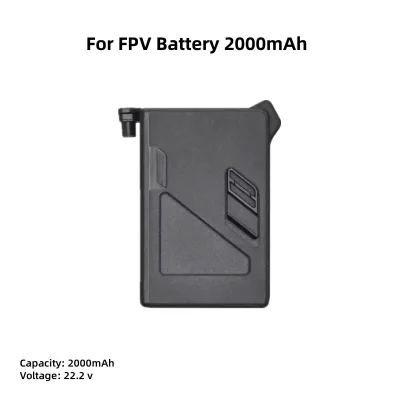
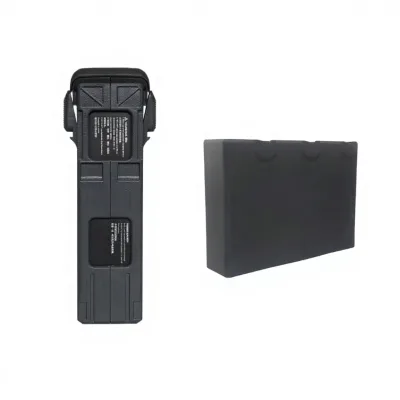
$84.6295 - $135.4102
MOQ: 1 Minimum
Shenzhen Feiji Technology Co., Ltd.
- Trading Company, Agent, Distributor/Wholesaler
- Guangdong, China
- Lead time7 days
- Avg. response≤ 8h
Main productsDJI Camera Drone,DJI Enterprise Drone,DJI Agriculture Drone,Autel Robotics Drone,Dashcam
Main marketsSouth America(20.00%), North America(20.00%), Western Europe(10.00%), Mid East(10.00%), Northern Europe(10.00%), Southeast Asia(10.00%), Eastern Europe(10.00%), Southern Europe(5.00%), Oceania(5.00%)
Chengdu Blackhouse Technology Co., Ltd.
- Trading Company
- Sichuan, China
- Lead time1 days
- Avg. response≤ 1h
Main productsFPV drone,FPV parts,Agricultral Drone PARTS,FPV Cameras,lipo battery
Main marketsNorth America(30.00%), Southeast Asia(20.00%), Northern Europe(20.00%), Eastern Europe(20.00%), Mid East(10.00%)
Shenzhen Longkun Battery Co., Ltd.
- Verified by TüVRheinland
- Trading Company
- Lead time7 days
- Avg. response≤ 2h
Main productsBattery Pack, Lithium Battery, Home Energy Storage Battery, Industrial And Commercial Energy Storage Battery, Drone Battery Pack
Main marketsWestern Europe(25%), North America(20%), South America(10%)
- Verified by SGS Group
- Trading Company
- Lead time30 days
- Avg. response≤ 5h
Main productsHybrid Car Battery, Two way radio Battery, Battery, Sodium-ion Battery, Battery pack
Main marketsNorth America(30%), Eastern Europe(12%), Western Europe(10%)
Shenzhen IMR Technology Co., Ltd.
- Verified by SGS Group
- Manufacturer, Trading Company
- Lead time3 days
- Avg. response≤ 2h
Main productsBattery/Lifepo4 Battery/Battery Pack/Portable Energy Storage, E-Bike
Main marketsNorth America(84%), South America(2%), Eastern Europe(2%)
Dongguan Youli Electronic Technology Limited
- Verified by SGS Group
- Manufacturer, Trading Company
- Lead time7 days
- Avg. response≤ 2h
Main productsLithium Ion Battery, LiFePO4 Battery, Li-Polymer Battery, Solar Storage Battery, EV Battery
Main marketsNorth America(25%), Western Europe(20%), Eastern Europe(15%)
Shenzhen Fengfei Electronics Co., Ltd.
- Manufacturer, Trading Company, Distributor/Wholesaler
- Guangdong, China
- Lead time10 days
- Avg. response≤ 13h
Main productsElectronics,Drone accessories,FPV accessories,battery
Main marketsEastern Europe(50.00%), South Asia(5.00%), Southern Europe(5.00%), North America(5.00%), Northern Europe(5.00%), Western Europe(5.00%), Eastern Asia(5.00%), Mid East(5.00%), Africa(5.00%), Southeast Asia(5.00%), South America(5.00%)
Dongguan Pengyou Electronic Technology Co., Ltd.
- Manufacturer, Trading Company
- Guangdong, China
- Lead time5 days
- Avg. response≤ 9h
Main productsLithium battery,Lithium iron phosphate battery,Battery pack,12V lithium battery,Energy storage battery
Main marketsNorthern Europe(20.00%), Eastern Europe(20.00%), Southeast Asia(18.00%), Western Europe(10.00%), Southern Europe(7.00%), South America(5.00%), North America(5.00%), Eastern Asia(5.00%), Africa(5.00%), Mid East(3.00%), South Asia(2.00%)
Shenzhen Gpr Technology Co., Ltd.
- Manufacturer
- Guangdong, China
- Lead time15 days
- Avg. response≤ 4h
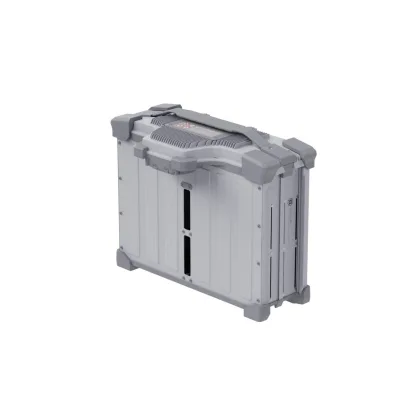
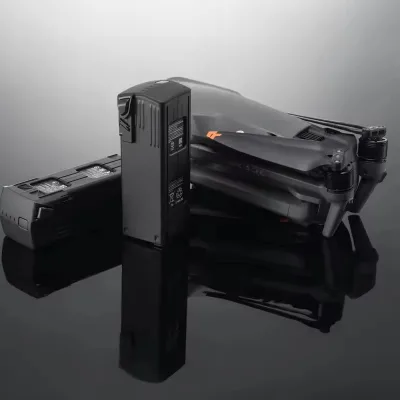
Main productsSoftcase Battery,Ultra-high Voltage Battery,Semi Solid Lipo Battery,Smart Battery,Racing FPV Battery
Main marketsNorth America(40.00%), Northern Europe(15.00%), Eastern Europe(15.00%), Southern Europe(10.00%), Western Europe(10.00%), South Asia(5.00%), Domestic Market(5.00%), Mid East(3.00%)
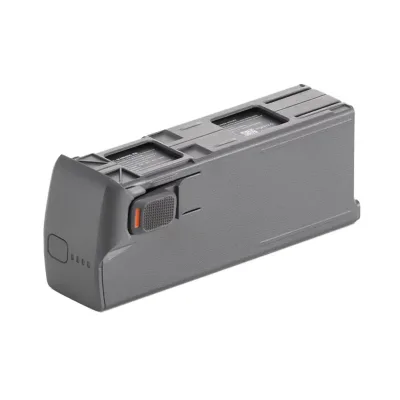
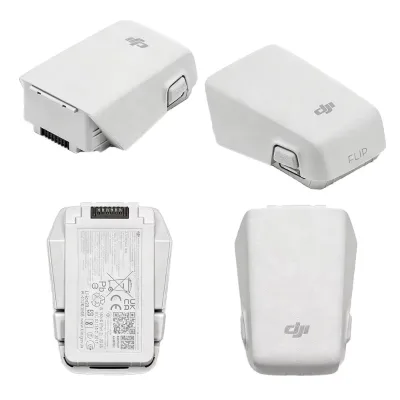
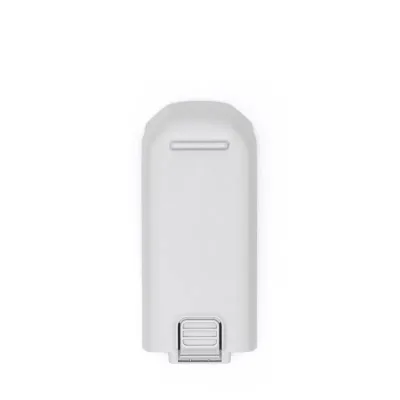
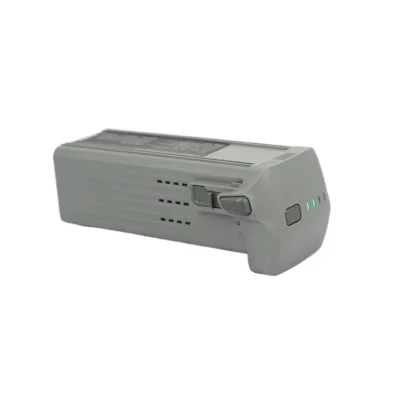
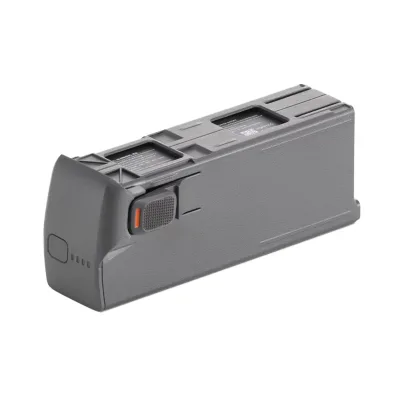
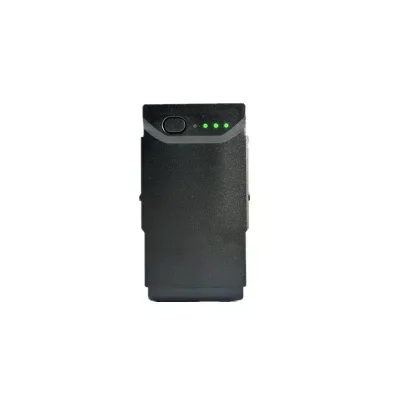
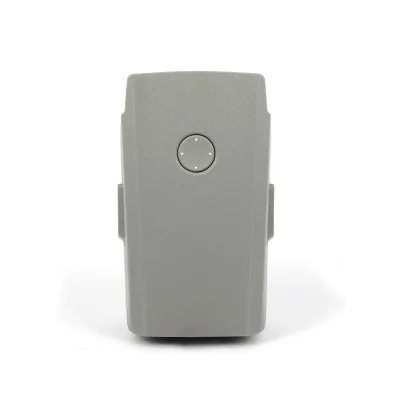


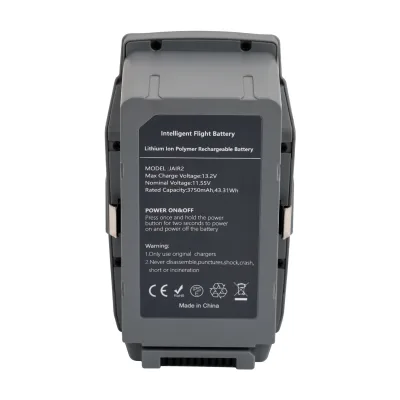
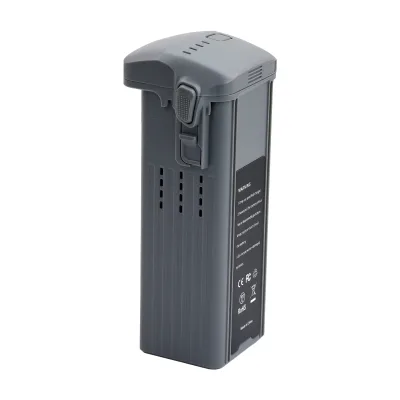
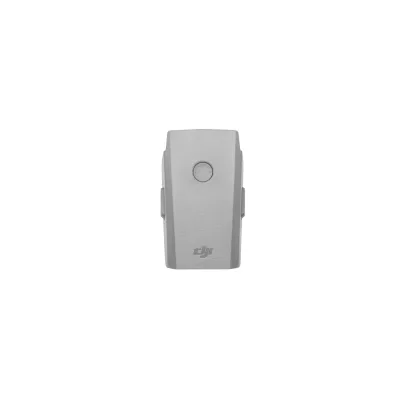
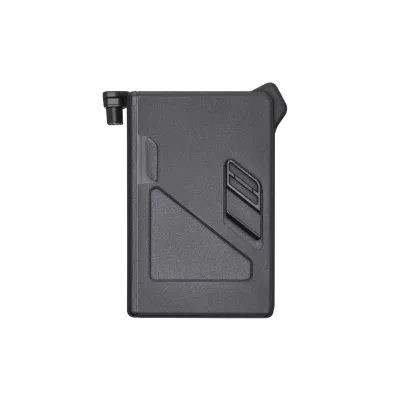
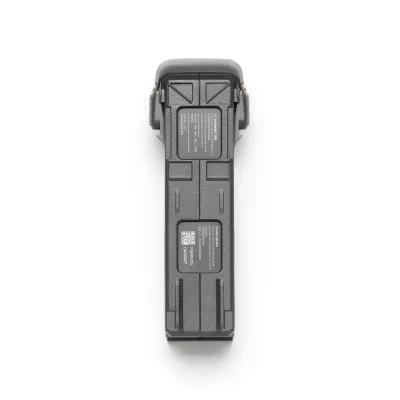


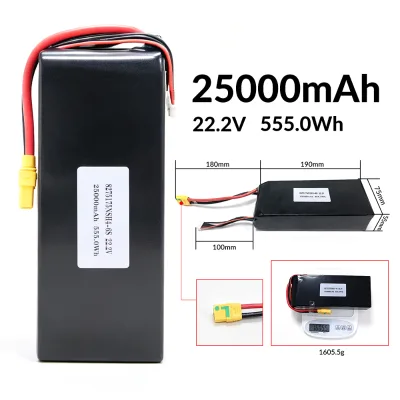
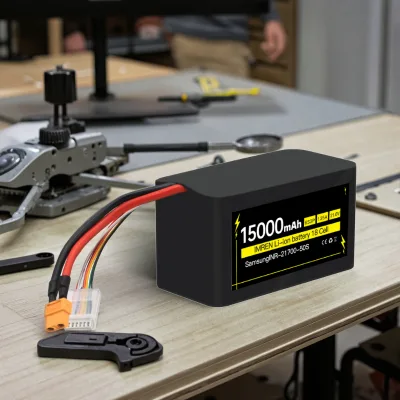
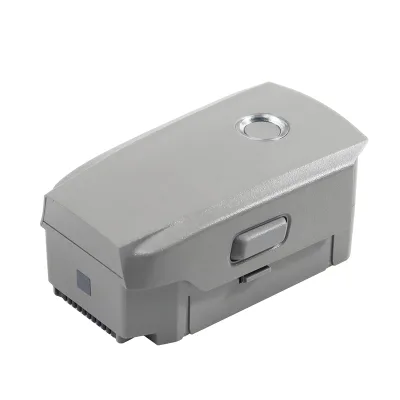
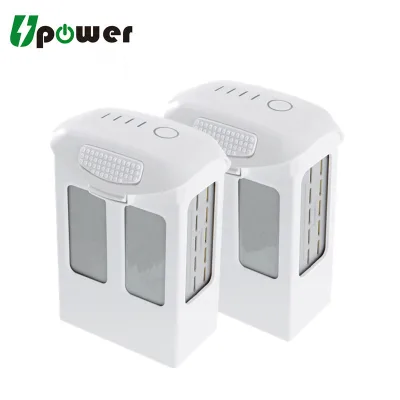
Comprehensive Sourcing Guide
2375mAh Intelligent Flight Battery Supplier Concentration and Factory Types
The sourcing landscape for 2375mAh intelligent flight batteries reveals a distinct concentration of manufacturing and trading entities within specific Chinese provinces, primarily Guangdong and Fujian. Buyers evaluating this category will encounter a mix of company types, ranging from direct manufacturers to specialized trading companies. In Guangdong, suppliers often list a diverse array of main products that includes DJI drones, stabilizers, toys, and various accessories, indicating a robust ecosystem for drone-related components. This region hosts entities that produce specialized items like the DB2160 Intelligent Flight Battery for Agras 100 models, suggesting a capability for industrial-grade applications alongside consumer electronics. The presence of manufacturers in this cluster implies that buyers may have access to facilities capable of handling private molds, as evidenced by product attributes for other battery types in the same region. Conversely, suppliers in Fujian appear to focus more narrowly on battery-specific solutions, listing main products such as drone lithium batteries, solid-state batteries, and high-voltage drone batteries. This specialization suggests that Fujian-based trading companies may offer streamlined procurement for battery-centric needs, potentially providing faster turnaround times for standard replacement parts. Understanding this geographic and structural distribution allows buyers to align their sourcing strategy with the specific operational model of the supplier, whether they require the broad inventory of a trading company or the production flexibility of a manufacturer.
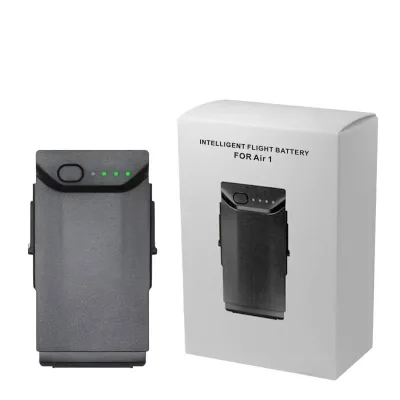
Identifying the correct factory type is crucial for managing expectations regarding customization and volume. Suppliers in Guangdong often display attributes such as "private mold: No" for certain items, which indicates a preference for standard, off-the-shelf inventory rather than bespoke manufacturing for every order. This is particularly relevant for buyers seeking immediate availability of compatible batteries for models like the DJI Air 1, where the product name explicitly states compatibility rather than original equipment manufacturer branding. In contrast, some suppliers in the same region may offer "private mold: Yes" for other battery types, such as those for the Mavic 3 series, highlighting a tiered approach to manufacturing capabilities within the same geographic cluster. Buyers must carefully review the company type listed for each supplier to determine if they are engaging with a manufacturer who controls the production line or a trading company that aggregates inventory from multiple sources. This distinction directly impacts the ability to negotiate custom specifications, such as specific battery capacities or casing materials, and influences the reliability of supply chains for large-scale orders. By recognizing these differences, buyers can better assess which suppliers are best suited for their specific volume requirements and customization needs, ensuring a more efficient sourcing process.
How to Verify 2375mAh Intelligent Flight Battery Suppliers
Verification of suppliers dealing in 2375mAh intelligent flight batteries requires a multi-layered approach that goes beyond basic profile reviews. Buyers should prioritize suppliers who have undergone third-party verification processes, such as those conducted by TüVRheinland, which adds a layer of credibility to the supplier's operational claims. This verification status is a critical indicator of a supplier's legitimacy and financial stability, providing assurance that the entity is a recognized business rather than a transient online seller. Additionally, buyers must scrutinize the system certifications listed by the supplier, particularly those related to battery safety and international standards. Certifications such as IEC 62133, UN38.3, MSDS, EN IEC 61000, FCC, RoHS, and CE are essential for ensuring that the batteries meet global safety and environmental regulations. These certifications are not merely formalities; they are prerequisites for shipping lithium-ion batteries across international borders and for ensuring the product's reliability in real-world applications. Buyers should request copies of these certificates and verify their validity, as the absence of such documentation can lead to significant logistical and legal complications. Furthermore, the presence of a Declaration of Conformity alongside these certifications indicates a higher level of compliance and quality control within the supplier's manufacturing or sourcing process.
Beyond certifications, buyers should evaluate the supplier's response time and lead time as indicators of operational efficiency and customer service quality. Suppliers with a response time of two to four hours demonstrate a high level of engagement and readiness to address buyer inquiries promptly, which is crucial for resolving technical questions about battery compatibility and specifications. Similarly, lead times ranging from zero to fifteen days provide insight into the supplier's inventory management and production capabilities. A lead time of zero days may indicate that the supplier maintains significant stock of popular items, such as the 2375mAh battery for the DJI Air 1, allowing for immediate shipment. In contrast, a lead time of fifteen days might suggest a manufacturing process that requires additional time for production or quality assurance. Buyers should also consider the supplier's main products to ensure alignment with their specific needs. For instance, a supplier listing FPV drone batteries and RC car lipo batteries as main products may have specialized expertise in high-capacity lithium-ion cells, whereas a supplier focusing on DJI accessories may offer a broader range of compatible parts. By combining verification status, certification checks, and operational metrics, buyers can build a comprehensive profile of each supplier, reducing the risk of engaging with unreliable partners and ensuring a smoother procurement experience.
What to Compare Across 2375mAh Intelligent Flight Battery Suppliers
When comparing suppliers for 2375mAh intelligent flight batteries, buyers must analyze a range of product attributes and commercial terms to identify the best fit for their requirements. One of the primary factors is the compatibility and model specificity of the battery. Suppliers offer batteries designed for specific drone models, such as the DJI Air 1, Avata 2, or Neo, and buyers must ensure that the product's compatible model matches their equipment. The product name and keywords often provide clear indications of compatibility, such as "Compatible with Air 1 Drone Intelligent Flight Battery" or "Intelligent Flight Battery for Avata 2 FPV Drone Battery Accessories." Buyers should also examine the material composition, with options ranging from ABS lipo to plastic casings, which can affect the battery's durability and weight. Additionally, the battery capacity, such as 2375mAh or 3110mAh, is a critical specification that influences flight time and performance. Suppliers may also provide details on the operating temperature range, cycle life, and cathode materials, which are important for assessing the battery's longevity and suitability for different environmental conditions. By carefully comparing these technical specifications, buyers can select batteries that not only fit their drones but also meet their performance expectations.
In addition to technical specifications, buyers should compare the pricing, minimum order quantity (MOQ), and packaging details offered by different suppliers. Pricing for 2375mAh intelligent flight batteries can vary significantly, with some suppliers offering fixed prices around $37.00, while others may have different price points for similar products. Buyers should also consider the MOQ, which can range from two units for smaller orders to larger quantities for bulk purchases. Packaging dimensions and weight are also important factors, as they impact shipping costs and logistics. For example, a battery with a single package size of 25x25x15 cm and a gross weight of 2.000 kg will have different shipping implications compared to a larger, heavier battery. Suppliers may also offer different color options or branding, such as "Coffee" color or specific brand names like "JH," which may be relevant for buyers seeking specific aesthetic or branding requirements. By systematically comparing these commercial and logistical details, buyers can optimize their procurement strategy, balancing cost, quantity, and convenience to achieve the best overall value. This comprehensive comparison ensures that buyers make informed decisions based on a holistic view of each supplier's offerings.
Common 2375mAh Intelligent Flight Battery Sourcing Risks
Sourcing 2375mAh intelligent flight batteries involves several inherent risks that buyers must proactively manage to ensure a successful procurement process. One significant risk is the potential for compatibility issues, where a battery listed as compatible with a specific drone model may not function correctly due to subtle differences in firmware or hardware revisions. Buyers must verify the exact model number and compatible brand, such as "For DJI Air1" or "For DJI Avata 2," to minimize the chance of receiving an incompatible product. Another risk is the variability in battery quality and performance, which can be influenced by the materials used and the manufacturing standards employed by the supplier. Batteries made from different materials, such as ABS lipo or standard plastic, may have varying levels of durability and safety, affecting their lifespan and reliability. Buyers should be cautious of suppliers who do not provide detailed specifications on battery capacity, cycle life, or operating temperature, as these omissions can indicate a lack of transparency or quality control. Additionally, the risk of receiving counterfeit or non-genuine batteries is a concern, particularly when dealing with third-party manufacturers. Buyers should prioritize suppliers who offer genuine accessories or clearly label their products as compatible replacements to avoid potential safety hazards and performance issues.
Logistical and compliance risks also pose significant challenges in the sourcing of intelligent flight batteries. Shipping lithium-ion batteries internationally requires strict adherence to safety regulations, including UN38.3 testing and MSDS documentation. Suppliers who lack these certifications may face difficulties in shipping their products, leading to delays or additional costs for the buyer. Buyers must ensure that their chosen supplier has the necessary documentation to facilitate smooth customs clearance and transportation. Furthermore, the risk of supply chain disruptions cannot be overlooked, as lead times can vary based on production capacity and inventory levels. Suppliers with longer lead times, such as fifteen days, may be more susceptible to delays due to raw material shortages or production bottlenecks. Buyers should also consider the risk of poor customer service, which can be indicated by slow response times or unhelpful communication. Suppliers with response times exceeding four hours may struggle to address urgent inquiries or resolve issues promptly, leading to frustration and potential project delays. By identifying and mitigating these risks through careful supplier selection and due diligence, buyers can protect their interests and ensure a reliable supply of 2375mAh intelligent flight batteries.
2375mAh Intelligent Flight Battery Regional Sourcing and Logistics
Regional sourcing plays a pivotal role in determining the efficiency and cost-effectiveness of procuring 2375mAh intelligent flight batteries. Suppliers located in Guangdong, China, often benefit from a well-established manufacturing ecosystem that supports the production of a wide range of drone accessories and batteries. This region's infrastructure facilitates rapid production and shipping, making it an attractive option for buyers seeking quick turnaround times. Suppliers in Guangdong may offer products with specific attributes, such as a single package size of 56x56x56 cm for larger batteries or 25x25x15 cm for standard models, which can influence packaging and shipping strategies. Additionally, the presence of manufacturers in this region allows for greater flexibility in customization, including the option for private molds for certain battery types. Buyers sourcing from Guangdong should consider the logistical advantages of this cluster, such as proximity to major ports and transportation networks, which can reduce shipping times and costs. However, buyers must also be aware of the competitive nature of this market, which may require careful negotiation to secure favorable terms and pricing.
In contrast, suppliers in Fujian, China, offer a different sourcing dynamic, often focusing on specialized battery products and trading services. These suppliers may provide faster response times, such as two to four hours, and shorter lead times, potentially as low as zero days for in-stock items. This efficiency can be particularly beneficial for buyers who need immediate replacements or have urgent project deadlines. The main products listed by Fujian-based suppliers, such as drone lithium batteries and solid-state batteries, indicate a specialized expertise in battery technology that may appeal to buyers seeking high-quality, reliable power solutions. Buyers sourcing
FAQs
What is the price range for a 2375mAh Intelligent Flight Battery?
The price for a 2375mAh Intelligent Flight Battery is approximately 37.00 USD per unit. This specific capacity model is listed as a replacement battery compatible with DJI Air 1 drones. Buyers should verify current stock levels and shipping costs before placing an order to ensure the final total aligns with their budget constraints.
Which drone models are compatible with a 2375mAh Intelligent Flight Battery?
A 2375mAh Intelligent Flight Battery is primarily designed for the DJI Air 1 drone. It serves as a direct replacement for the original equipment manufacturer battery. Ensure your drone model matches the Air 1 series to guarantee proper fit and electrical compatibility before purchasing this specific battery capacity.
What is the typical response time for suppliers offering this battery?
Suppliers offering drone batteries typically respond within 2 to 9 hours. Faster response times, such as 2 hours, are available from verified manufacturers in Guangdong. Slower response times of 9 hours may occur with trading companies. Prompt communication helps clarify technical specifications and shipping details quickly.
Where are suppliers for intelligent flight batteries located?
Suppliers for intelligent flight batteries are primarily located in Guangdong and Fujian, China. These regions are known for manufacturing consumer electronics and drone accessories. Buyers can filter results by these specific locations to find manufacturers or trading companies with established supply chains for drone components.
What certifications are required for drone lithium batteries?
Drone lithium batteries often require IEC 62133, UN38.3, and MSDS certifications. Additional standards like FCC, RoHS, and CE may also be necessary depending on the destination market. Verified suppliers provide these documents to ensure safe shipping and regulatory compliance for international orders of lithium-ion products.
What is the lead time for ordering drone batteries?
Lead times for drone batteries vary from 0 to 15 days. Some suppliers offer immediate processing with a 0-day lead time for samples or stock items. Others may require up to 15 days for production or standard shipping. Confirm the exact delivery schedule with the supplier before finalizing the purchase agreement.