Cylindrical Li-Ion Robot Sweeper Battery Suppliers and Manufacturers
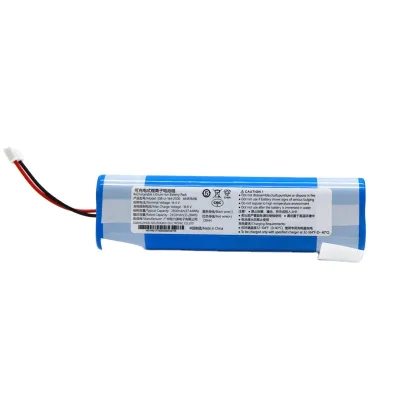
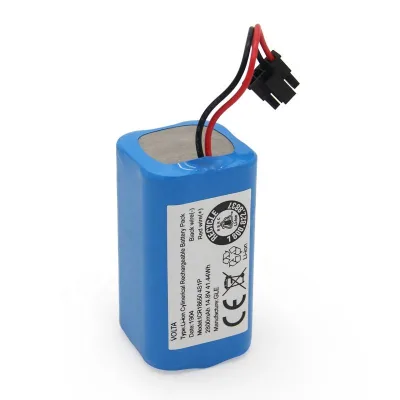
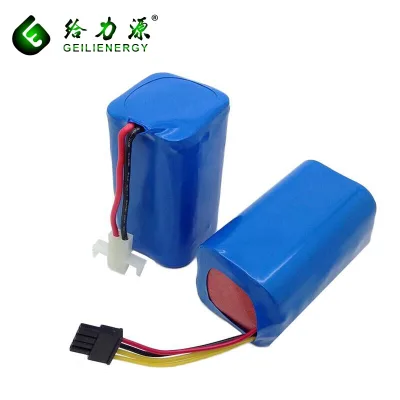
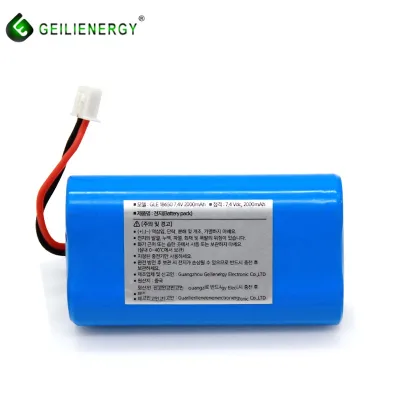
Explore 20 verified suppliers offering cylindrical li-ion robot sweeper battery options with varying lead times, MOQs, and response speeds. Compare dimensions, voltage, and capacity specs to find the right fit for your robotic cleaning needs; review the available evidence before requesting comparable quotations from suitable candidates.
Updated
Suppliers List

Shenzhen Mingfeng Technology Co., Ltd
- Verified by SGS
- Trading Company
- China Guangdong
- Lead time30 days
- Avg. response≤ 1h
Main productsE-Bike Battery, Drone Battery, Power Tools Battery, Garden Tools Battery, Emotorcycle Battery, Golf Cart Battery, Forklift Battery, Marine Battery, LiFePO4 Battery, Agv Battery
Main marketsOthers(foreignTradeCapacity.exportBusinessCapacityMarketOther)

Shenzhen Sunwind Energy Tech Co., Ltd.
- Verified by SGS
- Combined
- China Guangdong
- Lead time23 days
- Avg. response≤ 11h
Main productsMobile Phone Battery, Tablet PC Battery, POS Terminal Battery, Smart Watch Battery, GPS Battery, Bt Speaker Battery, Bt Headset Battery, iPod Battery, Scanner Barcode Battery
Main marketsSouth America,Africa,Southeast Asia/ Mideast,Domestic,Europe,Australia,North America


Vacuum Cleaner Sweeper Robot Battery for Shark IX141 IX140 Iz140 Iz142 21.6V 1900mAh OEM
$55.00 - $65.00
MOQ: 500 Pieces

Dongguan Improve Battery Co., Ltd.
- Verified by TüVRheinland
- Manufacturer, Trading Company
- Lead time5 days
- Avg. response≤ 4h
Main productsHousehold Energy Storage Batteries, LiFePO4 Batteries, Lithium Batteries, High Voltage Energy Storage System, Golf Cart Batteries
Main marketsNorth America(25%), Western Europe(20%), Eastern Europe(15%)
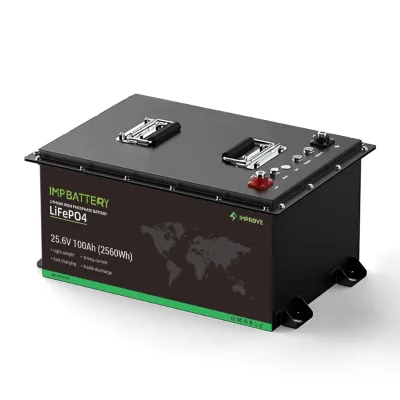
Improve OEM 25.6V 24V 60Ah 80Ah Floor Sweeper LiFePO4 Battery for Electric Cleaning Vehicle
$411.9245 - $618.4029
MOQ: 1 pieces

Shenzhen Topway New Energy Co., Ltd.
- Manufacturer/Factory
- China Guangdong
- Lead time23 days
- Avg. response≤ 11h
Main productsLife Po4 Battery, Lithium Battery, Energy Storage System, Portable Solar Power Station, Solar Power Generator, LFP Battery, Inverter Battery, Solar Battery, Home Solar Battery, Home Power Battery
Main marketsSouth America,Eastern Europe,Mid East,North America,Southeast Asia,Eastern Asia,Oceania,Western Europe,Africa

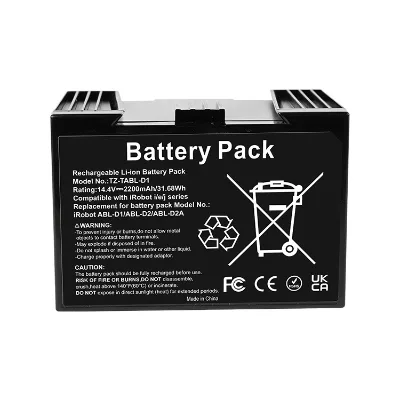
Factory Replacement Sweeper Battery for Robot Vacuum Series 14.4V 4200mAh
$92.50 - $99.90
MOQ: 1 Pieces

$92.50 - $99.90
MOQ: 1 Pieces

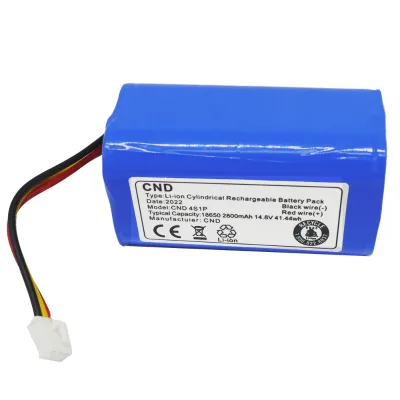
14.8V 2800mAh 18650 Lithium Ion Rechargeable Battery Pack for Sweeper Vacuum Cleaner Robot
$2.00 - $10.00
MOQ: 1 Pieces
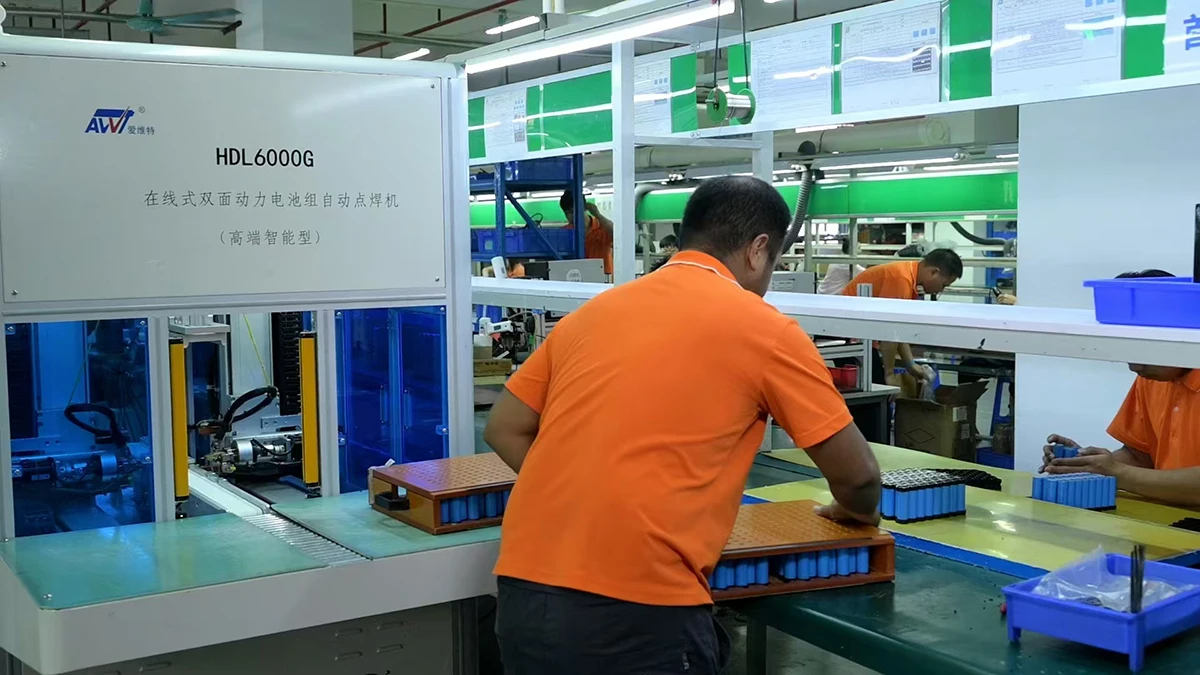
Shenzhen Lichen electronics CO.,LTD
- Manufacturer, Trading Company
- guangdong, China
- Lead time15 days
- Avg. response≤ 1h
Main productsBattery cell,Digital battery,mobile phone battery,Energy storage battery,LI-polymer battery
Main marketsWestern Europe(15.00%), North America(15.00%), Africa(10.00%), Central America(10.00%), South America(10.00%), Northern Europe(6.00%), Southern Europe(5.00%), South Asia(5.00%), Southeast Asia(5.00%), Eastern Europe(5.00%), Eastern Asia(5.00%), Mid East(5.00%), Domestic Market(2.00%), Oceania(2.00%)
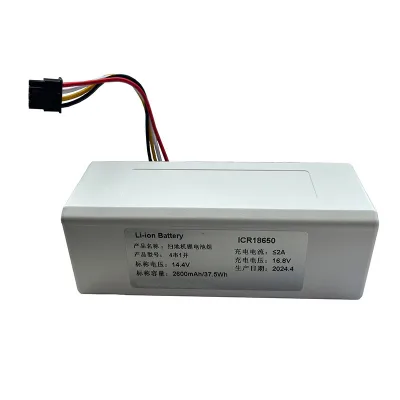
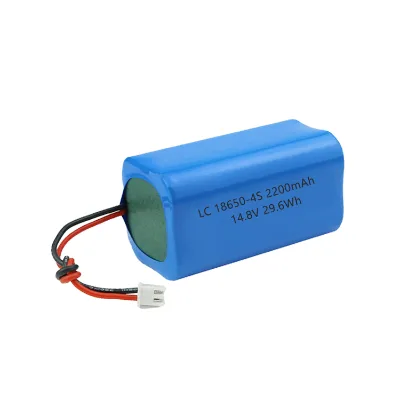
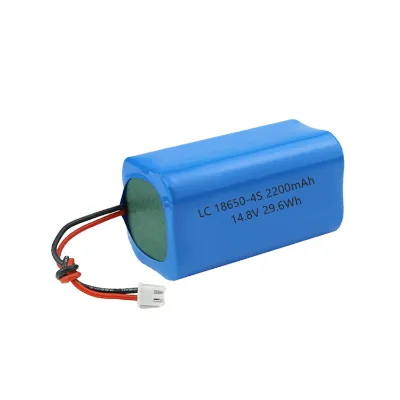
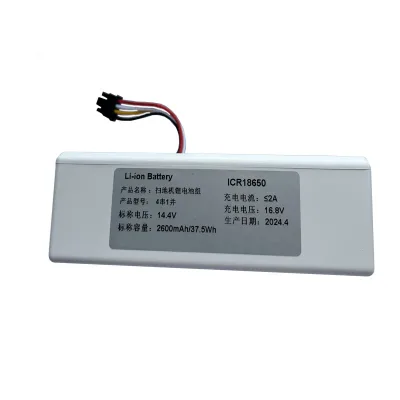
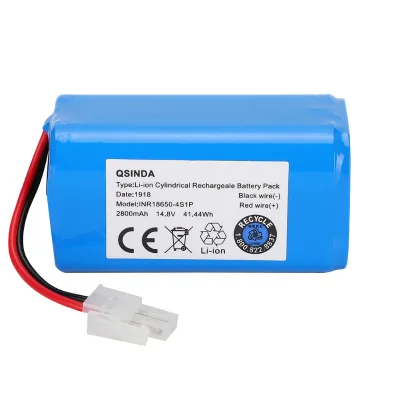
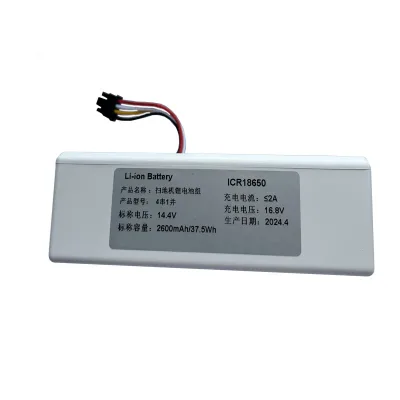
$9.0599 - $19.2568
MOQ: 10 pieces
Shenzhen Everwin Tech Co., Limited
- Verified by SGS Group
- Manufacturer, Trading Company
- Lead time20 days
- Avg. response≤ 2h
Main productsLithium Batteries, Lithium Ion Batteries, Lithium Iron Phosphate Batteries, Nickel Metal Hydride Batteries, Nickel Cadimium Batteries
Shenzhen Forange Technology Co., Ltd.
- Manufacturer, Trading Company, Distributor/Wholesaler
- Guangdong, China
- Lead time15 days
- Avg. response≤ 3h
Main productslithium ion battery pack,lithium polymer battery pack,Power battery pack,3C battery
Main marketsEastern Europe(30.00%), North America(30.00%), South Asia(20.00%), Southeast Asia(10.00%), Africa(5.00%), Mid East(5.00%)
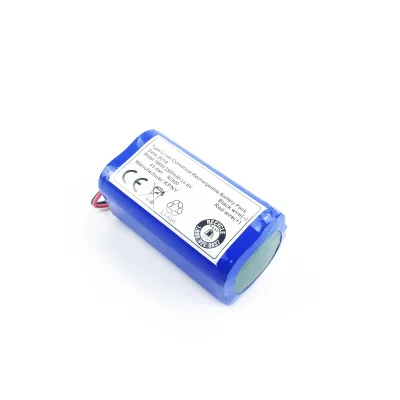
$11.36 - $12.59
MOQ: 100 pieces
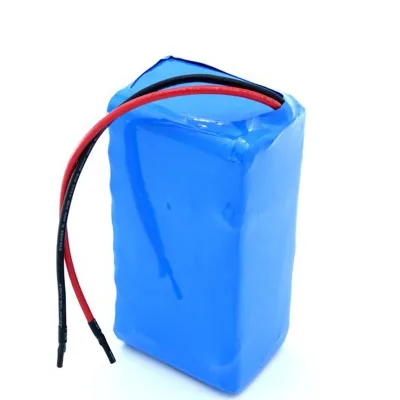
$165.7462 - $195.119
MOQ: 100 pieces
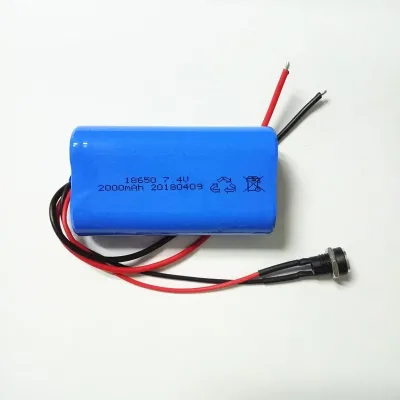
$2.0253 - $2.3039
MOQ: 100 pieces
- Verified by SGS Group
- Manufacturer, Trading Company
- Lead time3 days
- Avg. response≤ 2h
Main productsLithium Battery, Battery Pack, Battery Charger
Shenzhen J&y Technology Co., Ltd.
- Verified by Intertek
- Manufacturer, Trading Company
- Lead time15 days
- Avg. response≤ 4h
Main productsNi-mh Battery, Li-ion Battery, Storage Battery
Main marketsEastern Asia(50%), Western Europe(12%), North America(10%)
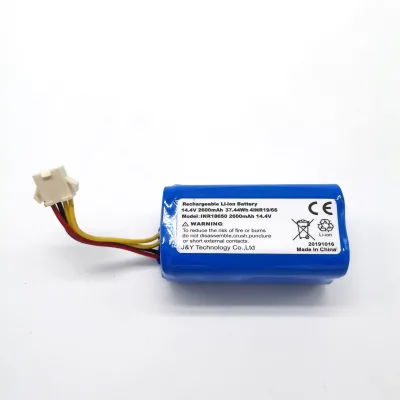
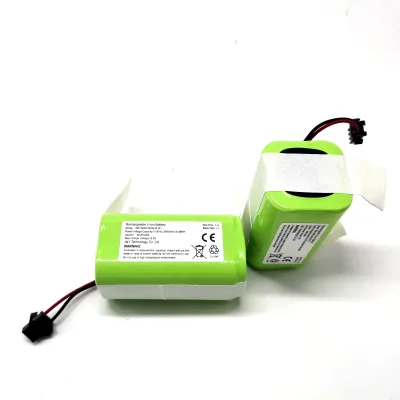
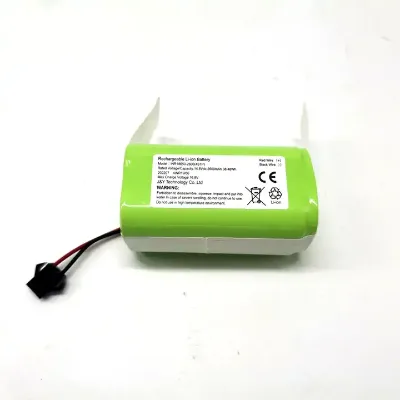
OEM Custom 14.8V 2600mAh Replacement Li-ion Battery Pack for Eufy Robot Vacuum 500 Cycles Lifespan
$15.8938 - $16.9184
MOQ: 100 units

- Verified by BV
- Combined
- China Guangdong
- Lead time23 days
- Avg. response≤ 5h
Main productsCylindrical Cell, Lithium Primary Cell, Telecom Ess, Bean Cell, Prismatic Cell
Main marketsSouth America,Africa,Southeast Asia/ Mideast,East Asia(Japan/ South Korea),Europe,Australia,North America


$1.85 - $2.20
MOQ: 100 Pieces

$1.85 - $2.20
MOQ: 100 Pieces
Shenzhen Longhehui Electronics Co., Ltd.
- Verified by TüVRheinland
- Manufacturer, Trading Company
- Lead time7 days
- Avg. response≤ 2h
Main productsPhone Battery, Mobile Phone Battery, Watch Battery, Tablet Battery, Laptop Battery
Main marketsNorth America(10%), South America(10%), Eastern Europe(10%)

Shenzhen Data Power Technology Ltd.
- Verified by BV
- Combined
- China Guangdong
- Lead time15 days
- Avg. response≤ 3h
Main productsBattery, Lithium Battery, Lithium Polymer Battery, Lithium Ion Battery, Rechargeable Battery, Battery Pack, Cylindrical Battery, 18650 Battery, Storage Battery, Li Polymer Battery
Main marketsSouth America,Africa,Southeast Asia/ Mideast,East Asia(Japan/ South Korea),Domestic,Europe,Australia,North America
Hunan Five Intelligent Technology Co., Ltd.
- Trading Company
- Hunan, China
- Lead time45 days
- Avg. response≤ 6h
Main productsPower Lithium battery,Energy Storage Lithium battery,Mobile Device Lithium battery,Specialty battery,Battery Swapping cabinet
Main marketsWestern Europe(30.00%), South America(20.00%), Southeast Asia(20.00%), Domestic Market(10.00%), Mid East(10.00%), Eastern Asia(5.00%), Africa(5.00%)
Dongguan Chuangnengda New Energy Co., Ltd.
- Manufacturer, Trading Company
- Guangdong, China
- Lead time0 days
- Avg. response≤ 6h
Main productslithium battery,Power Tool Battery,scooter battery,Vacuum cleaner battery,Bicycle battery
Main marketsNorthern Europe(50.00%), Western Europe(30.00%), Eastern Europe(10.00%), South America(5.00%), South Asia(4.00%), Eastern Asia(1.00%)

SHENZHEN SMARTEC TECHNOLOGY CO., LTD.
- Verified by BV
- Combined
- China Guangdong
- Lead time23 days
- Avg. response≤ 3h
Main productsBattery Manage System, Protection Circuit Module, Home Storage Batteries, BMS, PCM, Customized Lithium Batteries, Customized Li-ion Battery Pack, LiFePO4 Battery Pack, Battery BMS, Golf Cart Battery
Main marketsSouth America,Africa,Southeast Asia/ Mideast,East Asia(Japan/ South Korea),Europe,Australia,North America


14.4V Robot Vacuum Cleaner Lithium Ion Battery Rechargeable Sweeping & Mopping, Un38.8 CE
$29.00 - $60.00
MOQ: 2 Pieces

Smartec 14.8V 2600mAh Lithium Replacement Battery for Robotic Floor Cleaners
$39.00 - $55.00
MOQ: 1 Pieces
Shenzhen Battewill Technology Co., Ltd.
- Manufacturer
- Lead time旺季: "1 - 10":35,"11 - 1000":45,"> 1000":"To be negotiated", 淡季: "1 - 10":35,"11 - 1000":45,"> 1000":"To be negotiated"
- Avg. response≤ 1h
Main productsLithium Iron Phosphate Battery,Ternary Battery,Polymer Battery,Li-ion Battery,Low Temperature Battery
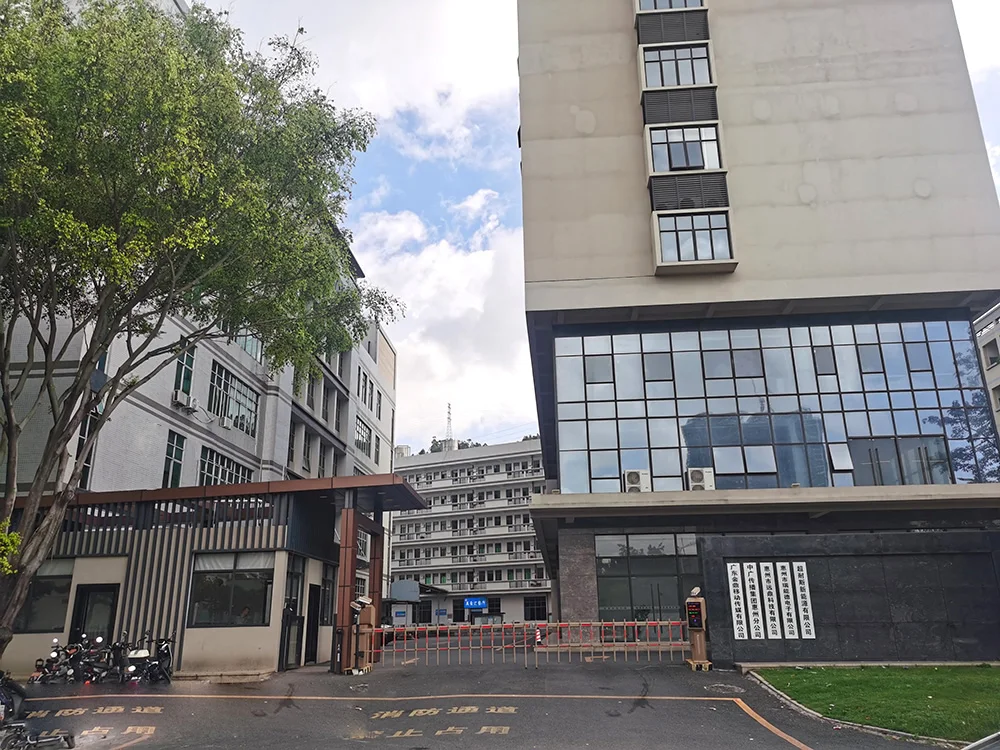
Huizhou Becell Technology Co., Ltd.
- Manufacturer
- Guangdong, China
- Lead time15 days
- Avg. response≤ 2h
Main productsLithium Ion Battery,Li-Polymer Battery,Li-MnO2 battery,LiFePO4 battery,Battery Pack
Main marketsDomestic Market(60.00%), Western Europe(15.00%), Mid East(10.00%), North America(5.00%), Eastern Europe(5.00%), Eastern Asia(5.00%)
Shenzhen Boye Energy Co., Ltd.
- Verified by Intertek
- Trading Company
- Lead time10 days
- Avg. response≤ 4h
Main productsLi-ion Battery, Lifepo4 Battery, Lithium Polymer Battery, Nimh Battery, Battery Packs
Main marketsNorth America(31%), Western Europe(25%), Eastern Asia(15%)
Guangzhou Geilienergy Electronic Co., Ltd.
- Verified by Intertek
- Manufacturer, Trading Company
- Lead time7 days
- Avg. response≤ 2h
Main productsLithium Batteries, Lithium Iron Phosphate Batteries, Lithium Polymer Batteries, Nickel Metal Hydride Batteries , Power Bank
Main marketsNorth America(40%), Eastern Asia(15%), Western Europe(10%)

Shanghai Aijiu Energy Technology Co., Ltd.
- Verified by SGS
- Combined
- China Shanghai
- Lead time15 days
- Avg. response≤ 2h
Main productsLithium Battery, E-Bike Lithium Battery, Electronic Bicycle Lithium Battery, Lithium Ion Battery, LiFePO4 Battery, Ncm Battery, Energy Storage Lithium Battery, Lithium Battery Pack, 21700 Lithium Battery, 18650 Lithium Battery
Main marketsEurope,North America


High Quality 36V 15ah Lithium Ion Battery Pack for Facade Cleaning Robot
$67.00 - $167.00
MOQ: 2 Pieces




Comprehensive Sourcing Guide
Cylindrical Li-Ion Robot Sweeper Battery Supplier Concentration and Factory Types
The current supplier landscape for cylindrical Li-ion robot sweeper batteries reveals a distinct concentration of manufacturing and trading entities within China, specifically in the Guangdong region. This geographic clustering is significant because Guangdong serves as a global hub for electronics manufacturing, providing immediate access to raw materials, component supply chains, and specialized labor required for battery assembly. Buyers evaluating suppliers should recognize that a high density of results from this province often indicates established industrial ecosystems rather than isolated operations. When assessing potential partners, it is crucial to distinguish between pure trading companies and those with deeper manufacturing integration, as the company type directly influences pricing flexibility, communication speed, and the ability to handle complex customizations. The presence of trading companies in the results suggests that many buyers may interact with intermediaries who aggregate products from various factories, which can streamline the sourcing process for smaller orders but may add layers to the supply chain.
Understanding the specific company types available is essential for aligning procurement strategies with business goals. Some suppliers are identified as trading companies, which typically offer a broader range of compatible products, such as batteries for e-bikes, drones, and power tools, alongside robot sweeper units. This diversification can be advantageous for buyers seeking a single source for multiple battery needs, potentially simplifying logistics and reducing administrative overhead. Conversely, other suppliers may be classified as combined entities or manufacturers with specific capabilities like OEM and ODM services. These entities often provide greater control over product specifications, allowing for tailored solutions that meet precise voltage, capacity, and physical dimension requirements. Buyers must carefully review the main products listed for each supplier to ensure that robot sweeper batteries are a core competency rather than a peripheral offering, as this distinction often correlates with the depth of technical support and quality assurance processes available during the sourcing journey.
How to Verify Cylindrical Li-Ion Robot Sweeper Battery Suppliers
Verification is the critical first step in mitigating risk when sourcing cylindrical Li-ion robot sweeper batteries from international suppliers. Buyers should prioritize suppliers who have undergone third-party verification processes, such as SGS certification, which provides an independent assessment of the company’s business legitimacy and operational capabilities. This verification status serves as a foundational trust signal, indicating that the supplier has met specific standards for business registration and physical presence. However, verification alone is not a guarantee of product quality or reliability, so it must be combined with other due diligence measures. Buyers should request detailed company profiles that outline their specific experience with lithium-ion battery production, including their history with similar applications like robotic vacuums and floor scrubbers. Understanding the supplier’s background helps in assessing whether they possess the necessary technical expertise to handle the specific chemical and structural requirements of cylindrical cell packs.
Beyond basic verification, buyers must scrutinize the technical documentation and product attributes provided by suppliers to ensure compliance with safety and performance standards. Key attributes to verify include the cathode material, such as LCO or LiFePO4, the rated capacity in mAh or Ah, and the standard voltage of the battery pack. For robot sweeper applications, the cycle life is a particularly important metric, with some suppliers offering packs rated for approximately 500 cycles, which is a baseline expectation for consumer-grade robotic cleaning devices. Buyers should also check for specific certifications like CE, which indicates conformity with health, safety, and environmental protection standards for products sold within the European Economic Area. If a supplier claims specific certifications, buyers should request copies of the certificates and verify their validity with the issuing body. Additionally, assessing the supplier’s response time can provide insight into their operational efficiency; a rapid response time, such as under one hour, often correlates with a more agile and customer-focused organization, which is beneficial for resolving technical queries or addressing order issues promptly.
What to Compare Across Cylindrical Li-Ion Robot Sweeper Battery Suppliers
When evaluating multiple suppliers for cylindrical Li-ion robot sweeper batteries, buyers must systematically compare key operational metrics to identify the most suitable partner for their specific needs. One of the primary dimensions for comparison is the minimum order quantity (MOQ), which varies significantly across the supplier base. Some suppliers offer an MOQ of just one unit, which is ideal for prototyping, sampling, or small-scale testing, while others may require orders of five, ten, or even one hundred pieces. This variation allows buyers to align their procurement volume with their production schedule and cash flow constraints. Additionally, the lead time for production is a critical factor, with some suppliers indicating a lead time of around thirty days, while others may offer faster turnaround times of twenty-three days or even seven days for specific models. Buyers should weigh these lead times against their inventory requirements to avoid stockouts or excessive holding costs.
Price and customization capabilities are also essential comparison points that can differentiate suppliers in the market. The price range for these batteries can vary based on capacity, voltage, and the complexity of the battery management system (BMS) integration. For instance, basic replacement packs may have a lower price point, while custom packs with specific communication options like RS485 or Bluetooth APP connectivity may command a higher price. Buyers should compare the price per unit against the MOQ to calculate the total cost of ownership for different order sizes. Furthermore, the availability of customization services, such as OEM and ODM options, is a significant differentiator. Suppliers that offer customizable connectors, specific dimensions, and tailored voltage ranges provide greater flexibility for buyers who need batteries that fit unique robotic designs. Buyers should also compare the warranty terms, with some suppliers offering fifteen months of coverage, which provides an additional layer of protection against early failures and demonstrates confidence in product quality.
Common Cylindrical Li-Ion Robot Sweeper Battery Sourcing Risks
Sourcing cylindrical Li-ion robot sweeper batteries involves several inherent risks that buyers must actively manage to ensure a successful procurement outcome. One significant risk is the variability in product quality and consistency, particularly when dealing with suppliers who offer a wide range of battery types for different applications. If a supplier’s main products include diverse categories like e-bike batteries, drone batteries, and robot sweeper batteries, there is a risk that the specific expertise required for robotic applications may be diluted. Buyers must ensure that the supplier has dedicated quality control processes for robot sweeper batteries, as these applications often require precise discharge rates and low self-discharge characteristics to maintain performance during long cleaning cycles. Failure to verify this specialization can lead to receiving batteries that do not meet the specific operational demands of robotic vacuums, resulting in premature failure or poor performance in the field.
Another critical risk is the potential mismatch between the supplier’s capabilities and the buyer’s technical requirements, particularly regarding customization and compatibility. Robot sweeper batteries often require specific form factors, connectors, and communication protocols to interface correctly with the robot’s mainboard and charging dock. If a supplier offers generic replacement batteries without proper customization options, buyers may face integration issues that require costly modifications or redesigns. Additionally, the risk of supply chain disruptions cannot be overlooked, especially when sourcing from regions with complex logistics networks. Buyers should assess the supplier’s ability to maintain consistent production schedules and their contingency plans for raw material shortages. It is also important to be wary of suppliers who do not provide clear information about their battery management systems (BMS), as a poorly designed BMS can lead to safety hazards, including overheating or overcharging, which are critical concerns for lithium-ion batteries used in autonomous devices.
Cylindrical Li-Ion Robot Sweeper Battery Regional Sourcing and Logistics
The regional concentration of suppliers in China, particularly in Guangdong, offers distinct advantages for sourcing cylindrical Li-ion robot sweeper batteries, primarily related to logistics efficiency and supply chain integration. Guangdong’s status as a major manufacturing hub means that buyers can often benefit from shorter transit times and more frequent shipping options compared to sourcing from other regions. The proximity to major ports and logistics providers facilitates smoother export processes, reducing the likelihood of delays associated with customs clearance and freight handling. Buyers should leverage this geographic advantage by working with suppliers who have established relationships with reliable freight forwarders, ensuring that their orders are handled with care and delivered within the promised lead times. Additionally, the dense network of suppliers in this region fosters competition, which can drive down logistics costs and improve service levels for international buyers.
However, buyers must also consider the logistical complexities associated with shipping lithium-ion batteries, which are classified as dangerous goods due to their energy density and potential safety risks. Proper packaging and labeling are essential to comply with international shipping regulations, such as those set by the International Air Transport Association (IATA) for air freight or the International Maritime Organization (IMO) for sea freight. Buyers should verify that their suppliers have experience in packaging these batteries according to regulatory standards, including the use of UN-certified packaging and appropriate hazard labels. Failure to ensure proper packaging can result in shipments being rejected by carriers or delayed at customs, leading to significant disruptions in the supply chain. Furthermore, buyers should discuss Incoterms with their suppliers to clearly define responsibilities for shipping, insurance, and customs duties, ensuring that there are no unexpected costs or logistical hurdles that could impact the overall procurement timeline.
Cylindrical Li-Ion Robot Sweeper Battery Commercial Terms and Order Planning
Effective order planning for cylindrical Li-ion robot sweeper batteries requires a thorough understanding of the commercial terms offered by suppliers, including payment methods, warranty policies, and after-sales support. Buyers should carefully review the payment options available, such as PayPal, Western Union, or Telegraphic Transfer (TT), and select the method that best aligns with their financial policies and risk tolerance. For larger orders, buyers may prefer to use secure payment platforms that offer escrow services, which protect their funds until the goods are received and verified. Additionally, buyers should negotiate clear warranty terms, with some suppliers offering fifteen months of coverage, which provides a reasonable period to identify and address any manufacturing defects. Understanding the warranty process, including how to initiate claims and what constitutes valid coverage, is essential for managing long-term product reliability and customer satisfaction.
Beyond immediate transactional terms, buyers should plan for the long-term relationship with their supplier, considering factors such as scalability, technical support, and product lifecycle management. As the buyer’s demand for robot sweeper batteries grows, they should assess the supplier’s capacity to scale production without compromising quality or lead times. Suppliers with established R&D capabilities, such as those offering OEM and ODM services, are better positioned to support product evolution and customization needs over time. Buyers should also inquire about the supplier’s approach to product updates and discontinuations, ensuring that they have access to replacement parts or compatible batteries for future maintenance needs. By establishing a clear communication channel and setting expectations for ongoing support, buyers can build a resilient supply chain that adapts to changing market demands and technological advancements in the robotic cleaning industry.
FAQs
What is the minimum order quantity for cylindrical Li-ion robot sweeper batteries?
The minimum order quantity varies by product type. Some cylindrical Li-ion packs for robot vacuums have an MOQ of just one unit, while others require a minimum of five or one hundred pieces. Buyers should check the specific product listing to confirm the exact MOQ before placing an order.
What is the typical lead time for manufacturing these batteries?
Lead times for these batteries generally range from twenty-three to thirty days. This timeframe depends on the specific supplier and the complexity of the order. Buyers should confirm the exact production schedule with the supplier to ensure timely delivery for their robotic cleaning equipment needs.
Are these batteries customizable for specific robot models?
Yes, customization is available for many cylindrical Li-ion robot sweeper batteries. Suppliers offer options for custom voltage, capacity, and connector types based on samples. This allows buyers to match the battery specifications precisely to their robotic vacuum or floor scrubber requirements.
What certifications are available for these Li-ion battery packs?
Certifications such as CE are available for specific industrial robot LiFePO4 battery packs. Some suppliers also hold SGS verification. Buyers should request relevant certification documents to ensure the batteries meet safety and quality standards for their intended robotic applications.
Where are these robot sweeper batteries typically manufactured?
These batteries are typically manufactured in China, specifically in the Guangdong region. This area is a major hub for battery production and electronic components. Buyers can expect a wide variety of suppliers offering competitive pricing and extensive product ranges from this location.
What is the cycle life of these Li-ion batteries?
The cycle life for these cylindrical Li-ion batteries is approximately five hundred cycles. This durability ensures reliable performance for robotic vacuum cleaners and sweepers over time. Buyers should consider this cycle life when evaluating the long-term value and replacement frequency of the batteries.