High Charge Retention Super Capacitor Suppliers and Manufacturers
Compare 14 verified suppliers offering High Charge Retention Super Capacitor options with ISO9001:2015 certification and ODM capabilities. Review lead times, MOQs, and response times to select the right partner for your power applications; review the available evidence before requesting comparable quotations from suitable candidates.
Updated
Suppliers List

Shenzhen Topmay Electronic Co., Ltd.
- Verified by BV
- Trading Company
- China Guangdong
- Lead time15 days
- Avg. response≤ 3h
Main productsCapacitor, Metallized Polyester Film Capacitor Cl21, Metallized Polypropylene Film X2 Capacitor, Aluminum Electrolytic Capacitor, Ceramic Capacitor, Tantalum Capacitor, Super Capacitor, Resistor, Passive Components, MKP Capacitor
Main marketsSouth America,Africa,Southeast Asia/ Mideast,Europe,North America


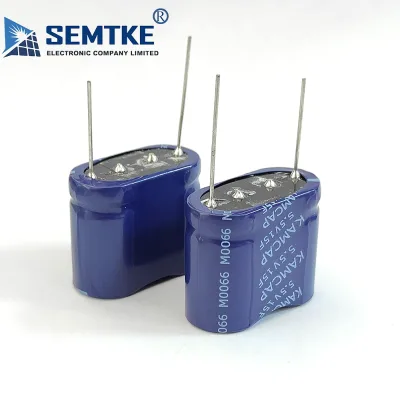
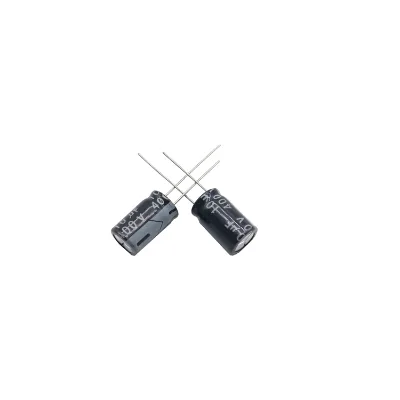
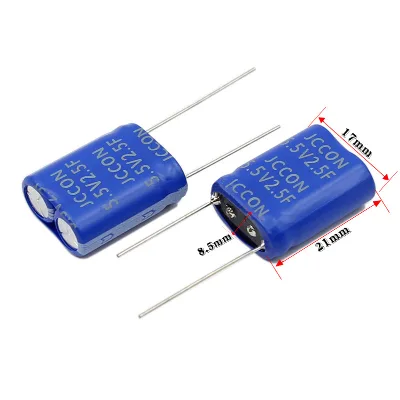
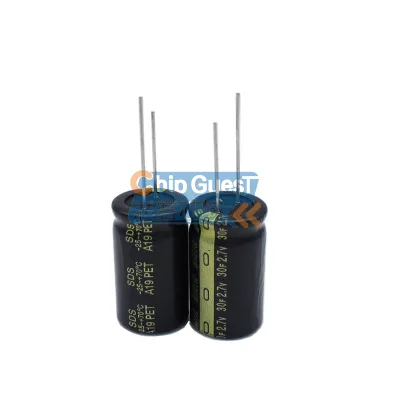
High Temperature 85c Capacitors 5.5V Super Capacitor/Farad Capacitor Hotselling
$0.01
MOQ: 1000 Pieces


LINYI GOLD YUNJI INDUSTRY TECHNOLOGY CO.,LTD.
- Trading Company
- China Shandong
- Lead time15 days
- Avg. response≤ 25h
Main productsCargo Bar, Jack Bar, Cargo Lock Plank, Decking Beam, Shoring Bar, Track and Truck Accessories, Steel, Aluminum Cargo Bar, Steel Cargo Bar, Aluminum Jack Bar
Main marketsAfrica,Southeast Asia/ Mideast,East Asia(Japan/ South Korea),Domestic,Europe,North America

Super Capacitor Active Carbon Supercapacitor Activated Carbon with Low Price
$30.00 - $50.00
MOQ: 1 Pieces

Supercapacitor Materials Active Carbon Super Capacitor Activated Carbon with Great Price
$30.00 - $50.00
MOQ: 1 Pieces

Jinzhou Kaimei Power Co., Ltd.
- Manufacturer, Trading Company
- Liaoning, China
- Lead time0 days
- Avg. response≤ 14h
Main productsCapacitor
Main marketsWestern Europe(20.00%), Southeast Asia(20.00%), Eastern Europe(20.00%), South America(20.00%), North America(20.00%)
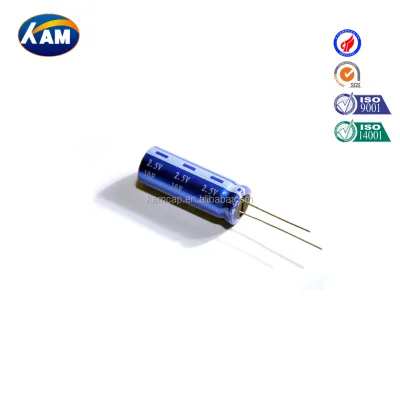
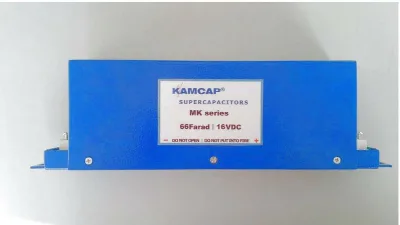
hot selling , long product life , low price Super capacitor /ultracapacitor module 16V 60F
$56.3573 - $66.6034
MOQ: 1 Minimum
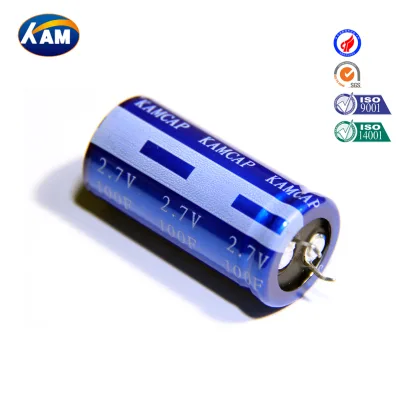
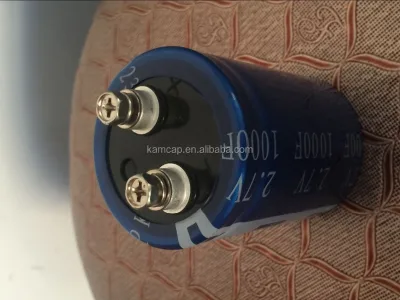
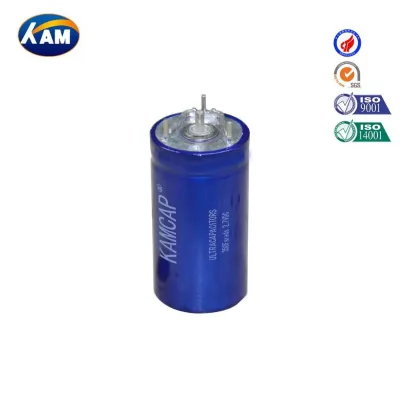
hot selling low price 2.7V 350F super capacitor , sealed type, for car starting
$0.1027 - $2.054
MOQ: 1 Minimum

Tianjin Plannano Energy Technologies Co., Ltd.
- Verified by TUVRHEINLAND
- Combined
- China Tianjin
- Lead time30 days
- Avg. response≤ 5h
Main productsSupercapacitor, Lithium Titanate Battery, Supercapacitor Module, Lithium Titanate Battery Module
Main marketsDomestic,Europe,Australia,North America


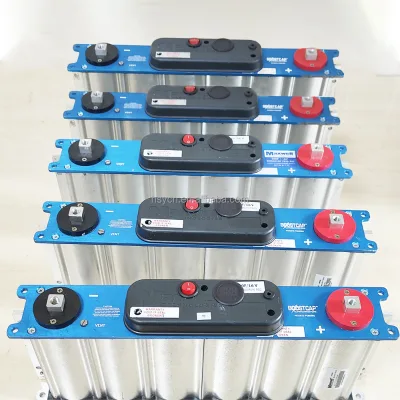
16V 500f Supercapacitor Module, High-Power Supercapacitor, Ultra Safe Capacitor
$160.00 - $189.00
MOQ: 1 Sets


$160.00 - $189.00
MOQ: 1 Sets


Dongguan City Gonghe Electronics Co., Ltd.
- Manufacturer, Trading Company
- Lead time旺季: "1 - 3000":15,"3001 - 10000":30,"> 10000":"To be negotiated", 淡季: "1 - 3000":15,"3001 - 10000":30,"> 10000":"To be negotiated"
- Avg. response≤ 3h
Main productsSuper Capacitor,Super Capacitor Battery,Lithium Battery,Sodium Capacitor,Sodium Battery
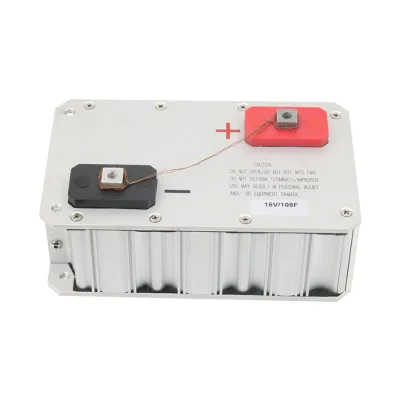
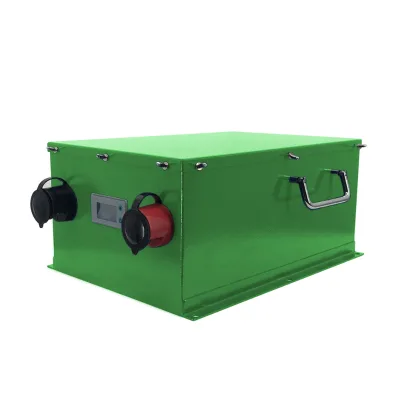
super capacitor for home energy storage system 48v supercapacitor bank
$616.4807 - $1232.9613
MOQ: 1 Minimum
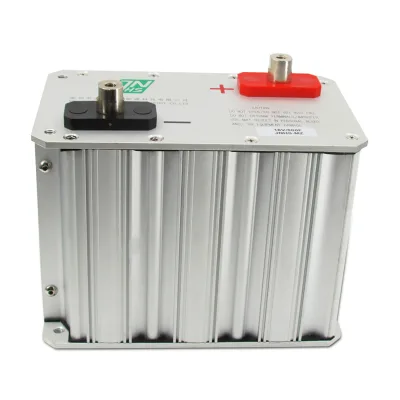
$190.7385 - $226.8235
MOQ: 2 pieces
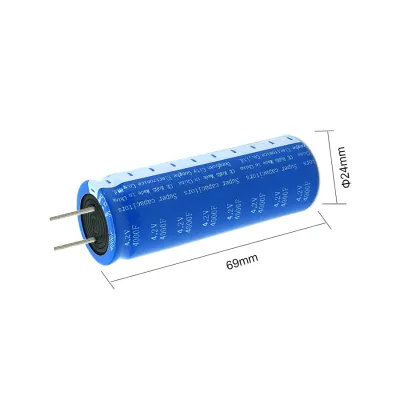
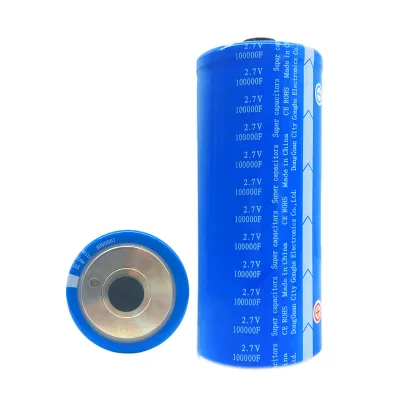
Super Safety Capacitor 2.7V 100000F Low Temperature Long Cycle Life and Super Fast
$59.7996 - $72.1715
MOQ: 6 pieces
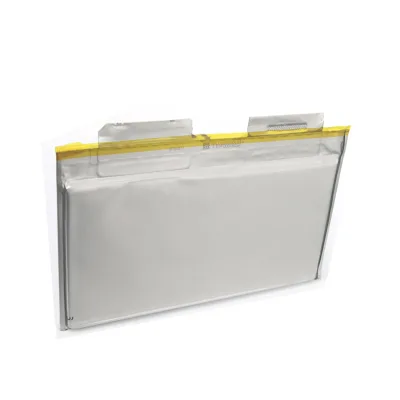
Low Total Cost of Ownership 4.25V 21000F Supercapacitor for Long Term Projects
$13.4042 - $16.4964
MOQ: 6 pieces
Shenzhen Kaifengda Technology Co., Ltd.
- Agent, Distributor/Wholesaler
- Guangdong, China
- Lead time7 days
- Avg. response≤ 3h
Main productsSuper capacitor,Farah capacitance,EDLC,lithium battery,Lithium Ion Capacitor
Main marketsNorth America(26.00%), Southeast Asia(18.00%), Eastern Europe(15.00%), Oceania(7.00%), Mid East(6.00%), South America(5.00%), Central America(5.00%), Africa(4.00%), Northern Europe(3.00%), Western Europe(3.00%), Domestic Market(2.00%), Eastern Asia(2.00%), South Asia(2.00%), Southern Europe(2.00%)
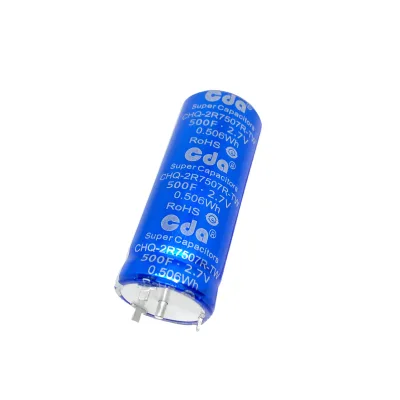
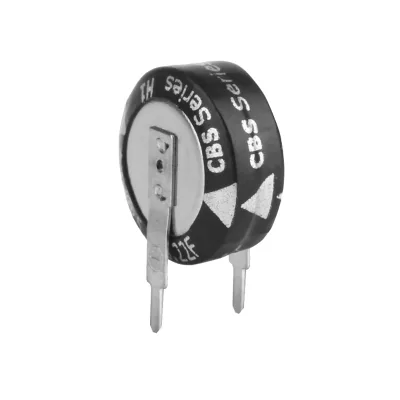
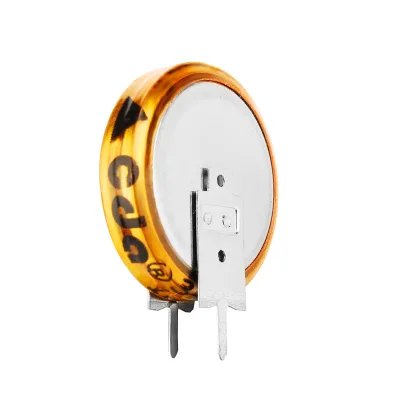
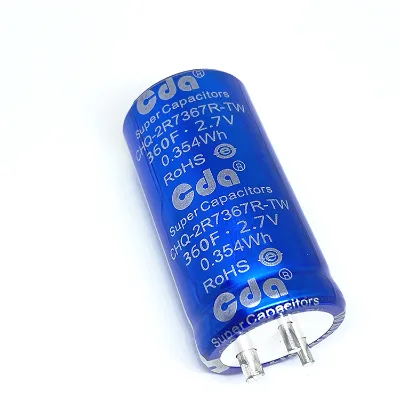
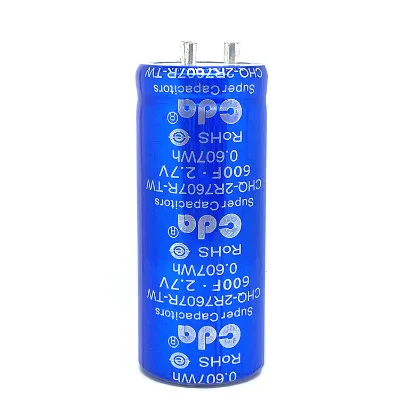
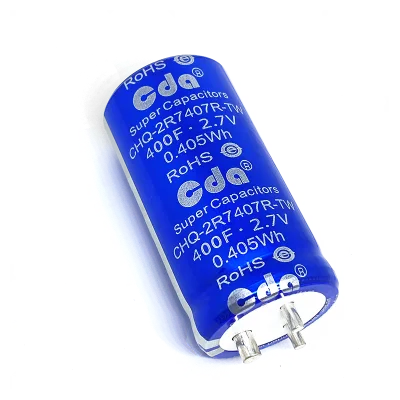
Super Capacitor 2.7V600F Low Internal Resistance/High Power Vehicle Regulation Class
$8.3193 - $8.7696
MOQ: 1 boxes
- Agent, Distributor/Wholesaler
- Guangdong, China
- Lead time3 days
- Avg. response≤ 3h
Main productsSuper capacitor,IGBT,Sensor,Transistor,Integrated Circuit
Main marketsNorth America(30.00%), Southeast Asia(15.00%), Mid East(15.00%), Eastern Europe(10.00%), Southern Europe(5.00%), Northern Europe(5.00%), Western Europe(5.00%), South Asia(4.00%), Eastern Asia(2.00%), Oceania(2.00%), Central America(2.00%), South America(2.00%), Africa(2.00%), Domestic Market(1.00%)
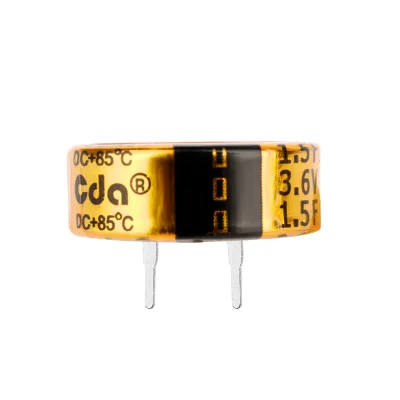
$2.1124 - $2.1438
MOQ: 500 pieces
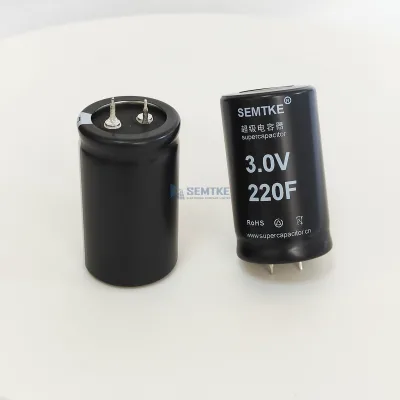
$2.8708 - $3.2523
MOQ: 1 pieces
Liaoning Icekey Refrigeration Co., Ltd.
- Verified by TüVRheinland
- Trading Company
- Lead time20 days
- Avg. response≤ 2h
Main productsCapacitor, Refrigerant Gas, Compressor, Protector, Copper Tube
Main marketsSouth America(35%), North America(15%), Eastern Europe(15%)
Shenzhen Gihe Electronics Co., Ltd.
- Trading Company
- Guangdong, China
- Lead time10 days
- Avg. response≤ 9h
Main productsIntegrated Circuits,BGA Chip,Module,Ram,Transistors
Main marketsNorth America(20.00%), Eastern Asia(15.00%), South America(15.00%), Western Europe(10.00%), Mid East(10.00%), Eastern Europe(5.00%), Northern Europe(5.00%), Southeast Asia(5.00%), Southern Europe(5.00%), Africa(3.00%), Central America(3.00%), South Asia(2.00%), Oceania(2.00%)
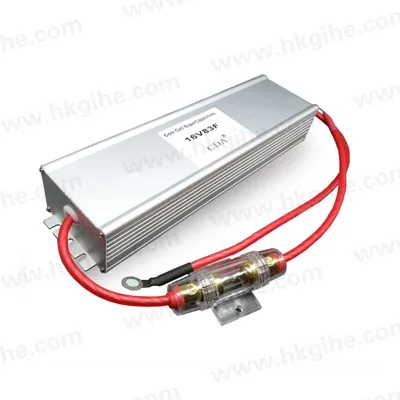
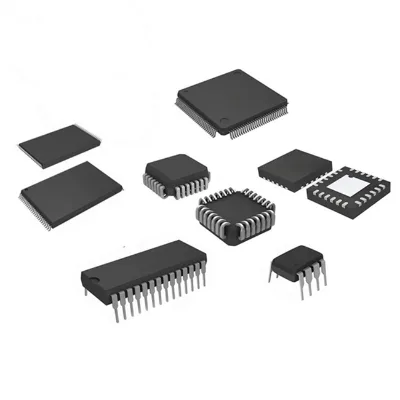
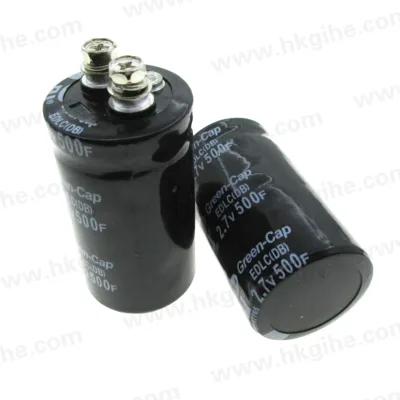
$6.85 - $7.20
MOQ: 10 pieces
- Manufacturer, Trading Company
- Guangdong, China
- Lead time0 days
- Avg. response≤ 2h
Main productsSuper Capacitor,Super Capacitor Battery,Lithium Battery,Super Capacitor Module,Production Line
Main marketsOceania(100.00%), Central America(100.00%), Southeast Asia(100.00%), Domestic Market(100.00%), South Asia(100.00%), Mid East(100.00%), North America(40.00%), Southern Europe(10.00%), Northern Europe(10.00%), Africa(10.00%), Western Europe(10.00%), Eastern Europe(10.00%), Eastern Asia(5.00%), South America(5.00%)
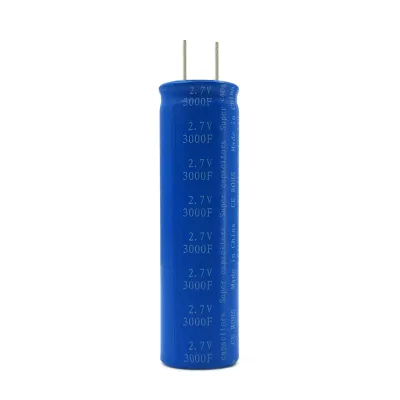
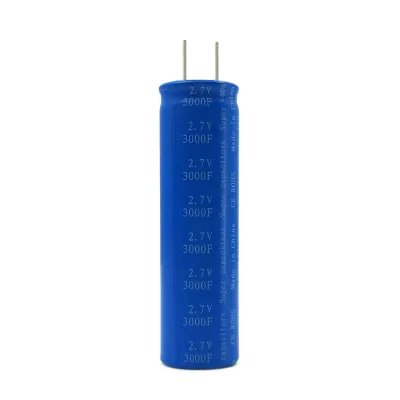
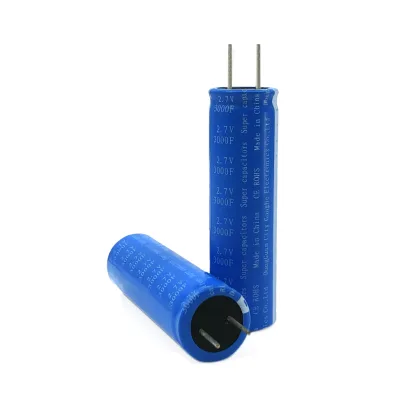
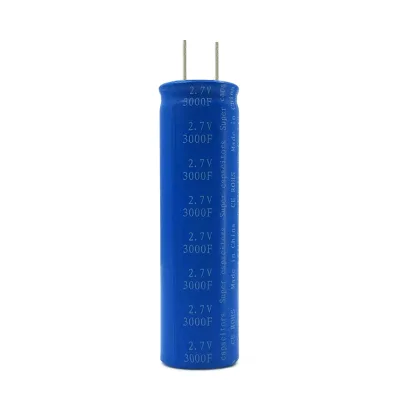
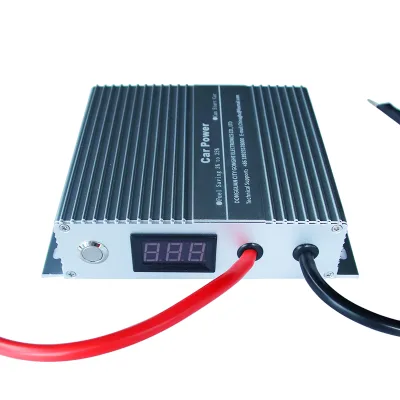
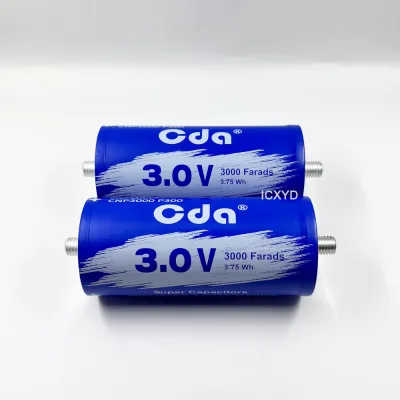
16V 1000F 2000F 3000F 16 Volt Super Condensatore Super Capacitor in China
$39.00 - $143.00
MOQ: 6 Minimum

Shenzhen Feiyang Electronics Co., Ltd.
- Manufacturer, Trading Company, Distributor/Wholesaler
- Guangdong, China
- Lead time5 days
- Avg. response≤ 8h
Main productsIntegrated Circuit,Capacitors,Connectors,Resistors,Modules
Main marketsSouth Asia(20.00%), Domestic Market(20.00%), South America(15.00%), Central America(5.00%), Eastern Asia(5.00%), Eastern Europe(5.00%), North America(5.00%), Mid East(5.00%), Africa(5.00%), Southeast Asia(5.00%), Western Europe(3.00%), Southern Europe(3.00%), Northern Europe(3.00%), Oceania(1.00%)

Shenzhen Hechuang Lianying Technology Co., Ltd.
- Trading Company
- Guangdong, China
- Lead time0 days
- Avg. response≤ 4h
Main productsElectronic Components; 3C Digital Electronics; Module; Inductor
Main marketsDomestic Market(50.00%), North America(11.00%), Eastern Europe(10.00%), Southeast Asia(6.00%), South America(5.00%), South Asia(5.00%), Mid East(3.00%), Southern Europe(3.00%), Northern Europe(3.00%), Western Europe(3.00%), Eastern Asia(1.00%)
Shenzhen Futian Huanqiuxinyida Electronic Firm
- Trading Company, Agent, Distributor/Wholesaler
- Guangdong, China
- Lead time0 days
- Avg. response≤ 7h
Main productsIntegrated Circuits,Supercapacitor,Transistors,Sensors,Modules
Main marketsSouth America(20.00%), North America(20.00%), Northern Europe(10.00%), Eastern Asia(10.00%), Mid East(10.00%), Africa(10.00%), Southeast Asia(10.00%), Eastern Europe(10.00%)
Shenzhen Goldtech Electronics Co., Limited
- Verified by SGS Group
- Trading Company
- Lead time7 days
- Avg. response≤ 7h
Main productsPCB, PCBA, IC, Capacitor, Circular Connector
Main marketsMid East(30%), Western Europe(30%), Eastern Europe(20%)
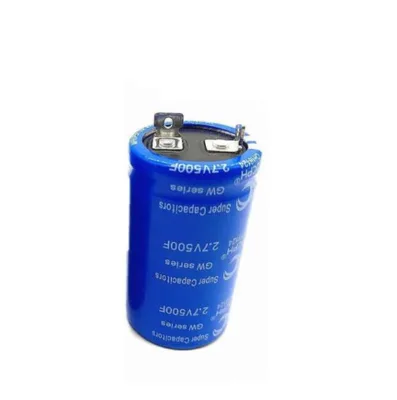
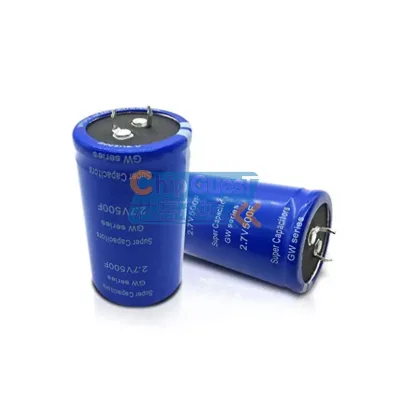
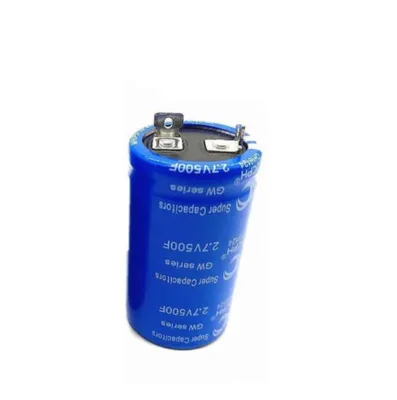
500 farad Super capacitor 2.7v 500F 35*60mm
$5.20 - $6.20
Comprehensive Sourcing Guide
High Charge Retention Super Capacitor Supplier Concentration and Factory Types
The current supplier landscape for high charge retention super capacitors reveals a distinct concentration of manufacturing and trading entities within specific Chinese provinces, primarily Guangdong and Shandong. Suppliers located in Guangdong are predominantly identified as trading companies, which suggests a hub for distribution, aggregation, and potentially final assembly or branding rather than raw material extraction or primary cell manufacturing. These entities often list a broad range of passive components, including metallized polyester film capacitors, aluminum electrolytic capacitors, and ceramic capacitors, indicating a diversified portfolio that includes super capacitors as part of a larger electronic component offering. The presence of ODM, OEM, and own brand capabilities among these Guangdong-based suppliers highlights their role in providing customized solutions for buyers who require specific form factors, voltage ratings, or capacitance values tailored to their end-product applications. This factory type structure allows for flexibility in order sizes and product specifications, catering to both small-batch prototyping and larger volume production runs.
In contrast, suppliers located in Shandong appear to focus more on the raw materials or intermediate components used in super capacitor construction, such as active carbon or activated carbon. These entities may operate as chemical auxiliary agents or specialized material suppliers, providing the foundational elements necessary for high-performance energy storage devices. The distinction between trading companies in Guangdong and material-focused suppliers in Shandong offers buyers a clear pathway for sourcing different stages of the supply chain. Buyers seeking finished super capacitors with high charge retention characteristics will likely find more direct options in the Guangdong cluster, where finished goods like 2.7V and 5.5V super capacitors are readily available. Meanwhile, those looking to manufacture their own super capacitors or source specific high-purity active carbon materials might find relevant partners in the Shandong region. Understanding this geographic and functional split is crucial for aligning sourcing strategies with specific business needs, whether the goal is immediate product acquisition or long-term supply chain integration.
How to Verify High Charge Retention Super Capacitor Suppliers
Verifying the legitimacy and capability of High Charge Retention Super Capacitor suppliers requires a multi-layered approach that goes beyond simple product listings. One critical step is to check for third-party verification badges, such as BV (Bureau Veritas) certification, which indicates that an independent agency has assessed the supplier’s business operations and legal status. This verification provides a baseline level of trust, confirming that the entity is a registered and active business. Additionally, buyers should scrutinize the supplier’s system certifications, such as ISO9001:2015, which demonstrates a commitment to quality management systems. For super capacitors, which are critical components in power and energy storage applications, adherence to international quality standards is essential to ensure consistent performance and reliability. Buyers should request copies of these certificates and verify their validity through the issuing bodies to avoid fraudulent claims.
Beyond certifications, buyers must evaluate the supplier’s responsiveness and communication efficiency, as these factors often correlate with operational maturity. Response times, such as the observed average of 2.29 hours for some suppliers, serve as a practical metric for assessing how quickly a supplier can address inquiries, provide quotations, or resolve issues. A faster response time generally indicates a more organized sales and support team, which is vital for maintaining smooth procurement processes. Furthermore, buyers should examine the detailed product attributes provided, such as voltage ratings (e.g., 2.7V, 5.5V), capacitance values, and ESR (Equivalent Series Resistance) specifications. These technical details are crucial for verifying that the supplier’s products meet the specific high charge retention requirements of the buyer’s application. Buyers should also look for evidence of customization capabilities, as many suppliers offer tailored solutions for specific voltage, size, or packaging needs, which can be a strong indicator of their technical expertise and manufacturing flexibility.
What to Compare Across High Charge Retention Super Capacitor Suppliers
When evaluating multiple suppliers for high charge retention super capacitors, buyers should systematically compare key operational and commercial metrics to identify the most suitable partner. Lead time is a critical factor, with some suppliers offering a standard lead time of 15 days, which allows for better production planning and inventory management. Buyers should also compare Minimum Order Quantities (MOQs), which can vary significantly depending on the product type and supplier policy. For instance, some super capacitor models may have an MOQ of 10,000 units, while others might accept orders as low as 100 or even 1 unit for raw materials like active carbon. Understanding these MOQ differences is essential for aligning supplier capabilities with the buyer’s volume requirements and budget constraints. Additionally, buyers should compare pricing structures, noting that prices can range from as low as $0.01 for certain components to over $5.00 for specialized super capacitors, depending on capacitance, voltage, and packaging.
Another important dimension for comparison is the range of main products and customization options offered by each supplier. Suppliers that provide a wide array of passive components, including resistors, ceramic capacitors, and various types of film capacitors, may offer better convenience for buyers seeking a single-source solution for multiple electronic components. Buyers should also assess the availability of customization services, such as ODM and OEM capabilities, which can be crucial for integrating super capacitors into unique product designs. Packaging types, such as through-hole, bulk, ammo, or tape, should also be compared to ensure compatibility with the buyer’s assembly processes. Furthermore, buyers should evaluate the supplier’s ability to provide comprehensive product documentation, including datasheets, test reports, and compliance certificates like CE, RoHS, and Reach. These details are vital for ensuring that the super capacitors meet regulatory requirements and quality standards in the buyer’s target markets.
Common High Charge Retention Super Capacitor Sourcing Risks
Sourcing high charge retention super capacitors from international suppliers, particularly those in China, involves several inherent risks that buyers must proactively manage. One significant risk is the potential discrepancy between advertised product specifications and actual performance. Super capacitors are sensitive to factors such as temperature, voltage stress, and cycle life, and variations in manufacturing quality can lead to premature failure or reduced charge retention capabilities. Buyers should be cautious of suppliers who provide vague or incomplete technical data, as this may indicate a lack of rigorous quality control processes. Additionally, the risk of receiving counterfeit or substandard components is heightened when dealing with trading companies that may not have direct oversight of the manufacturing process. Buyers should insist on detailed product attributes, such as ESR values, voltage ratings, and lifespan guarantees, to mitigate this risk.
Another common risk is logistical delays and communication barriers, which can disrupt supply chains and impact production schedules. Suppliers with slower response times, such as those averaging 25 hours, may struggle to provide timely updates on order status or resolve issues quickly. This can lead to extended lead times and increased uncertainty for buyers. Furthermore, the complexity of international shipping and customs clearance can introduce additional delays and costs. Buyers should also be aware of the risk of currency fluctuations and payment security issues, especially when dealing with suppliers who do not offer secure payment methods like Trade Assurance or Escrow. To mitigate these risks, buyers should establish clear communication protocols, request regular progress updates, and use secure payment channels. Additionally, conducting pre-shipment inspections or requesting sample orders before committing to large volumes can help verify product quality and supplier reliability.
High Charge Retention Super Capacitor Regional Sourcing and Logistics
The geographic location of suppliers plays a crucial role in determining logistics efficiency, shipping costs, and lead times for high charge retention super capacitors. Suppliers located in Guangdong, a major manufacturing hub in China, benefit from well-developed infrastructure and proximity to major ports, which can facilitate faster and more cost-effective shipping to global markets. This region’s concentration of trading companies and electronic component manufacturers creates a competitive environment that often results in shorter lead times and more flexible shipping options. Buyers sourcing from Guangdong-based suppliers can typically expect efficient logistics support, including consolidated shipping and expedited delivery services, which are essential for maintaining just-in-time inventory systems. The presence of established supply chain networks in this region also reduces the risk of logistical disruptions, ensuring a more reliable flow of goods.
In contrast, suppliers located in Shandong, while potentially offering specialized raw materials like active carbon, may have different logistical considerations. The distance from major coastal ports and the nature of the products (e.g., chemical materials) may require specialized handling and shipping arrangements. Buyers sourcing from Shandong should be prepared for potentially longer transit times and higher shipping costs, particularly if the materials require specific storage conditions or hazardous material handling. Additionally, buyers should consider the impact of regional trade policies and tariffs on their overall sourcing strategy. Understanding the logistical implications of sourcing from different regions allows buyers to make informed decisions that balance cost, speed, and reliability. By aligning their sourcing strategy with the strengths of each region, buyers can optimize their supply chain and minimize potential disruptions.
High Charge Retention Super Capacitor Commercial Terms and Order Planning
Effective order planning for high charge retention super capacitors requires a thorough understanding of commercial terms, including pricing, payment methods, and packaging specifications. Buyers should carefully review the price ranges offered by suppliers, which can vary widely based on product specifications and order volume. For example, prices for super capacitors may range from $0.01 to $5.80, depending on capacitance, voltage, and customization requirements. Buyers should also consider the MOQs, which can impact the total cost per unit and inventory holding costs. Negotiating favorable payment terms, such as partial upfront payments or secure escrow services, can help mitigate financial risks and ensure a smooth transaction process. Additionally, buyers should clarify the packaging types, such as bulk, ammo, or tape, to ensure compatibility with their assembly lines and storage facilities.
Beyond pricing and payment, buyers should also plan for long-term commercial relationships by evaluating the supplier’s ability to provide consistent quality and support. Suppliers that offer comprehensive product documentation, including datasheets, test reports, and compliance certificates, demonstrate a commitment to transparency and quality assurance. Buyers should also assess the supplier’s after-sales support capabilities, including warranty policies and technical assistance, to ensure ongoing reliability. By establishing clear commercial terms and fostering strong supplier relationships, buyers can secure a stable supply of high charge retention super capacitors and support their business growth. Regular communication and performance reviews can help identify areas for improvement and strengthen the partnership over time, ensuring mutual success and sustained supply chain resilience.
FAQs
What is the typical lead time for super capacitors?
The typical lead time for these components is 15 days. This duration allows for production scheduling and quality checks. Buyers should confirm specific delivery windows with suppliers before placing orders to ensure alignment with project timelines and inventory needs.
What is the minimum order quantity for super capacitors?
Minimum order quantities vary by product type. Some items require 10,000 units, while others may accept 100 or even 1 unit for samples. Buyers must check the specific product listing for the exact MOQ to plan procurement volumes accurately.
Are super capacitors available with customization options?
Yes, customization is available for many super capacitor models. Suppliers offer OEM and ODM services to meet specific application requirements. Buyers can request tailored specifications for voltage, capacitance, and packaging to ensure the components fit their unique electronic designs.
What certifications do super capacitor suppliers hold?
Suppliers often hold ISO9001:2015 system certification. Products may also comply with CE, RoHS, and Reach standards. Buyers should verify specific certificates for each product batch to ensure regulatory compliance and quality assurance for their intended market and application.
What is the response time for supplier inquiries?
Supplier response times can vary significantly. Some suppliers respond within 2.29 hours, while others may take up to 25 hours. Prompt communication is essential for efficient sourcing. Buyers should prioritize suppliers with faster response rates for urgent procurement needs.
Where are super capacitor manufacturers located?
Manufacturers are primarily located in China, including Guangdong and Shandong provinces. These regions are known for robust electronic component supply chains. Buyers can source directly from these locations to benefit from established manufacturing infrastructure and competitive pricing structures.