21700 6S FPV Drone Battery Suppliers and Manufacturers
Explore 25 verified factories offering 21700 6S FPV Drone Battery options with varying lead times, certifications, and response speeds. Compare specifications like capacity and discharge rates to find the right partner for your project; review the available evidence before requesting comparable quotations from suitable candidates.
Updated
Suppliers List

SunLipo Energy (Shenzhen) Co., Ltd.
- Verified by BV
- Manufacturer/Factory
- China Guangdong
- Lead time15 days
- Avg. response≤ 3h
Main productsFpv Drone Batteries, Solid State Uav Batteries, Lipo Batteries for Drones, Molicel Battery Pack 6s2p, Fpv Drones Parts, Fpv Motors, Fpv Stack, Fpv Vtx, Fpv Frame, Fpv Optic Fiber
Main marketsWestern Europe

Taixing Shengya Electronic Technology Co., Ltd.
- Verified by BV
- Combined
- China Jiangsu
- Lead time15 days
- Avg. response≤ 3h
Main productsSolid-State Lithium-Ion Battery, Terminal Block
Main marketsSoutheast Asia/ Mideast,Domestic


Drone Battery Lipo Battery 27000mAh 6s Lipo Battery for Fpv Drone Uav
$225.00 - $290.00
MOQ: 10 Pieces

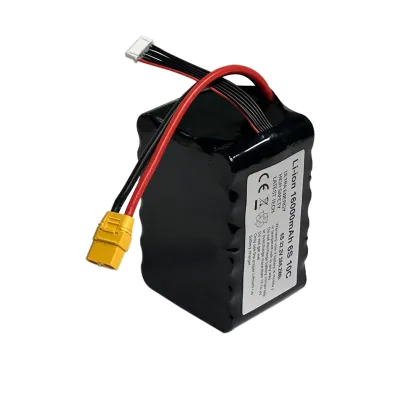
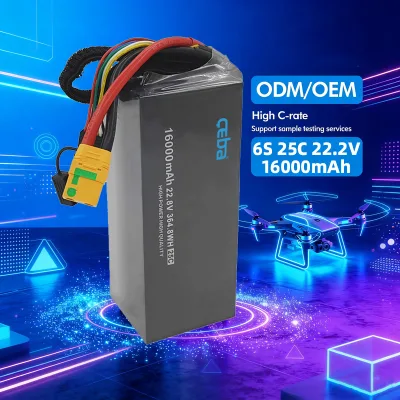
Fpv Drone Battery 6s 16000mAh for Drone Hot Selling Lithium Polymer Battery
$141.00 - $162.00
MOQ: 10 Pieces

Uav Battery Drone Battery 6s 31ah Lipo Drone Battery for Fpv Drone Quadcopter Airplane Helicopter
$254.20 - $301.40
MOQ: 10 Pieces


Guangzhou Geilienergy Electronic Co., Ltd.
- Verified by Intertek
- Manufacturer, Trading Company
- Lead time7 days
- Avg. response≤ 2h
Main productsLithium Batteries, Lithium Iron Phosphate Batteries, Lithium Polymer Batteries, Nickel Metal Hydride Batteries , Power Bank
Main marketsNorth America(40%), Eastern Asia(15%), Western Europe(10%)
Guangzhou Looyee Technology Co., Ltd
- Manufacturer, Trading Company
- Guangdong, China
- Lead time15 days
- Avg. response≤ 4h
Main productsLithium Polymer Battery,FPV Drone Battery,Semi-Solid State Battery,RC Battery,Battery Pack
Main marketsNorth America(20.00%), Eastern Europe(15.00%), Mid East(10.00%), Africa(10.00%), Southeast Asia(10.00%), South Asia(10.00%), Domestic Market(5.00%), South America(5.00%), Northern Europe(5.00%), Central America(5.00%), Western Europe(5.00%)
Shenzhen Jiaying Shidai Technology Co., Ltd.
- Verified by Intertek
- Manufacturer, Trading Company
- Lead time30 days
- Avg. response≤ 3h
Main productsDrone Battery, Home energy storage system
Main marketsSoutheast Asia(20%), South Asia(20%), Western Europe(10%)
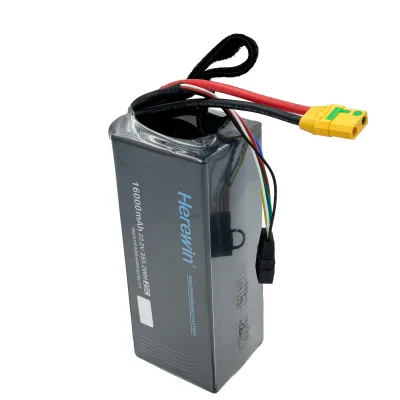
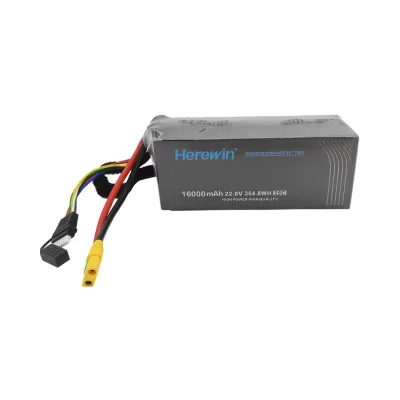
$81.7489 - $87.881
MOQ: 2 pieces
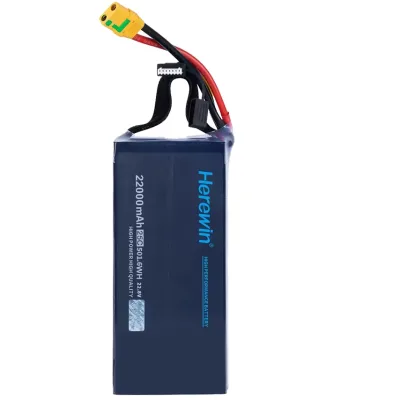
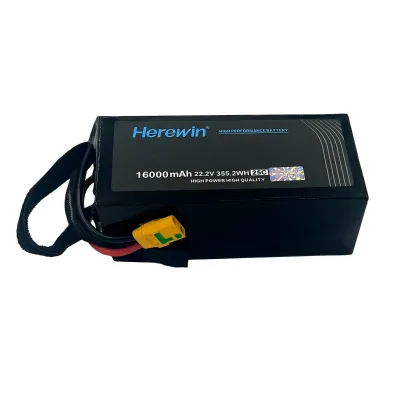
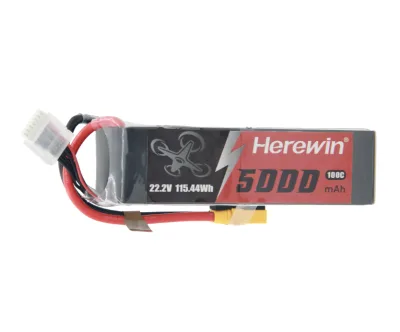
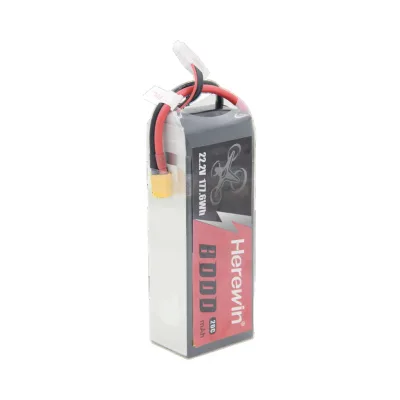
Shenzhen Boye Energy Co., Ltd.
- Verified by Intertek
- Trading Company
- Lead time10 days
- Avg. response≤ 4h
Main productsLi-ion Battery, Lifepo4 Battery, Lithium Polymer Battery, Nimh Battery, Battery Packs
Main marketsNorth America(31%), Western Europe(25%), Eastern Asia(15%)
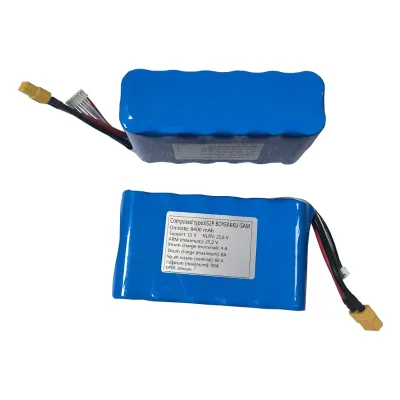
21700 6s2p High Energy Density Fpv Drone Battery 6s 22.2v 8000mah 8400mah 10c
$36.00 - $45.00
MOQ: 10 pieces
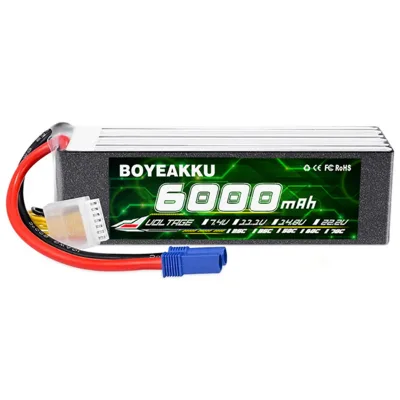
$25.794 - $33.0167
MOQ: 10 pieces

Padi Fly Technology Company Limited
- Verified by CTI
- Trading Company,Manufacturer/Factory
- China Guangdong
- Lead time15 days
- Avg. response≤ 2h
Main productsAnti-Drone Modules, Fpv Drones, Drone Detections, Drone Optical Fiber, Anti Fpv Module, Drone Defense, Fpv Drone Jammer, Fpv Suppressor, Antenna, Drone Accessories
Main marketsSouth America,Eastern Europe,Mid East,North America,Southeast Asia,Eastern Asia,Western Europe


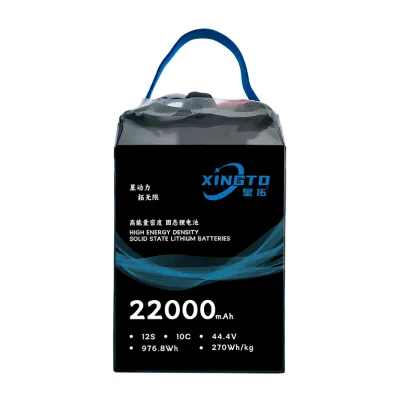
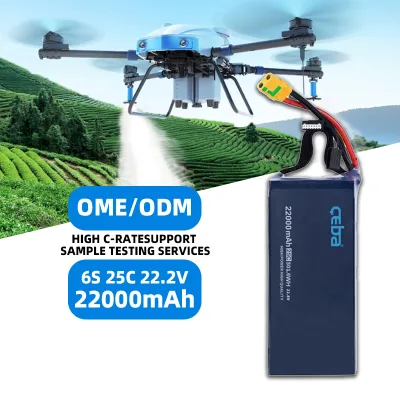
16000mAh-22000mAh 22.2V 6s Fpv Uav Lipo Battery, Customizable High Capacity Drone Lithium Battery
$40.00 - $145.00
MOQ: 1 Pieces


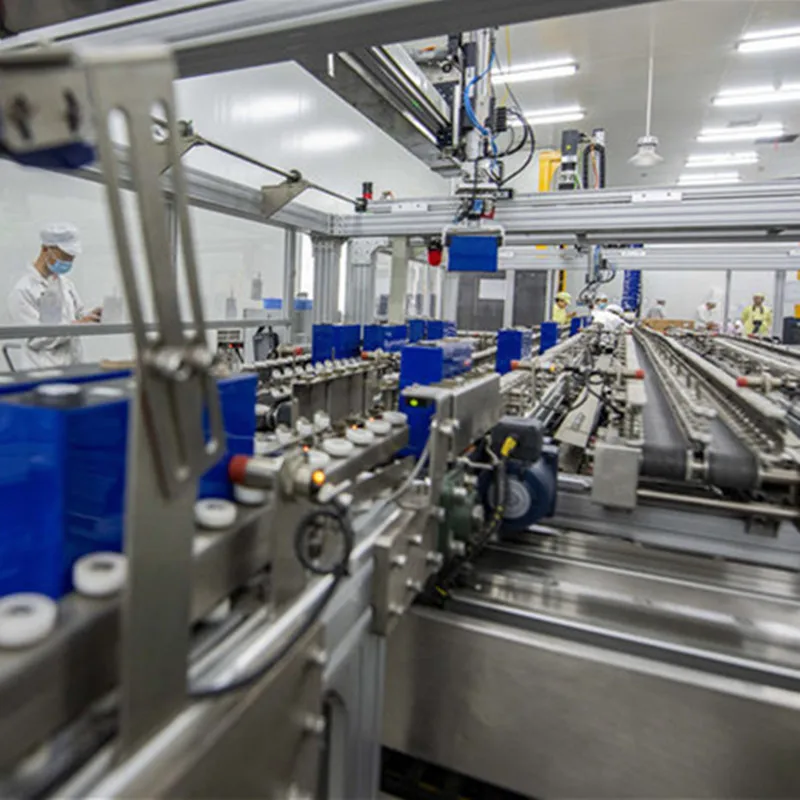
Henan Meddore New Material Technology Co., Ltd.
- Trading Company
- Henan, China
- Lead time15 days
- Avg. response≤ 3h
Main productsLithium ion Battery,Sodium Ion Battery,Battery Pack,Battery Production Equipment,Battery Production Line
Main marketsNorth America(35.00%), Western Europe(25.00%), South America(18.00%), Eastern Europe(5.00%), South Asia(5.00%), Africa(5.00%), Southeast Asia(5.00%), Mid East(2.00%)
Shenzhen IMR Technology Co., Ltd.
- Verified by SGS Group
- Manufacturer, Trading Company
- Lead time3 days
- Avg. response≤ 2h
Main productsBattery/Lifepo4 Battery/Battery Pack/Portable Energy Storage, E-Bike
Main marketsNorth America(84%), South America(2%), Eastern Europe(2%)
Shenzhen Hongxinda New Energy Co., Ltd.
- Verified by Intertek
- Manufacturer, Trading Company
- Lead time15 days
- Avg. response≤ 5h
Main productsLithium Ion Battery, LiFePO4 Battery, Electric Bicycle Battery, Energy Storage Battery
Main marketsDomestic Market(25%), South America(20%), Southeast Asia(20%)
Shenzhen JJ Innovative Technology Co., Ltd.
- Verified by TüVRheinland
- Trading Company
- Lead time7 days
- Avg. response≤ 1h
Main productsLipo Battery, Battery Charger, Uav Battery, Drone Battery
Main marketsEastern Europe(20%), North America(15%), Central America(10%)
Xiamen Ecolink Technology Co.,ltd
- Verified by SGS Group
- Trading Company
- Lead time10 days
- Avg. response≤ 1h
Main productsLithium Ion Battery, Inverter, Li-ion Battery Series, Home Energy Storage Equipment, Solar Photovoltaic Panel
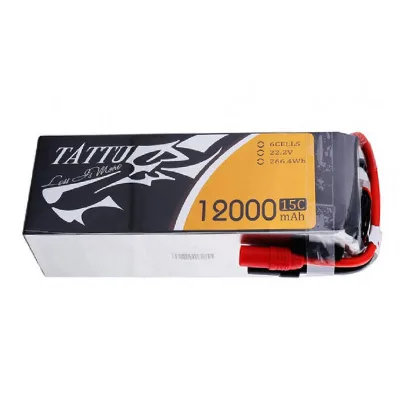
FPV Drone Solid State Battery 6S 22.2V 12000mAh 15C Discharge XT60 Connector BMS Protection FPV UAV
$51.5507 - $118.567
MOQ: 1 Minimum
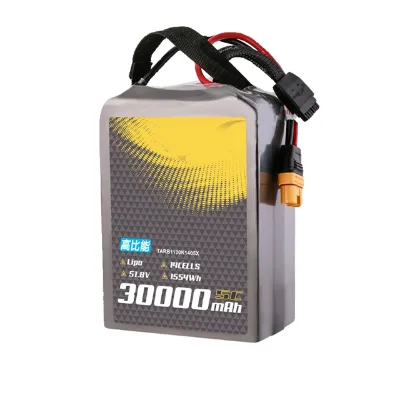
$974.9402 - $1019.3968
MOQ: 1 units
Shenzhen Fengfei Electronics Co., Ltd.
- Manufacturer, Trading Company, Distributor/Wholesaler
- Guangdong, China
- Lead time10 days
- Avg. response≤ 13h
Main productsElectronics,Drone accessories,FPV accessories,battery
Main marketsEastern Europe(50.00%), South Asia(5.00%), Southern Europe(5.00%), North America(5.00%), Northern Europe(5.00%), Western Europe(5.00%), Eastern Asia(5.00%), Mid East(5.00%), Africa(5.00%), Southeast Asia(5.00%), South America(5.00%)

Hubei ZQ Yun Technology Co.,Ltd
- Verified by BV
- Trading Company,Manufacturer/Factory
- China Hubei
- Lead time45 days
- Avg. response≤ 6h
Main productsDelta Wing Drone, Vtol Drone, Fixed Wing Drone, Agricultural Drone, Agriculture Drone, Delivery Drone, Cargo Drone, Fpv Drone, Drone Battery, Drone Accessories
Main marketsSouth America,Eastern Europe,Mid East,North America,Southeast Asia,Eastern Asia,Oceania,Western Europe,Africa

Luoyang Apower Imp. & Exp. Co., Ltd.
- Verified by TUVRHEINLAND
- Trading Company
- China Henan
- Lead time15 days
- Avg. response≤ 3h
Main products18650 Battery, Rechargeable Battery, Battery Pack, Lithium Battery, Li Ion Battery, Lithium Ion Battery, LiFePO4 Battery, Power Supply, Storage Battery, LFP Battery
Main marketsSouth America,Southeast Asia/ Mideast,Europe,North America

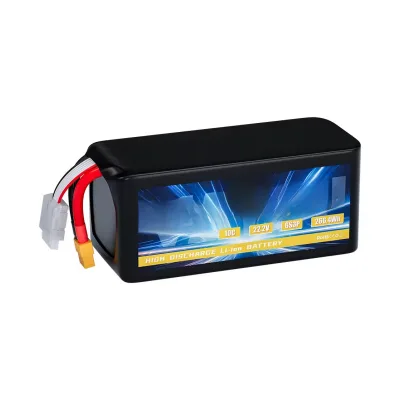
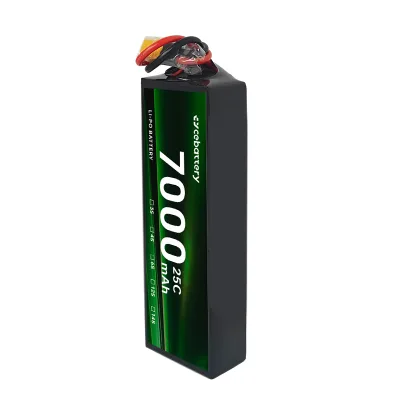
6s 22.2V Lipo Battery 7000mAh 8000mAh 9000mAh 10000mAh Uav Fpv Drone Battery Fpv
$55.97 - $67.35
MOQ: 200 Pieces

Popular Cylindrical 21700 Battery Jp40 4000mAh 3.7V 21700 Battery for Drone Fpv
$2.83 - $3.09
MOQ: 200 Pieces


Dongguan Maosheng New Energy Technology Co., Ltd.
- Verified by SGS Group
- Manufacturer, Trading Company
- Lead time0 days
- Avg. response≤ 3h
Main productsLithium Lipo Battery, Solid State Battery, LiPo Battery
Main marketsNorth America(20%), Eastern Europe(15%), Western Europe(15%)

- Trading Company
- China Guangdong
- Lead time0 days
- Avg. response≤ 8h
Main productsLithium Battery, Lipolymer Battery, LiFePO4 Battery, Medical Equipment Battery, Drone Battery, 18650 Battery, 21700 Battery, Consumer Electronics Products Battery
Shenzhen DroView Technology Co Ltd
- Verified by TüVRheinland
- Trading Company
- Guangdong, China
- Lead time0 days
- Avg. response≤ 4h
Main productsFPV Racing Drones, FPV Motors, FPV VTX & Stacks, Carbon Fibre FPV Frame, FPV Drone Batteries
Main marketsEastern Europe(25%), Western Europe(15%), Northern Europe(15%)
- Verified by SGS Group
- Trading Company
- Lead time30 days
- Avg. response≤ 5h
Main productsHybrid Car Battery, Two way radio Battery, Battery, Sodium-ion Battery, Battery pack
Main marketsNorth America(30%), Eastern Europe(12%), Western Europe(10%)
Shenzhen Cebattery Technology Co., Ltd.
- Verified by Intertek
- Manufacturer, Trading Company
- Lead time7 days
- Avg. response≤ 1h
Main productsLipo Battery, Battery Charger
Main marketsWestern Europe(30%), Oceania(20%), Eastern Asia(20%)

Guangzhou Dichen New Energy Co., Ltd.
- Verified by SGS
- Combined
- China Guangdong
- Lead time30 days
- Avg. response≤ 6h
Main productsLithium Ion Battery, LiFePO4 Battery, Battery Pack
Main marketsSoutheast Asia/ Mideast

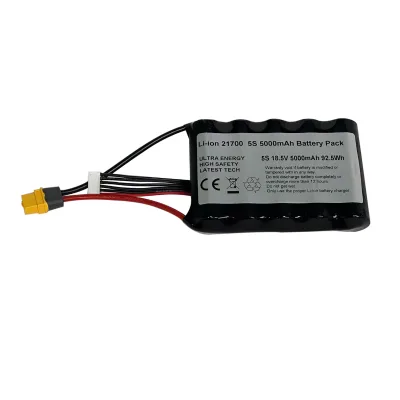
90A Drone Battery 21700 Li-ion Battery 3.6V 5000mAh Rechargeable Battery for Uav
$3.07 - $3.21
MOQ: 130 Pieces

Drone Battery 21700 3.6V Rechargeable Li-ion Battery 5000mAh High Power 70A
$4.085 - $4.11
MOQ: 200 Pieces

Shenzhen Nereus Industrial Co., Ltd.
- Verified by TUVRHEINLAND
- Trading Company
- China Guangdong
- Lead time15 days
- Avg. response≤ 2h
Main productsDrone, Electronic Speed Controller, Flight Controller, Brushless Motor, Servo Motor, Video Transmission System, Drone Camera Module, Fpv Camera Module
Main marketsNorth America

- Verified by TUVRHEINLAND
- Trading Company
- China Jiangxi
- Lead time15 days
- Avg. response≤ 4h
Main productsSolar Battery, LiFePO4 Battery, Energy Storage Battery, Lithium Ion Battery, Solar Generator, 48V 100ah, Power Station, Solar Lithium Battery, Rechargeable Battery, Energy Storage System
Main marketsOthers(foreignTradeCapacity.exportBusinessCapacityMarketOther),North America


6s Fpv 5200/6000/6500/7000/7500/8000/9000/9500/10000mAh Agriculture Lipo Drone Battery
$96.00 - $260.00
MOQ: 2 Pieces

$96.00 - $260.00
MOQ: 2 Pieces
Shenzhen Luoyi Trading Co., Ltd.
- Manufacturer, Trading Company
- Guangdong, China
- Lead time7 days
- Avg. response≤ 2h
Main productsLithium Polymer Battery,Li-ion Battery,Drone Battery,RC Battery,High Discharge Battery
Main marketsNorth America(30.00%), Southern Europe(10.00%), Western Europe(10.00%), Eastern Europe(10.00%), Northern Europe(10.00%), Domestic Market(5.00%), Mid East(5.00%), Oceania(5.00%), Central America(5.00%), South Asia(2.00%), Africa(2.00%), Southeast Asia(2.00%), Eastern Asia(2.00%), South America(2.00%)
Shenzhen Jiuhang Electronic Technology Co., Ltd.
- Verified by Intertek
- Trading Company
- Lead time7 days
- Avg. response≤ 3h
Main productsBattery Charger, Electronic Speed Controller, Motor
Main marketsSouth Asia(40%), Eastern Asia(30%), North America(20%)
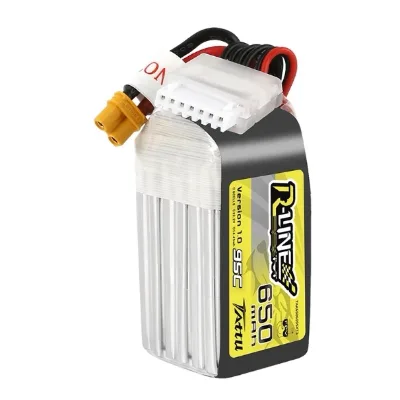
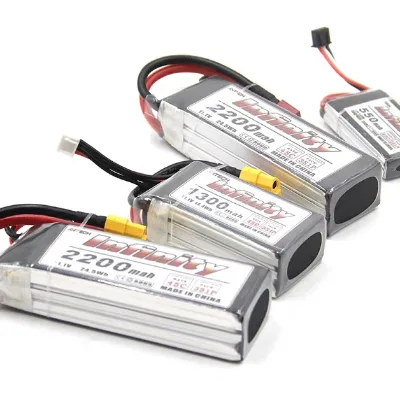
Ge's ACE FPV Battery 2S 6S 95C High Discharge Rate for Model Aircraft 500mAh 1800mAh Gold Brick 1.0
$13.90 - $14.50
MOQ: 1 pieces
$12.2358 - $12.8536
MOQ: 1 pieces








Comprehensive Sourcing Guide
21700 6S FPV Drone Battery Supplier Concentration and Factory Types
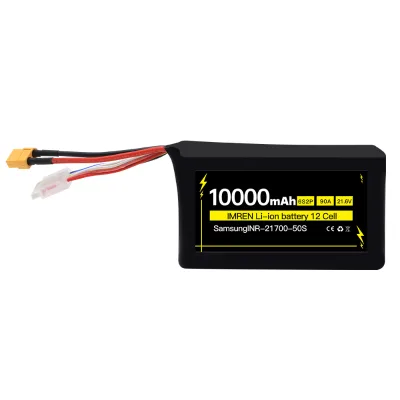
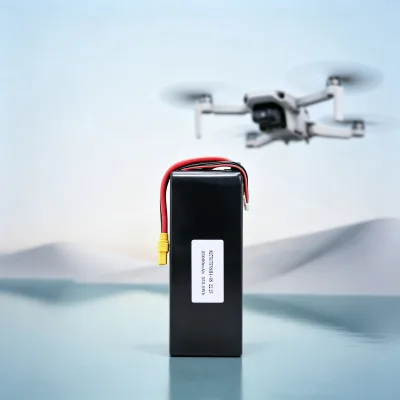
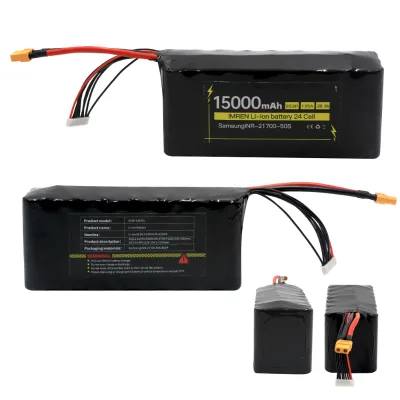
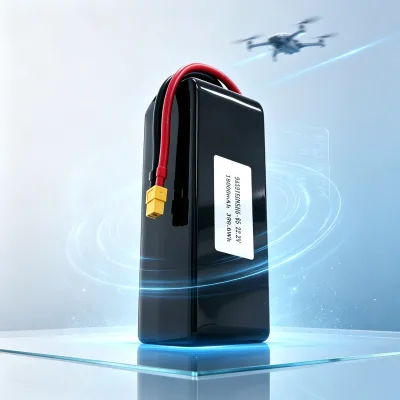
Current data indicates a concentration of manufacturing activity in China, specifically within the Guangdong province, where specialized factories produce Fpv Drone Batteries and Solid State Uav Batteries. These facilities often operate as Manufacturer/Factory entities, offering a direct line to production lines for Molicel Battery Packs and Fpv Motors. The presence of these manufacturers suggests a robust supply chain for cylindrical lithium-ion cells, particularly those utilizing the 21700 form factor for high-capacity drone applications. Buyers should look for suppliers listing these specific product categories to ensure they are engaging with entities that have the requisite technical infrastructure for battery assembly.
In contrast, some suppliers in the results are classified as Combined entities, potentially indicating a mix of trading and manufacturing capabilities or a broader product portfolio that includes terminal blocks alongside battery packs. These combined entities may offer different advantages, such as access to a wider range of components or more flexible sourcing options for non-standard configurations. When evaluating the factory type, it is crucial to distinguish between pure manufacturers who control the cell chemistry and assembly process and those who may source components from various origins. This distinction impacts the ability to customize specifications like cathode material, whether NCM or LFP, and the overall quality control measures applied to the final 6s2p battery pack.
How to Verify 21700 6S FPV Drone Battery Suppliers
Verification is a critical step when sourcing 21700 6S Fpv Drone Batteries, as the market contains a mix of verified and unverified entities. Some suppliers in the current results display BV verification status, which serves as a tangible indicator of a third-party audit of their business operations and capabilities. Buyers should prioritize suppliers with such verification badges to mitigate the risk of fraud or misrepresentation regarding their factory size and production capacity. Additionally, checking for system certifications like ISO9001:2015 can provide further assurance that the supplier adheres to international quality management standards, which is essential for consistent battery performance and safety.
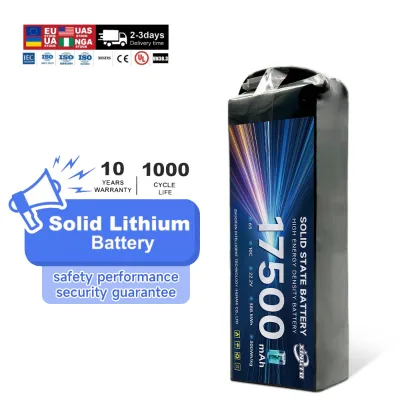
Beyond external verification badges, buyers must scrutinize the specific product attributes and certifications listed for each battery model. Evidence shows that reputable listings often include detailed certifications such as CE, RoHS, SGS, IEC, and UN38.3, which are mandatory for shipping lithium batteries and ensuring compliance with safety regulations. The presence of these certifications on the product page suggests that the supplier has undergone rigorous testing for transport safety and environmental compliance. Buyers should request copies of these certificates directly from the supplier to confirm their validity and ensure they cover the specific model number, such as the Inr21700-P42A, rather than generic claims that may not apply to the exact configuration being ordered.
What to Compare Across 21700 6S FPV Drone Battery Suppliers
When comparing suppliers, response time is a key metric for assessing communication efficiency and potential service quality. Data indicates response times around 2.17 hours for some manufacturers, which suggests a high level of responsiveness and readiness to address technical inquiries or customization requests. A faster response time often correlates with better project management and a more proactive approach to solving supply chain issues, which is vital when dealing with complex battery specifications like discharge rates or custom dimensions. Buyers should compare these response metrics across multiple suppliers to identify those that can provide timely support throughout the procurement lifecycle.
Lead time and Minimum Order Quantity (MOQ) are equally critical factors that vary significantly between different suppliers and product types. Current observations show lead times of approximately 15 days for standard orders, while MOQs can range from as low as 2 units for certain samples or specific models to 100 units for bulk production runs. This variance allows buyers to tailor their ordering strategy based on their immediate needs, whether they are testing a new design with a low MOQ or scaling up production with a higher volume commitment. Comparing these logistical parameters helps buyers align their inventory planning with supplier capabilities, ensuring that production schedules are met without unnecessary delays or excessive capital tied up in stock.
Common 21700 6S FPV Drone Battery Sourcing Risks
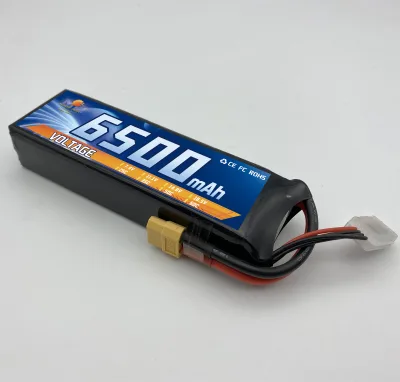
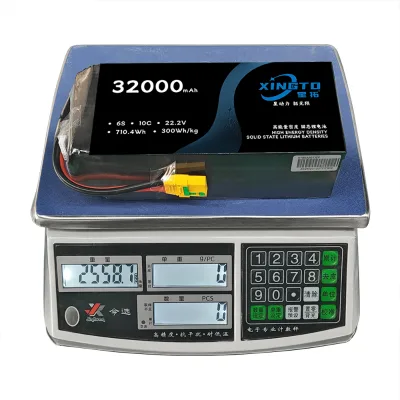
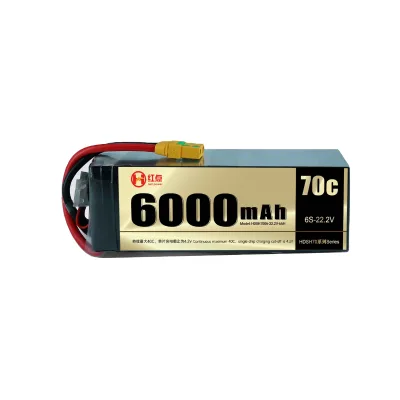
One significant risk in sourcing these batteries involves the discrepancy between advertised capacity and actual performance, particularly regarding the cell chemistry and cycle life. While some listings specify a capacity of 8400mAh or 12000mAh, others may list different values like 4200mAh per cell, requiring careful calculation of the total pack capacity. Buyers must verify the actual discharge rate, which can range from 5c-10c for solid-state options to 100c for high-performance Lipo packs, to ensure the battery meets the power demands of their specific drone application. Relying solely on marketing keywords without validating technical specifications can lead to performance failures during flight operations.
Another risk pertains to the warranty and after-sales support structure, which varies widely among suppliers. Evidence shows warranty periods ranging from 1 year to 12 months, but the terms of coverage for defects or capacity degradation are often not detailed in the initial product listing. Buyers should clarify the specific conditions under which a warranty claim can be made, including whether it covers the entire pack or just the cells. Additionally, the lack of standardized packing methods, with some suppliers using 1PCS/Box and others using Cartons, can lead to confusion regarding shipping costs and damage protection. Understanding these nuances is essential to avoid unexpected costs and ensure long-term reliability of the purchased battery packs.
21700 6S FPV Drone Battery Regional Sourcing and Logistics
Regional sourcing from China, particularly Guangdong and Jiangsu provinces, offers access to a dense network of battery manufacturers and component suppliers. These regions are known for their specialized industrial clusters that support the production of Fpv Drones Parts and Fpv Motors, creating an ecosystem where battery suppliers can easily source high-quality cells and electronic components. The proximity of these suppliers to major shipping ports facilitates efficient logistics, reducing transit times and costs for international buyers. However, buyers should verify the specific location of each supplier, as some may be located in Jiangsu while others are in Guangdong, which can impact shipping routes and customs procedures.
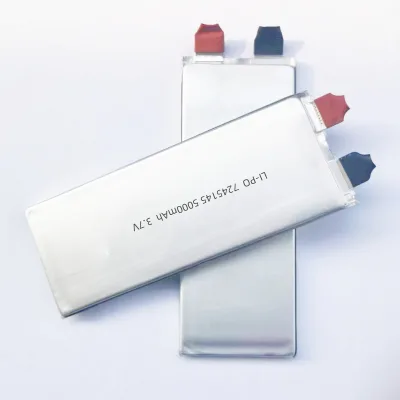
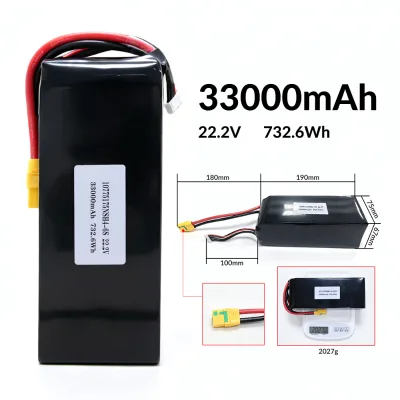
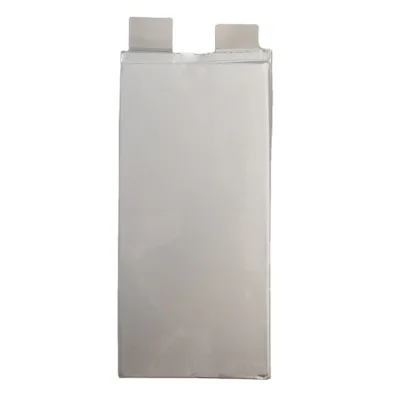
Logistics planning must also account for the specific dimensions and weight of the battery packs, which vary by model and capacity. For instance, some 6s2p packs have dimensions of 7021mm, while larger prismatic packs can measure 205137*11mm, significantly affecting packaging and freight costs. The weight of these batteries, ranging from 70g for smaller cells to over 2000g for high-capacity packs, further influences shipping classifications and rates. Buyers should request detailed packing lists and dimensions from suppliers to accurately calculate freight charges and ensure that the packaging meets the requirements for safe transport of lithium batteries, which are subject to strict international shipping regulations.
21700 6S FPV Drone Battery Commercial Terms and Order Planning
Commercial terms for 21700 6S Fpv Drone Batteries often include a price range that reflects the complexity of the battery chemistry and the volume of the order. Current data shows prices ranging from $32.00 to $49.00 for standard packs, while specialized solid-state or high-capacity models can reach $360.00 or more. Buyers should be aware that these prices are subject to change based on raw material costs, such as the price of Molicel cells or NCM cathode materials. It is essential to negotiate pricing based on the specific model and capacity requirements, ensuring that the quoted price includes all necessary certifications and packaging to avoid hidden costs later in the process.
Order planning should also consider the customization options available, as many suppliers offer customization for battery packs to meet specific drone requirements. The ability to customize dimensions, capacity, and discharge rates allows buyers to optimize their drone performance, but it may also extend lead times and increase the minimum order quantity. Buyers should confirm the customization lead time and any additional costs associated with custom molds or special cell configurations before placing an order. Additionally, understanding the payment terms and the availability of escrow services can help secure the transaction, ensuring that funds are only released once the goods meet the agreed-upon specifications and quality standards.
FAQs
What is the typical lead time for 21700 6S FPV Drone Battery orders?
The typical lead time for these battery orders is 15 days. This duration applies to standard manufacturing cycles for Molicel-based packs. Buyers should confirm specific timelines with suppliers before placing large volume orders to ensure timely delivery.
What is the minimum order quantity for Molicel 21700 6s fpv drone batteries?
The minimum order quantity varies by product model. Some listings require 100 units, while others accept orders as low as 2 units. Buyers must check the specific product page to verify the exact MOQ applicable to their selected battery configuration.
Which certifications are available for 21700 6s fpv drone batteries?
Available certifications include CE, RoHS, SGS, IEC, and UN38.3. These standards ensure safety and compliance for lithium-ion battery transport. Buyers should request valid certificates from the supplier to confirm that the specific batch meets these regulatory requirements.
What is the price range for 21700 6s fpv drone batteries?
Prices range from 32 to 49 dollars for standard packs. High-capacity solid-state options may cost up to 360 dollars. The final price depends on capacity, discharge rate, and customization requirements specified in the product listing details.
Where are the 21700 6S FPV Drone Battery manufacturers located?
Manufacturers are primarily located in China, specifically in Guangdong and Jiangsu provinces. These regions host factories producing Molicel packs and solid-state batteries. Buyers can filter search results by these locations to find suppliers with established production capabilities.
What is the response time for supplier inquiries on 21700 6s fpv drone batteries?
Suppliers typically respond within 2.17 hours. This fast response time helps buyers clarify technical specifications quickly. Buyers should expect prompt communication when contacting verified manufacturers for urgent sourcing needs regarding these specific drone battery components.
What is the cycle life of 21700 6s fpv drone batteries?
Cycle life ranges from more than 500 times to 800-1000 times depending on the chemistry. NCM cells often offer over 500 cycles, while LFP variants may reach 1000 cycles. Buyers should verify the specific cycle rating for their chosen battery model.
Can 21700 6s fpv drone batteries be customized?
Yes, customization is available for most battery models. Buyers can request specific dimensions, capacities, or discharge rates. The supplier will confirm feasibility based on their ODM and OEM capabilities before proceeding with a custom production run.