Source Multistage Horizontal Centrifugal Pump for Industry, Agriculture, Daily Life
Find 30 verified options for the Multistage Horizontal Centrifugal Pump designed for industrial, agricultural, and daily life applications. Buyers can compare models like P-RO-CHL and LGC, noting features such as motor driving types, high-pressure capabilities, and customizable packing solutions.
Key considerations
Products List


$50.00 - $1000.00
MOQ: 10 units

$300.00 - $10000.00
MOQ: 1 Pieces


Comprehensive Sourcing Guide
Strategic Sourcing Guide for Multistage Horizontal Centrifugal Pumps
Understanding the Core Technology and Configuration
The Multistage Horizontal Centrifugal Pump represents a specialized class of fluid handling equipment designed to generate high discharge pressures through the sequential arrangement of impellers. In this configuration, the pump shaft is positioned horizontally, a design choice that facilitates easier maintenance and alignment compared to vertical alternatives. The defining characteristic of the multistage unit is its impeller count; unlike single-stage pumps that utilize one impeller to move fluid, these units employ multiple impellers arranged in series. This arrangement allows the fluid to pass through each stage, gaining pressure incrementally with every rotation, ultimately achieving a total head significantly higher than a single-stage counterpart.
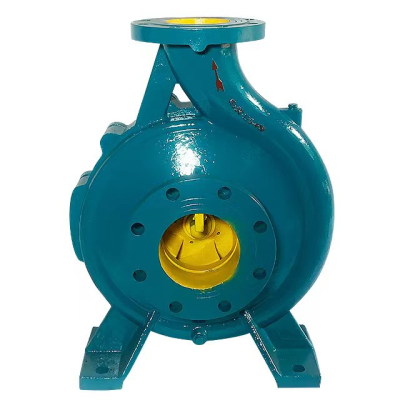
When evaluating the physical construction, buyers must note specific attributes regarding the pump casing. The observed market includes units with horizontal split casings, which allow for the removal of the upper half of the casing without disturbing the piping or the motor alignment. This feature is critical for facilities requiring frequent internal inspections or repairs. Furthermore, the impeller type is a vital technical differentiator. While some applications utilize open impellers, high-pressure multistage applications often rely on closed impellers to maximize hydraulic efficiency and minimize recirculation losses. The driving mechanism is typically motor-driven, ensuring consistent rotational speed necessary for maintaining the required head and flow characteristics.
The influent type of the impeller also dictates the pump's suitability for specific fluid conditions. While double-suction designs are common for high-flow applications, the multistage horizontal configuration frequently utilizes single-suction arrangements to manage the pressure build-up across stages effectively. The mounting height and shaft position are strictly defined by the horizontal orientation, which influences the foundation requirements and the overall footprint of the installation. Buyers should verify that the specific model, such as those designated with codes like P-RO-CHL or P-RO-GLF, aligns with these structural requirements. The color of the pump casing, often observed in blue, yellow, green, or red, serves as a visual identifier but does not inherently indicate performance capabilities; however, it may correlate with specific coating standards for corrosion resistance.
Technical Specifications and Performance Parameters
Selecting the correct Multistage Horizontal Centrifugal Pump requires a rigorous analysis of performance parameters, specifically head, capacity, and pressure ratings. The primary function of these pumps is to overcome high resistance in piping systems, often requiring a maximum head exceeding 150 meters. This high-head capability is achieved through the multistage impeller design, where the cumulative effect of multiple stages generates the necessary pressure. Buyers must distinguish between pumps designed for general circulation and those intended for high-pressure applications, as the latter often feature specialized sealing mechanisms and reinforced casings.
Capacity is another critical metric, with observed specifications indicating maximum capacities exceeding 400 liters per minute for certain models. However, the relationship between head and capacity is inverse; as the required head increases, the flow rate typically decreases unless the pump is significantly oversized. The working pressure classification is a key differentiator, with these units often categorized as high-pressure pumps. This classification necessitates careful material selection for the casing and impeller to withstand the internal stresses generated during operation. Standard materials observed in the market include cast iron, stainless steel grades such as SS304 and SS316, and other alloys depending on the corrosiveness of the fluid being pumped.
The electrical specifications are equally important for integration into existing plant infrastructure. The voltage requirements can vary widely, with common configurations supporting 220V, 380V, 410V, 460V, and high-voltage inputs. The frequency of operation is typically standardized at 50Hz or 60Hz, but buyers must ensure compatibility with the local power grid. The sealing system is a critical component of the pump's reliability. While some units utilize mechanical seal packaging, others may employ different sealing arrangements depending on the fluid properties and pressure requirements. The standard caliber for these pumps ranges from 20mm to 300mm, influencing the pipe connection sizes and the overall flow dynamics.
| Parameter | Typical Observation | Verification Requirement |
|---|---|---|
| Shaft Position | Horizontal | Confirm alignment with foundation |
| Impeller Type | Closed / Single Suction | Verify fluid compatibility |
| Casing Design | Horizontal Split | Check accessibility for maintenance |
| Max Head | >150m | Validate against system curve |
| Max Capacity | >400 L/min | Ensure flow demand is met |
| Voltage | 220V-460V / HV | Match local power supply |
| Frequency | 50Hz / 60Hz | Confirm grid compatibility |
| Material | Cast Iron, SS304, SS316 | Assess corrosion resistance |
Compliance, Certification, and Quality Standards
Navigating the regulatory landscape is essential for ensuring that the procured equipment meets international safety and quality benchmarks. While specific certification statuses vary by manufacturer, buyers should look for evidence of compliance with recognized standards. The market data indicates the presence of ISO9001:2000 certification, which signifies that the manufacturer has established a quality management system capable of consistently providing products that meet customer and regulatory requirements. Additionally, the CE marking is a critical indicator of conformity with health, safety, and environmental protection standards for products sold within the European Economic Area.
Beyond general quality management, specific performance metrics may be claimed by suppliers. For instance, certain filtration or separation components associated with the system may boast an ISOSalt Rejection Rate of 99.5%, though this specific metric should be verified against the exact component being purchased rather than assumed for the entire pump assembly. The origin of the products is predominantly China, with specific manufacturing hubs identified in Shanghai. This geographic concentration can influence lead times and logistics but also suggests a mature supply chain for industrial pumps.
Buyers must exercise caution when interpreting standard claims. While ISO9001 is frequently referenced, the specific version (e.g., 2000 vs. newer iterations) should be confirmed. Similarly, while CE is a standard requirement for many markets, the scope of certification must cover the specific pump model and its intended application. The product standards also include material specifications such as "caliber: 20~300mm," which serves as a guideline for sizing but does not replace the need for engineering validation. Customization is often available, allowing buyers to tailor the pump to specific operational needs, but this requires clear communication of requirements to ensure that the customization does not void existing certifications or warranties.
Cost Drivers and Economic Considerations
The total cost of ownership for a Multistage Horizontal Centrifugal Pump is influenced by several factors beyond the initial purchase price. The observed price range in the market spans from 1 to 10,000 USD, reflecting the vast diversity in pump sizes, materials, and performance capabilities. A pump with a simple cast iron casing and a single-stage design will naturally fall at the lower end of this spectrum, whereas a high-pressure, stainless steel, multistage unit with specialized sealing and custom engineering will command a premium price.
Material selection is a primary cost driver. Stainless steel grades like SS304 and SS316 offer superior corrosion resistance compared to cast iron but come at a higher material cost. The complexity of the impeller design also affects pricing; closed impellers and multistage configurations require more precise machining and assembly, increasing manufacturing costs. The driving type, typically a motor, adds to the overall expense, especially if high-voltage or variable frequency drive (VFD) compatible motors are required.
Packaging and logistics represent another significant cost component. The observed packaging methods include wooden boxes, wooden sealed packaging, and export standard wooden cases. These robust packaging solutions are necessary to protect the pump during international shipping, particularly given the precision of the internal components. The origin location, often Shanghai, China, implies specific shipping routes and potential tariffs that must be factored into the budget. Furthermore, the minimum order quantity (MOQ) ranges from 1 to 100 units, which can impact the unit cost for smaller buyers. Bulk purchasing may offer economies of scale, but the flexibility to order single units is available for specific project needs.
Typical Applications and Operational Context
Multistage horizontal centrifugal pumps are versatile machines deployed across a wide array of industries. Their primary application is in water treatment facilities, where they are used to move large volumes of water against high resistance, such as in filtration systems or reverse osmosis pre-pressurization. The high-head capability makes them ideal for boosting water pressure in municipal distribution networks or for supplying water to high-rise buildings. In the agricultural sector, these pumps are utilized for irrigation systems that require significant lift to move water from deep wells or distant sources to fields.
Industrial applications are equally prevalent. These pumps are commonly found in condensate recovery systems, where they handle hot water returning from steam turbines. The slurry pump variant is designed to handle abrasive fluids, making it suitable for mining and mineral processing operations. Circulating pumps are used in heating, ventilation, and air conditioning (HVAC) systems to maintain fluid flow through heat exchangers. The specific model codes, such as LGC, LGCA, LDL, LMS, and CDLF4-4, often correspond to specific application niches, with some models optimized for daily life water supply and others for heavy industrial duty.
The versatility of these pumps is further enhanced by their ability to handle various fluid types. While primarily designed for water, the material options (cast iron, SS304, SS316) allow them to handle slightly corrosive or chemically treated fluids. The color coding, which can be customized or selected from standard options like blue, yellow, green, or red, often helps in identifying the pump's function within a complex piping network. However, the color is a cosmetic feature and should not be confused with a performance indicator. The main uses listed in the market data include water treatment, daily life, agriculture, and industry, underscoring the broad applicability of this technology.
Supplier Evaluation and Quality Assurance
Evaluating potential suppliers for multistage horizontal centrifugal pumps requires a systematic approach to ensure reliability and performance. Buyers should prioritize suppliers who demonstrate a clear understanding of the technical specifications, particularly regarding the multistage impeller design and horizontal split casing construction. The availability of customization is a strong indicator of a supplier's flexibility and engineering capability. However, buyers must verify that customization does not compromise the structural integrity or the certification status of the pump.
Quality control is paramount, especially given the high-pressure nature of these pumps. Suppliers should provide evidence of rigorous testing procedures, although specific test results should be requested on a case-by-case basis rather than assumed. The presence of certifications like ISO9001:2000 and CE is a positive signal, but buyers should request valid certificates and verify their scope. The origin of the product, particularly from established manufacturing hubs like Shanghai, can be a proxy for supply chain maturity, but it should not be the sole criterion for selection.
Buyers should also assess the supplier's after-sales support and documentation. The provision of detailed manuals, installation guides, and maintenance schedules is essential for the long-term operation of the pump. The packaging method, whether it is a standard wooden box or a sealed export case, should be evaluated for its ability to protect the pump during transit. Additionally, the supplier's ability to meet the specific voltage and frequency requirements of the buyer's location is critical. A supplier that can accommodate a wide range of voltages (220V to high voltage) and frequencies (50Hz/60Hz) demonstrates a broader market reach and technical competence.
Long-Term Procurement and Maintenance Strategy
Procuring a Multistage Horizontal Centrifugal Pump is not merely a transactional event but the beginning of a long-term operational relationship. Buyers should consider the long-term implications of their selection, including maintenance requirements, spare parts availability, and energy efficiency. The horizontal split casing design facilitates easier maintenance, but the complexity of the multistage impeller arrangement means that internal repairs require specialized skills and tools. Buyers should ensure that the supplier provides a comprehensive list of spare parts, including impellers, mechanical seals, and bearings, to minimize downtime.
Energy efficiency is a growing concern in industrial procurement. The motor driving the pump should be selected for optimal efficiency at the operating point. While the voltage and frequency are standard considerations, the motor's efficiency class can significantly impact long-term operating costs. Buyers should inquire about the pump's hydraulic efficiency and the potential for energy savings through variable speed drives. The customization options available, such as specific impeller trimming or casing modifications, can be leveraged to optimize the pump's performance for the specific application, further enhancing efficiency.
Finally, the procurement strategy should include a plan for lifecycle management. This involves regular inspections, performance monitoring, and timely replacement of worn components. The supplier's reputation for reliability and their track record in the industry are critical factors in this decision. By focusing on technical specifications, compliance, and long-term support, buyers can ensure that their investment in multistage horizontal centrifugal pumps delivers consistent value and operational stability over the life of the equipment. The observed market data provides a solid foundation for these decisions, but continuous verification and due diligence remain essential for successful procurement.
FAQs
What is the maximum head capacity for these pumps?
The maximum head capacity exceeds 150 meters for specific models like the LGCA series. This high head is achieved through a multistage impeller design that incrementally increases pressure across multiple stages.
Which certifications are available for these pump products?
Some products carry ISO9001:2000 certification and CE standards. Buyers should verify specific model compliance as certifications vary by manufacturer and product line rather than applying universally to all units.
Can I customize the color and packaging of the pump?
Customization is available for both color and packaging configurations. Buyers can select from blue, yellow, green, or red finishes and choose between wooden boxes or sealed packaging based on their specific project needs.
What is the minimum order quantity for purchasing these pumps?
The minimum order quantity ranges from one to one hundred units depending on the supplier. This flexibility allows buyers to source single units for specific projects or larger batches for industrial deployment.
How does the impeller design affect pump performance?
These pumps utilize closed impellers in multistage configurations to maximize hydraulic efficiency. The closed design minimizes recirculation losses compared to open impellers, making it suitable for high-pressure applications.
What voltage frequencies are supported by these electric pumps?
The pumps support frequencies of 50Hz and 60Hz with various voltage inputs. Available options include 220V, 380V, 410V, 460V, and high voltage configurations to match local power grid standards.
Where are these multistage pumps primarily manufactured?
The primary manufacturing origin is China, with specific hubs located in Shanghai. This geographic concentration influences logistics and lead times for international buyers sourcing these industrial fluid handling units.