Source Demon Slayer 3D Photo Frame for Wall Decor
Find 30 listings for the Demon Slayer 3D Photo Frame, featuring anime-style lenticular sheets with 3D depth and flip effects. Compare specifications from Guangdong suppliers, including PET/PP materials and custom artwork options for promotional or souvenir use; compare the available evidence and request quotations based on your requirements.
Key considerations
Products List
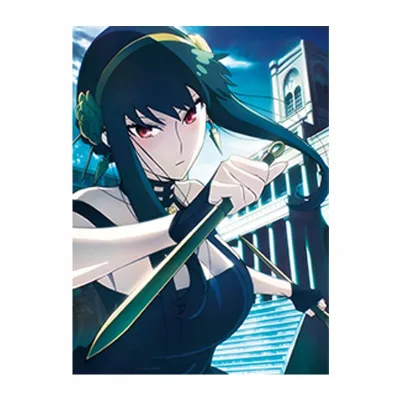
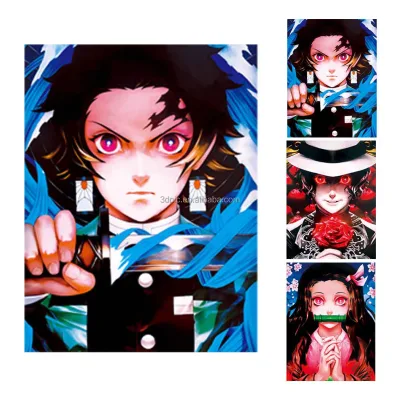
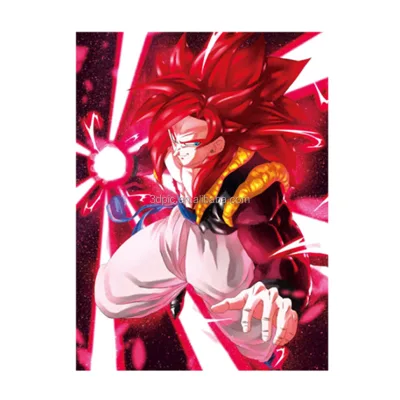
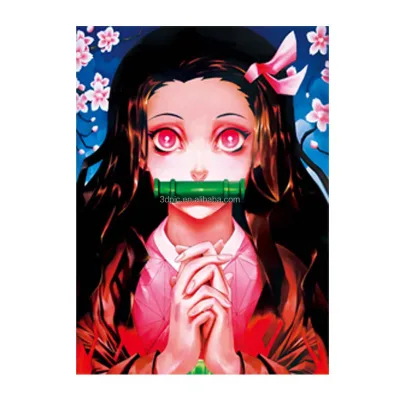
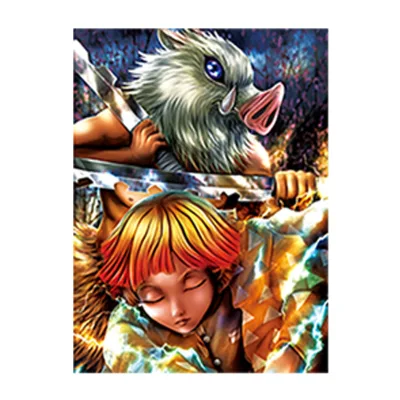
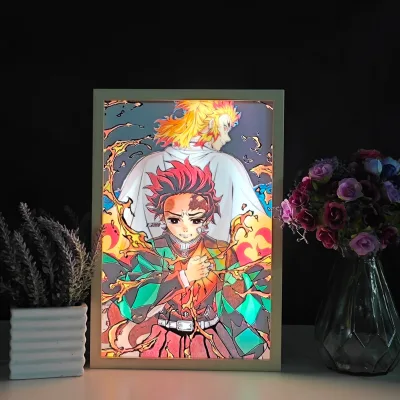
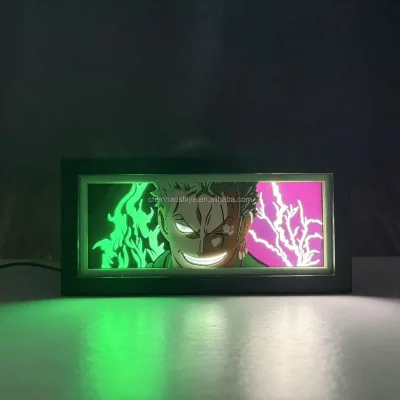
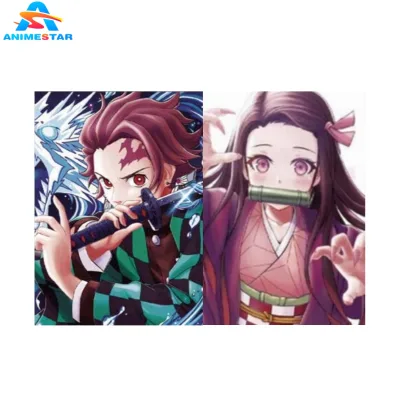

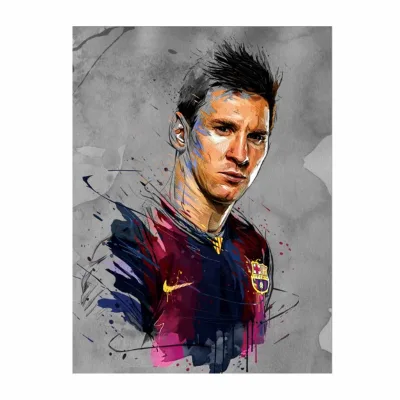
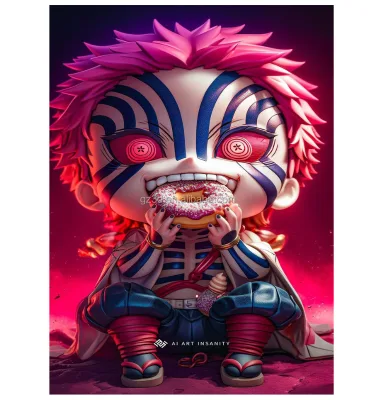

3D Lenticular Haunted Frame Spooky Horror Black Photo Frame Halloween Party Decoration
$0.58 - $0.65
MOQ: 1540 Pieces


New Design Silver Hammered Metal Picture and Photo Frame for Home Decor
$1.99 - $2.35
MOQ: 1000 Pieces
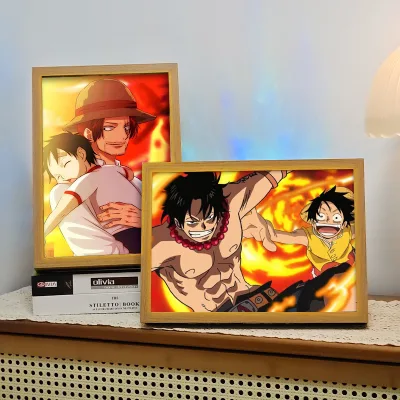
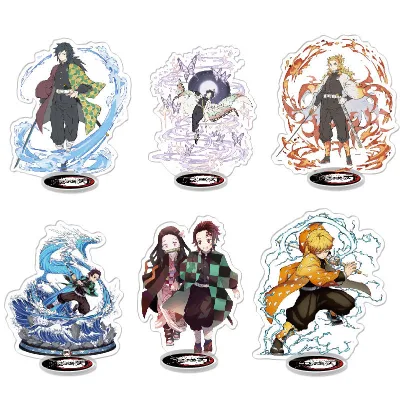


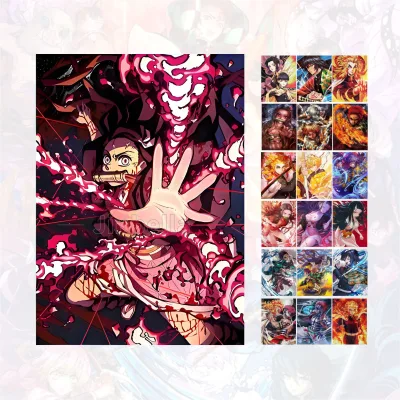
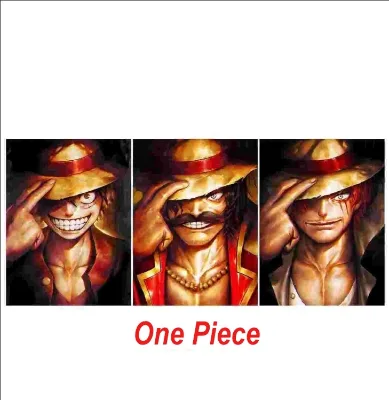
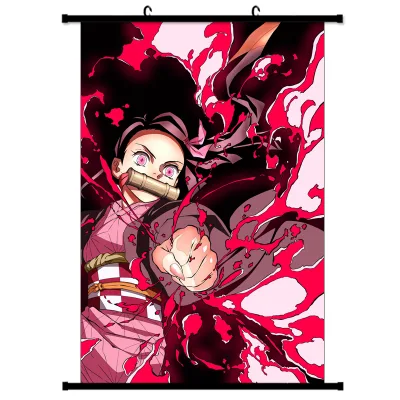
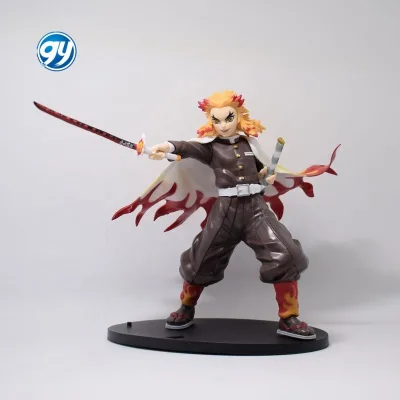

Demon Slayer as Picture Personalized Acrylic Anime Keychain with Good Service
$0.40 - $0.50
MOQ: 100 pieces
Comprehensive Sourcing Guide
Demon Slayer 3D Photo Frame Sourcing Guide
Procuring 3D photo frames featuring popular anime characters like Demon Slayer requires careful attention to the specific lenticular technology used to create the depth effect. Buyers must distinguish between standard flat posters and true lenticular sheets that utilize 75 LPI or 100 LPI lenses to achieve motion, flip, or morphing visual results. The supply chain for these items is heavily concentrated in Guangdong, China, where manufacturers specialize in PET and PP materials to ensure the necessary optical clarity and durability for wall decoration.
When evaluating listings, buyers should verify that the product description explicitly mentions the lenticular sheet thickness, typically ranging from 0.6mm to 0.76mm, which directly impacts the viewing angle and 3D depth perception. It is critical to confirm whether the supplier offers customized artwork capabilities, as many vendors provide OEM services to print specific anime designs on the lenticular surface. Without these specific technical attributes, the final product may fail to deliver the immersive visual experience expected by end consumers in the anime merchandise market.
Product Scope and Observed Listing Signals
The market for 3D anime posters often blurs the line between framed products and unframed lenticular sheets, requiring buyers to scrutinize packaging details and item descriptions carefully. Observed listings frequently describe items as "3D posters" or "lenticular sheets" with specific effects like depth, flip, or zoom, yet they often lack an included frame. Procurement teams must explicitly request frame specifications if a finished photo frame is the goal, as many suppliers list the product as a standalone sheet intended for custom framing or direct wall mounting.
Buyers should also note the variation in product styles, which range from animal themes to specific anime cartoon characters, and verify that the requested design is available in stock or requires a custom production run. The supply ability for these items can vary significantly, with some vendors offering up to 350,000 pieces per week while others have lower capacities around 10,000 pieces. This discrepancy affects lead times and inventory planning, making it essential to confirm the current stock status and production capacity before placing a large order for seasonal promotions.
Technical Specifications to Verify
The optical performance of a 3D photo frame depends heavily on the lenticular lens pitch, which is commonly observed at 75 LPI or 100 LPI for customized orders. Buyers must verify that the supplier uses high-quality PET material with a thickness of approximately 0.65mm to 0.76mm to ensure the lens structure remains intact during shipping and installation. Thinner materials may result in optical distortion or reduced durability, while thicker sheets might be too rigid for certain mounting applications, so precise thickness confirmation is a key quality control step.
Additionally, the substrate material and printing method must be compatible with the lenticular sheet to prevent image blurring or color shifting. Listings often specify the use of PET combined with paper or plastic film, and buyers should confirm that the printing process aligns with the lens pitch to achieve the intended 3D depth and flip effects. It is also necessary to check the single package dimensions, which are often around 30x40cm, to ensure the final product fits standard display areas and shipping containers without excessive damage risk.
Compliance and Safety Documentation
Safety compliance is a non-negotiable aspect of sourcing 3D photo frames, particularly when the products are intended for children or general consumer use in various markets. Suppliers should provide documentation for certifications such as EMC, RoHS, CE, and LVD, which indicate that the materials and manufacturing processes meet international safety and environmental standards. These certifications are critical for importing goods into regions with strict regulations on plastic products and electronic components, ensuring that the frames do not contain hazardous substances.
Buyers must also verify the eco-friendly status of the materials used, as many listings claim the use of eco-friendly PET and paper films. It is important to request specific test reports or material safety data sheets that confirm these claims, rather than relying solely on marketing statements. Ensuring that the packaging details meet export standards and that the product itself adheres to relevant safety guidelines will mitigate the risk of customs delays or product recalls in the destination market.
Cost Drivers and Commercial Terms
The final cost of a 3D photo frame is influenced by several factors, including the complexity of the lenticular lens, the customization of the artwork, and the volume of the order. While observed price ranges can vary widely, buyers should understand that customized designs and specific lenticular pitches often command a premium over standard stock items. The minimum order quantity (MOQ) is another significant driver, with some suppliers requiring orders as low as 100 pieces for mixed designs, while others may have higher thresholds that impact the unit price.
Commercial terms such as packaging details and shipping logistics also play a crucial role in the total landed cost. Suppliers typically offer export standard packing or custom requests, which can affect the number of units per carton and the overall shipping volume. Buyers should clarify the port of dispatch, often Guangzhou or Shenzhen, and negotiate terms that account for potential fluctuations in freight rates. Understanding these variables allows for more accurate budgeting and prevents unexpected cost overruns during the procurement process.
Supplier Qualification and Quality Control
Selecting a qualified supplier involves verifying their production capacity and their ability to maintain consistent quality across large batches. Buyers should assess the supplier's supply ability, which can range from 10,000 to 350,000 pieces per week, to ensure they can meet demand without compromising on the precision of the lenticular printing. It is also essential to confirm that the supplier supports ODM services if custom designs are required, as this indicates a higher level of technical capability and flexibility in the manufacturing process.
Quality control measures should be established early in the relationship, focusing on the visual effects and physical durability of the frames. Buyers must verify that the 3D effects, such as depth, flip, or motion, are consistent across the entire surface of the product and that the material thickness remains within the specified range. Requesting pre-production samples and conducting random inspections during production can help identify any defects in the lens alignment or printing quality before the final shipment is dispatched.
Long-Term Procurement Checks
Establishing a long-term partnership with a supplier requires ongoing monitoring of product consistency and the ability to adapt to changing market demands. Buyers should regularly review the supplier's performance regarding lead times, defect rates, and their responsiveness to customization requests. Maintaining open communication channels ensures that any issues with the 3D effects or material quality are addressed promptly, preventing disruptions in the supply chain and protecting the brand reputation.
Furthermore, buyers should stay informed about updates in material technology and safety regulations that could impact the sourcing strategy. As the market for anime merchandise evolves, suppliers may introduce new lenticular technologies or eco-friendly materials that offer better performance or compliance. Proactively engaging with suppliers to discuss these advancements allows buyers to stay ahead of the competition and ensure that their product offerings remain relevant and high-quality in the long term.
FAQs
What materials are used for the 3D poster?
The 3D posters are manufactured using PET or PP materials, with specific options like 0.6mm PET with 75LPI lenticular sheets. These materials are selected for their eco-friendly properties and durability, ensuring the lenticular effect remains clear and vibrant over time for wall decoration purposes.
Can I customize the artwork and logo?
Yes, both the artwork and logo can be fully customized to meet your specific branding or design requirements. The supplier supports OEM services, allowing you to provide your own designs, such as anime or animal styles, ensuring the final product aligns perfectly with your promotional or decorative needs.
What is the minimum order quantity required?
The minimum order quantity is typically 100 pieces, which can include mixed designs to accommodate diverse preferences. This flexible MOQ allows buyers to test the market or order smaller batches for specific projects, making it accessible for various promotional campaigns or small-scale decoration initiatives without excessive inventory pressure.
What 3D effects are available for these posters?
These posters offer multiple 3D effects, including deep 3D depth, flip, zoom, motion, and morph capabilities. The lenticular sheets create dynamic visual experiences that change as the viewing angle shifts, making them highly engaging for advertisements, souvenirs, and wall decorations that require attention-grabbing visual impact.
Where are these products manufactured and shipped from?
These products are manufactured in Guangdong, China, and are typically dispatched from Guangzhou or Shenzhen ports. This strategic location ensures efficient logistics and supply chain management, allowing for reliable export standard packaging and timely delivery to international buyers seeking high-quality 3D lenticular posters for various applications.
What certifications do the products hold?
The products hold certifications including EMC, RoHS, CE, and LVD, ensuring compliance with international safety and environmental standards. These certifications verify that the materials and manufacturing processes meet rigorous quality controls, providing buyers with confidence in the product's safety and suitability for global markets and commercial use.