Source Dental Operating Lamp with LCD Display for Clinics
Find a Dental Operating Lamp with LCD Display for oral surgery, rehabilitation, and general practice. Compare 30 models from China with features like high-power LEDs, sensor control, and CE certification to find the right fit for your facility; compare the available evidence and request quotations based on your requirements.
Key considerations
Products List


Dental Oral Operating LED Lamp with Plastic Frame/Dental LED Sensor Lamp
$90.00 - $95.00
MOQ: 1 Pieces


Dental Equipment Dental Lamp Medical Lamp Surgical Light Dental Headlight
$100.00 - $168.00
MOQ: 1 Pieces


Dental Chair Implant Lamp with Touch Screen Operation Lighting LED Lamp
$227.00 - $285.00
MOQ: 1 Pieces


Dental Operation Lamp with Camera Video Recording Implant Surgical LED Lamp
$779.00 - $1147.00
MOQ: 1 Sets


Surgical Light Ceiling LED Shadowless Dental Operating Lamp for Hospital Room
$774.00 - $1161.00
MOQ: 10 Pieces
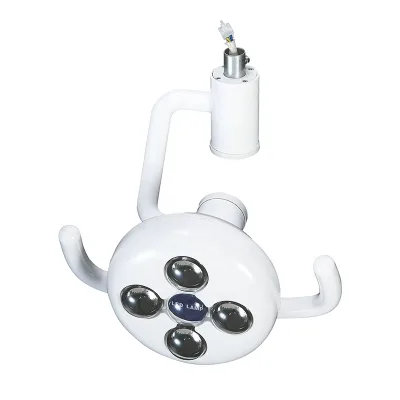

Lk-T16A Moving Type Dental Chair Operating Surgery Light LED Oral Lamp
$210.00 - $220.00
MOQ: 1 Pieces

Comprehensive Sourcing Guide
Dental Operating Lamp with LCD Display Sourcing Guide
The global market for dental operating lamps with LCD displays presents a diverse range of options, from high-power LED units to specialized oral surgical lights. Buyers must distinguish between general illumination tools and precision instruments designed for specific clinical environments like oral surgery or rehabilitation departments. The observed product data indicates a strong presence of models originating from Foshan, China, featuring aluminum alloy bodies and varying power sources, including both electricity and lithium battery options.
Procurement decisions should prioritize the specific operational needs of the dental practice, such as the required light intensity and color temperature. While some units offer a warm white spectrum, others provide a cooler 6000k output to enhance visibility during detailed procedures. The presence of sensor control methods and customizable features suggests that modern systems are increasingly integrating automation to reduce manual adjustments, allowing clinicians to focus entirely on patient care without distraction.
Product Scope and Observed Listing Signals
Current listings reveal a wide spectrum of product models, including the KJ series and DY series, each tailored to different functional requirements. The observed data highlights specific configurations such as the KJ-007 and DY-503, which often feature round grinding shapes or specific dimensions like 383112.7CM. Buyers should carefully review the physical dimensions and weight, as some units weigh up to 1.6kg, which impacts mounting stability and portability within the clinic.
Color and material specifications vary significantly across the available inventory, with options ranging from black, red, and blue to silver and white combinations. The lamp body material is frequently identified as aluminum alloy, ensuring durability and heat dissipation, while some packaging details suggest standard export cartons or specific box dimensions. Understanding these physical attributes is essential for ensuring the equipment fits the existing surgical setup and meets the aesthetic or ergonomic preferences of the dental team.
Technical Specifications to Verify
Light intensity and color temperature are critical parameters that directly influence surgical precision and visual comfort. The observed data specifies a light intensity range of 8000 to 30000 lux, which is suitable for high-visibility procedures, while color temperatures vary between warm white and 6000k. Buyers must verify that the selected unit provides consistent illumination without flickering, as inconsistent light quality can lead to eye strain and reduced accuracy during complex dental operations.
Power source and control mechanisms also require rigorous verification to ensure seamless integration into the clinical workflow. Some models operate on AC 12V with a frequency of 50/60Hz, while others utilize lithium batteries for mobility. The presence of sensor control methods allows for hands-free operation, which is particularly valuable in sterile environments. Confirming the compatibility of voltage and control systems with the clinic's existing electrical infrastructure is a necessary step before finalizing any purchase.
Compliance and Safety Documentation
Safety certifications are non-negotiable when sourcing medical-grade lighting equipment for professional use. The observed product data explicitly lists CE certification for several models, indicating compliance with European health, safety, and environmental protection standards. Buyers should request valid certification documents for every unit to ensure that the electrical components and materials meet the rigorous safety requirements of their local jurisdiction, protecting both the facility and the patients.
Material safety and electrical safety standards must be validated through comprehensive documentation provided by the manufacturer. While aluminum alloy is a common and safe material for lamp bodies, the inclusion of PVC in certain components requires verification to ensure it meets fire resistance and toxicity standards. Additionally, the warranty terms, which range from six months to one year, serve as a critical indicator of the manufacturer's confidence in the product's durability and long-term performance.
Cost Drivers and Commercial Terms
Pricing for dental operating lamps varies widely, with observed ranges spanning from 18 to 7800 USD, reflecting differences in technology, build quality, and feature sets. High-power LED units with advanced sensor controls and longer warranties typically command higher prices, while basic models with standard specifications may be more affordable. Buyers should analyze the total cost of ownership, considering factors like energy efficiency and the potential need for replacement parts, rather than focusing solely on the initial purchase price.
Minimum Order Quantities (MOQ) and customization options significantly influence the commercial terms of the transaction. The observed MOQ range is between 1 and 10 units, offering flexibility for clinics of various sizes. Furthermore, the availability of OEM services and customization allows buyers to tailor the product to their specific branding or functional needs. Negotiating these terms effectively can lead to better value, especially when ordering multiple units or requesting specific modifications to standard models.
Supplier Qualification and Quality Control
Supplier qualification involves verifying the origin and manufacturing capabilities of the provider to ensure consistent product quality. The data indicates that many products originate from Foshan, China, a hub for medical device manufacturing, but buyers must confirm the specific factory's track record and production capacity. Establishing a direct relationship with a qualified supplier helps mitigate risks associated with counterfeit goods or substandard manufacturing practices that could compromise patient safety.
Quality control protocols should be strictly enforced to ensure that every unit meets the specified technical and safety standards. Buyers should request pre-shipment inspection reports and verify that the product condition is listed as new, with no signs of prior use or damage. The presence of detailed packing information, such as carton box dimensions and standard export packaging, also serves as an indicator of the supplier's attention to detail and commitment to protecting the product during transit.
Long-Term Procurement Checks
Sustaining a reliable supply chain requires regular audits of supplier performance and product consistency over time. Buyers should monitor warranty claims and return rates to identify potential systemic issues with specific models or batches. Establishing a clear communication channel with the supplier ensures that any technical issues or maintenance needs can be addressed promptly, minimizing downtime in the clinical setting and maintaining high standards of patient care.
Future-proofing the procurement strategy involves staying informed about technological advancements and regulatory changes in the dental lighting sector. As standards evolve, suppliers may need to update their products to maintain compliance, making it essential to select partners who are proactive in adapting to new requirements. Regularly reviewing the product specifications and performance data ensures that the clinic continues to operate with the most effective and safe lighting solutions available in the market.
FAQs
What certifications are available for these dental lights?
CE certification is available for the Dental Operating Lamp with LCD Display models listed. This ensures compliance with essential safety and performance requirements for medical devices in relevant markets. Buyers should verify specific model documentation to confirm regulatory standing before procurement.
Can these lamps be customized for specific clinics?
Yes, customization is available for the Dental Operating Lamp with LCD Display. OEM services are offered to tailor features or branding to specific clinic needs. This allows buyers to align the equipment with their unique operational requirements and brand identity effectively.
What is the typical warranty period for these units?
Warranty periods vary by model, ranging from 6 months to 1 year for the Dental Operating Lamp with LCD Display. Buyers should check the specific model details to determine the exact coverage duration. This ensures proper maintenance planning and risk management.
How is the light intensity controlled in these lamps?
Control methods include sensor-based operation for the Dental Operating Lamp with LCD Display. This allows for hands-free adjustment of lighting conditions during procedures. The system enhances workflow efficiency by responding automatically to user presence or specific triggers.
What are the standard packaging dimensions for shipping?
Packaging dimensions vary by model, such as 38x31x12.7cm or 41x30x15cm for the Dental Operating Lamp with LCD Display. Standard export cartons are used to ensure safe transit. Buyers should calculate logistics costs based on the specific model's packaging size.
Where are these dental lights manufactured?
These Dental Operating Lamp with LCD Display units are manufactured in Foshan, China. This location is a known hub for medical equipment production. Buyers can leverage this origin for supply chain planning and potential factory audits or direct engagement.