Source Destoning Fruit Coring Machine for Apricot Apple Berry
Find and compare 30 Destoning Fruit Coring Machine options for apricot, apple, and berry processing. Buyers can evaluate stainless steel models with capacities up to 5tph, voltages of 220V or 380V, and customized sizes for commercial juicing and pitting applications.
Key considerations
Products List


Fruit Destoningly and Pulp Machine Grape Pulping Machine Fruit and Vegetable Pulping Machine
$26000.00 - $100000.00
MOQ: 1 Pieces

Hot Selling Fruit Processing Industry Apple Apricot Peach Coring Machine
$6350.00 - $16000.00
MOQ: 1 Pieces


Fruit Washing Peeling Coring Machine Pear Core Splitting Machine Pear Skin Core Removal Machine
$19000.00 - $23000.00
MOQ: 1 Pieces

Passion Fruit Diameter Size Soring Machine Passion Fruit Grading Machine
$999.00 - $7500.00
MOQ: 1 Pieces






Comprehensive Sourcing Guide
Strategic Sourcing Guide for Destoning and Fruit Coring Machinery
Procuring industrial destoning and fruit coring machines requires a rigorous approach that balances technical precision with supply chain reliability. These machines are critical assets in fruit processing lines, designed to remove pits, stones, and seeds from various produce types such as apricots, cherries, and apples. The market presents a diverse array of configurations, from high-output commercial units to specialized models for specific fruit varieties. Buyers must navigate a landscape where specifications vary significantly, including power requirements, capacity rates, and material construction. This guide outlines the essential factors for evaluating potential equipment, ensuring that the selected machinery aligns with operational goals and quality standards without relying on unverified claims.
Technical Specifications and Operational Parameters
The technical foundation of any destoning or coring machine lies in its power, speed, and capacity metrics. Based on observed market data, power consumption for these units can range widely, with specific models operating at 1.5KW, 7.5KW, or even 15KW. Voltage requirements are equally variable, with common configurations supporting 220V and 380V systems. Buyers must verify the electrical infrastructure of their facility before ordering, as mismatched voltage can lead to operational failure or equipment damage. For instance, a model designated with a 15KW power rating may require a 380V supply, whereas smaller units might function on 220V.
Capacity is another critical variable. Observed data indicates that production capacities can range from 2 tons per hour (tph) to 5 tph, depending on the model and the specific fruit being processed. High-output machines are often marketed for commercial usage, featuring speeds up to 800 revolutions per minute (r/min). The physical dimensions of the machinery also vary significantly, with standard sizes observed ranging from compact units around 950x800x1200mm to larger industrial frames measuring up to 4000x1200x1300mm. When evaluating a specific model, such as those with model numbers like DJJ2-7.5 or WYAP-2, buyers should cross-reference the listed dimensions and capacity against their production line throughput requirements.
| Parameter | Observed Range/Values | Verification Requirement |
|---|---|---|
| Power | 1.5KW to 15KW | Confirm facility voltage compatibility (220V/380V) |
| Capacity | 2 tph to 5 tph | Match against target hourly throughput |
| Speed | Up to 800 r/min | Assess suitability for fruit hardness |
| Dimensions | 950x800x1200mm to 4000x1200x1300mm | Verify floor space and installation layout |
| Material | Stainless Steel (304/SS) | Confirm food-grade compliance |
Material Construction and Hygiene Standards
The material composition of the machine is paramount for food safety and longevity. The majority of observed units are constructed from stainless steel, with specific references to 304 Stainless Steel and general stainless steel grades. This material choice is essential for resisting corrosion from fruit acids and ensuring the equipment meets hygiene standards required in food processing. The use of 304 stainless steel is particularly noted for its durability and resistance to rust, making it suitable for environments with high moisture content.
Buyers should explicitly verify the grade of stainless steel used in the contact parts of the machine. While some listings mention "stainless steel" generally, others specify "ss304" or "304 Stainless Steel/Steel." In a commercial setting, the distinction is vital, as lower-grade steels may degrade faster or fail to meet specific food safety regulations. Additionally, the structural integrity of the machine is often supported by a robust frame, with some units weighing up to 1000kg, while smaller models may weigh around 320kg. The weight of the machine can influence installation requirements, including the need for reinforced flooring or specialized anchoring systems.
Functional Versatility and Application Scope
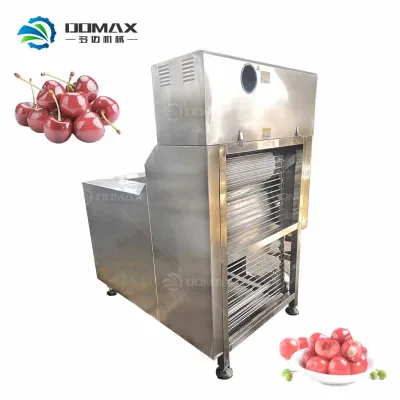
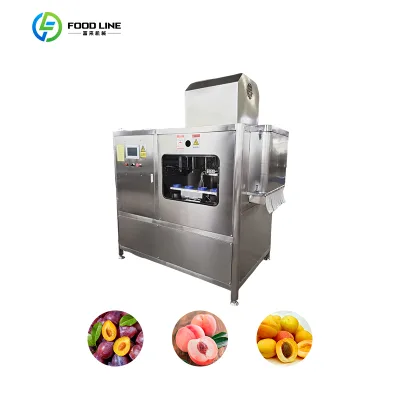
Destoning and coring machines are designed for specific applications, though many offer versatile functions. The core function of these machines is to remove pits, stones, or seeds, but advanced models often integrate additional processes such as washing, juicing, and slicing. For example, specific units are marketed as "Apple Coring Machines" or "Apricot Pitting Machines," indicating a specialization for those fruit types. Other models are described as "Fruit Pitter Machines" capable of handling a broader range of produce, including berries and pulp.
The application scope extends beyond simple destoning. Some machines are designed for commercial usage where high output and ease of operation are prioritized. Features such as "High Output" and "Easy to Operate" are common selling points, suggesting that the machinery is engineered for efficiency and user-friendly interfaces. However, buyers must ensure that the machine's specific function aligns with their primary product line. A machine optimized for apricot pitting may not be suitable for apple coring without significant modification or adjustment. Therefore, understanding the "Suit for" category of the machine is crucial before procurement.
Customization and Manufacturing Logistics
One of the most significant advantages in the current market is the availability of customization. Many suppliers offer customized solutions to meet specific production needs, with customization explicitly listed as an available feature. This can include adjustments to the machine's dimensions, capacity, or functional modules. For instance, some models allow for custom standard sizes, deviating from the typical 1900x1500x1700mm or 1535x1420x1680mm configurations.
Manufacturing lead times are a critical logistical factor. Observed data indicates a typical manufacture time of approximately 28 days for customized orders. Buyers should plan their procurement timeline accordingly, ensuring that the production schedule aligns with their operational needs. Packaging is another logistical consideration, with most units shipped in wooden boxes or export wooden cases to ensure safe transit. The standard packing method, such as the "Standard Export Wooden Box," is designed to protect the machinery during international shipping, particularly for units originating from regions like Henan, China.
Supplier Evaluation and Origin Verification
When evaluating suppliers, the origin of the machinery is a key indicator of supply chain reliability. A significant portion of the observed market originates from China, with specific mentions of Henan as a manufacturing hub. While the origin itself does not guarantee quality, it provides context for the supply chain structure. Buyers should verify the supplier's location and production capabilities to ensure they can meet delivery timelines and provide after-sales support.
Supplier evaluation should also focus on the transparency of product attributes. Reliable suppliers provide detailed specifications, including model numbers, material grades, and power requirements. The presence of specific model identifiers, such as "DJJ2-4" or "BX-QH," suggests a standardized product line that is easier to track and support. Buyers should avoid suppliers who cannot provide clear documentation regarding the machine's origin, material composition, or manufacturing standards. Additionally, the availability of a "Customized" option implies a level of flexibility that can be a strong indicator of a supplier's capability to handle unique client requirements.
Quality Control and Compliance Considerations
Quality control in the procurement of destoning and coring machines involves verifying that the equipment meets industry standards and safety requirements. While specific certification names are not universally listed in the provided data, the emphasis on stainless steel construction and commercial usage implies adherence to food safety norms. Buyers should request documentation confirming that the materials used, particularly the 304 stainless steel, meet relevant international food-grade standards.
Compliance checks should also extend to the electrical components of the machine. Given the variance in voltage (220V vs. 380V), it is essential to ensure that the machine's electrical system is certified for the intended market. Buyers should verify that the equipment complies with local electrical safety regulations and that the manufacturer provides necessary safety certifications. Furthermore, the "High Output" and "Easy to Operate" features should be validated through performance testing or detailed technical specifications to ensure they deliver on the promised efficiency.
Long-Term Procurement and Maintenance Planning
Long-term procurement considerations for destoning and coring machines involve planning for maintenance, spare parts availability, and operational longevity. The robust construction of these machines, often weighing up to 1000kg, suggests a design intended for heavy-duty, continuous operation. However, the wear and tear on components like the pitting mechanism or the coring blades will require regular maintenance. Buyers should inquire about the availability of spare parts and the ease of replacing consumable components.
The "Manufacture Time" of 28 days for customized units also highlights the importance of planning for the initial acquisition phase. Once the machine is installed, the focus shifts to maintaining its performance. The "Export Wooden Case" packaging indicates a professional approach to shipping, but the internal protection of sensitive components during transit should also be verified. Buyers should establish a maintenance schedule that aligns with the machine's usage intensity, ensuring that the "High Output" capabilities are sustained over the long term. Additionally, the "Customization" feature allows for future upgrades or modifications, which can extend the useful life of the equipment as processing needs evolve.
In conclusion, sourcing destoning and fruit coring machines requires a meticulous evaluation of technical specifications, material quality, and supplier reliability. By focusing on verified attributes such as power ratings, capacity, and material grades, buyers can make informed decisions that align with their production goals. The availability of customization and the diverse range of models in the market provide flexibility, but careful due diligence is essential to ensure the selected machinery delivers the expected performance and longevity.
FAQs
What voltage options are available for these machines?
These machines operate on 220V or 380V systems depending on the specific model. Buyers must verify their facility's electrical infrastructure before ordering to ensure compatibility with the selected unit's power requirements.
What is the production capacity range for these units?
Production capacities typically range from 2 tons per hour to 5 tons per hour based on the model. High-output commercial units often feature speeds up to 800 revolutions per minute to maximize throughput.
Which material is used for food-grade construction?
Most units are constructed from 304 Stainless Steel or general stainless steel to ensure hygiene and corrosion resistance. This material choice is essential for meeting food safety standards in commercial processing environments.
Can these machines be customized for specific needs?
Customization is available for dimensions, capacity, and functional modules to meet specific production requirements. Buyers should note that customized orders typically have a manufacturing lead time of approximately 28 days.
What packaging is used for international shipping?
Machines are shipped in standard export wooden boxes or wooden cases to ensure safe transit. This packaging protects the equipment during international shipping, particularly for units originating from manufacturing hubs in China.
Which fruit types are suitable for these machines?
Specific models are designed for apricots, apples, and berries, while others handle general fruit pitting. Buyers must ensure the machine's specific function aligns with their primary product line before procurement.