Source Detachable Glass Spice Jars for Food Storage
Find 30 Detachable Glass Spice Jars from China suppliers. Compare models like TLP and MT-200, featuring screw caps, ISO certifications, and eco-friendly materials for tea and food storage applications; compare the available evidence and request quotations based on your requirements.
Updated
Key considerations
Products List


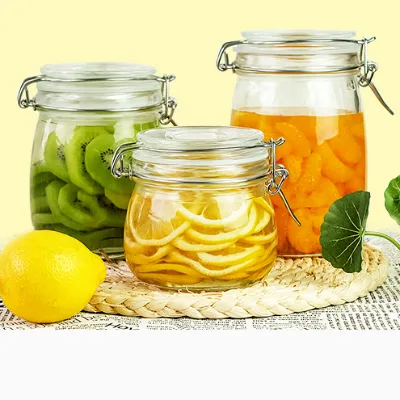
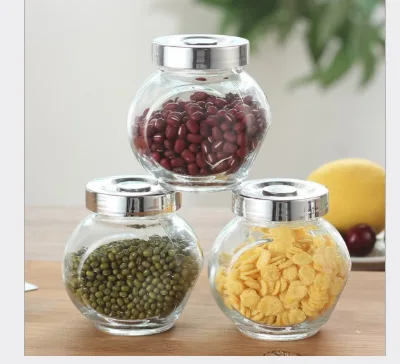
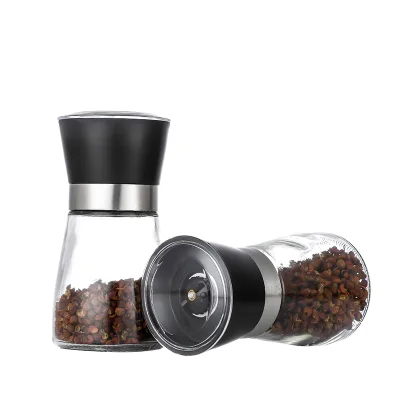
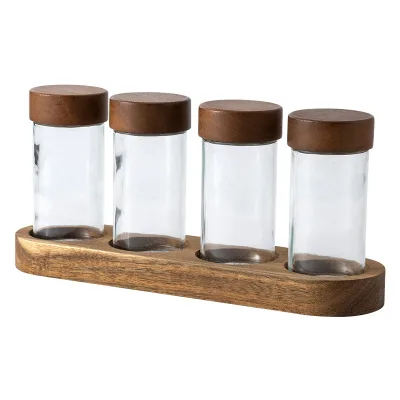
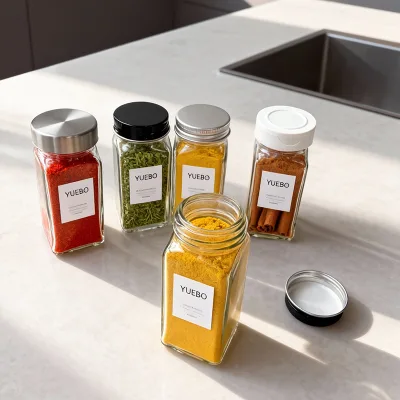
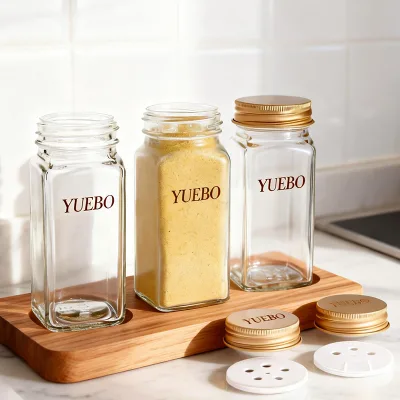
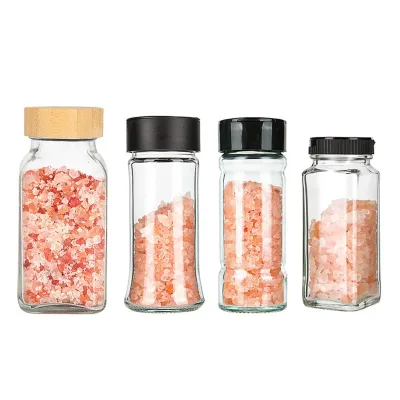
Kitchen Use Glass Spice Pepper Seasoning Storage Jars Condiment Container Bottles
$0.043 - $0.1232
MOQ: 2000 Pieces


Best Selling Glass Cumin Powder Spice Jars Pepper Seasoning Storage Container
$0.043 - $0.1232
MOQ: 2000 Pieces


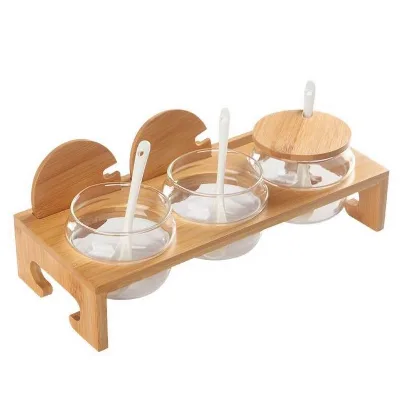
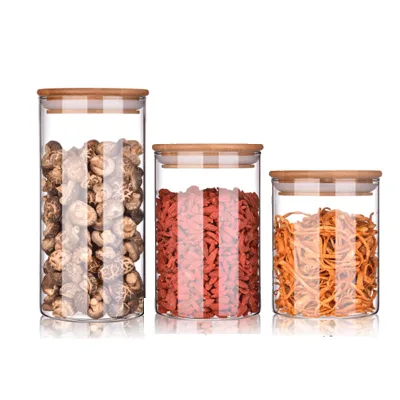
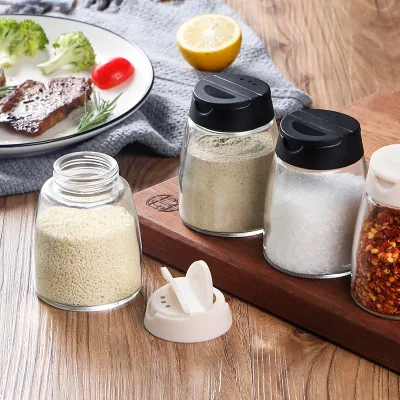
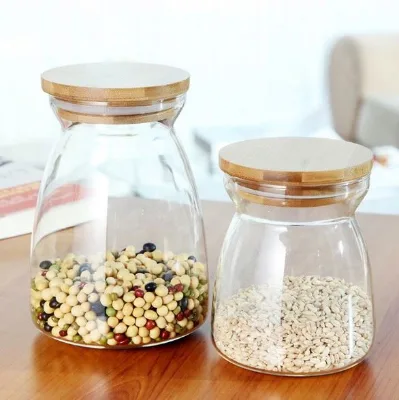





Comprehensive Sourcing Guide
Detachable Glass Spice Jars Sourcing Guide
Procuring Detachable Glass Spice Jars requires a nuanced understanding of material integrity and functional design, particularly when sourcing from major manufacturing hubs like Shandong, China. The observed market data indicates a diverse range of product models, including TLP, MT-200, and ID-216, each catering to specific volume and aesthetic requirements. Buyers must recognize that while the core material is consistently glass, the structural variations—such as square versus round shapes—directly impact shelf stability and storage efficiency. The presence of screw cap closures suggests a focus on airtight sealing, which is critical for preserving the potency of volatile spices and preventing moisture ingress.
The supply chain for these containers is characterized by significant customization capabilities, with many suppliers offering OEM and ODM services to accommodate unique branding needs. This flexibility extends to mold creation, where special shapes and sizes may require dedicated tooling, impacting initial lead times and setup costs. Furthermore, the availability of free samples allows buyers to physically assess the quality of the glass thickness and the durability of the detachable mechanisms before committing to large-scale orders. Understanding these variables is essential for aligning procurement strategies with both operational requirements and brand identity goals.
Product Scope and Observed Listing Signals
The current market landscape for Detachable Glass Spice Jars reveals a wide spectrum of standard capacities, ranging from small 50ml units to larger 750ml containers, with specific models like IDBE2024013007 offering a comprehensive lineup of sizes. This variety supports diverse packaging strategies, allowing brands to offer single-serve portions or bulk options within the same product family. The observed price range of $0.02 to $5.70 USD reflects this diversity, with lower costs typically associated with higher minimum order quantities and simpler designs. Buyers should note that the MOQs vary significantly, starting from as low as 1 piece for sampling up to 6000 pieces for standard production runs, providing flexibility for both startups and established enterprises.
Visual and functional attributes observed in listings highlight a strong emphasis on eco-friendly and recyclable materials, aligning with global sustainability trends. Many products are described as clear glass, which enhances product visibility and consumer appeal, while features like leakproof designs and easy operation add practical value. The inclusion of certifications such as ISO and CE for certain models indicates a tiered quality structure within the market. Additionally, the use of standard export packing, including pallet wrap and corrugated cartons, ensures that products arrive in optimal condition, reducing the risk of transit damage and associated financial losses for the buyer.
Technical Specifications to Verify
When evaluating technical specifications, buyers must prioritize the verification of closure mechanisms, as the term "detachable" often implies a screw cap or similar secure fastening system. It is crucial to confirm the thread compatibility and sealing integrity of these closures to prevent leakage during transport and storage. The material composition should be strictly verified as glass, ensuring it meets food-grade standards for direct contact with spices and other consumables. Additionally, the shape of the jar, whether square or round, should be assessed for its impact on stacking efficiency and shelf presentation, as these factors influence retail display optimization and warehouse storage density.
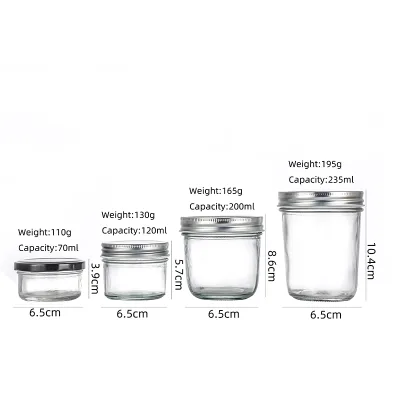
Capacity standards vary across different product models, with some adhering to specific measurements like 120ml or 4oz to 32oz increments, while others offer broader ranges from 50ml to 500ml. Buyers should verify the exact volume tolerances and wall thickness of the glass to ensure durability and consistency across batches. The design style, such as European or rotary designs, may also affect the manufacturing complexity and cost. Furthermore, the presence of specific product models like IDB20230524 or IDBE2024042532 suggests that buyers should request detailed technical drawings and material safety data sheets to ensure compliance with their specific operational requirements.
Compliance and Safety Documentation
Compliance with international safety standards is paramount when sourcing glass containers for food storage. Buyers should request documentation verifying that the glass used is free from harmful substances and meets relevant food contact regulations. Certifications such as ISO and CE, observed in some listings, provide a baseline assurance of quality management and safety practices, but buyers must verify the scope of these certifications to ensure they cover the specific product lines being purchased. Additionally, the H.S Code 7010902000 indicates the classification of glass containers, which is essential for accurate customs clearance and tariff determination in international trade.
The eco-friendly and recyclable nature of the products is a significant selling point, but buyers should seek evidence of these claims, such as recyclability certificates or environmental impact assessments. This documentation supports marketing efforts and aligns with corporate sustainability goals. Furthermore, understanding the payment terms, such as TT (Telegraphic Transfer), and sample policies, which often include free samples, is crucial for managing cash flow and risk. Buyers should also verify the lead times, which can range from 15 days for standard orders, to ensure that production schedules align with their supply chain demands and market launch timelines.
Cost Drivers and Commercial Terms
Several factors influence the final cost of Detachable Glass Spice Jars, with the most significant being the minimum order quantity (MOQ) and the level of customization required. Standard shapes and sizes typically benefit from economies of scale, resulting in lower unit prices, while special shapes and sizes necessitate opening new molds, which incurs additional setup costs and longer lead times. The observed MOQ range of 1 to 6000 pieces allows buyers to scale their orders based on demand forecasts, but higher volumes generally yield better pricing. Buyers should also consider the cost of packaging, which includes pallet wrap and corrugated cartons, as these materials add to the overall landed cost.
Commercial terms such as payment methods and sample availability play a crucial role in the procurement process. The acceptance of TT payments and the provision of free samples are common practices that facilitate smoother transactions and quality verification. However, buyers should be aware that sample costs may be deducted from bulk orders, and shipping costs for samples are often borne by the buyer. Additionally, the origin of the products, primarily China, affects logistics costs and delivery times. Buyers should negotiate clear terms regarding warranty, defect rates, and return policies to mitigate financial risks associated with potential quality issues or supply chain disruptions.
Supplier Qualification and Quality Control
Supplier qualification is a critical step in ensuring the reliability and consistency of detachable glass spice jar supplies. Buyers should conduct thorough due diligence on potential suppliers, verifying their business licenses, production capabilities, and quality control processes. The presence of certifications like ISO and CE is a positive indicator, but buyers should also assess the supplier's track record in producing similar products and their ability to meet specific customization requirements. Requesting references from existing clients and conducting factory audits can provide valuable insights into the supplier's operational efficiency and commitment to quality.
Quality control measures should be established before production begins, including clear specifications for glass thickness, closure integrity, and packaging standards. Buyers should implement a robust inspection regime, which may include pre-production samples, in-process checks, and final random inspections before shipment. The observed lead time of 15 days for some products suggests that efficient production planning is essential, and buyers should maintain open communication with suppliers to monitor progress and address any issues promptly. Additionally, establishing a clear protocol for handling defects or non-conforming products is crucial for maintaining supply chain continuity and protecting brand reputation.
Long-Term Procurement Checks
Long-term procurement success depends on continuous monitoring of supplier performance and market trends. Buyers should regularly review key performance indicators such as on-time delivery rates, product quality consistency, and responsiveness to issues. Building a strong relationship with suppliers can lead to better pricing, priority production slots, and collaborative innovation in product design. Additionally, staying informed about changes in regulations, material costs, and logistics conditions is essential for anticipating potential disruptions and adjusting procurement strategies accordingly. Regular audits and feedback loops with suppliers help maintain high standards and drive continuous improvement.
As sustainability becomes increasingly important, buyers should evaluate their suppliers' environmental practices and explore opportunities for reducing the carbon footprint of their packaging supply chain. This may involve sourcing recycled glass, optimizing packaging designs to reduce material usage, or selecting suppliers with renewable energy initiatives. Furthermore, diversifying the supplier base can mitigate risks associated with geopolitical tensions, natural disasters, or supply chain bottlenecks. By maintaining a strategic approach to procurement, buyers can ensure a stable supply of high-quality Detachable Glass Spice Jars that meet their evolving business needs and customer expectations.
FAQs
What materials are used for these glass spice jars?
These glass spice jars are made from high-quality glass material. They are designed to be recyclable and eco-friendly for sustainable food storage. The clear color allows easy visibility of contents while maintaining durability for various food applications.
Which closure types are available for these containers?
The available closure type for these containers is a screw cap. This design ensures easy operation and secure sealing for food storage needs. The screw cap mechanism is standard across the product range to prevent leaks and maintain freshness.
Can I get custom shapes and sizes for these jars?
Customization is available for special shapes and sizes. However, opening new molds is required for non-standard requests. This option allows buyers to tailor the product to specific branding or functional requirements while maintaining the core glass material quality.
What certifications do these glass jars hold?
Some of these glass jars hold ISO and CE certifications. These standards ensure the products meet international safety and quality requirements. Buyers can verify specific certification details based on the exact model number and supplier documentation provided.
How long is the lead time for production?
The lead time for production is typically 15 days. This duration applies to standard orders meeting the specified capacity and customization requirements. Buyers should confirm exact timelines based on order volume and specific model selection.
What is the minimum order quantity for these jars?
The minimum order quantity varies, with some models requiring 1000 pieces. Other listings show ranges from 1 to 6000 units depending on the supplier. Buyers must check specific model requirements to determine the exact MOQ for their purchase.
Where are these glass jars manufactured?
These glass jars are manufactured in Shandong, China. The origin is consistently listed as China for the product line. This location supports the supply chain for export packaging and global distribution of the food storage containers.