Source DICOM Compliant Radiology X-Ray Film for Hospitals Clinics Labs
Compare 30 listings of DICOM compliant radiology x-ray film available from Chinese manufacturers. Buyers can evaluate sizes like 14x17 inch, customization options, and CE certified products for hospital diagnostic imaging needs.
Key considerations
Products List

Digital X Ray Medical Radiography Film Blue/Green Sensitive X Ray Medical Film
$22.24 - $23.18
MOQ: 3000 Square Meters
Sainty International Group Jiangsu Yangzhou Sumex Imp. & Exp. Co., Ltd.


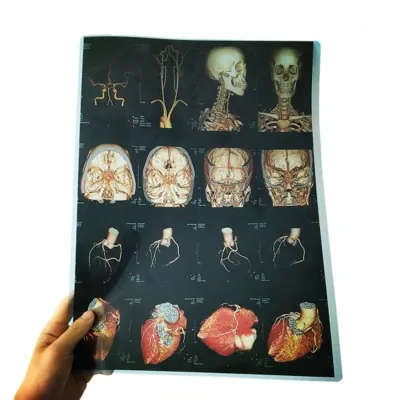


Dicom-Compliant Laser Film for Precision Medical Diagnostic Imaging and Radiology
$0.99 - $499.00
MOQ: 5 Bags


Dicom-Compatible Inkjet Film with Blue Base for Radiology and Mammography
$0.01 - $99.00
MOQ: 100 Pieces

Dicom-Compliant Laser Printer Film for Accurate Medical Diagnostic Imaging
$0.99 - $199.00
MOQ: 10 Bags


Comprehensive Sourcing Guide
Strategic Sourcing Guide for DICOM Compliant Radiology X-Ray Film
Understanding Technical Specifications and Format Variability
When sourcing DICOM compliant radiology X-ray film, the primary technical challenge lies in navigating the diverse array of physical dimensions and material compositions available in the global market. Unlike generic imaging media, medical X-ray film requires precise adherence to specific size standards to ensure compatibility with existing diagnostic imaging hardware and workflow requirements. The product landscape is characterized by a wide spectrum of dimensions, ranging from compact formats suitable for extremity imaging to large formats required for chest and abdominal diagnostics.
Based on observed market data, the standard size specifications for these films include 8x10 inch, 10x12 inch, 11x14 inch, 14x17 inch, A4, and A3. These dimensions are not merely suggestions but critical operational parameters. For instance, the 14x17 inch format is frequently cited as a standard for general radiography, while the 8x10 and 10x12 sizes are often utilized for pediatric or specialized limb imaging. The market also presents metric equivalents, such as 35x43 cm and 18x24 cm, which must be carefully cross-referenced with the specific slot dimensions of the user's X-ray processor or laser printer.
Material composition is another pivotal technical attribute. The film base typically utilizes plastic materials designed to support high-resolution image output. A specific observation in the current market includes a thickness specification of 180/210, which likely refers to the density or coating weight of the emulsion layer. This thickness directly impacts the film's sensitivity to radiation and its ability to produce high-contrast images essential for diagnostic accuracy. Buyers must verify that the selected film thickness aligns with the sensitivity ratings of their specific imaging equipment, as mismatches can lead to underexposed or overexposed images that compromise diagnostic utility.
Furthermore, the color base of the film is a distinguishing feature. The market offers options such as blue base and white base films. The blue base is a common characteristic in many high-clarity radiology films, designed to enhance the visual perception of the image when viewed on light boxes. The choice between blue and white bases often depends on the specific lighting conditions of the reading room and the preference of the radiologists. Additionally, the printing technology compatibility is a crucial technical consideration. The film must be compatible with the intended print type, which includes laser or thermal print technologies. This compatibility ensures that the DICOM data transferred from the hospital information system is accurately rendered on the physical film without artifacts or loss of detail.
Compliance Verification and Certification Standards
In the medical device and imaging supply chain, compliance is not optional; it is a fundamental requirement for patient safety and regulatory adherence. When sourcing radiology X-ray film, buyers must rigorously verify the certification status of the product. The most frequently observed certifications in the current market include CE marking and ISO standards. The CE certification indicates that the product meets the health, safety, and environmental protection standards for products sold within the European Economic Area. This is a critical baseline for any international procurement.
Beyond CE, the presence of ISO certification, specifically ISO 13485 for medical devices, is a strong indicator of a manufacturer's commitment to quality management systems. While specific ISO standards like IEC 60601 are often associated with electrical medical equipment, the film itself must be produced in a facility that adheres to rigorous quality protocols to ensure consistency and safety. Buyers should request valid certification documents from potential suppliers and verify their authenticity through the issuing bodies. It is important to note that while some suppliers list these certifications, the buyer must confirm that the specific batch or model number in question is covered by the certification.
Instrument classification is another regulatory aspect to consider. The observed market data indicates that certain X-ray film products are classified as Class II instruments. This classification implies a moderate to high risk associated with the device, necessitating special controls to ensure safety and effectiveness. Understanding the classification helps buyers navigate the regulatory landscape of their own country, ensuring that the imported film meets local medical device registration requirements.
Additionally, the sterilization status of the film is a relevant compliance factor. Some products in the market are explicitly noted as being "Without Ethylene Oxide Sterilization." This distinction is vital for facilities that have strict sterilization protocols or for applications where the film might come into direct contact with sterile fields, although X-ray film is generally used in non-sterile environments. The absence of ethylene oxide sterilization simplifies the supply chain but requires confirmation that the packaging maintains a sterile environment if that is a specific requirement of the facility.
Cost Drivers and Pricing Structure Analysis
The pricing of DICOM compliant radiology X-ray film is influenced by a complex interplay of factors, including material costs, production volume, customization requirements, and logistics. The observed price range in the market is exceptionally broad, spanning from $0.01 to $35,000. This vast disparity highlights that the unit price is not a static value but is highly dependent on the specific configuration of the order.
The primary cost driver is the volume of the purchase. The market exhibits a minimum order quantity (MOQ) range of 1 to 5,000 units. For small-scale operations or trial orders, buyers may encounter higher per-unit costs due to the lack of economies of scale. Conversely, large-volume procurement, such as orders in the millions of sheets per month, can significantly reduce the unit cost. The supply ability of manufacturers, which can reach up to 50,000,000 sheets per month, suggests that high-volume buyers have the potential to negotiate favorable pricing terms.
Customization is another significant factor influencing cost. The market offers both standard and customized options. Products with "Customized" attributes, such as specific branding, logo printing, or tailored dimensions, typically command a premium over standard off-the-shelf products. The availability of logo printing, either with or without, allows buyers to brand the packaging for their specific hospital or clinic, but this service adds to the production cost.
Packaging details also play a role in the final price. The standard packaging is often carton-based, with variations such as "Bag or Carton" or "Box Packing." The density of packaging, such as 100 sheets per box and 10 boxes per carton, affects shipping costs and storage efficiency. Buyers should consider the total landed cost, which includes not only the unit price but also the cost of packaging, shipping, and handling. The port of dispatch, often listed as Guangzhou for products originating from China, is a key logistical node that influences shipping timelines and freight charges.
Typical Applications and Clinical Use Cases
The application of DICOM compliant radiology X-ray film is diverse, catering to a wide range of medical scenarios and patient demographics. The primary application is medical diagnosis, where high-clarity images are essential for accurate assessment of patient conditions. The film is designed for use in hospital settings, serving as a critical medium for capturing and storing diagnostic images.
The target demographic for these films includes adults, children, and the elderly. This broad suitability means that the film must perform reliably across a spectrum of patient sizes and physiological conditions. For pediatric patients, the smaller film sizes like 8x10 inch are particularly relevant, while adult imaging often requires the larger 14x17 inch formats. The film's ability to produce high-contrast images ensures that diagnostic details are visible regardless of the patient's age or body mass.
The film is compatible with a variety of printers, including major brands such as Agfa, FUJI, Carestream, and Konica. This compatibility is crucial for hospitals that may have mixed fleets of imaging equipment. The specific mention of "FUJI Printer Using Laser Medical X-ray Film" indicates that certain films are optimized for specific printer models, ensuring optimal image quality and reducing the risk of compatibility issues. The print type, whether laser or thermal, must match the printer technology in use to achieve the desired diagnostic output.
Furthermore, the film supports various functions beyond simple image capture. It is integral to the workflow of medical diagnosis, providing a permanent record of the patient's condition. The "High-Clarity Radiology Film for Diagnostic Imaging" designation underscores the importance of image quality in clinical decision-making. The film's ability to work with DICOM standards ensures seamless integration with hospital information systems, allowing for efficient image transfer, storage, and retrieval.
Supplier Evaluation and Selection Criteria
Selecting the right supplier for radiology X-ray film requires a comprehensive evaluation of their capabilities, reliability, and track record. The market is populated with suppliers from various locations, with China being a prominent origin point, specifically from regions like Guangdong. Buyers should prioritize suppliers who demonstrate a robust supply chain and a proven ability to meet high-volume demands.
Key evaluation criteria include the supplier's production capacity, quality assurance processes, and after-sales support. The observed supply ability of 50,000,000 sheets per month indicates that some suppliers have the capacity to handle large-scale orders. However, buyers must verify that this capacity is consistent and reliable, especially during peak demand periods. The "Quality Guarantee Period" of two years is a significant indicator of a supplier's confidence in their product's durability and performance. This guarantee should be clearly defined in the contract, outlining the terms for claims and replacements.
After-sales service is another critical factor. Suppliers offering "Online Technical Support" provide a valuable resource for troubleshooting any issues that may arise during the use of the film. This support can be crucial for maintaining workflow continuity and minimizing downtime. Buyers should also assess the supplier's responsiveness and the availability of technical expertise to address specific queries regarding film compatibility or performance.
The location of the supplier, such as the port of dispatch in Guangzhou, impacts logistics and lead times. Buyers should consider the proximity of the supplier to their facility and the efficiency of the shipping routes. Additionally, the supplier's ability to provide customization, such as logo printing or specific packaging, can be a differentiating factor. The availability of customization options suggests a flexible manufacturing process that can adapt to the specific needs of the buyer.
Quality Control and Long-Term Procurement Considerations
Ensuring the quality of radiology X-ray film is paramount for maintaining diagnostic accuracy and patient safety. Quality control measures should be a central part of the procurement strategy. Buyers should request detailed quality assurance documentation, including test results and batch testing records. The "Two Years" quality guarantee period is a strong indicator of a supplier's commitment to quality, but it should be backed by a robust quality control system.
Long-term procurement considerations involve building a sustainable relationship with the supplier. This includes establishing clear communication channels, agreeing on consistent pricing structures, and defining service level agreements (SLAs). The "Online Technical Support" offered by suppliers can be leveraged to resolve any issues quickly, ensuring that the supply chain remains uninterrupted.
Buyers should also consider the environmental impact of their procurement decisions. The packaging materials, such as cartons and bags, should be evaluated for their recyclability and sustainability. The "Without Ethylene Oxide Sterilization" attribute of some products may also be a factor in the environmental profile of the supply chain.
Finally, the compatibility of the film with existing equipment and workflows is a long-term consideration. As technology evolves, the film must remain compatible with new printer models and imaging systems. The observed compatibility with major brands like Agfa, FUJI, Carestream, and Konica suggests that the market offers versatile options that can adapt to changing technological landscapes. Buyers should maintain a flexible procurement strategy that allows for the integration of new technologies without disrupting current operations.
Comparative Analysis of Film Specifications
To facilitate informed decision-making, it is helpful to compare the key specifications of different film options available in the market. The following table summarizes the observed variations in size, material, and compatibility.
| Specification Category | Option A | Option B | Option C |
|---|---|---|---|
| Standard Sizes | 8x10, 10x12, 11x14, 14x17 | 8x10, 10x12, A4, 11x14, 13x17 | 100 sheets/box, 10 boxes/carton |
| Thickness | 180/210 | N/A | N/A |
| Color Base | Blue, White | Blue Base | N/A |
| Print Type | Laser or Thermal | N/A | N/A |
| Compatible Printers | Agfa, FUJI, Carestream, Konica | Inkjet Printers | N/A |
| Packaging | Carton, Bag or Carton | Box Packing | Carton |
| Certification | CE, ISO | CE | N/A |
| Origin | China, Guangdong | China | N/A |
This comparison highlights the diversity of options available. Buyers must carefully match these specifications to their specific operational needs. For instance, if a facility uses inkjet printers, Option B would be the most suitable choice. Conversely, if the facility requires compatibility with FUJI printers, Option A is the preferred selection. The thickness and color base also play a role in image quality, and buyers should test samples to ensure they meet their diagnostic requirements.
Final Procurement Recommendations
In conclusion, sourcing DICOM compliant radiology X-ray film requires a meticulous approach that balances technical specifications, compliance requirements, cost considerations, and supplier reliability. Buyers should prioritize suppliers with robust quality control systems, valid certifications, and a proven track record of delivering high-quality products. The broad range of sizes, materials, and compatibility options available in the market allows for tailored solutions that meet the specific needs of different medical facilities.
By carefully evaluating the factors outlined in this guide, buyers can make informed decisions that ensure the safety, accuracy, and efficiency of their radiology operations. The long-term success of the procurement strategy depends on building strong relationships with suppliers who can provide consistent quality, reliable support, and flexible solutions. As the medical imaging landscape continues to evolve, maintaining a proactive and informed approach to sourcing will be essential for meeting the changing demands of healthcare providers and patients alike.
FAQs
What certifications do these films hold?
These films hold CE and ISO certifications. Some products also carry specific instrument classifications like Class II, ensuring compliance with medical device safety standards for international procurement.
Which film sizes are available for purchase?
Available sizes include 8x10 inch, 10x12 inch, 11x14 inch, 14x17 inch, A4, and A3. Metric equivalents like 15x30 cm and 35x43 cm are also listed to match various diagnostic imaging hardware.
Can I customize the packaging or branding?
Customization is available for logo printing and specific packaging requirements. Buyers can choose between bag or carton packing options, with some models offering customized dimensions for specialized clinical workflows.
Which printers are compatible with this film?
The film is compatible with major brands like Agfa, FUJI, Carestream, and Konica. It supports both laser and thermal print types to ensure high-clarity image output for diagnostic purposes.
What is the minimum order quantity for these films?
The minimum order quantity ranges from 1 to 5000 units depending on the supplier. This flexibility allows small clinics to trial products while large hospitals can leverage bulk purchasing for cost efficiency.
Where are these films manufactured and shipped from?
Products originate from China, specifically Guangdong, and are dispatched from Guangzhou. This location supports a supply ability of up to 50 million sheets per month for large-scale medical needs.