Source DICOM Medical Diagnostic Inkjet Printer for Radiology, MRI, and X-ray
Find a range of 17 DICOM medical diagnostic inkjet printers designed for radiology, MRI, and X-ray imaging. Compare specifications including paper size, ink supply systems, and software compatibility to select the right device for your diagnostic needs.
Key considerations
Products List

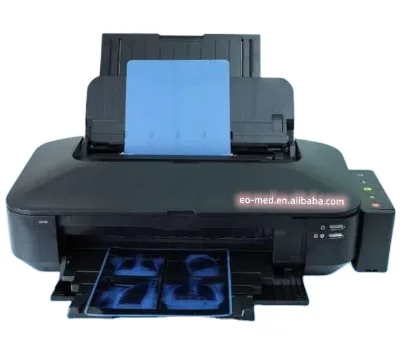
Medical Supply Film Printer Medical Inkjet Dicom Printer with Ink Tank
$350.00 - $5500.00
MOQ: 1 Pieces

High-Precision Medical Inkjet Printer for Diagnostic Cr, Dr, and CT Imaging
$99.00 - $1999.00
MOQ: 1 Pieces

Precision Diagnostic Radiology Inkjet Printer for Medical Imaging Departments
$10.00 - $1500.00
MOQ: 1 Pieces


High Resolution Medical Grade Inkjet Printer for X-ray Diagnostic Film
$1000.00 - $1200.00
MOQ: 1 Pieces


Comprehensive Sourcing Guide
Strategic Sourcing Guide for DICOM Medical Diagnostic Inkjet Printers
Understanding the Technical Architecture of Medical Inkjet Systems
When sourcing a DICOM Medical Diagnostic Inkjet Printer, buyers must first distinguish between general-purpose photo printers and specialized medical imaging devices. The core technology for these systems often relies on liquid piezoelectric mechanisms, which provide the precision required for high-fidelity diagnostic images. Unlike thermal transfer or laser technologies, liquid inkjet systems utilize a continuous ink supply system (CISS) to ensure uninterrupted operation during high-volume imaging tasks. This architecture typically involves multiple ink cartridges, often configured as six units with a capacity of 500ml per cartridge, allowing for extended print runs without frequent maintenance interruptions.
The interface capabilities are critical for integration into existing hospital or clinic networks. Most modern units support USB connectivity, facilitating direct connection to workstations or servers. However, the true differentiator in medical-grade equipment is the software integration. Buyers should verify that the printer comes with DICOM-compliant software, ensuring seamless communication with Picture Archiving and Communication Systems (PACS). This software enables the printer to interpret digital medical images directly, maintaining the integrity of the diagnostic data from the source to the physical film output.
The physical output capabilities vary significantly between models. Some units are designed specifically for black and white imaging, while others offer color capabilities to support advanced diagnostic needs. The maximum paper size supported is a crucial specification; while some general models may support standard A-series sizes, medical-specific units often accommodate a wide range of film sizes, including 8x10, A4, 10x12, 11x14, 13x17 inches, and even larger formats. The film magazine capacity is another operational metric, with typical units holding one magazine with a capacity of 50 sheets, though some configurations may support different storage densities.
Compliance, Certification, and Regulatory Classification
Navigating the regulatory landscape is perhaps the most critical aspect of sourcing medical diagnostic equipment. In many jurisdictions, medical imaging devices are classified based on their intended use and risk profile. Buyers must confirm the specific regulatory classification of the unit, such as Type 1 medical device status, which dictates the level of oversight and compliance required for procurement and installation. This classification often influences the documentation needed for customs clearance and local regulatory approval.
Certification status is a primary indicator of a manufacturer's commitment to quality and safety. While specific certification bodies vary by region, the presence of ISO certifications is a common benchmark for manufacturing excellence. Buyers should look for evidence of ISO compliance, particularly regarding quality management systems, though the exact standard number should be verified against the supplier's current documentation. It is important to note that while general industry standards like ISO 10993 exist for biological evaluation, the specific applicability to the printer's ink and hardware components must be confirmed by the supplier, as these are not automatically implied by the general category.
The origin of the product also plays a role in regulatory acceptance. Many medical inkjet printers are manufactured in China, with specific production hubs in regions like Hebei. While the country of origin does not inherently determine quality, it often correlates with specific supply chain logistics and regulatory frameworks that the buyer must understand. The product standard, often defined by physical dimensions or model-specific codes (e.g., NS-SH-1300, LYD-105), serves as a unique identifier for compliance records. Buyers should ensure that the model number on the purchase order matches the regulatory filing exactly to avoid discrepancies during audits.
Cost Drivers and Pricing Dynamics in Medical Printing
The pricing structure for medical diagnostic inkjet printers is highly variable, reflecting the complexity of the technology and the intended application. Observed market data indicates a wide price range, from approximately $10 to $5,500 USD. This broad spectrum suggests that the cost is driven by factors such as the sophistication of the printing mechanism, the inclusion of specialized software, and the build quality of the housing. Lower-priced units may be suitable for basic document printing or non-critical photo applications, while higher-priced models are likely engineered for rigorous diagnostic environments requiring high resolution and reliability.
The minimum order quantity (MOQ) is another significant cost driver. In the current market, many suppliers offer an MOQ of 1 unit, which allows for flexible procurement strategies. This low barrier to entry enables hospitals and clinics to purchase a single unit for pilot testing or immediate deployment without the need for bulk inventory commitments. However, buyers should be aware that while the unit price may be low, the total cost of ownership (TCO) includes consumables. The continuous ink supply system, with its 500ml cartridges, represents a recurring expense that must be factored into the long-term budget.
Packaging and logistics also contribute to the final cost. Medical devices often require robust packaging to prevent damage during transit, with options ranging from wooden cases to standard cartons. The choice of packaging can impact shipping costs and insurance premiums. For instance, a wooden case may offer superior protection for heavy machinery but incurs higher freight charges compared to a standard carton. Additionally, the physical dimensions of the unit, such as a standard of 0.87m x 0.55m x 0.34m or a compact 63cm x 43cm x 43cm, will influence the volume of freight and the required handling equipment at the destination.
Typical Applications and Operational Workflows
Medical diagnostic inkjet printers serve a specialized role in the healthcare ecosystem, primarily used for imaging diagnostic equipment. Their primary function is to produce high-quality film prints from digital medical images, such as MRI, CT, and X-ray scans. The "Dr Cr MRI" and "Medical Image" attributes highlight the specific use case of translating complex digital data into a physical format that radiologists and clinicians can review. This capability is essential for settings where digital viewing stations are insufficient or where physical copies are required for patient records or second opinions.
The operational workflow for these printers is designed to minimize disruption in busy medical environments. The supply paper mode typically features both automatic and manual integration, allowing operators to load film rolls or sheets with ease. The automatic grade of the equipment ensures that the printing process is streamlined, reducing the need for constant human intervention. For facilities with high patient volumes, the ability to print in continuous mode without frequent cartridge changes is a significant operational advantage.
Furthermore, the versatility of these printers extends beyond pure medical imaging. Some models are marketed as dual-purpose devices, suitable for both photo printing and document printing. This flexibility can be beneficial for smaller clinics or administrative offices that require a single device for multiple tasks. However, buyers must carefully evaluate whether the "photo printer" classification aligns with the strict resolution and contrast requirements of medical diagnostics. A printer optimized for general documents may not provide the diagnostic fidelity required for accurate medical interpretation.
Supplier Evaluation and Quality Assurance Protocols
Evaluating a supplier for medical diagnostic equipment requires a rigorous approach that goes beyond simple price comparison. Buyers should prioritize suppliers who demonstrate a clear understanding of the medical device regulatory environment. This includes the ability to provide comprehensive documentation regarding the product's classification, certification status, and compliance with relevant standards. The presence of a "Type 1" medical device regulatory type is a specific claim that must be verified through official channels to ensure the supplier is not making unsubstantiated assertions.
Quality control measures should be a central part of the supplier evaluation process. Buyers should inquire about the testing protocols used to validate the printer's performance, including tests for ink consistency, print resolution, and software compatibility. While specific test results are not always publicly available, the supplier's willingness to share quality assurance data is a strong indicator of their reliability. Additionally, the physical build quality, often reflected in the choice of materials and packaging (e.g., wooden cases vs. cartons), can provide insights into the manufacturer's attention to detail.
The supplier's location and logistics capabilities are also important factors. With many manufacturers based in China, specifically in regions like Hebei, buyers must assess the supplier's ability to manage international shipping and customs clearance. A reliable supplier will have established logistics partners and a clear understanding of the documentation required for importing medical devices. The lead time, while not explicitly defined in all cases, should be discussed during the procurement process to ensure it aligns with the facility's operational needs.
Long-Term Procurement and Maintenance Considerations
Sourcing a medical inkjet printer is not a one-time transaction but the beginning of a long-term relationship with the supplier. Buyers must consider the availability of consumables, such as the 500ml ink cartridges, to ensure that the printer can continue to operate without interruption. The compatibility of third-party inks versus original manufacturer inks is a critical issue that can affect print quality and device warranty. It is advisable to establish a supply chain for consumables that guarantees consistent quality and availability.
Maintenance and support are equally important. The complexity of the liquid piezoelectric technology and the DICOM software integration means that technical support is essential for resolving any issues that may arise. Buyers should verify the supplier's support infrastructure, including the availability of technical training, remote troubleshooting, and on-site service options. The "Simple" and "Low Noise" features of the printer are attractive, but they do not replace the need for a robust support network.
Finally, buyers should plan for the lifecycle of the equipment. Medical technology evolves rapidly, and the software and hardware of a printer may become obsolete within a few years. Understanding the upgrade path and the supplier's policy on software updates is crucial for maintaining compliance and functionality. By considering these long-term factors, buyers can make informed decisions that ensure the printer remains a valuable asset to their medical imaging workflow for years to come.
Comparative Analysis of Key Product Attributes
To assist in the decision-making process, the following table summarizes the key attributes observed in the market for DICOM medical diagnostic inkjet printers. This comparison highlights the variability in specifications and helps buyers identify the features that align with their specific operational requirements.
| Attribute Category | Observation A | Observation B | Observation C |
|---|---|---|---|
| Product Model | NS-SH-1300 | LYD-105 | LEYIDI / Lyd-409 |
| Inkjet Type | Liquid Inkjet | Liquid Inkjet | Liquid Inkjet |
| Operating Mode | Liquid Piezoelectric | Automatic | Automatic |
| Ink Supply | Continuous Ink Supply System | 6 Cartridges, 500ml/Cartridge | 6 Inkcartridges, 500ml/Cartridge |
| Interface | USB | USB | USB |
| Software | Comes with DICOM Software | DICOM Compatible | Digital Image Support |
| Usage | Photo Printer, Document Printer | Imaging Diagnostic Equipment | Medical Image Printer |
| Style | Black and White / Color | Color | Black |
| Max Paper Size | A Series | All Size | 810/A4/1012/1114/1317in |
| Packaging | Wooden Case / Carton | Carton / Pallect | Wooden Package |
| Dimensions | 0.87m0.55m0.34m | 634343cm | 50X45X30cm |
| Origin | China | Hebei, China | China |
| Certification | ISOCE (Verified) | ISO (Verified) | Type 1 Medical Device |
This table illustrates that while the core technology remains consistent across models, the specific configurations, packaging, and regulatory claims vary. Buyers should use this data to cross-reference with their specific needs, ensuring that the selected model meets both the technical and regulatory requirements of their facility.
FAQs
What ink supply system do these printers use?
These printers utilize a continuous ink supply system with six cartridges, each holding 500ml of ink. This configuration supports extended print runs without frequent interruptions, ensuring high-volume diagnostic imaging tasks are completed efficiently.
Can the printer handle DICOM software integration?
Yes, the device comes equipped with DICOM software for seamless communication with Picture Archiving and Communication Systems. This allows the printer to interpret digital medical images directly, maintaining diagnostic data integrity from source to film output.
Which film sizes are supported by the machine?
The printer supports multiple film sizes including 8x10, A4, 10x12, 11x14, and 13x17 inches. This versatility accommodates various diagnostic imaging needs across different medical departments and facility requirements.
How is the paper supply mode configured?
The supply paper mode features both automatic and manual integration for flexible operation. Operators can load film rolls or sheets easily, and the automatic grade ensures streamlined printing with minimal human intervention during busy workflows.
What is the minimum order quantity for these units?
The minimum order quantity is one unit, allowing for flexible procurement strategies. This low barrier enables hospitals to purchase a single unit for pilot testing or immediate deployment without needing bulk inventory commitments.
Where are these medical printers manufactured?
These printers originate from China, with specific production hubs located in Hebei. While the country of origin does not determine quality, it influences supply chain logistics and regulatory frameworks for international import.