Source Die Casted Bronze Desktop Ornaments for Art, Gifts, and Decor
Compare 30 listings of Die Casted Bronze Desktop Ornaments featuring custom logos, various shapes, and antique plating. Buyers can review specifications like casting techniques and packaging details to find suitable pieces for art collections, holiday gifts, and home decoration.
Key considerations
Products List
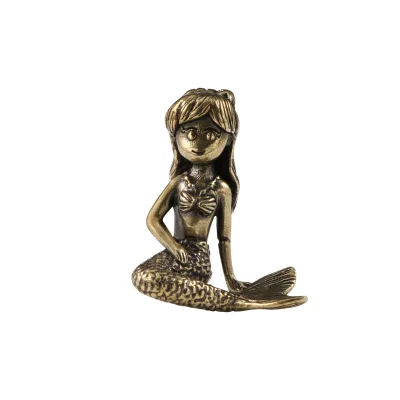
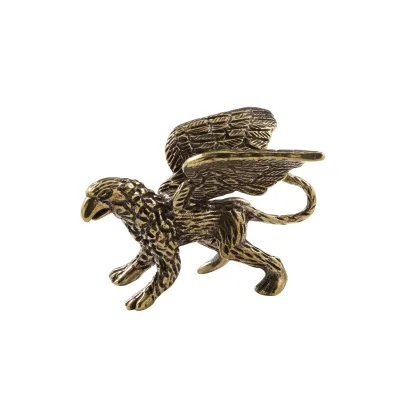
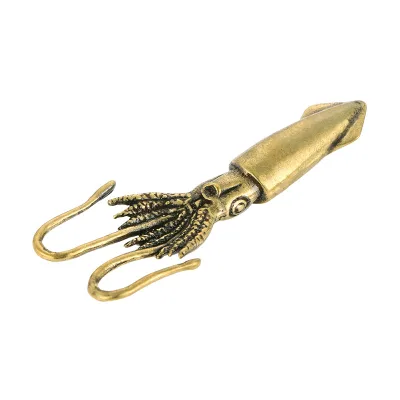
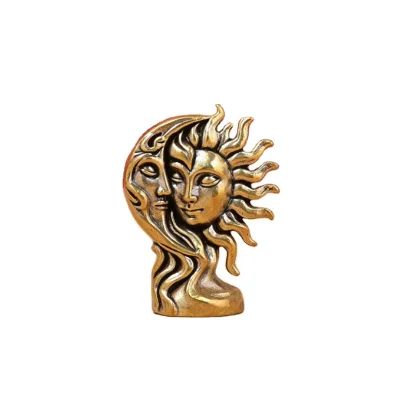
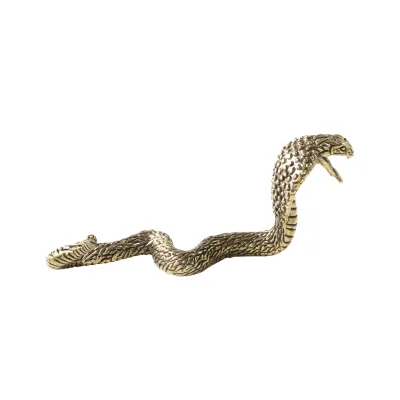
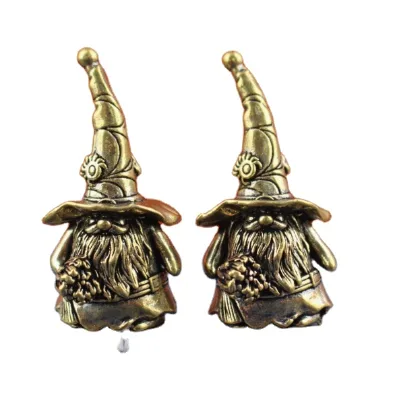
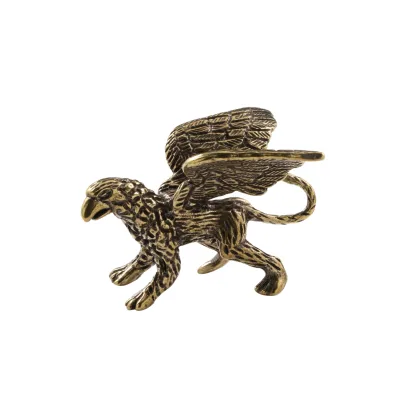
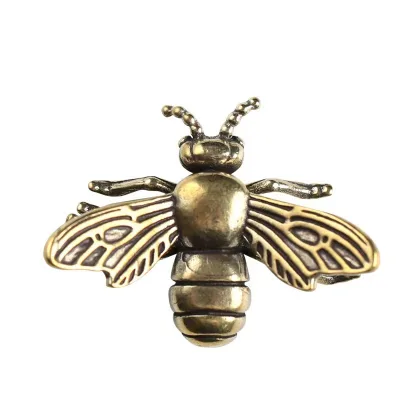


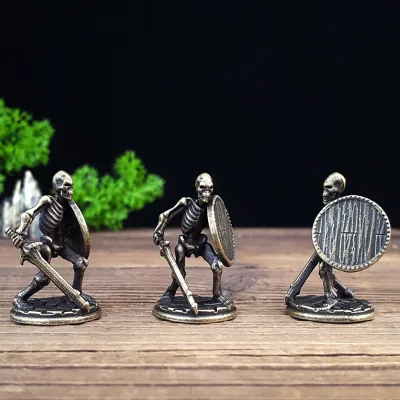


Home Decor Office Desktop Accessories Gift Owl Figurine Ornament Resin Crafts
$2.11 - $2.55
MOQ: 600 Pieces


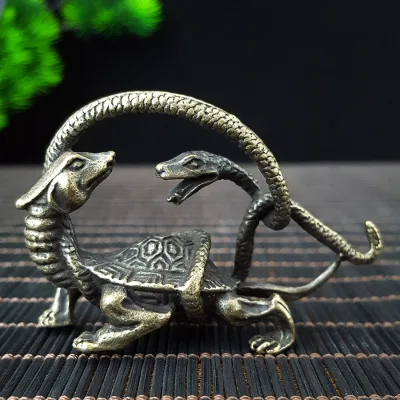

Comprehensive Sourcing Guide
Strategic Sourcing Guide for Die Casted Bronze Desktop Ornaments
Understanding Product Attributes and Technical Specifications
When sourcing Die Casted Bronze Desktop Ornaments, buyers must first distinguish between the casting technique and the final material finish. The core keyword implies a specific manufacturing process where molten metal is forced into a mold under high pressure, resulting in high dimensional accuracy and smooth surface finishes. However, market listings often present a mix of attributes that require careful verification. For instance, while the primary material is frequently identified as brass or general metal, the specific plating treatment defines the visual character of the ornament. Observed product data indicates that "Antique Plating" is a common finish, which mimics the aged look of traditional bronze without necessarily being solid bronze throughout the entire piece.
The physical dimensions and weight are critical for logistics and display planning. Detailed specifications reveal that single package sizes can vary significantly, ranging from compact units measuring 4x3x2 cm to larger items at 14x9x5 cm. Correspondingly, the single gross weight fluctuates between 0.020 kg and 0.056 kg for smaller decorative items, while other listings note weights up to 71g. Buyers should not assume a uniform weight class; instead, they must review the detailed map or specific product data sheet for each SKU. The shape of these ornaments is equally diverse, with observations noting "3D" forms, "Irregular" contours, and "Customized" geometries. This variability suggests that the casting molds are highly specialized, often requiring custom tooling for unique designs such as animal figures or abstract sculptures.
Furthermore, the product type classification varies across listings, ranging from "ARMOUR" and "SCULPTURE" to "Coin" and "statue." This inconsistency highlights the need for precise terminology when communicating with suppliers. A buyer requesting a "statue" might receive a "coin" if the mold definition is ambiguous. Therefore, the technical specification sheet must explicitly define the product type, model number (e.g., BJ0061, CA1318), and the specific technique used, which is often listed as "Casting." The printing method also plays a role in the final aesthetic, with options like "Die Cutting Printing" and "Embossing Printing" available to add texture or branding to the metal surface.
Compliance, Certification, and Material Verification
In the B2B procurement of metal ornaments, compliance and material verification are paramount, yet often obscured by marketing language. While some background information suggests the existence of certifications like RoHS or standards such as ISO9001, these should not be assumed as guaranteed attributes for every listed product. Buyers must treat these as verification targets rather than inherent features. The primary material is frequently listed as "brass" or generic "Metal," but the specific alloy composition and plating quality determine the environmental compliance and durability of the item.
The plating process is a critical area for verification. Listings indicate "Copper-plated Silve" (likely silver) and "Antique Plating" as distinct finishes. To ensure compliance with international safety standards, particularly regarding heavy metals and hazardous substances, buyers should request specific test reports from the supplier. The presence of "RoHS" compliance is a common expectation for metal goods exported to major markets, but it must be confirmed through documentation rather than assumed from the product description. Similarly, while "ISO9001" is a standard for quality management systems, its presence indicates the supplier's process control rather than the physical quality of a single ornament.
Material authenticity is another key consideration. The term "die casted bronze" in the core keyword suggests a specific alloy, yet the observed data points to "brass" as the base material for many items. Brass is an alloy of copper and zinc, whereas bronze is primarily copper and tin. If the buyer's requirement is strictly for bronze, the supplier must confirm the alloy composition. The "OEM" service capability, noted as "10 - Years OEM Service" in some listings, implies that the supplier has the capacity to customize molds and materials, but this does not automatically guarantee the use of specific alloys unless explicitly stated in the contract. Buyers should verify the material composition against their internal specifications to avoid receiving brass items when bronze is required.
Cost Drivers and Pricing Dynamics
The pricing structure for die casted metal ornaments is influenced by a complex interplay of material costs, mold complexity, and order volume. The observed price range in the market spans from $0.35 to $150 USD, a wide disparity that reflects the difference between mass-produced, simple items and high-end, custom-crafted sculptures. The lower end of the spectrum typically corresponds to smaller, standard designs with minimal finishing, while the higher end includes larger pieces with intricate detailing, antique plating, and custom branding.
Minimum Order Quantity (MOQ) is a significant cost driver. Data indicates MOQs ranging from as low as 6 pieces to 1,000 pieces, with common thresholds observed at 10, 12, and 12 pieces. For buyers seeking customization, such as a "Customized Logo" or unique "Shape," the MOQ will likely be higher to justify the cost of creating a new mold. The "Selling Units" are often listed as "Single item," which can be misleading for bulk procurement; buyers must clarify whether the price is per unit or per set. Additionally, the "Single gross weight" and "Single package size" directly impact shipping costs. A heavier item with a larger footprint, such as a 14x9x5 cm package weighing 0.040 kg, will incur higher freight charges than a compact 4x3x2 cm item weighing 0.020 kg.
Lead time is another factor affecting the total cost of ownership. While some listings suggest a delivery time of 3-7 days, this likely applies to stock items or small batches. Custom orders involving new mold creation will require significantly longer lead times. The "Place of Origin" is consistently listed as "Guangdong, China," a major manufacturing hub known for metal casting. While this region offers competitive pricing, buyers should factor in potential logistics delays and the cost of quality assurance inspections. The "Type of packaging," often listed as "PP pack," is a basic protective measure; upgrades to custom packaging will increase the unit cost.
Typical Applications and Market Usage
Die Casted Bronze Desktop Ornaments serve a diverse range of applications, extending beyond simple decoration to include functional and collectible uses. The observed product attributes highlight applications in "Art & Collectible," "Holiday Decoration & Gift," and "Clothing" accessories. The "Style" is often described as "fashion" or "Animal," indicating that these items are frequently used as trendy decor pieces or personalized gifts. The "Use" category is broadly defined as "decorations," but the specific context varies from office desk accessories to home interior accents.
The "Product Type" classification provides further insight into usage. Items categorized as "ARMOUR" or "SCULPTURE" suggest a focus on artistic expression and display, often intended for collectors or high-end retail environments. Conversely, "Coin" type items might be used as promotional giveaways or commemorative pieces. The "Application" field explicitly mentions "Art & Collectible" and "Clothing," suggesting that some ornaments may be integrated into fashion accessories or worn as pendants, although the primary focus remains on desktop display. The "Logo" customization option allows businesses to use these ornaments as branded corporate gifts, leveraging the "OEM" service to imprint company logos or slogans.
The versatility of these products is further enhanced by the "Shape" and "Technique" options. "3D" shapes and "Irregular" forms allow for creative display arrangements, while the "Casting" technique ensures that intricate details are preserved. This makes the ornaments suitable for various themes, from historical reproductions to modern abstract art. The "Color" options, such as "antique," allow buyers to match the ornaments to specific interior design schemes. The "Printing" methods, including "Die Cutting Printing" and "Embossing Printing," add an extra layer of customization, enabling the creation of textured surfaces or detailed graphics that enhance the visual appeal of the ornament.
Supplier Evaluation and Selection Criteria
Selecting the right supplier for die casted metal ornaments requires a rigorous evaluation process that goes beyond price comparison. Buyers should prioritize suppliers who demonstrate transparency in their manufacturing capabilities and quality control measures. The "Place of Origin" being Guangdong, China, indicates a high concentration of manufacturers, but not all possess the same level of expertise. Key evaluation criteria include the supplier's ability to handle "Customized Logo" requests, their experience with "OEM" services, and their track record for meeting delivery timelines.
The "Model Number" and "Product Name" consistency is a good indicator of a supplier's organizational maturity. Suppliers with well-documented model numbers (e.g., BJ0061, CA1318) and clear product names (e.g., "Creative Ornament Metal Art Craft") are more likely to have robust quality control systems. Buyers should also assess the supplier's responsiveness to customization requests, such as changes in "Shape," "Color," or "Plating." The "OEM" service duration, noted as "10 - Years OEM Service" in some listings, suggests a level of experience, but this should be verified through references or case studies.
Quality assurance is another critical factor. Buyers should request samples to evaluate the "Technique" of casting, the smoothness of the "Antique Plating," and the accuracy of the "Die Cutting Printing" or "Embossing Printing." The "Single gross weight" and "Single package size" should be verified against the supplier's specifications to ensure consistency. Additionally, the "Delivery time" of 3-7 days for stock items should be confirmed, as delays can disrupt procurement schedules. Suppliers who offer flexible "MOQ" options, such as starting from 6 or 10 pieces, may be more suitable for small businesses or initial testing phases.
Quality Control and Long-Term Procurement Considerations
Implementing a robust quality control (QC) strategy is essential for maintaining the integrity of Die Casted Bronze Desktop Ornaments. Buyers should establish clear acceptance criteria for visual defects, dimensional accuracy, and material composition. The "Casting" technique can introduce porosity or surface imperfections, which must be inspected before packaging. The "Plating" quality is particularly important, as "Antique Plating" can fade or peel if not applied correctly. Buyers should request plating thickness reports and adhesion test results to ensure durability.
Long-term procurement considerations involve building a sustainable supply chain that can adapt to changing market demands. The "Customized Logo" and "Shape" options allow for product differentiation, but they also require consistent quality over time. Buyers should negotiate contracts that include clauses for quality consistency, penalty for defects, and flexibility in order volumes. The "Type of packaging," such as "PP pack," should be evaluated for its protective capabilities during shipping. Upgrading to custom packaging can enhance the unboxing experience and protect the ornaments from damage.
Furthermore, buyers should consider the environmental impact of their procurement decisions. While "RoHS" compliance is a common standard, buyers should verify that the supplier adheres to local and international environmental regulations. The "Material" composition, whether "brass" or "metal," should be sourced responsibly. Long-term partnerships with suppliers who demonstrate a commitment to sustainability and quality can lead to better pricing, priority production, and improved service levels. By focusing on these factors, buyers can ensure a reliable supply of high-quality Die Casted Bronze Desktop Ornaments that meet their specific needs and expectations.
Comparative Analysis of Product Variants
To facilitate informed decision-making, buyers should compare different product variants based on key attributes. The following table summarizes the observed differences in specifications, helping to identify the most suitable options for specific use cases.
| Attribute | Variant A (Compact) | Variant B (Standard) | Variant C (Large/Custom) |
|---|---|---|---|
| Model Number | YA0011 | BJ0061 | CA1318 |
| Product Type | Coin | ARMOUR | SCULPTURE |
| Material | Metal | Brass | Metal |
| Plating | Copper-plated Silver | Antique Plating | Antique Plating |
| Size (LxWxH) | 4x3x2 cm | 8x5x5 cm | 14x9x5 cm |
| Weight | 0.020 kg | 0.056 kg | 0.040 kg |
| MOQ | 6 pcs | 12 pcs | 10 pcs |
| Shape | Customized | 3D | Irregular |
| Application | Clothing, Art | Art & Collectible | Decoration |
| Style | Antique | Fashion | Animal |
This comparison highlights the trade-offs between size, weight, and customization. Variant A is ideal for promotional items or clothing accessories due to its small size and low MOQ. Variant B offers a balance of size and detail, suitable for general desktop decoration. Variant C, with its larger dimensions and irregular shape, is best for high-end collectibles or statement pieces. Buyers should align their selection with their specific application requirements and budget constraints.
Final Procurement Recommendations
In conclusion, sourcing Die Casted Bronze Desktop Ornaments requires a meticulous approach that balances technical specifications, compliance, cost, and quality. Buyers must verify material composition, plating quality, and dimensional accuracy through direct communication with suppliers. The wide range of available options, from compact coins to large sculptures, offers significant flexibility but demands careful selection based on the intended application. By prioritizing suppliers with strong OEM capabilities, transparent quality control processes, and a commitment to compliance, buyers can secure a reliable supply of high-quality ornaments. Long-term success in this market depends on building strategic partnerships that support customization, consistency, and sustainability.
FAQs
What materials are used for these die casted ornaments?
The primary materials observed are brass and general metal. Some items feature antique plating or copper-plated silver finishes to achieve specific visual effects. Buyers must verify the exact alloy composition if solid bronze is required rather than brass.
How much is the minimum order quantity for these items?
Minimum order quantities vary significantly by product, ranging from as low as 6 pieces to 1,000 pieces. Common thresholds found in listings include 10 and 12 pieces. Custom designs typically require higher volumes to justify mold creation costs.
Can suppliers customize the logo on these metal ornaments?
Yes, suppliers accept customized logos and offer OEM services with a noted capability of ten years. Customization options include embossing printing and die cutting printing to add texture or branding. Specific shape and color requests are also supported for unique designs.
Which certifications apply to these metal casting products?
While RoHS and ISO9001 are mentioned in background contexts, they are not guaranteed for every listed product. Buyers should treat these as verification targets and request specific test reports from the supplier to confirm compliance with safety standards before purchasing.
How long does delivery take for stock items?
Delivery times for stock items are typically listed as 3 to 7 days. This rapid turnaround applies to standard designs without custom tooling. Custom orders involving new mold creation will require significantly longer lead times beyond this standard window.
What is the price range for die casted bronze ornaments?
The observed price range spans from 0.35 to 150 USD per unit. Lower prices usually correspond to smaller, standard designs, while higher costs reflect intricate detailing and custom finishes. Shipping costs depend on the single package size and gross weight of the specific item.
Where are these metal ornaments manufactured?
The place of origin for these products is consistently listed as Guangdong, China. This region is a major manufacturing hub for metal casting and offers competitive pricing. Buyers should factor in logistics costs and potential inspection requirements when sourcing from this location.