Source Die Cast Enamel Lapel Badge with Butterfly Clutch for School, Military, Security
Compare 30 listings of Die Cast Enamel Lapel Badge with Butterfly Clutch from Guangdong manufacturers. Buyers can evaluate customization options, plating finishes, and MOQs for school, military, and security applications.
Key considerations
Products List


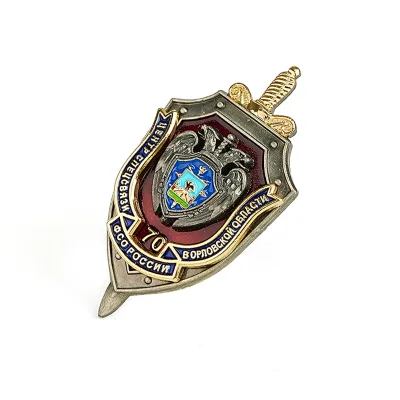


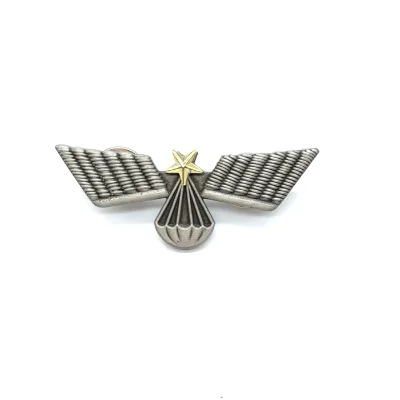


Wholesale Cartoon Custom Logo Lapel Pin Badge with Butterfly Clutch Back
$0.08 - $0.15
MOQ: 100 pieces


Comprehensive Sourcing Guide
Strategic Sourcing Guide for Die Cast Enamel Lapel Badges with Butterfly Clutch
The global market for custom lapel badges has expanded significantly, driven by demand from corporate entities, government agencies, and non-profit organizations seeking high-quality identification and recognition tools. When sourcing a die cast enamel lapel badge with a butterfly clutch, buyers must navigate a complex landscape of manufacturing techniques, material specifications, and logistical requirements. This guide provides a structured approach to evaluating suppliers and products, ensuring that the final procurement aligns with specific organizational needs while maintaining cost efficiency and quality standards. The focus remains on the intersection of traditional craftsmanship and modern manufacturing capabilities, specifically targeting the attributes of die casting, enamel filling, and secure butterfly clutch attachments.
Technical Specifications and Manufacturing Attributes
Understanding the technical composition of the badge is the first step in any successful procurement process. The core keyword implies a specific manufacturing method: die casting. This process involves forcing molten metal into a mold under high pressure, resulting in a badge with sharp, detailed edges and a substantial feel that is often superior to stamped metal alternatives. The "enamel" aspect refers to the coloring process, where colored glass or epoxy powder is fused to the metal surface. In the context of the available product data, buyers should verify whether the enamel application is soft or hard, as this affects the final texture and durability. Soft enamel leaves the metal lines raised above the color, creating a tactile, textured finish, while hard enamel is polished flat for a smooth, glossy surface.
The attachment mechanism, specifically the butterfly clutch, is a critical technical detail. This component consists of a metal post and a two-part backing that snaps onto the post to secure the badge to fabric. The supplied product facts indicate that the "Butterfly Clutch" is a standard attachment option, often paired with "Magnetic" or "3D" features in specific product lines. Buyers must confirm that the clutch size matches the post diameter of the die-cast badge to ensure a secure fit that does not easily detach during wear. Furthermore, the material composition is a primary specification. While some entries in the market data reference "Alloy" as the base material, die-cast badges are typically made from zinc alloy, which offers excellent malleability for intricate designs. The "Custom Shape" and "Custom Size" attributes found in the data suggest that buyers are not limited to standard dimensions, with observed standard ranges often falling between 2 inches and 4 inches, or 25mm to 50mm, depending on the specific supplier's capabilities.
Compliance, Certification, and Material Safety
In the B2B sector, compliance is not merely a formality but a prerequisite for market entry, particularly when badges are intended for use in schools, security roles, or public events. The product data presents a dichotomy regarding environmental standards, with some listings marked as "Eco-Friendly: Yes" and others as "Eco-Friendly: No." This variation highlights the necessity for buyers to explicitly request certification documentation rather than assuming compliance based on general product descriptions. For badges intended for children's schools or international distribution, verifying that the materials meet specific safety standards for heavy metals (such as lead and cadmium limits) is essential.
Buyers should also scrutinize the "Standard" attributes listed in product catalogs. While the data mentions a size range of "2"~4"(custom size)" and "25-50mm(customer size)," it does not explicitly cite international safety certifications like ISO 9001 or specific REACH compliance for the European market. Therefore, the procurement strategy must include a direct inquiry to the supplier regarding their quality management systems and material safety data sheets (MSDS). The presence of "Customized Logo" and "Free Artwork/Design" services implies that the supplier handles the design phase, but the buyer retains responsibility for ensuring the final product meets the regulatory requirements of the destination country. Additionally, the "Plating" attribute, specifically "Gold" plating mentioned in the data, requires verification of the plating thickness and the base metal purity to ensure it does not cause allergic reactions or tarnish quickly.
Cost Drivers and Pricing Dynamics
The pricing of die cast enamel lapel badges is influenced by a complex interplay of factors, including material costs, production volume, and the complexity of the design. The observed price range in the market data spans from $0.08 to $1.00 USD per unit. This wide variance is not arbitrary; it is driven by the quantity ordered, the intricacy of the die-cast mold, and the type of enamel used. Lower prices typically correlate with higher volumes and simpler designs, whereas the upper end of the range often reflects custom molds, multi-color enamel applications, or specialized finishes like 3D effects or flashing features.
The Minimum Order Quantity (MOQ) is another significant cost driver. The data indicates an observed MOQ range of 5 to 500 units, with some suppliers offering "No MOQ Limited" options while others strictly enforce a "50PCS" minimum. For buyers with small batch requirements, the unit cost will naturally be higher due to the fixed costs of mold creation and setup. Conversely, large-scale procurement can leverage economies of scale to reduce the per-unit cost significantly. Buyers should also consider the "Ingle Gross Weight" and "Single Package Size" when calculating total landed costs. For instance, a badge weighing 0.002kg to 0.012kg may seem negligible, but when multiplied by thousands of units, the shipping weight and associated logistics costs become a substantial part of the total budget. The "Packing Method," ranging from "Single PP Bag" to "Gift Box" or "Velvet Box," also impacts the final price, as premium packaging adds material and labor costs.
Typical Applications and Usage Scenarios
The versatility of die cast enamel lapel badges makes them suitable for a vast array of applications, as evidenced by the diverse usage categories listed in the product data. These include "Souvenirs, Awards/Recognition/Honor/Collection," "Promotions/Gifts/Advertisement," and "Security Guard Badge" functions. The "Type" attribute, which lists "Organization National Party School Army," further underscores the badge's utility in formal and institutional settings. For example, military and police organizations often require badges with specific insignia, such as "Star," "Heart Shaped," or "Sheriff Star," which can be customized using the "Customized Logo" services.
In the corporate sector, these badges serve as tools for employee identification and brand reinforcement. The "Breast Cancer Pink Ribbon" and "Hybrid/Security Guard Badge" examples illustrate their use in fundraising and safety compliance. The "Wearing Way: Breast" specification confirms that these are primarily designed for lapel or chest placement, making them ideal for uniforms, blazers, and caps. The "Feature" attributes, such as "Magnetic" or "Flashing," open up additional use cases for promotional events where visibility and engagement are paramount. For instance, a "Flashing" badge could be used at a concert or a night-time security event to ensure high visibility. The "Usage" data also highlights "Fundraisers," indicating that these badges are often produced in limited editions to support charitable causes, requiring a balance between aesthetic appeal and cost-effectiveness.
Supplier Evaluation and Selection Criteria
Selecting the right supplier is critical to ensuring product quality and timely delivery. When evaluating potential partners, buyers should look for a comprehensive understanding of the "Technics" involved. The data mentions "Enamel," "Plated," and "Soft Enamel Pin Badge Making Machine," suggesting that suppliers may offer different levels of automation and craftsmanship. A supplier that explicitly states "Custom Made" and offers "Free Artwork/Design" demonstrates a commitment to client customization, which is vital for unique branding needs.
Buyers should also assess the supplier's location and logistical capabilities. The product origin is listed as "Guangdong, China," a major manufacturing hub known for its expertise in metalwork and jewelry. However, proximity to the buyer's location is not the only factor; the supplier's ability to handle "Single Package Size" logistics and "Package Size" of 29x27x18cm for bulk shipments is equally important. The "MOQ" flexibility is another key evaluation metric. While some suppliers offer "No MOQ Limited," others have a strict "50PCS" requirement. Buyers must align their order volume with the supplier's capabilities to avoid unnecessary costs or production delays. Additionally, the "Product Type" consistency, such as "Badge & Emblem," ensures that the supplier specializes in the specific category rather than offering a generic range of products.
Quality Control and Long-Term Procurement Considerations
Quality control (QC) is the final barrier between a successful procurement and a costly failure. Given the "Feature" attributes like "3D" and "Magnetic," buyers must implement rigorous QC checks to ensure these features function as intended. For example, the "Butterfly Clutch" must be tested for durability to ensure it does not loosen after repeated use. The "Eco-Friendly" status should be verified through third-party testing, especially if the badges are intended for export to markets with strict environmental regulations.
Long-term procurement considerations involve building a relationship with a supplier who can scale with the buyer's needs. The "Customized" nature of the product means that once a design is approved, the supplier should be able to replicate it consistently for future orders. The "Single Item" selling unit suggests that the supplier can handle both sample orders and bulk production, providing flexibility for the buyer. Furthermore, the "Usage" diversity implies that the supplier should be capable of producing badges for different sectors, from "School" to "Security Guard," without compromising on quality. Buyers should also consider the "Packing Method" for long-term storage and distribution, ensuring that the "Single PP Bag" or "Gift Box" options protect the badges from damage during transit and storage.
Comparative Analysis of Product Attributes
To assist in decision-making, the following table summarizes key attributes observed in the market data, highlighting the variations buyers may encounter.
| Attribute Category | Observed Variations | Procurement Implication |
|---|---|---|
| Material | Alloy, Zinc Alloy, Tinplate | Verify base metal purity for durability and plating adhesion. |
| Technics | Enamel, Plated, Soft Enamel, 3D | Determine desired finish (textured vs. smooth) and visual impact. |
| Attachment | Butterfly Clutch, Magnetic, Long Needle | Ensure compatibility with the intended garment or surface. |
| MOQ | 5, 50, 500, No MOQ Limit | Align order volume with budget and storage capacity. |
| Size | 25-50mm, 2"-4", Custom Size | Confirm dimensions match design requirements and visibility needs. |
| Eco-Friendly | Yes, No | Verify compliance with target market environmental regulations. |
| Packaging | PP Bag, Gift Box, Velvet Box | Factor packaging costs into the total unit price and branding strategy. |
In conclusion, sourcing a die cast enamel lapel badge with a butterfly clutch requires a meticulous approach that balances technical specifications, compliance requirements, and cost considerations. By leveraging the detailed product attributes available in the market and conducting thorough supplier evaluations, buyers can secure high-quality badges that meet their specific organizational needs. The flexibility of custom designs, combined with the robust manufacturing techniques of die casting and enamel application, ensures that these badges remain a versatile and effective tool for identification, recognition, and promotion across various sectors.
FAQs
What materials are used for die cast enamel lapel badges?
These badges are typically made from alloy, often zinc alloy for die casting. The product data confirms alloy as the base material, while gold plating is available for the finish. Buyers should verify specific alloy compositions for durability and plating thickness to ensure quality.
How can I customize the size and shape of the badge?
Custom size and shape options are available, with standard ranges from 2 to 4 inches or 25 to 50 millimeters. Suppliers offer free artwork design services to create unique shapes like stars or hearts. This flexibility allows for tailored designs that meet specific organizational branding needs.
What is the minimum order quantity for these badges?
The minimum order quantity varies by supplier, ranging from 5 to 500 pieces, with some offering no MOQ limits. Specific listings show a 50-piece minimum for certain models. Buyers should check individual supplier terms to align order volume with their budget and production requirements.
Can I get eco-friendly options for these lapel badges?
Eco-friendly status varies, with some listings marked as yes and others as no. Buyers must explicitly request certification documentation rather than assuming compliance. Verifying material safety data sheets is essential, especially for badges intended for schools or international distribution to meet safety standards.
Which attachment types are available for the butterfly clutch?
The butterfly clutch is a standard attachment option, often paired with magnetic or 3D features. The clutch consists of a metal post and a two-part backing that snaps securely to fabric. Buyers must confirm the clutch size matches the post diameter to ensure a secure fit during wear.
How does the price range vary for these badges?
The observed price range spans from 0.08 to 1.00 USD per unit, driven by volume and design complexity. Lower prices correlate with higher volumes and simpler designs, while the upper end reflects custom molds or specialized finishes. Packaging choices also impact the final cost significantly.
Where are these badges manufactured and what is the lead time?
The product origin is listed as Guangdong, China, a major manufacturing hub for metalwork and jewelry. While specific lead times are not provided in the facts, the location suggests established logistics capabilities. Buyers should inquire directly about shipping times and packaging methods for bulk orders.