Source Diecast Alloy Car Model for recreation, promotion, and souvenirs
Find 30 Diecast Alloy Car Model options from suppliers in Shantou and China. Buyers can compare customization, packaging, and lead times for recreational, promotional, and souvenir uses.
Key considerations
Products List


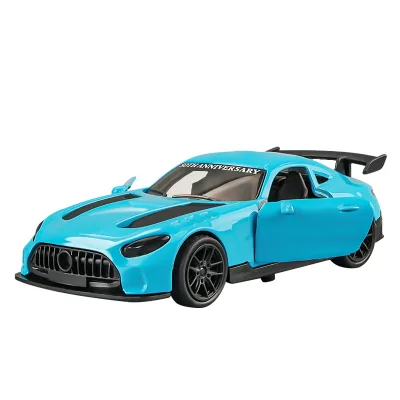
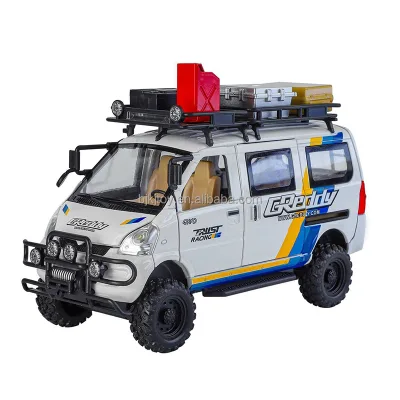

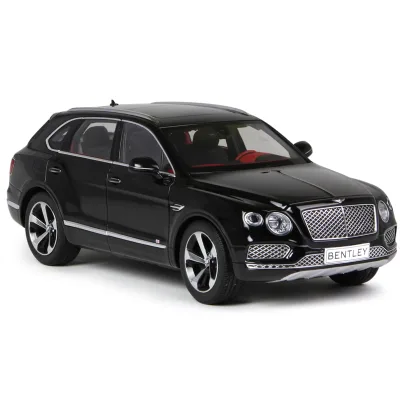
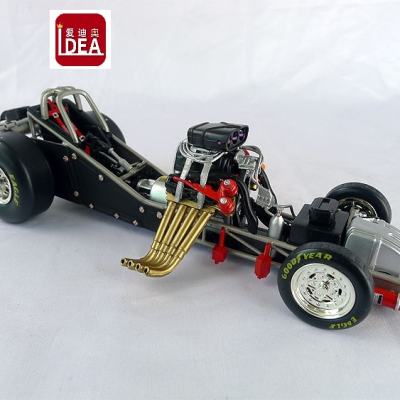

Comprehensive Sourcing Guide
Strategic Sourcing Guide for Diecast Alloy Car Models
The global market for diecast alloy car models represents a sophisticated intersection of manufacturing precision, regulatory compliance, and diverse consumer utility. For B2B procurement professionals, navigating this sector requires a granular understanding of material composition, standardization protocols, and supply chain logistics. The following guide synthesizes available market data to provide a disciplined framework for sourcing these miniature vehicles, ensuring that procurement decisions are grounded in verifiable facts rather than speculative claims.
Technical Specifications and Material Composition
The foundational element of any Diecast Alloy Car Model is its material composition. In the observed market data, the primary material is consistently identified as metal, specifically diecast alloy for the body. This material choice is critical as it dictates the weight, durability, and tactile feel of the product. However, the composition is rarely monolithic. Detailed specifications indicate a composite structure where the body is diecast, while other components utilize plastic and rubber materials. This hybrid approach allows manufacturers to balance the premium feel of metal with the cost-efficiency and design flexibility of polymers for non-structural parts.
Physical dimensions vary significantly based on the intended scale and target demographic. Observed product models range from compact units measuring approximately 8 cm in length to larger variants reaching 12 cm. Some specifications note a precise footprint of 8.5 cm by 3.8 cm by 2.7 cm, while others describe larger packaging standards with dimensions such as 86.00 cm by 32.50 cm by 65.00 cm for bulk shipping. The scale is generally categorized as "Small," which is a standard classification for collectible and promotional items.
Design customization is a prevalent feature in this sector. Buyers can expect to find products where the size is fully customizable, allowing for bespoke dimensions to meet specific branding or display requirements. Furthermore, the availability of 3D files, including Step and Igs formats, suggests that advanced suppliers offer digital prototyping capabilities. This is essential for clients who require unique mold designs rather than off-the-shelf models. The shape of the models is predominantly automotive, covering both cars and trucks, with styles ranging from European and American aesthetics to specific model toy representations.
Compliance, Certification, and Safety Standards
Safety and regulatory compliance are non-negotiable in the toy and collectible industry, particularly given the age demographics associated with these products. The market data highlights specific certifications that serve as benchmarks for quality assurance. Key certifications observed include ASTM, CE, and EN standards. These marks indicate adherence to rigorous safety protocols regarding chemical composition, mechanical hazards, and physical integrity.
It is crucial to distinguish between different product lines based on their intended age groups. Some models are explicitly designed for children aged 3 to 8 years, while others target the 8 to 11-year-old demographic, and a separate category is designated for adults. The presence of "Static Display" as a function for certain items suggests that some models are intended for collection rather than active play, which may alter the safety testing requirements. For items marketed to younger children, the absence of sound features is noted, which simplifies the compliance landscape by removing electrical and battery-related hazards.
Buyers must verify that the supplier can provide valid test reports corresponding to the specific target market. While the data lists certifications like ASTM and CE, the specific version of the standard (e.g., ASTM F963) must be confirmed for each batch. The "ENASTM" notation suggests a combination of European and American standards, which is common for products destined for export to multiple regions. Verification of these certifications should be a prerequisite before finalizing any order, ensuring that the products meet the legal requirements of the destination country.
Cost Drivers and Pricing Dynamics
The pricing structure for diecast alloy car models is influenced by a complex array of factors, including material costs, customization levels, and order volume. The observed price range in the market spans from $0.10 to $30.00 USD. This wide variance is not arbitrary but reflects the diversity in product complexity and order quantity. The lower end of the spectrum likely corresponds to basic, non-customized models with minimal packaging, while the higher end reflects intricate designs, custom molds, and premium packaging solutions.
Minimum Order Quantities (MOQs) play a significant role in determining the unit cost. The data indicates an MOQ range from 1 unit up to 8,280 units. This flexibility allows buyers to scale their procurement based on their specific needs, whether they are a small business seeking a few samples or a large retailer placing a massive seasonal order. The relationship between volume and price is inverse; as the order quantity increases, the per-unit cost typically decreases due to economies of scale in molding and assembly.
Packaging is another critical cost driver. Options range from simple packing bags to sophisticated "Colors Box and Outer Carton Safety Pack" or "Colors Box with Clear Window, Safe Packing." The latter adds significant value but also increases the unit cost. Additionally, the lead time impacts pricing. Standard lead times observed are around 30 days, while more complex customized orders may require up to 3 months. Rush orders or expedited production schedules often incur premium charges. Buyers should also consider the logistics costs associated with the product's density and volume, as indicated by the "0.11/cbm" to "0.333/cbm" shipping metrics found in the data.
Typical Applications and Usage Scenarios
Diecast alloy car models serve a multitude of applications beyond simple play. The data categorizes usage into several distinct sectors, including recreation, promotion, and souvenir distribution. For the recreational market, these models are often used as collectibles or hobby items for enthusiasts. The "Intellectual Toy" classification suggests an educational component, where the models are used to teach children about vehicle mechanics, history, or engineering.
In the corporate and promotional sector, these models are highly effective as branded giveaways. The ability to apply full-color logo prints and utilize pad print techniques allows companies to customize the vehicles with their branding. This makes them ideal for trade shows, corporate events, and marketing campaigns. The "Funny, Particular Toys, Odd Toys" categories indicate niche markets where unique or novelty designs are in demand.
The "Adults" age category points to a robust collector's market. These buyers often seek high-fidelity replicas with specific European and American styles. For this demographic, the "Static Display" function is paramount, as the models are intended for shelf display rather than active manipulation. The versatility of the product allows it to bridge the gap between a child's toy and an adult's collectible, depending on the specific design and marketing strategy employed by the supplier.
Supplier Evaluation and Origin Verification
When evaluating potential suppliers, origin and manufacturing capability are primary indicators of reliability. The data identifies Shantou and "Made in China" as key production locations. Shantou is a well-known hub for toy manufacturing in China, possessing a mature supply chain for diecast products. Buyers should verify the specific factory location to ensure it aligns with their ethical sourcing policies and quality expectations.
Supplier evaluation must also focus on their customization capabilities. The data confirms that customization is available, with options for logo printing, size adjustment, and even 3D file integration. A capable supplier will demonstrate proficiency in handling these requests without compromising the structural integrity of the diecast body. The availability of "Step, Igs File" support indicates a level of technical sophistication that is essential for clients requiring bespoke designs.
Lead time consistency is another critical factor. While the data cites a standard lead time of 30 days and a maximum of 3 months for complex orders, buyers must assess the supplier's track record for meeting these deadlines. Delays in production can disrupt inventory planning and sales cycles. Additionally, the supplier's ability to manage the "Packing Bag" versus "Carton" logistics is vital for ensuring products arrive in perfect condition.
Quality Control and Long-Term Procurement Considerations
Maintaining consistent quality in diecast production requires a robust quality control (QC) framework. Buyers should implement a multi-stage inspection process, starting with raw material verification to ensure the diecast alloy meets the specified composition. The presence of plastic and rubber components necessitates checks for brittleness and chemical safety, particularly for products intended for children.
Visual inspection is crucial for assessing the finish quality, including the accuracy of the full-color logo prints and the precision of the pad print application. Any misalignment or color bleeding can significantly detract from the product's value. For bulk orders, statistical sampling methods should be employed to detect defects early in the production run.
Long-term procurement considerations involve building a sustainable relationship with the supplier. This includes negotiating favorable terms for repeat orders, securing capacity during peak seasons, and establishing clear communication channels for addressing any quality issues. The "Customized" nature of many products means that the supplier must be flexible enough to adapt to changing market trends and design requirements.
Furthermore, buyers should consider the environmental impact of their procurement choices. The use of recyclable materials in packaging and the adherence to environmental standards in manufacturing can enhance the brand image of the buyer. The "Carton" packing standard observed in the data suggests that bulk shipping is optimized for efficiency, but buyers should verify if the cartons are made from sustainable materials.
Comparative Analysis of Product Attributes
To assist in decision-making, the following table summarizes key attributes observed in the market data, highlighting the variability across different product models.
| Attribute Category | Observed Variations | Procurement Implication |
|---|---|---|
| Material | Metal (Diecast), Plastic, Rubber | Verify alloy grade and plastic safety for target age group. |
| Certification | ASTM, CE, EN, ENASTM | Confirm specific standard versions for destination markets. |
| Age Group | 3-8 Years, 8-11 Years, Adults | Ensure safety testing matches the declared age bracket. |
| Packaging | Packing Bag, Colors Box, Outer Carton | Factor packaging cost and protection level into total landed cost. |
| Customization | Logo Print, Size, 3D Files, Full Color | Assess supplier's technical capacity for bespoke requirements. |
| Lead Time | 30 Days, 3 Months | Plan inventory cycles based on order complexity. |
| Origin | Shantou, Made in China | Verify factory location for ethical and logistical alignment. |
| Function | Static Display, Recreation, Promotion | Align product selection with intended end-use scenario. |
Conclusion
Sourcing diecast alloy car models requires a meticulous approach that balances technical specifications, regulatory compliance, and cost efficiency. The market offers a wide array of options, from simple promotional items to high-end collectibles, each with distinct requirements for materials, certifications, and packaging. By leveraging the observed data on material composition, standardization, and supplier capabilities, buyers can make informed decisions that mitigate risk and ensure product quality. The flexibility in customization and the range of applications make this category a versatile asset for B2B procurement strategies, provided that due diligence is maintained throughout the sourcing process.
FAQs
What materials are used for diecast alloy car models?
The primary material is metal, specifically diecast alloy for the body. Other components often utilize plastic and rubber to balance durability with cost-efficiency and design flexibility for non-structural parts.
Which certifications are required for safety compliance?
Key certifications observed include ASTM, CE, and EN standards. These marks indicate adherence to rigorous safety protocols regarding chemical composition and mechanical hazards for the specific target age groups.
Can the size of the models be customized?
Yes, the size is fully customizable to meet specific branding or display requirements. Advanced suppliers also offer 3D file integration in Step and Igs formats for unique mold designs.
What is the typical lead time for production?
Standard lead times are around 30 days for regular orders. More complex customized orders may require up to 3 months to complete the production and quality assurance processes.
How does the minimum order quantity affect pricing?
The minimum order quantity ranges from 1 to 8,280 units. As the order quantity increases, the per-unit cost typically decreases due to economies of scale in molding and assembly.
Where are these products typically manufactured?
Products are primarily manufactured in Shantou and other locations in China. Shantou is a known hub for toy manufacturing with a mature supply chain for diecast products.