Source Dielectric Fire Fighting Helmet for Chemical, Construction, and Power
Compare 30 Dielectric Fire Fighting Helmet options from verified suppliers. These protective helmets feature flame retardant materials, thermal insulation, and customizable sizes for use in chemical, construction, and power industries; compare the available evidence and request quotations based on your requirements.
Key considerations
Products List


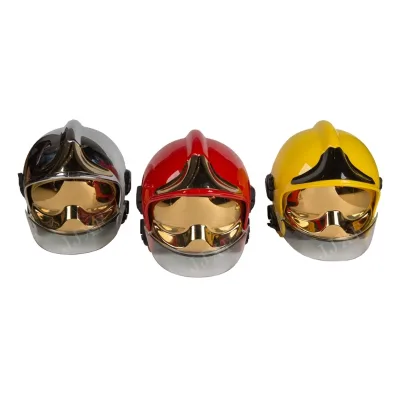

Firefighting Helmet Top Quality Flame Retardant Fire Fighting Equipment
$50.99 - $60.99
MOQ: 100 Pieces

Top Quality Flame Retardant Fire Fighting Equipment Fireman Protective Safety Work Helmet
$50.99 - $60.99
MOQ: 100 Pieces

Yellow Flame Retardant Fire Fighting Fireman Safety Protective Helmet En 443
$98.99 - $107.99
MOQ: 100 Pieces

Red Flame Retardant Fire Fighting Fireman Safety Protective Helmet En 443
$98.99 - $107.99
MOQ: 100 Pieces


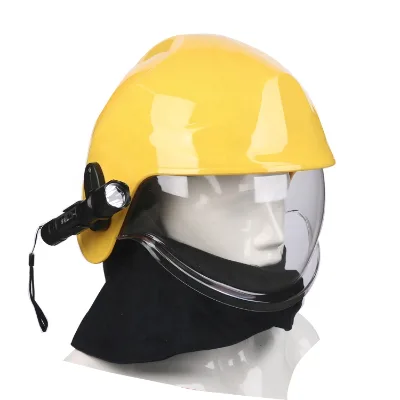


Safety Helmet Custom Professional Protection Reflective Flame Retardant Safety Fire
$39.30 - $40.80
MOQ: 100 Pieces
Comprehensive Sourcing Guide
Dielectric Fire Fighting Helmet Sourcing Guide
Procurement professionals must first distinguish between general fire protection gear and specialized dielectric helmets designed for electrical hazards. The observed product data indicates a market offering helmets with specific attributes like flame retardancy and thermal insulation, often paired with chemical-resistant applications. Buyers should verify that the "dielectric" claim is explicitly supported by material specifications, such as the observed PC/ABS alloy or pure PC shells, rather than assuming all red or yellow helmets in the listing possess high-voltage insulation properties.
The sourcing landscape reveals a mix of product models ranging from CNMF1083 to HEP182, each potentially serving different operational needs within the fire and rescue sector. While some listings highlight a "Wear Mode" of knob or press type, the critical decision point for buyers is confirming the helmet's ability to withstand specific electrical environments alongside its primary fire-fighting functions. Sourcing strategies must prioritize suppliers who can clearly map their product models to the specific voltage classes and environmental conditions of the intended deployment site.
Product Scope and Observed Listing Signals
Buyers should analyze the observed product attributes to ensure the helmet meets the dual requirements of fire resistance and electrical safety. The data shows items with functions including thermal insulation, flame retardancy, and wearproof capabilities, often constructed from materials like flame retardant PC/ABS alloy. It is essential to confirm that the "Red and silver" or "Yellow" color coding aligns with local safety standards for visibility and hazard identification, as these visual signals often correlate with specific protective ratings in the field.
Commercial listings frequently vary in packaging and customization options, with some offering box or carton packing and others providing standard or PP bag packaging. The presence of customization features, such as adjustable sizes or logo placement, suggests a flexible supply chain, yet buyers must verify that these modifications do not compromise the structural integrity of the dielectric shell. Procurement teams should scrutinize the "Usage" field, ensuring it explicitly covers fire spaces and outdoor electrical environments rather than generic industrial applications.
Technical Specifications to Verify
Technical verification must begin with the shell material composition, as the observed data highlights PC and PC/ABS alloys as primary construction elements. Buyers need to confirm that the specific alloy formulation provides the necessary dielectric strength to prevent electrical conduction during high-voltage incidents. The maximum impact force of 3322.3N observed in some listings serves as a benchmark for structural durability, but this metric must be validated against the specific impact scenarios expected in the buyer's operational environment.
Temperature tolerance is another critical specification, with observed data indicating a limit of 260 degrees, which is vital for fire-fighting scenarios involving extreme heat. Procurement teams should verify that the helmet's internal suspension system and chin straps maintain their integrity at these temperatures without melting or deforming. Additionally, the weight constraint of less than 1.3kg is a significant factor for operator fatigue, and buyers must ensure that the lightweight design does not sacrifice the necessary thickness or layering required for dielectric protection.
Compliance and Safety Documentation
Documentation review should focus on the presence of CE and ISO certifications, which are explicitly mentioned in the product data as key compliance markers. Buyers must request valid, current certificates that specifically cover dielectric performance and fire resistance, rather than accepting general quality management certifications like ISO 9001 as a substitute for product safety. The distinction between a general ISO certification and a specific product standard is crucial for ensuring the helmet meets the rigorous safety requirements of electrical fire-fighting operations.
Safety standards for dielectric helmets often require specific testing protocols that go beyond general fire protection. Procurement teams should verify that the product standard, such as the observed 52-65cm range or adjustable size specifications, aligns with the relevant national or international safety codes for electrical utilities. It is imperative to confirm that the "Flame Retardant" and "Anti-Radiant Heat" functions are backed by independent test reports, ensuring the helmet can withstand the thermal and electrical stresses of a real-world emergency.
Cost Drivers and Commercial Terms
Cost structures for dielectric fire fighting helmets are heavily influenced by the complexity of the shell material and the level of customization required. The observed MOQ of 50 sets suggests that smaller orders may incur higher per-unit costs, while bulk purchases could leverage economies of scale in the production of specialized PC/ABS alloys. Buyers should negotiate based on the total value of the order, considering that customization options like logo printing or specific color combinations may add to the base manufacturing cost.
Commercial terms must clearly define the lead time and shipping conditions, as the observed origin locations in Nanjing and Jiangxi indicate a supply chain that may be subject to regional logistics variables. The price range of 2.2 to 500 USD reflects a wide spectrum of product quality and feature sets, requiring buyers to align their budget with the specific technical requirements of their operation. It is advisable to clarify whether the quoted price includes all necessary safety documentation and certification fees to avoid unexpected costs during the final procurement phase.
Supplier Qualification and Quality Control
Supplier qualification should prioritize manufacturers with a proven track record in producing protective gear for the chemical, construction, and metallurgy sectors. The observed product applications in these industries suggest that suppliers possess the necessary expertise to handle complex material requirements and safety standards. Buyers should assess the supplier's ability to maintain consistent quality across different product models, such as the transition from HEP182 to HDP355, ensuring that dielectric properties remain stable regardless of the specific model ordered.
Quality control processes must include rigorous testing of the dielectric strength and impact resistance for every batch produced. Procurement teams should request evidence of in-house testing capabilities or third-party audit reports that verify the helmet's performance against the stated specifications. The ability to customize the helmet while maintaining its safety rating is a key indicator of a supplier's technical maturity, and buyers should verify that customization does not introduce weak points in the shell or suspension system.
Long-Term Procurement Checks
Long-term procurement strategies should include regular re-verification of supplier certifications and product specifications to ensure ongoing compliance with evolving safety standards. As regulations regarding dielectric protection and fire safety may change, buyers must establish a schedule for auditing their suppliers to confirm that the CE and ISO certifications remain valid and applicable to the specific helmet models in use. This proactive approach helps mitigate the risk of non-compliance and ensures that the protective gear remains effective over the product's lifecycle.
Maintenance and replacement protocols are essential for managing the long-term performance of dielectric fire fighting helmets. Buyers should develop a clear policy for inspecting helmets for signs of wear, such as cracks in the PC shell or degradation of the flame-retardant coating, which can compromise safety. Establishing a relationship with a supplier that offers reliable after-sales support and spare parts will ensure that the procurement team can quickly address any issues and maintain a fleet of fully operational, safe equipment.
FAQs
What certifications are available for dielectric fire fighting helmets?
Certifications such as CE and ISO are available for dielectric fire fighting helmets. These standards ensure the equipment meets rigorous safety and quality requirements for industrial use. Buyers should verify specific certification documents with suppliers to confirm compliance with local regulations and industry standards before placing orders.
Can dielectric fire fighting helmets be customized for specific brands?
Yes, customization is available for dielectric fire fighting helmets. Suppliers often allow logo customization and specific packaging options like boxes or cartons. This flexibility helps organizations maintain brand identity and ensures proper storage and transport of the protective gear during procurement and distribution processes.
What materials are used in Dielectric Fire Fighting Helmet shells?
Shells are typically made from flame retardant PC/ABS alloy or pure PC materials. These materials provide essential thermal insulation, wear resistance, and anti-radiant heat protection. The choice of material ensures durability and safety for adults working in high-risk environments like chemical plants or construction sites.
What is the typical weight of a Dielectric Fire Fighting Helmet?
The weight is generally less than 1.3kg for many models. This lightweight design reduces neck strain during extended wear. Buyers should check specific model specifications, as weights can vary based on the shell material and additional features like visors or communication mounts included in the package.
Which applications require dielectric fire fighting helmets?
These helmets are used in chemical, construction, metallurgy, electric power, and transportation industries. They are designed for fire spaces and outdoor use. The protective gear offers flame retardant properties and wear resistance, making it suitable for adults working in hazardous environments requiring head protection.
What sizes are available for dielectric fire fighting helmets?
Sizes typically include M, L, XL, XXL, and XXXL. Some models feature adjustable sizes to ensure a secure fit for different head shapes. Buyers should consult specific product models like CNMF1083 or ASN FF010 to confirm exact sizing options and ensure proper protection for their team.