Source Diesel Engine Excavator Parts for Construction, Mining, and Agriculture
Compare 30 listings of Diesel Engine Excavator Parts from verified Chinese suppliers. Buyers can review specifications like engine models, power ratings, and certifications to find suitable components for machinery repair and manufacturing applications.
Key considerations
Products List




Comprehensive Sourcing Guide
Strategic Sourcing Guide for Diesel Engine Excavator Parts
Understanding Technical Specifications and Engine Variants
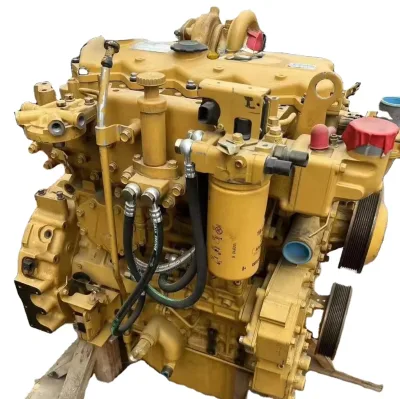
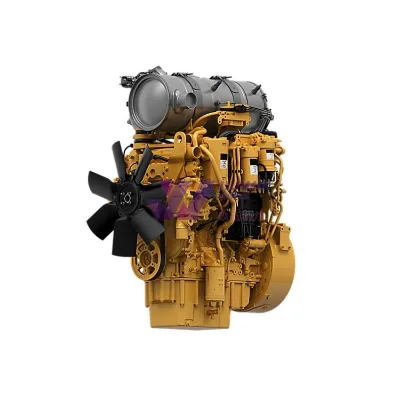
When sourcing diesel engine components for excavators, the primary challenge lies in the diversity of engine architectures and the specific compatibility requirements of heavy machinery. The market presents a wide array of configurations, ranging from compact four-cylinder units to robust six-cylinder powerplants designed for heavy-duty excavation. Buyers must first distinguish between engine models based on their displacement, cylinder arrangement, and cooling systems. For instance, specific listings indicate the availability of engines with a displacement of 6.128 liters, featuring a six-cylinder, L-arrangement configuration. These units are typically four-stroke, compression-ignition diesel engines that utilize supercharged intake pressure to maximize power output. In contrast, other segments of the market offer four-cylinder variants with a 4.8-liter displacement, often rated for power outputs between 75 kW and 103 kW at speeds of 2500 rpm.
The physical dimensions and weight of these engines are critical for logistics and installation planning. Data from current listings shows significant variance in physical profiles; one configuration measures approximately 924mm in length, 692mm in width, and 843mm in height, weighing around 450 kg. Another variant presents dimensions of 1009mm by 692mm by 1052mm with a weight of 485 kg. These differences necessitate precise verification before procurement to ensure the replacement part fits the existing excavator chassis and mounting points. Furthermore, the cooling system is a vital differentiator. While some units are designed with air-cooling mechanisms, others rely on water-cooled systems, which are more common in larger, high-output applications. The fuel type is consistently diesel across these heavy machinery applications, utilizing electric start systems for operation. Buyers must carefully cross-reference the specific engine model, such as the C4.2, C7.1, or C18 series, against the excavator's original equipment manufacturer (OEM) requirements to avoid compatibility issues.
Compliance, Certification, and Emission Standards
Navigating the regulatory landscape is essential for international procurement, particularly when sourcing from manufacturing hubs in China. A primary consideration for buyers is the emission standard compliance of the engine parts. Current market data indicates that certain units meet the Euro2 emission standard, a baseline requirement for many regions, though buyers must verify if newer models meet stricter local regulations. Certification plays a pivotal role in validating the quality and safety of these components. Trusted listings frequently display CE and ISO9001 certifications, which serve as indicators that the manufacturing process adheres to international quality management standards and safety directives. The presence of these certifications suggests that the supplier has undergone third-party audits, though buyers should always request valid, current certificates rather than relying solely on product page assertions.
In addition to general certifications, the condition of the parts is a critical compliance factor. The market offers both brand-new units and refurbished options, with specific listings highlighting "100% Brand-New" and "Condition: New" statuses. For critical excavator components, the distinction is vital. Some suppliers provide "100% Professional Test" results, implying that the units have undergone rigorous performance verification before shipping. However, buyers should treat these claims as observations and request specific test reports or documentation to confirm the integrity of the engine block, pistons, and cylinder heads. The origin of the product also influences compliance; while many parts originate from Guangdong, China, others may be sourced from Beijing. Understanding the supply chain origin helps in assessing the logistical reliability and the specific regulatory environment under which the parts were manufactured.
Cost Drivers and Pricing Dynamics
The pricing structure for Diesel Engine Excavator Parts is influenced by a complex interplay of factors, including engine model, displacement, certification status, and packaging requirements. The observed market price range is extensive, spanning from $1 to $99,999, reflecting the difference between minor components and complete engine assemblies. High-value items, such as complete engine blocks or specialized high-displacement units, naturally command higher prices. The "Key Selling Points" often cited in listings, such as "Competitive Price," suggest that cost is a primary driver for many buyers, but this should be balanced against the total cost of ownership, including shipping and potential downtime.
Packaging is another significant cost driver. Listings indicate two primary packaging methods: cartons and wooden cases. Wooden cases are typically used for heavier, more fragile, or larger units to prevent damage during transit, which adds to the overall cost. The choice of packaging should align with the shipping method and the fragility of the internal components. Additionally, the "Selling Units" are often listed as "Single item," which simplifies the purchasing process but may impact the unit price compared to bulk orders. Buyers should be aware that while some suppliers offer low minimum order quantities (MOQ), such as 1 set, others may have different thresholds. The "Customization: Available" attribute suggests that bespoke solutions can be procured, but these will likely incur additional costs and longer lead times compared to standard off-the-shelf inventory.
Typical Applications and Industry Compatibility
Diesel Engine Excavator Parts are designed for a specific set of high-stress applications, primarily within the construction and heavy machinery sectors. The primary application listed is for excavators, which are fundamental to earthmoving operations. Beyond general excavation, these parts are applicable to machinery repair shops, manufacturing plants, and construction sites where heavy equipment is in constant use. The "Applicable Industries" data confirms that these components are engineered to withstand the rigorous demands of industrial environments. The compatibility with major brands, such as Caterpillar, is a crucial factor for buyers looking to maintain fleet uniformity or replace OEM parts with high-quality alternatives.
The versatility of these engines is further demonstrated by their use in various engineering machinery contexts. Whether the application involves deep trenching, demolition, or material handling, the engine must provide reliable power support. The "Function: Power Support" attribute highlights the core role of these components in maintaining operational continuity. Buyers should consider the specific operational environment of their machinery; for instance, engines with supercharged intake and high torque capabilities are better suited for heavy digging, while those with water-cooling systems may be preferred for continuous operation in hot climates. The "Quality: High Quality" and "100% Professional Test" attributes suggest that these parts are built to minimize downtime and ensure consistent performance in demanding applications.
Supplier Evaluation and Minimum Order Requirements
Evaluating suppliers requires a careful analysis of their operational capabilities, location, and order flexibility. The majority of the observed suppliers are located in China, with specific mentions of Guangdong and Beijing as production hubs. This geographic concentration often implies a mature supply chain for heavy machinery parts, but it also necessitates thorough due diligence regarding logistics and communication. The "Place of Origin" is a key indicator of the manufacturing base, and buyers should verify if the supplier is a direct manufacturer or a trading company, as this affects pricing and control over quality.
Minimum Order Quantity (MOQ) is another critical evaluation metric. The observed MOQ range is quite flexible, spanning from 1 to 5 units. This low entry barrier is advantageous for buyers who need to replace a single component or test a new supplier before committing to larger orders. The "MOQ: 1set" attribute found in specific listings indicates that many suppliers are willing to accommodate small-scale procurement needs. However, buyers should be cautious of suppliers who claim low MOQs but have hidden costs or long lead times. The "Customization: Available" feature adds another layer to supplier evaluation; suppliers offering customization are likely more capable of meeting specific engineering requirements, but this service should be weighed against the potential for increased complexity and cost.
Quality Control and Long-Term Procurement Considerations
Ensuring the long-term reliability of diesel engine parts requires a robust quality control strategy. The market offers various quality assurances, such as "High Quality" and "100% Professional Test," but these should be verified through independent inspection or third-party testing. The "Video outgoing-inspection" attribute is a valuable tool for buyers, allowing them to visually verify the condition of the product before shipment. This transparency helps mitigate the risk of receiving defective or substandard parts. Buyers should prioritize suppliers who provide detailed inspection videos and documentation, as this demonstrates a commitment to quality and accountability.
Long-term procurement considerations extend beyond the initial purchase price. Buyers must evaluate the warranty status, which is currently listed as "Unavailable" for some items. This lack of explicit warranty information requires buyers to negotiate clear terms regarding returns, replacements, and liability for defects. The "Condition: New" and "100% Brand-New" claims should be supported by clear documentation to ensure the parts are not refurbished units sold as new. Additionally, the "Standard" specifications, such as the 201015 dimension mentioned in some contexts, should be cross-referenced with the excavator's technical manuals to ensure precise fitment. By focusing on verified quality metrics, clear communication regarding warranty, and thorough inspection processes, buyers can secure a reliable supply chain for their Diesel Engine Excavator Parts, ensuring operational efficiency and minimizing the risk of equipment failure.
FAQs
What certifications do these Diesel Engine Excavator Parts have?
The parts carry CE and ISO9001 certifications, indicating compliance with international safety and quality management standards. These certifications suggest the manufacturing process adheres to strict directives, though buyers should always request valid, current certificates rather than relying solely on product page assertions.
Which engine models are compatible with these excavator parts?
Compatible engine models include the C4.2, C7.1, and C18 series, as well as the BF6L913 and D4D variants. Buyers must carefully cross-reference these specific models against the excavator's original equipment manufacturer requirements to ensure precise fitment and avoid compatibility issues.
Can I customize these Diesel Engine Excavator Parts for my needs?
Yes, customization is available for these parts to meet specific engineering requirements. However, bespoke solutions will likely incur additional costs and longer lead times compared to standard off-the-shelf inventory, so buyers should weigh the benefits against the potential for increased complexity.
How are these Diesel Engine Excavator Parts packaged for shipping?
The parts are packaged in either cartons or wooden cases depending on the unit size and fragility. Wooden cases are typically used for heavier, more fragile, or larger units to prevent damage during transit, which adds to the overall cost and should align with the shipping method.
What is the minimum order quantity for these Diesel Engine Excavator Parts?
The minimum order quantity ranges from 1 to 5 units, with some listings specifying an MOQ of 1 set. This low entry barrier is advantageous for buyers who need to replace a single component or test a new supplier before committing to larger orders.
Where are these Diesel Engine Excavator Parts manufactured?
The parts originate from manufacturing hubs in China, specifically Guangdong and Beijing. Understanding the supply chain origin helps in assessing the logistical reliability and the specific regulatory environment under which the parts were manufactured, as many suppliers are located in these regions.
What emission standards do these Diesel Engine Excavator Parts meet?
Certain units meet the Euro2 emission standard, which is a baseline requirement for many regions. Buyers must verify if newer models meet stricter local regulations, as the market data indicates specific compliance levels that may vary across different product listings.