Source Diesel Engine EGR Valve for Trucks, Construction, and Industrial Use
Compare 30 Diesel Engine EGR Valve options from global suppliers. Evaluate specifications such as OE numbers, certifications, and materials to find suitable parts for trucks, construction machinery, and industrial applications; compare the available evidence and request quotations based on your requirements.
Key considerations
Products List


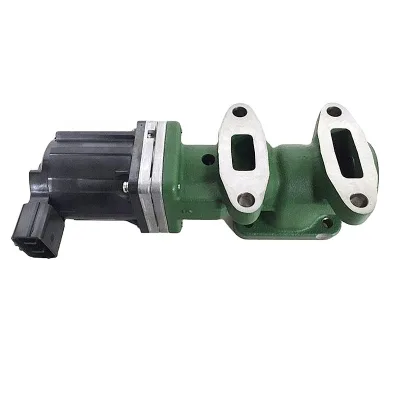
Qsf4.5 Diesel Engine Parts Exhaust Gas Recirculation Valve EGR 5714357 for
$200.00 - $380.00
MOQ: 1 Pieces


$1.00 - $5.00
MOQ: 100 Pieces




Comprehensive Sourcing Guide
Diesel Engine EGR Valve Sourcing Guide
Procuring exhaust gas recirculation (EGR) components for diesel engines requires a disciplined approach to technical verification and supplier qualification. The market offers a wide variety of parts, ranging from standard cast iron components to complex electrically controlled valves. Buyers must distinguish between generic aftermarket replacements and genuine OEM equivalents, particularly when sourcing for heavy-duty trucks or construction machinery. The observed product landscape includes items with specific model numbers like 04129354 and 5714360, indicating that precise part identification is critical to avoid compatibility errors.
This guide focuses on the essential steps for evaluating EGR valves, ensuring that procurement teams can navigate the complexities of international supply chains effectively. By understanding the technical specifications, compliance requirements, and commercial terms associated with these components, buyers can mitigate risks related to performance failures and regulatory non-compliance. The following sections provide a structured framework for assessing suppliers, verifying product attributes, and establishing long-term procurement strategies that align with operational needs and quality standards.
Product Scope and Observed Listing Signals
The current market for diesel engine EGR valves displays significant variation in material composition and manufacturing techniques. Listings indicate the use of iron as a primary material, often produced through casting or forging processes, which directly impacts durability and thermal resistance. Some products are described as genuine Cummins components, while others are generic replacements with neutral or original packing. Buyers should carefully review product names and part numbers, such as 5714357f or 504150396, to ensure alignment with their specific engine models, such as the F4.5 or F1ae0481d configurations.
Origin and packaging details provide additional context for sourcing decisions. Products originate from locations including China and the USA, with packing methods ranging from cartons to original or customer-specific packaging. The observed weight ranges from 1.35 kg to 5 kg, suggesting differences in component size and robustness. Additionally, some listings highlight advantages like authorized dealer status or extensive industry experience, which may influence buyer confidence. However, these claims should be verified against tangible product specifications rather than accepted at face value.
Technical Specifications to Verify
Technical verification begins with confirming the engine type and model compatibility, as EGR valves are highly specific to diesel engine architectures. Buyers must ensure that the valve’s operating voltage, typically 24V DC for heavy-duty applications, matches their vehicle’s electrical system. The control type, whether electrically controlled or mechanical, dictates the integration complexity and requires precise interface standards, such as direct mounting with original flanges. Operating temperature ranges, observed from -40℃ to +220℃, are critical for assessing performance under extreme conditions, ensuring the valve can withstand thermal stress without failure.
Dimensional and connection standards are equally important for successful installation. The interface standard should allow for direct mounting with original flanges, minimizing the need for custom adapters or modifications. Buyers should verify the connection method and ensure it aligns with the existing engine setup. Additionally, the physical dimensions of the packaging, such as 26cm25cm14cm or 30 × 30 × 20 cm, impact logistics and storage planning. Confirming these technical details prevents costly installation errors and ensures that the EGR valve functions correctly within the engine’s exhaust system.
Compliance and Safety Documentation
Compliance with international standards is non-negotiable for diesel engine components, particularly those affecting emissions. Buyers must verify that suppliers provide valid certifications, such as ISO9001, TSRoHS, E-Mark, CE, ISOCOP, and CCC, which attest to quality management and environmental safety. The discharge standard, often aligned with Euro V regulations, ensures that the EGR valve contributes to meeting emission targets. Without proper documentation, buyers risk importing non-compliant parts that could lead to regulatory penalties or vehicle rejection during inspections.
Safety and quality assurance also depend on the supplier’s ability to provide traceable product information. Certifications should be current and issued by recognized bodies, ensuring that the manufacturing process adheres to strict quality controls. Buyers should request copies of these certificates and verify their authenticity before placing orders. Additionally, understanding the certification scope is crucial, as some may apply only to specific product lines or manufacturing facilities. Ensuring compliance not only mitigates legal risks but also enhances the reliability and longevity of the installed EGR valve.
Cost Drivers and Commercial Terms
Cost structures for EGR valves are influenced by material quality, manufacturing complexity, and supplier location. Observed price ranges vary significantly, reflecting differences in product authenticity and performance capabilities. Buyers should consider the total cost of ownership, including shipping, tariffs, and potential replacement costs, rather than focusing solely on the unit price. Lead times, ranging from within 2 working days to 1-3 days after payment, impact inventory management and operational continuity. Faster delivery options may come at a premium, so balancing speed with cost is essential for efficient procurement.
Minimum order quantities (MOQs) and warranty terms also play a significant role in commercial negotiations. MOQs can range from 1 to 1000 units, affecting the scalability of orders and storage requirements. Warranty periods, such as 6 months for certain genuine components, provide a safety net against early failures. Buyers should negotiate clear terms regarding returns, replacements, and liability for defective parts. Understanding these commercial terms helps in budgeting accurately and establishing a sustainable supply chain that supports long-term operational goals.
Supplier Qualification and Quality Control
Supplier qualification is a critical step in ensuring the reliability of EGR valve procurement. Buyers should assess suppliers based on their experience, production capabilities, and quality control processes. Attributes like "20 Years Experience" or "Powerful Productive Forces" suggest a supplier’s capacity to meet demand, but these claims must be validated through site audits or third-party assessments. Verifying the supplier’s ability to provide genuine or high-quality aftermarket parts is essential, as counterfeit components can lead to engine damage and safety hazards.
Quality control measures should include rigorous testing and inspection protocols. Buyers should inquire about the supplier’s testing procedures, including performance validation under various operating conditions. Documentation of quality checks, such as material certifications and factory inspection reports, provides evidence of consistent product quality. Additionally, establishing clear communication channels with suppliers ensures that any issues can be addressed promptly. Building a relationship with qualified suppliers fosters trust and reduces the risk of supply chain disruptions, ensuring a steady flow of reliable EGR valves.
Long-Term Procurement Checks
Long-term procurement success depends on continuous monitoring and evaluation of supplier performance. Buyers should establish key performance indicators (KPIs) to track delivery times, product quality, and customer service responsiveness. Regular audits and feedback loops help identify areas for improvement and ensure that suppliers maintain their commitment to quality and compliance. Additionally, staying informed about industry trends and regulatory changes allows buyers to adapt their procurement strategies proactively, ensuring that their EGR valve supply remains aligned with evolving operational needs.
Building a diversified supplier base mitigates the risk of single-source dependency and enhances supply chain resilience. Buyers should identify alternative suppliers for critical components, ensuring that they can switch sources if necessary. Regularly reviewing contract terms and pricing agreements helps maintain favorable commercial conditions over time. Furthermore, investing in relationship management with key suppliers fosters collaboration and innovation, leading to better product offerings and service levels. By implementing these long-term checks, buyers can secure a stable and efficient supply of diesel engine EGR valves, supporting their operational excellence and sustainability goals.
FAQs
What certifications are available for Diesel Engine EGR Valve parts?
Available certifications include ISO, TSRoHS, E-Mark, CE, ISOCOP, CCC, and ISO9001. These standards ensure compliance with international quality and environmental regulations. Buyers should verify specific certification requirements with suppliers to match their regional compliance needs and ensure the parts meet necessary industry benchmarks for safety and performance.
Can I customize the packaging for Diesel Engine EGR Valve orders?
Yes, customization is available for packaging needs. Options include original packing, neutral packing, brand packing, or custom carton dimensions. Suppliers offer flexible packaging solutions to protect the parts during transit and meet specific branding or logistical requirements, ensuring the products arrive safely and align with your distribution standards.
What is the typical lead time for Diesel Engine EGR Valve delivery?
Delivery times typically range from one to three working days after payment confirmation. Some suppliers offer expedited shipping within two working days. This rapid turnaround supports urgent maintenance needs. Buyers should confirm exact lead times with the supplier, as production schedules and stock availability may slightly affect the final delivery date.
Which engine models are compatible with Diesel Engine EGR Valve parts?
Compatible engine models include Cummins F4.5 and Fiat F1ae0481d. These parts are designed for diesel engines used in trucks and construction machinery. Buyers should verify the specific engine code and part number, such as 5714360 or 504150396, to ensure proper fitment and optimal performance for their specific machinery applications.
What is the MOQ for ordering Diesel Engine EGR Valve components?
The minimum order quantity ranges from one to one thousand units. This flexibility allows buyers to order single replacement parts or bulk inventory. Suppliers accommodate various order sizes, making it easier for workshops and large fleets to procure the necessary components without committing to excessive stock levels or high initial investment costs.
How does the operating temperature affect Diesel Engine EGR Valve performance?
The operating temperature range is typically -40°C to +220°C. This wide range ensures reliable performance in extreme environmental conditions. The electrically controlled valve maintains stability under high heat and cold stress. Buyers should ensure the selected part meets these thermal specifications to prevent failure in demanding truck or construction machinery applications.