Source Diesel Engine Explosion-Proof Centrifugal Pump for Irrigation, Fire Fighting, and Water Supply
Find 30 diesel engine explosion-proof centrifugal pump options from verified suppliers in China. Compare specifications including flow rates, head, and engine types like Weichai or Changchai for irrigation, flood control, and fire protection systems.
Key considerations
Products List


Explosion-Proof Chemical Centrifugal Pump with Stainless Steel Horizontal Design
$223.00 - $3120.69
MOQ: 1 Pieces


$50.00 - $1000.00
MOQ: 10 units


Durable Industrial Suction Explosion-Proof Horizontal Water Centrifugal Pump
$170.00 - $180.00
MOQ: 1 Unit
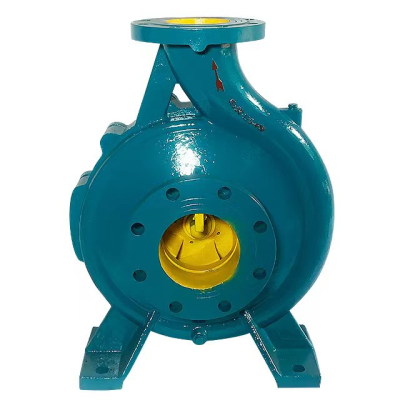


Comprehensive Sourcing Guide
Strategic Sourcing Guide for Diesel Engine Explosion-Proof Centrifugal Pumps
Understanding Technical Specifications and Core Attributes
When sourcing diesel engine-driven centrifugal pumps, particularly those designated for hazardous or explosion-proof environments, buyers must first establish a rigorous understanding of the technical parameters that define performance and safety. The core product category often encompasses a wide range of configurations, from single-stage to multistage designs, each serving distinct operational needs. In the current market, observed specifications indicate that these pumps frequently feature a horizontal pump shaft position, which is critical for installation stability in industrial settings. The pump casing is often designed as a horizontal split pump, facilitating easier maintenance and inspection of internal components without the need to disconnect piping.
The driving mechanism is a primary differentiator. While electric motors are common, the specific requirement for diesel engines introduces unique constraints regarding fuel efficiency, starting reliability, and power output. The supply data confirms that driven modes can include both electric motors and diesel engines, offering flexibility for dual-power systems or standalone diesel units. The transmission type is typically a direct connection, ensuring efficient power transfer, though belt pulley or coupling options are also available depending on the specific model requirements. The impeller design varies significantly; observed listings include open, semi-open, and closed impeller types. Single-suction and double-suction configurations are both present, with impeller numbers ranging from single-stage to multistage pumps. This variation directly impacts the head pressure and flow rate capabilities.
Performance metrics are equally critical. The maximum head observed in the market exceeds 150 meters, indicating the capability for high-pressure applications. Flow rates are substantial, with ranges extending from 8 cubic meters per hour up to 1275 cubic meters per hour. The working pressure is classified as high pressure, necessitating robust sealing mechanisms. Mechanical seals are the standard observation for these units, designed to prevent leakage under high stress. The suction lift capability is noted between 6 and 7 meters, which is a vital parameter for applications where the pump must draw water from a source below the pump level. The solid size capacity, observed at 76.2mm, suggests these pumps are engineered to handle debris-laden water, making them suitable for flood control or rough industrial environments.
Compliance, Certification, and Safety Standards
In the context of explosion-proof requirements, compliance is not merely a regulatory formality but a fundamental safety necessity. Buyers must verify that the equipment meets specific international and regional standards. The supply data references several key certifications, including CE, SGS, and ISO9001. These certifications indicate that the manufacturing processes and product quality adhere to recognized benchmarks. The CE mark, for instance, suggests conformity with health, safety, and environmental protection standards for products sold within the European Economic Area. ISO9001 certification confirms that the supplier maintains a quality management system, which is essential for consistent product reliability.
However, the term "explosion-proof" implies a specific set of requirements regarding the ignition of flammable gases, vapors, or dusts. While the provided data lists general standards, it does not explicitly detail specific explosion-proof ratings (such as ATEX or IECEx). Therefore, buyers must actively verify the specific explosion-proof certification for the intended application zone. The presence of a "Diesel Engine Auto Controller" for fire fighting pumps suggests advanced control systems that may include safety interlocks. The battery starter feature, observed in the data, ensures reliable ignition in emergency scenarios, which is a critical component of safety systems.
The origin of the products is predominantly Shanghai, China, a major manufacturing hub. While the location itself does not guarantee safety compliance, it indicates a concentration of industrial capability. Buyers should request documentation proving that the diesel engine and the pump assembly have been tested and certified for the specific hazardous environment in which they will operate. This includes verifying the electrical components, if any, and the thermal management of the diesel engine to ensure it does not exceed surface temperature limits that could ignite surrounding atmospheres. The "One Pump One Case" packing standard and the use of export polywood cases or plywood cases suggest a focus on protecting the equipment during transit, which helps maintain the integrity of safety-critical components.
Cost Drivers and Pricing Dynamics
The pricing structure for diesel engine-driven centrifugal pumps is influenced by a complex interplay of factors, including engine brand, pump capacity, and certification levels. The observed price range in the market is vast, spanning from 1 USD to 7500 USD. This wide disparity reflects the diversity of the product line, ranging from small, low-capacity units to large, industrial-grade fire fighting pump sets. The lower end of the spectrum likely corresponds to basic models with smaller flow rates and heads, while the upper end represents high-performance units with multistage impellers, high-pressure capabilities, and advanced control systems.
The choice of engine is a significant cost driver. The data mentions specific engine brands such as Weifang, Weichai, and Changchai. These are reputable manufacturers, and the inclusion of their engines typically commands a premium over generic or unbranded alternatives. The engine's power rating, fuel efficiency, and durability directly impact the overall cost. Additionally, the complexity of the pump design, such as the transition from a single-stage to a multistage configuration, increases manufacturing costs and, consequently, the purchase price.
Minimum Order Quantity (MOQ) is another factor affecting the total cost of acquisition. The observed MOQ range is between 1 and 100 units. For buyers requiring a single unit for a specific project, the unit price may be higher due to the lack of economies of scale. Conversely, bulk orders can leverage lower per-unit costs. The packaging requirements also contribute to the cost; the use of export polywood cases or plywood cases adds to the shipping weight and expense. Buyers should consider the total landed cost, including shipping, insurance, and potential customs duties, rather than focusing solely on the listed unit price. The "One Pump One Case" standard ensures that each unit is individually protected, which is beneficial for logistics but adds to the overall volume and cost.
Typical Applications and Operational Scenarios
Diesel engine-driven centrifugal pumps are versatile assets deployed across a wide array of industrial and emergency scenarios. The data highlights several key application areas, including irrigation, flood control, and water supply. In agricultural settings, these pumps are essential for moving large volumes of water from rivers or reservoirs to fields, particularly in areas where grid electricity is unreliable or unavailable. The high flow rates and solid size capacity make them ideal for handling water with varying levels of sediment and debris.
Fire protection is another critical application domain. The "Diesel Fire Fighting Pump Set" is explicitly mentioned, designed to serve as a reliable backup power source for fire suppression systems. These units often feature a "Start Mode" that includes an auto controller, ensuring immediate activation in the event of a power failure. The "Standby Pump" configuration, often a vertical jockey water pump, works in tandem with the main diesel pump to maintain system pressure. The high-pressure capability, with heads exceeding 150 meters, allows these pumps to deliver water to high-rise buildings or through long-distance fire hoses.
The "System" attribute lists "Fire Fighting System," reinforcing the role of these pumps in emergency response. Their ability to operate independently of the electrical grid makes them indispensable for disaster relief operations, such as flood drainage or emergency water supply in remote locations. The "Application" field also notes "Irrigation, Floods, Water Supply," confirming their utility in both routine and crisis management. The specific model numbers, such as IS, S, D, GDL, QDL, ISW, XBD, and XDL, correspond to different pump series designed for specific performance characteristics, allowing buyers to select the exact model that matches their operational requirements.
Supplier Evaluation and Selection Criteria
Selecting the right supplier is paramount when dealing with specialized equipment like diesel engine explosion-proof centrifugal pumps. Buyers should prioritize suppliers who demonstrate transparency in their manufacturing processes and provide comprehensive documentation. The "Brand" attribute mentions "Yonjou," indicating that established brands exist in the market, but buyers should not limit their search to a single name. Instead, they should evaluate suppliers based on their ability to meet specific technical and compliance requirements.
Key evaluation criteria include the supplier's experience with diesel engine integration, their track record in delivering explosion-proof certified equipment, and their after-sales support capabilities. The presence of specific engine brands like Weichai or Changchai in the product descriptions suggests that the supplier has established relationships with reputable engine manufacturers. Buyers should verify these partnerships to ensure the authenticity and quality of the engines supplied.
The "Standard" attribute lists "CE, SGS, ISO9001," which are strong indicators of a supplier's commitment to quality. However, buyers must go beyond these general certifications and request specific test reports for explosion-proof compliance. The "Location" attribute indicates a concentration of suppliers in Shanghai and China, a region known for its manufacturing prowess. Buyers should assess the logistical capabilities of these suppliers, including their ability to handle export packaging and shipping. The "Product Packing" details, such as "Export Polywood Case" or "Plywood Case," are important for ensuring the equipment arrives in pristine condition.
Quality Control and Long-Term Procurement Considerations
Ensuring the long-term reliability of diesel engine-driven centrifugal pumps requires a robust quality control strategy. Buyers should implement a multi-stage inspection process, starting with the verification of raw materials and components, through to the final assembly and testing of the finished product. The "Mechanical Seal" and "Direct Connection" transmission types are critical components that require precise manufacturing tolerances to prevent leaks and ensure efficient power transmission.
Long-term procurement considerations include the availability of spare parts and the ease of maintenance. The "Horizontal Split Pumps" design facilitates maintenance, but buyers should confirm that the supplier provides a comprehensive spare parts catalog. The "Diesel Engine Auto Controller" and "Battery Starter" are complex electronic and mechanical components that may require specialized servicing. Buyers should negotiate service agreements that include training for their maintenance teams and guaranteed response times for emergency repairs.
The "Working Pressure" and "Max.Head" specifications indicate that these pumps operate under significant stress. Regular maintenance schedules should be established to monitor wear and tear on the impeller, seals, and engine components. The "Solid Size" capacity of 76.2mm suggests that the pumps are designed to handle abrasive materials, which can accelerate wear. Buyers should plan for periodic inspections and replacements of wear-prone parts to maintain optimal performance.
Summary of Key Product Attributes
To facilitate a quick reference for buyers, the following table summarizes the key attributes observed in the market for diesel engine-driven centrifugal pumps:
| Attribute Category | Observed Specifications & Options |
|---|---|
| Driving Type | Motor, Diesel Engine, Electric Motor & Diesel Engine |
| Pump Shaft Position | Horizontal Pump |
| Pump Casing | Horizontal Split Pumps |
| Impeller Type | Open, Semi-Open, Closed |
| Impeller Suction | Single Suction, Double Suction |
| Impeller Number | Single-Stage Pump, Multistage Pump |
| Max. Head | >150m (Range: 6m-63m observed) |
| Flow Rates | 8m³/H - 1275m³/H (>400 L/min) |
| Working Pressure | High Pressure Pump |
| Seal Type | Mechanical Seal |
| Transmission | Direct Connection, Belt Pulley or Coupling |
| Suction Lift | 6-7 M |
| Solid Size | 76.2mm |
| Certifications | CE, SGS, ISO9001 |
| Origin | Shanghai, China |
| Packing | Export Polywood Case, Plywood Case |
| Applications | Fire Fighting, Irrigation, Floods, Water Supply |
By adhering to these guidelines and leveraging the detailed technical and compliance data provided, buyers can make informed decisions when sourcing diesel engine explosion-proof centrifugal pumps. This approach ensures that the selected equipment meets the rigorous demands of their specific applications while maintaining safety and operational efficiency.
FAQs
What certifications do diesel engine explosion-proof centrifugal pumps hold?
These pumps typically hold CE, SGS, and ISO9001 certifications. Buyers must verify specific explosion-proof ratings like ATEX for hazardous environments, as general standards do not guarantee compliance with all ignition safety requirements.
How is the driving mode configured for these centrifugal pumps?
The driving mode can be either an electric motor or a diesel engine. Some models feature a dual-power system, while others are dedicated diesel units equipped with auto controllers for fire fighting applications.
Which impeller types are available for these high-pressure pumps?
Available impeller types include open, semi-open, and closed designs. The configuration may be single-suction or double-suction, and the pump can be single-stage or multistage depending on the required head and flow.
Can these pumps handle solid debris in the water?
Yes, these pumps are designed to handle solids up to 76.2mm in size. This capability makes them suitable for flood control, irrigation, and rough industrial environments where water contains sediment or debris.
What is the maximum head capacity for these diesel pumps?
The maximum head capacity exceeds 150 meters for high-pressure applications. This allows the pumps to deliver water to high-rise buildings or through long-distance fire hoses effectively.
How are these pumps packaged for export shipping?
Pumps are packed in export polywood cases or plywood cases. The standard practice is one pump per case to ensure the equipment arrives in pristine condition and maintains the integrity of safety components.